English
- Afrikaans
- Albanian
- Amharic
- Arabic
- Armenian
- Azerbaijani
- Basque
- Belarusian
- Bengali
- Bosnian
- Bulgarian
- Catalan
- Cebuano
- Corsican
- Croatian
- Czech
- Danish
- Dutch
- English
- Esperanto
- Estonian
- Finnish
- French
- Frisian
- Galician
- Georgian
- German
- Greek
- Gujarati
- Haitian Creole
- hausa
- hawaiian
- Hebrew
- Hindi
- Miao
- Hungarian
- Icelandic
- igbo
- Indonesian
- irish
- Italian
- Japanese
- Javanese
- Kannada
- kazakh
- Khmer
- Rwandese
- Korean
- Kurdish
- Kyrgyz
- Lao
- Latin
- Latvian
- Lithuanian
- Luxembourgish
- Macedonian
- Malgashi
- Malay
- Malayalam
- Maltese
- Maori
- Marathi
- Mongolian
- Myanmar
- Nepali
- Norwegian
- Norwegian
- Occitan
- Pashto
- Persian
- Polish
- Portuguese
- Punjabi
- Romanian
- Russian
- Samoan
- Scottish Gaelic
- Serbian
- Sesotho
- Shona
- Sindhi
- Sinhala
- Slovak
- Slovenian
- Somali
- Spanish
- Sundanese
- Swahili
- Swedish
- Tagalog
- Tajik
- Tamil
- Tatar
- Telugu
- Thai
- Turkish
- Turkmen
- Ukrainian
- Urdu
- Uighur
- Uzbek
- Vietnamese
- Welsh
- Bantu
- Yiddish
- Yoruba
- Zulu

Telephone: +86 13120555503
Email: frank@cypump.com


Apr . 01, 2024 17:55 Back to list
froth slurry pump manufacturer Performance Analysis
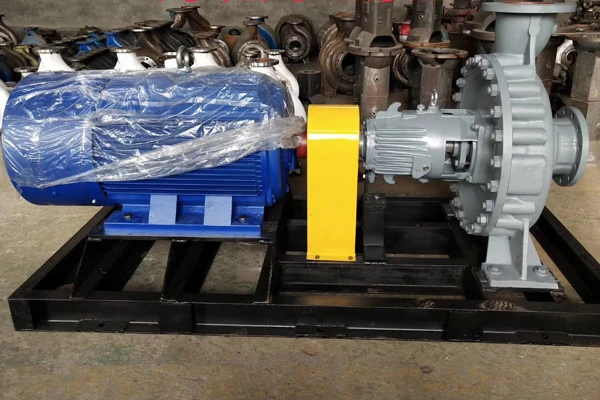
Introduction
Froth slurry pumps are specialized centrifugal pumps designed for the transportation of mixed-phase fluids – specifically, slurries containing significant volumes of entrained air or gas, commonly referred to as 'froth'. These pumps differ fundamentally from conventional slurry pumps optimized for dense, solid-laden liquids. They find critical application in mineral processing (flotation circuits), wastewater treatment (aerated solids handling), chemical processing (foaming solutions), and various industrial effluent systems. The primary challenge lies in maintaining pump performance and efficiency despite the low specific gravity and highly compressible nature of froth slurries. Conventional pumps suffer from significant performance degradation due to air binding, cavitation, and reduced volumetric efficiency. Froth slurry pumps address these issues through specialized impeller designs, optimized volute geometries, and materials selection geared towards handling the unique characteristics of aerated flows. The selection of the correct froth slurry pump is vital to process efficiency, minimizing downtime, and reducing operational costs within these demanding industrial environments. This guide provides a detailed technical overview of froth slurry pump technology, covering material science, manufacturing processes, performance characteristics, failure modes, and industry best practices.
Material Science & Manufacturing
The performance and longevity of a froth slurry pump are heavily reliant on the materials used in its construction. Impellers and volute casings are frequently manufactured from high-chrome cast iron (typically containing 27-30% chromium) due to its excellent abrasion resistance, crucial for handling particulate matter within the slurry. However, for particularly corrosive environments or when handling aggressive chemical froths, duplex stainless steels (such as 2205 or 2507) and even super austenitic stainless steels are employed, offering superior corrosion resistance. Shafts are typically constructed from high-strength alloy steels (e.g., 4140 or 4340) that are subsequently hardened and tempered to maximize tensile strength and torsional rigidity. Sealing components, including mechanical seals and packing glands, require careful material selection to prevent leakage and ensure long-term reliability. Materials like silicon carbide, tungsten carbide, and Viton (fluoroelastomer) are commonly utilized. Manufacturing processes vary depending on component size and complexity. Impellers are often produced via investment casting, allowing for intricate geometries and precise tolerances. Volute casings can be manufactured through sand casting, centrifugal casting, or, for smaller pumps, through precision machining from solid bar stock. Welding procedures, when employed (e.g., for repairing casing wear), must adhere to stringent quality control standards (AWS D1.1). Key parameter control during manufacturing includes dimensional accuracy of the impeller vanes, surface finish of the volute casing (to minimize friction losses), and heat treatment parameters to achieve desired material properties. Non-destructive testing (NDT), such as liquid penetrant inspection and radiographic testing, is crucial for verifying weld integrity and detecting internal flaws.
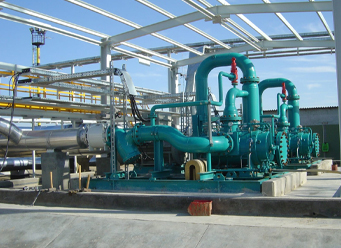
Performance & Engineering
The performance of a froth slurry pump is assessed based on its ability to deliver a specific volumetric flow rate at a given head (pressure) while efficiently handling the aerated slurry. Key performance indicators (KPIs) include pump efficiency, Net Positive Suction Head Required (NPSHr), and solids handling capability. Unlike conventional pumps, froth slurry pumps exhibit a characteristic performance curve that is significantly flatter, meaning that changes in froth content have a less pronounced effect on pump performance. This is a direct result of the specialized impeller design, which incorporates larger flow passages and a reduced number of vanes to minimize air binding. Force analysis focuses on the stresses induced by the slurry's impact on the impeller and volute casing. Finite Element Analysis (FEA) is routinely employed to optimize component geometry and ensure structural integrity under operating conditions. Environmental resistance is also a critical consideration. Pumps operating in corrosive environments require external coatings (e.g., epoxy or rubber linings) to protect against chemical attack. Compliance requirements vary depending on the application and geographical location. Pumps used in explosive atmospheres must meet ATEX or IECEx standards. Pumps used in potable water applications must comply with NSF/ANSI 61. Functional implementation requires careful system design, including proper suction piping configuration to prevent air ingress and adequate vent lines to release trapped air. The pump's operating point should be carefully matched to the system's resistance curve to avoid operating the pump outside its recommended performance range.
Technical Specifications
| Parameter | Unit | Typical Range (Small Pump - <50 HP) | Typical Range (Large Pump - >200 HP) |
|---|---|---|---|
| Flow Rate | GPM (US) | 50 - 500 | 500 - 5000 |
| Head | ft | 20 - 100 | 100 - 300 |
| Specific Gravity (Slurry) | - | 1.0 - 1.4 | 1.0 - 1.6 |
| Solids Handling Size | inches | Up to 1.5 | Up to 4 |
| Maximum Air Volume Fraction | % | 20 - 40 | 20 - 50 |
| Pump Efficiency | % | 55 - 70 | 65 - 80 |
Failure Mode & Maintenance
Froth slurry pumps are susceptible to several failure modes. Fatigue cracking in the impeller vanes is a common issue, particularly in pumps handling abrasive slurries. This is often initiated by stress concentrations at the root of the vanes. Delamination of the volute casing lining (if applicable) can occur due to improper bonding or chemical attack. Degradation of elastomer components (seals, gaskets) is accelerated by exposure to aggressive chemicals and high temperatures. Oxidation and corrosion are also prevalent, especially in pumps operating in seawater or acidic environments. Cavitation, while less common than in conventional pumps, can still occur if the NPSH available is insufficient. Preventative maintenance is crucial for maximizing pump uptime and minimizing repair costs. Regular inspections should include visual checks for wear, leakage, and corrosion. Impeller and volute casing wear should be monitored using ultrasonic thickness testing. Mechanical seals should be replaced on a scheduled basis, as determined by operating conditions and manufacturer recommendations. Lubrication of bearings is critical and should be performed according to the manufacturer's specifications. Vibration analysis can be used to detect early signs of bearing failure or impeller imbalance. In the event of a failure, a thorough root cause analysis should be conducted to identify the underlying cause and implement corrective actions. Proper alignment of the pump and motor is essential to prevent premature bearing failure and shaft damage.
Industry FAQ
Q: What is the primary difference between a froth slurry pump and a standard centrifugal slurry pump?
A: The key difference lies in the impeller design and the overall hydraulic configuration. Froth slurry pumps have larger flow passages and fewer impeller vanes to prevent air locking and maintain performance with highly aerated slurries. Standard slurry pumps are optimized for dense, solid-laden liquids and struggle with the compressibility of froth.
Q: How does the froth content affect pump performance?
A: Increased froth content generally reduces pump efficiency and head. However, froth slurry pumps are designed to mitigate these effects, exhibiting a flatter performance curve compared to conventional pumps, meaning performance degrades less significantly with increasing froth volume.
Q: What materials are recommended for pumps handling highly corrosive froths?
A: Duplex stainless steels (2205, 2507) and super austenitic stainless steels are typically employed for corrosive applications. External coatings, such as epoxy or rubber linings, can provide additional protection.
Q: What is the importance of NPSH in froth slurry pump applications?
A: Maintaining adequate NPSH is critical to prevent cavitation, even in froth slurry pumps. While froth can sometimes suppress cavitation, insufficient NPSH can still lead to performance degradation and damage to the impeller.
Q: What routine maintenance is recommended for froth slurry pumps?
A: Regular inspections for wear, leakage, and corrosion are essential. Scheduled replacement of mechanical seals, lubrication of bearings, and vibration analysis are also crucial preventative maintenance tasks.
Conclusion
Froth slurry pumps represent a specialized pumping solution tailored to the unique challenges presented by aerated slurries. Their design, material selection, and operating principles differ significantly from conventional pumps, enabling efficient and reliable transport of these complex fluids. Proper pump selection, informed by a thorough understanding of the slurry characteristics and system requirements, is paramount to achieving optimal performance. Continued advancements in impeller design, materials science, and monitoring technologies are further enhancing the capabilities and longevity of these critical industrial components.
Effective maintenance strategies, including regular inspections, preventative replacements, and root cause analysis of failures, are essential for maximizing pump uptime and minimizing life-cycle costs. As industrial processes continue to evolve and demand increasingly efficient and reliable fluid handling solutions, the role of froth slurry pumps will undoubtedly remain central to a wide range of applications.
-
Effluent vs Sump Pump Performance Analysis
News2026-05-22
-
effluent septic pump Performance Engineering
News2026-05-22
-
best sewer pumps Performance Engineering
News2026-05-22
-
best sewer pump Performance Analysis
News2026-05-22
-
best sewage pumps Performance Engineering
News2026-05-22
-
basement bathroom sewage pump Material Science Manufacturing
News2026-05-21
-
wastewater treatment plant pumps Material Science Manufacturing
News2026-05-21
-
waste water pump for basement Material Science Manufacturing
News2026-05-21
-
sump pump sewage Performance Analysis
News2026-05-21
-
sump pump for sewage Material Science and Manufacturing
News2026-05-21
-
sump pump for septic systems Material Science Manufacturing
News2026-05-20
-
sump pump and ejector pump Material Science Manufacturing
News2026-05-20
-
sewage treatment plant pumps Performance Analysis
News2026-05-20
-
sewage tank pump Material Science and Manufacturing
News2026-05-20
-
sewage pump for septic tank Performance Analysis
News2026-05-20




