English
- Afrikaans
- Albanian
- Amharic
- Arabic
- Armenian
- Azerbaijani
- Basque
- Belarusian
- Bengali
- Bosnian
- Bulgarian
- Catalan
- Cebuano
- Corsican
- Croatian
- Czech
- Danish
- Dutch
- English
- Esperanto
- Estonian
- Finnish
- French
- Frisian
- Galician
- Georgian
- German
- Greek
- Gujarati
- Haitian Creole
- hausa
- hawaiian
- Hebrew
- Hindi
- Miao
- Hungarian
- Icelandic
- igbo
- Indonesian
- irish
- Italian
- Japanese
- Javanese
- Kannada
- kazakh
- Khmer
- Rwandese
- Korean
- Kurdish
- Kyrgyz
- Lao
- Latin
- Latvian
- Lithuanian
- Luxembourgish
- Macedonian
- Malgashi
- Malay
- Malayalam
- Maltese
- Maori
- Marathi
- Mongolian
- Myanmar
- Nepali
- Norwegian
- Norwegian
- Occitan
- Pashto
- Persian
- Polish
- Portuguese
- Punjabi
- Romanian
- Russian
- Samoan
- Scottish Gaelic
- Serbian
- Sesotho
- Shona
- Sindhi
- Sinhala
- Slovak
- Slovenian
- Somali
- Spanish
- Sundanese
- Swahili
- Swedish
- Tagalog
- Tajik
- Tamil
- Tatar
- Telugu
- Thai
- Turkish
- Turkmen
- Ukrainian
- Urdu
- Uighur
- Uzbek
- Vietnamese
- Welsh
- Bantu
- Yiddish
- Yoruba
- Zulu

Telephone: +86 13120555503
Email: frank@cypump.com


Apr . 01, 2024 17:55 Back to list
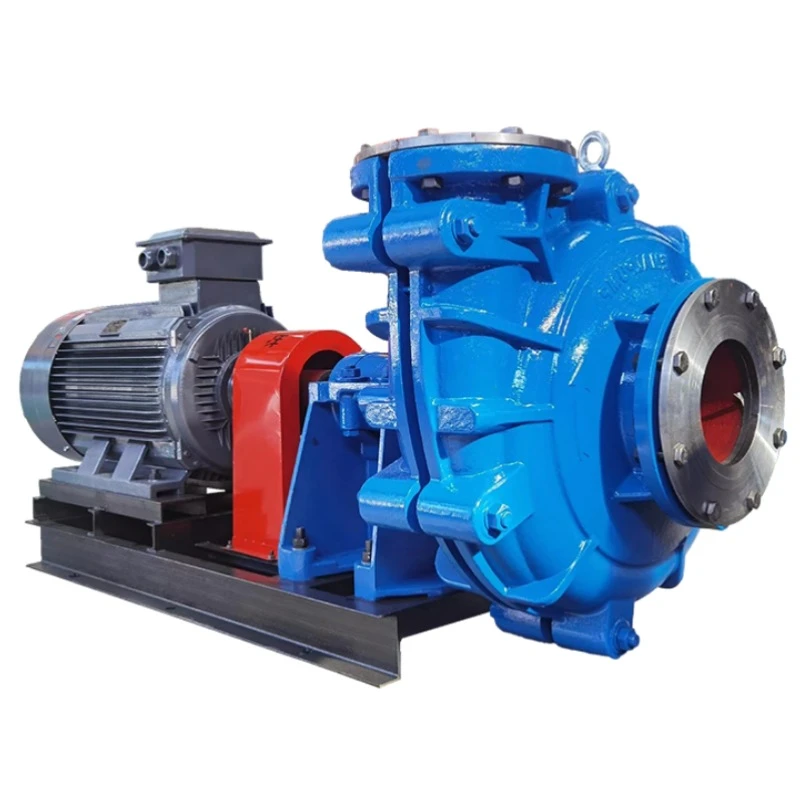
froth slurry pump factory Performance Analysis
Introduction
Froth slurry pumps are critical components in various industrial processes involving the transport of aerated fluids – mixtures of liquid and gas, typically generated during flotation, mineral processing, wastewater treatment, and chemical manufacturing. Unlike conventional slurry pumps designed for dense, solid-laden liquids, froth slurry pumps are specifically engineered to efficiently handle the low-density, high-air-content characteristics of froth slurries. This demands unique impeller designs, casing geometries, and sealing arrangements to prevent air locking, maintain adequate pressure, and ensure reliable operation. The technical position of these pumps within the processing chain is typically post-flotation or aeration, responsible for transferring the valuable froth concentrate to subsequent processing stages such as dewatering or refining. Core performance metrics revolve around air handling capacity, solids content tolerance, pressure generation, and overall energy efficiency, all crucial for optimizing downstream process efficiency and recovery rates.
Material Science & Manufacturing
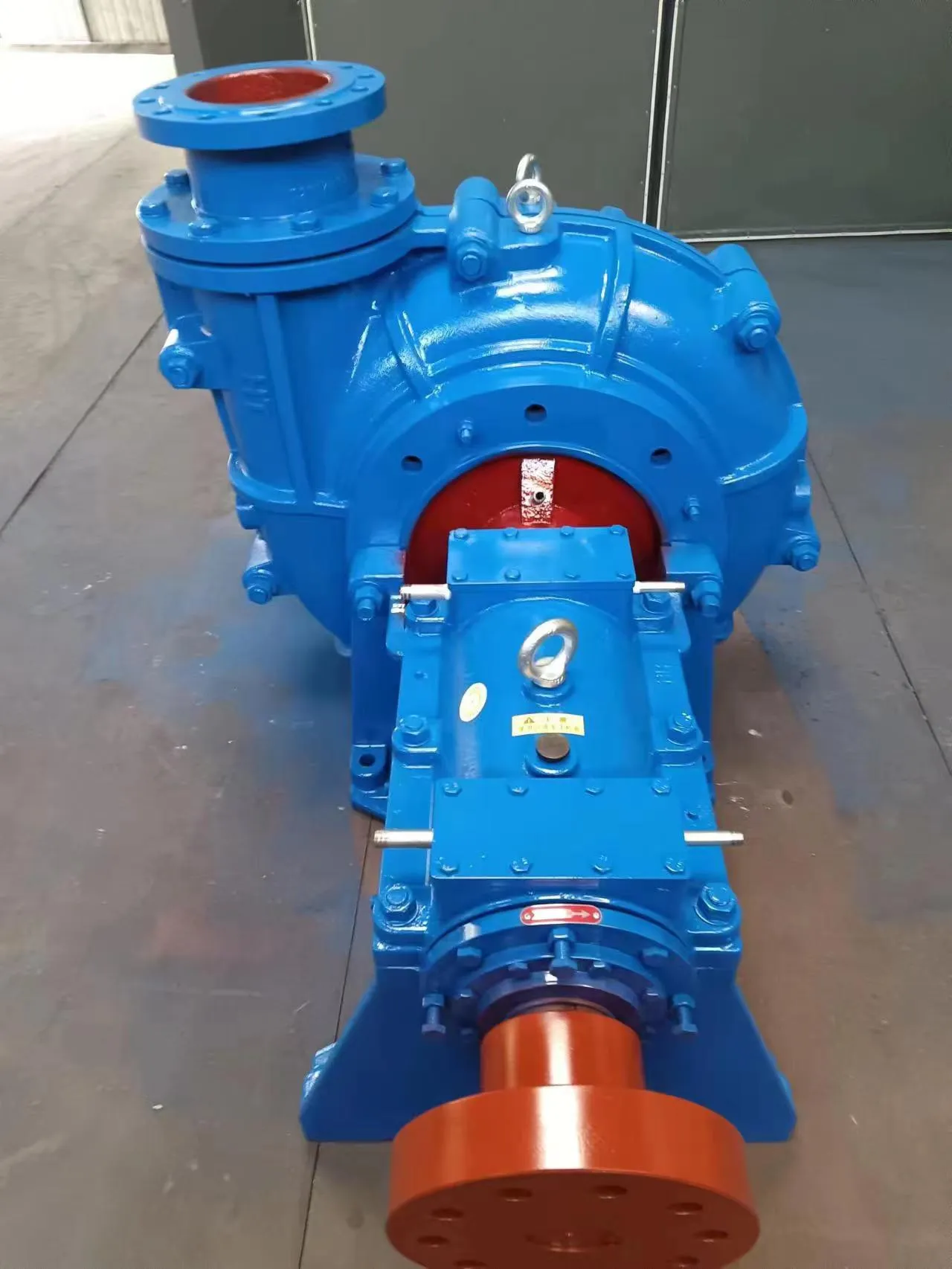
The construction of froth slurry pumps requires careful material selection to withstand the abrasive nature of the slurries and the corrosive environments often encountered. Casing materials frequently utilize high-chromium white iron alloys (e.g., ANSI Class 3) for exceptional abrasion resistance, particularly when handling mineral ores. Impeller materials often mirror the casing, but may incorporate duplex stainless steels (e.g., 2205) for enhanced corrosion resistance in chemical processing applications. Shafts are commonly constructed from alloy steels (e.g., 4140, heat-treated) to provide high tensile strength and resistance to torsional stress. Manufacturing processes are multi-stage. Casing production involves sand casting, followed by meticulous heat treatment to achieve desired hardness and toughness. Impellers are typically manufactured using investment casting for complex geometries and dimensional accuracy. Critical parameters include impeller blade angles, casing volute shape, and surface finish, all of which directly influence pump performance. Welding processes, particularly for repairs, must be performed using low-hydrogen electrodes and post-weld heat treatment to prevent cracking. Sealing components are generally made from elastomers like Viton or EPDM, selected for their chemical compatibility with the specific slurry composition. Proper quality control throughout the manufacturing process, including non-destructive testing (NDT) such as liquid penetrant inspection and radiographic testing, is essential to ensure structural integrity and prevent premature failure.
Performance & Engineering
The performance of froth slurry pumps is significantly impacted by fluid mechanics, particularly the complex interaction between liquid and gas phases. Force analysis must account for the reduced density of the froth slurry, requiring larger impeller diameters and lower speeds compared to conventional slurry pumps handling denser materials. Cavitation is a major concern, as the presence of gas bubbles lowers the liquid’s vapor pressure, increasing the risk of bubble collapse and impeller erosion. Pump selection needs to consider the specific gravity of the slurry, the volume fraction of air, the particle size distribution of the solids, and the required flow rate and head. Environmental resistance is crucial, particularly in outdoor installations. Pumps must be protected against extreme temperatures, rain, and corrosive atmospheres. Compliance requirements vary depending on the application. For example, pumps used in the food and beverage industry must meet 3-A Sanitary Standards, while those used in hazardous locations require ATEX or IECEx certification. Functional implementation relies heavily on proper system design, including adequate suction piping to prevent air entrainment and discharge piping to minimize backpressure. Variable frequency drives (VFDs) are often employed to optimize pump speed and energy consumption based on fluctuating process demands.
Technical Specifications
| Parameter | Unit | Typical Range (Small Pump) | Typical Range (Large Pump) |
|---|---|---|---|
| Flow Rate | m³/h | 5 – 50 | 100 – 500 |
| Head | m | 10 – 30 | 40 – 100 |
| Solids Handling Size | mm | < 6 | < 25 |
| Air Volume Fraction | % | 20 – 60 | 40 – 80 |
| Slurry Specific Gravity | - | 1.2 – 1.6 | 1.0 – 1.4 |
| Motor Power | kW | 1.5 – 7.5 | 15 – 75 |
Failure Mode & Maintenance
Froth slurry pumps are susceptible to several failure modes. Fatigue cracking in the impeller, particularly around the blade roots, is common due to cyclic loading and stress concentration. Delamination of the casing liner can occur due to insufficient bonding or excessive abrasion. Degradation of sealing materials (e.g., elastomers) leads to leakage and reduced pump efficiency. Oxidation of metal components, especially in corrosive environments, can weaken structural integrity. Air locking, if not addressed by proper system design, causes reduced flow and increased energy consumption. Preventive maintenance is crucial. Regular inspection of impeller wear, casing liner thickness, and seal integrity is essential. Lubrication of bearings should be performed according to manufacturer recommendations. Vibration analysis can detect early signs of bearing failure or impeller imbalance. Periodic flushing of the pump casing can remove accumulated solids and prevent clogging. In the event of failure, root cause analysis is vital to identify the underlying issue and implement corrective actions. This includes metallurgical analysis of failed components, examination of operating conditions, and review of maintenance procedures. Replacement parts should be sourced from reputable suppliers and conform to original equipment manufacturer (OEM) specifications.
Industry FAQ
Q: What is the primary difference between a froth slurry pump and a standard centrifugal pump?
A: The key difference lies in their design to handle gas-liquid mixtures. Standard centrifugal pumps are optimized for incompressible liquids, while froth slurry pumps incorporate features like larger impeller eye diameters, modified impeller blade angles, and optimized casing geometries to efficiently manage the presence of significant air volume within the slurry. This prevents air locking and ensures consistent flow.
Q: How do I prevent cavitation in a froth slurry pump?
A: Cavitation can be minimized by ensuring adequate Net Positive Suction Head Available (NPSHA) exceeds the Net Positive Suction Head Required (NPSHR) by a sufficient margin. Reducing suction pipe length, increasing pipe diameter, and lowering pump speed can also help. Proper system design to minimize air entrainment upstream of the pump is critical.
Q: What material is best suited for a froth slurry pump handling a highly abrasive mineral slurry?
A: High-chromium white iron alloys are typically the best choice for abrasive slurries due to their exceptional wear resistance. The chromium content forms hard carbides that resist abrasion. However, the specific alloy composition should be tailored to the slurry’s composition and abrasiveness.
Q: What maintenance schedule should I follow for a froth slurry pump?
A: A comprehensive maintenance schedule should include daily visual inspections for leaks, monthly vibration analysis, quarterly checks of bearing lubrication, and annual inspections of impeller and casing wear. Regular monitoring of pump performance parameters (flow rate, head, power consumption) can also identify potential issues early on.
Q: How does the air volume fraction impact pump performance?
A: Increasing air volume fraction generally reduces pump density, lowering head and efficiency. Pumps are designed to operate within a specific air volume range. Exceeding this range can lead to air locking and reduced performance. Proper pump selection and system design are crucial to accommodate the anticipated air volume fraction.
Conclusion
Froth slurry pumps represent a specialized category of positive displacement equipment critical for industries relying on froth flotation and related processes. Their design and material selection are driven by the unique challenges presented by aerated slurries, demanding a robust approach to engineering and maintenance. Optimizing performance necessitates a thorough understanding of fluid dynamics, material science, and the specific characteristics of the slurry being handled.
Looking ahead, advancements in computational fluid dynamics (CFD) and materials science will drive further improvements in pump efficiency and durability. The integration of smart sensors and predictive maintenance algorithms will enable proactive identification of potential failures, minimizing downtime and reducing overall operating costs. Continued research into novel impeller designs and sealing technologies will enhance the performance of froth slurry pumps in increasingly demanding applications.
-
Effluent vs Sump Pump Performance Analysis
News2026-05-22
-
effluent septic pump Performance Engineering
News2026-05-22
-
best sewer pumps Performance Engineering
News2026-05-22
-
best sewer pump Performance Analysis
News2026-05-22
-
best sewage pumps Performance Engineering
News2026-05-22
-
basement bathroom sewage pump Material Science Manufacturing
News2026-05-21
-
wastewater treatment plant pumps Material Science Manufacturing
News2026-05-21
-
waste water pump for basement Material Science Manufacturing
News2026-05-21
-
sump pump sewage Performance Analysis
News2026-05-21
-
sump pump for sewage Material Science and Manufacturing
News2026-05-21
-
sump pump for septic systems Material Science Manufacturing
News2026-05-20
-
sump pump and ejector pump Material Science Manufacturing
News2026-05-20
-
sewage treatment plant pumps Performance Analysis
News2026-05-20
-
sewage tank pump Material Science and Manufacturing
News2026-05-20
-
sewage pump for septic tank Performance Analysis
News2026-05-20




