English
- Afrikaans
- Albanian
- Amharic
- Arabic
- Armenian
- Azerbaijani
- Basque
- Belarusian
- Bengali
- Bosnian
- Bulgarian
- Catalan
- Cebuano
- Corsican
- Croatian
- Czech
- Danish
- Dutch
- English
- Esperanto
- Estonian
- Finnish
- French
- Frisian
- Galician
- Georgian
- German
- Greek
- Gujarati
- Haitian Creole
- hausa
- hawaiian
- Hebrew
- Hindi
- Miao
- Hungarian
- Icelandic
- igbo
- Indonesian
- irish
- Italian
- Japanese
- Javanese
- Kannada
- kazakh
- Khmer
- Rwandese
- Korean
- Kurdish
- Kyrgyz
- Lao
- Latin
- Latvian
- Lithuanian
- Luxembourgish
- Macedonian
- Malgashi
- Malay
- Malayalam
- Maltese
- Maori
- Marathi
- Mongolian
- Myanmar
- Nepali
- Norwegian
- Norwegian
- Occitan
- Pashto
- Persian
- Polish
- Portuguese
- Punjabi
- Romanian
- Russian
- Samoan
- Scottish Gaelic
- Serbian
- Sesotho
- Shona
- Sindhi
- Sinhala
- Slovak
- Slovenian
- Somali
- Spanish
- Sundanese
- Swahili
- Swedish
- Tagalog
- Tajik
- Tamil
- Tatar
- Telugu
- Thai
- Turkish
- Turkmen
- Ukrainian
- Urdu
- Uighur
- Uzbek
- Vietnamese
- Welsh
- Bantu
- Yiddish
- Yoruba
- Zulu

Telephone: +86 13120555503
Email: frank@cypump.com


Apr . 01, 2024 17:55 Back to list
froth centrifugal slurry pump factories Performance Engineering
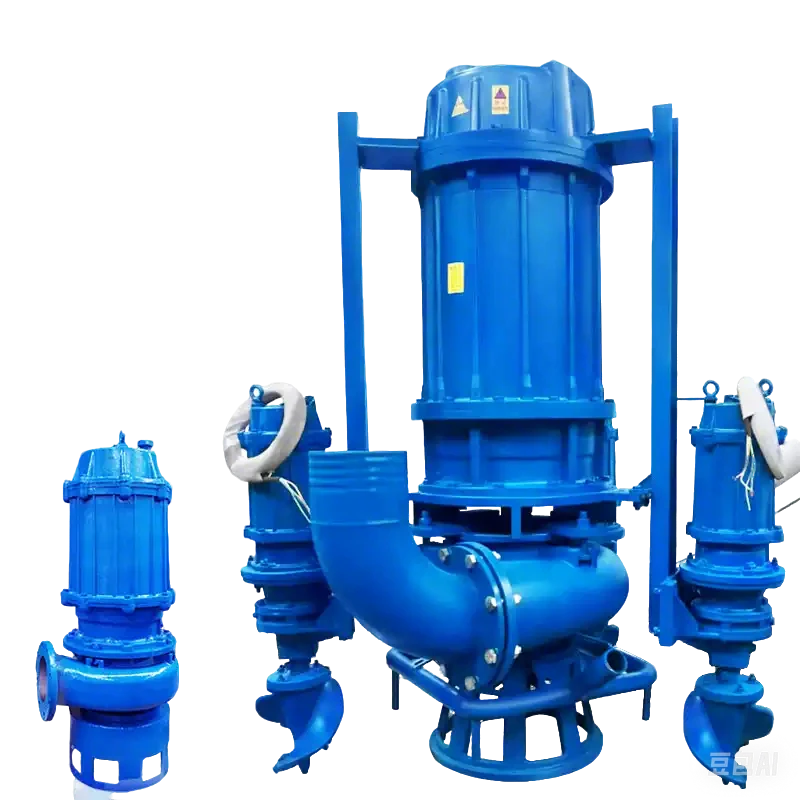
Introduction
Froth centrifugal slurry pumps are critical components in mineral processing, particularly in froth flotation circuits. These pumps are specifically designed to handle low-solids, high-air-content slurries – the froth concentrate generated during flotation – with minimal shear, preventing bubble breakage and maximizing recovery of valuable minerals. Unlike standard centrifugal slurry pumps optimized for abrasive solids, froth pumps prioritize gentle handling of aerated liquids. Their technical position in the industry chain lies downstream of the flotation cells, acting as the primary transport mechanism for the enriched froth product to subsequent stages of processing, such as thickening and refining. Core performance metrics include flow rate, head pressure, air-handling capacity, and the maintenance of froth stability. The industry faces ongoing challenges with pump cavitation due to varying froth densities and air entrainment, impeller erosion caused by entrained solids, and energy efficiency concerns associated with handling low-density fluids.
Material Science & Manufacturing
The construction of froth centrifugal slurry pumps demands careful material selection to resist corrosion and erosion. Impellers and casings are frequently manufactured from high-chromium cast iron (typically 19%Cr-13%Ni alloys like A532 Grade 1A) for its excellent abrasion resistance, crucial given the presence of entrained solids even in froth concentrate. Alternatively, duplex stainless steels (e.g., 2205, 2507) or super austenitic stainless steels are employed in highly corrosive environments, particularly those dealing with sulfide minerals and acidic leach solutions. Shafts are typically made from high-strength alloy steel (e.g., 4140, 4340) and hardened to minimize bending and torsional stresses. Seals are often composed of silicon carbide or tungsten carbide materials for superior wear resistance against abrasive particles. The manufacturing process typically involves investment casting for complex impeller geometries, followed by precision machining to achieve tight tolerances and surface finishes. Welding, using processes like shielded metal arc welding (SMAW) or gas tungsten arc welding (GTAW) with appropriate filler metals (e.g., ER309, ER316), is critical for casing assembly. Key parameter control during manufacturing centers around impeller balancing to minimize vibration, casing dimensional accuracy to ensure proper volute geometry and efficient flow, and weld quality inspection using non-destructive testing (NDT) methods like radiographic testing (RT) and ultrasonic testing (UT).
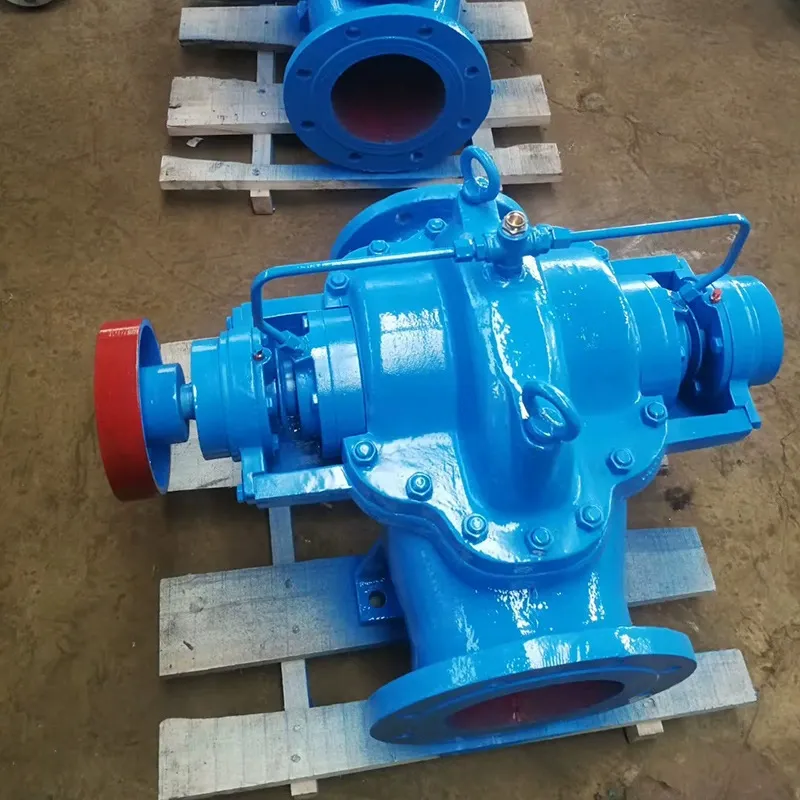
Performance & Engineering
Froth pump performance is intrinsically linked to fluid dynamics and the unique characteristics of aerated slurries. Force analysis must consider not only the hydrostatic and hydrodynamic pressures but also the impact forces exerted by air bubbles. Impeller design is paramount; open or semi-open impeller designs are favored to minimize shear and turbulence, preserving froth bubble size. The specific speed of the impeller is optimized for low head and high flow rates, reflecting the low density and viscous nature of froth. Environmental resistance is a major concern, particularly corrosion from process chemicals and atmospheric exposure. Coatings, such as epoxy or polyurethane linings, are frequently applied to the casing interior to provide an additional barrier against corrosion. Compliance requirements vary based on the application and geographic location. Pumps intended for hazardous locations must meet ATEX or IECEx standards for explosion protection. Hydraulic efficiency is crucial for minimizing energy consumption. The pump's performance curve is carefully characterized to determine the best operating point, maximizing efficiency while maintaining froth stability. Cavitation is a significant risk; net positive suction head required (NPSHr) must be carefully calculated and matched to the available NPSHa to prevent impeller damage and performance degradation. Air handling capacity is assessed through extensive testing, measuring the pump’s ability to maintain flow rate and head pressure with varying air volume fractions.
Technical Specifications
| Capacity (m³/hr) | Head (m) | Motor Power (kW) | Maximum Solids Concentration (%) | Air Volume Fraction (%) | Impeller Diameter (mm) |
|---|---|---|---|---|---|
| 50 – 500 | 10 – 40 | 3 – 22 | 5 – 15 | 20 – 60 | 150 – 400 |
| 100 – 800 | 20 – 60 | 7.5 – 37 | 3 – 10 | 30 – 70 | 200 – 500 |
| 200 – 1200 | 30 – 80 | 15 – 55 | 1 – 8 | 40 – 80 | 250 – 600 |
| 300 – 1500 | 40 – 100 | 30 – 75 | 0.5 – 5 | 50 – 85 | 300 – 700 |
| 400 – 2000 | 50 – 120 | 55 – 110 | 0.2 – 3 | 60 – 90 | 350 – 800 |
| 600 – 2500 | 60 – 150 | 75 – 150 | 0.1 – 2 | 70 – 95 | 400 – 900 |
Failure Mode & Maintenance
Froth centrifugal slurry pumps are susceptible to several failure modes. Cavitation, induced by insufficient NPSHa, causes pitting and erosion of the impeller, significantly reducing pump performance. Impeller erosion due to entrained solids, even at low concentrations, is also common. Mechanical seal failure, often stemming from abrasive wear or chemical attack, results in leakage and downtime. Bearing failure, typically from inadequate lubrication or overload, leads to increased vibration and eventual pump seizure. Fatigue cracking in the casing or impeller can occur due to cyclic loading and stress concentrations. Degradation of elastomer components (e.g., liners, seals) due to chemical exposure or temperature extremes reduces their effectiveness and compromises pump integrity. Oxidation of metallic components, particularly in humid environments, can lead to corrosion and weakening of structural elements. Preventative maintenance is crucial. Regular visual inspections for leaks, vibration, and unusual noise are essential. Scheduled bearing lubrication and seal replacement are vital. Periodic impeller inspection and balancing minimize vibration and maximize efficiency. Casing inspections for corrosion and erosion are recommended, with appropriate repairs or coatings applied as needed. Monitoring of pump performance parameters (flow rate, head, power consumption) provides early warning of potential issues. Implementing a robust vibration analysis program can identify developing mechanical problems before they lead to catastrophic failure.
Industry FAQ
Q: What differentiates a froth pump from a standard centrifugal slurry pump, and why is this difference critical in flotation circuits?
A: Froth pumps are specifically designed to minimize shear on the air bubbles within the froth concentrate. Standard slurry pumps, optimized for high solids content, generate significant shear, collapsing the bubbles and reducing mineral recovery. The impeller design, casing geometry, and operating speed of a froth pump are all optimized for gentle handling of aerated liquids.
Q: What materials are best suited for handling corrosive froth concentrates, such as those containing sulfide minerals?
A: Duplex stainless steels (e.g., 2205, 2507) and super austenitic stainless steels are preferred for highly corrosive environments. High-chromium cast iron can also be used, but its corrosion resistance is limited, and a protective lining (e.g., epoxy, polyurethane) is often necessary.
Q: How do I troubleshoot cavitation issues in a froth pump?
A: Cavitation is typically caused by insufficient NPSHa. Verify that the suction piping is properly sized and free of restrictions. Ensure that the pump is not operating at too high a suction lift. Consider lowering the pump’s speed or increasing the suction pressure.
Q: What is the typical lifespan of a mechanical seal in a froth pump application?
A: Mechanical seal lifespan varies significantly based on the solids content, chemical composition, and operating conditions. Typically, seals last between 6 to 18 months. Regular inspection and prompt replacement are crucial to prevent leakage and downtime.
Q: What maintenance practices are most effective in preventing premature pump failure?
A: Implementing a proactive maintenance schedule including regular lubrication of bearings, inspection and replacement of seals, impeller balancing, vibration analysis, and monitoring of pump performance parameters (flow, head, power) is critical. Regularly inspect for casing corrosion and erosion.
Conclusion
Froth centrifugal slurry pumps represent a specialized but essential technology within mineral processing. Their unique design considerations, driven by the need to preserve froth stability and maximize mineral recovery, distinguish them from conventional slurry pump designs. Proper material selection, meticulous manufacturing practices, and proactive maintenance are paramount to ensuring reliable performance and minimizing operational costs.
The future of froth pump technology will likely focus on improving energy efficiency through optimized impeller designs and variable frequency drives, enhancing corrosion resistance through advanced materials and coatings, and implementing predictive maintenance strategies utilizing sensor data and machine learning algorithms. A deeper understanding of froth rheology and the impact of air bubble size distribution will also contribute to the development of more effective pump designs.
-
pump for sewage water Performance Analysis
News2026-05-23
-
plumbing sewage ejector pump Performance Engineering
News2026-05-23
-
home sewer pump station Performance and Engineering
News2026-05-23
-
high pressure sump pump Performance Analysis
News2026-05-23
-
high head effluent pump Performance Analysis
News2026-05-23
-
Effluent vs Sump Pump Performance Analysis
News2026-05-22
-
effluent septic pump Performance Engineering
News2026-05-22
-
best sewer pumps Performance Engineering
News2026-05-22
-
best sewer pump Performance Analysis
News2026-05-22
-
best sewage pumps Performance Engineering
News2026-05-22
-
basement bathroom sewage pump Material Science Manufacturing
News2026-05-21
-
wastewater treatment plant pumps Material Science Manufacturing
News2026-05-21
-
waste water pump for basement Material Science Manufacturing
News2026-05-21
-
sump pump sewage Performance Analysis
News2026-05-21
-
sump pump for sewage Material Science and Manufacturing
News2026-05-21




