English
- Afrikaans
- Albanian
- Amharic
- Arabic
- Armenian
- Azerbaijani
- Basque
- Belarusian
- Bengali
- Bosnian
- Bulgarian
- Catalan
- Cebuano
- Corsican
- Croatian
- Czech
- Danish
- Dutch
- English
- Esperanto
- Estonian
- Finnish
- French
- Frisian
- Galician
- Georgian
- German
- Greek
- Gujarati
- Haitian Creole
- hausa
- hawaiian
- Hebrew
- Hindi
- Miao
- Hungarian
- Icelandic
- igbo
- Indonesian
- irish
- Italian
- Japanese
- Javanese
- Kannada
- kazakh
- Khmer
- Rwandese
- Korean
- Kurdish
- Kyrgyz
- Lao
- Latin
- Latvian
- Lithuanian
- Luxembourgish
- Macedonian
- Malgashi
- Malay
- Malayalam
- Maltese
- Maori
- Marathi
- Mongolian
- Myanmar
- Nepali
- Norwegian
- Norwegian
- Occitan
- Pashto
- Persian
- Polish
- Portuguese
- Punjabi
- Romanian
- Russian
- Samoan
- Scottish Gaelic
- Serbian
- Sesotho
- Shona
- Sindhi
- Sinhala
- Slovak
- Slovenian
- Somali
- Spanish
- Sundanese
- Swahili
- Swedish
- Tagalog
- Tajik
- Tamil
- Tatar
- Telugu
- Thai
- Turkish
- Turkmen
- Ukrainian
- Urdu
- Uighur
- Uzbek
- Vietnamese
- Welsh
- Bantu
- Yiddish
- Yoruba
- Zulu

Telephone: +86 13120555503
Email: frank@cypump.com


Apr . 01, 2024 17:55 Back to list
front liner for slurry pump factory Performance Analysis
Introduction
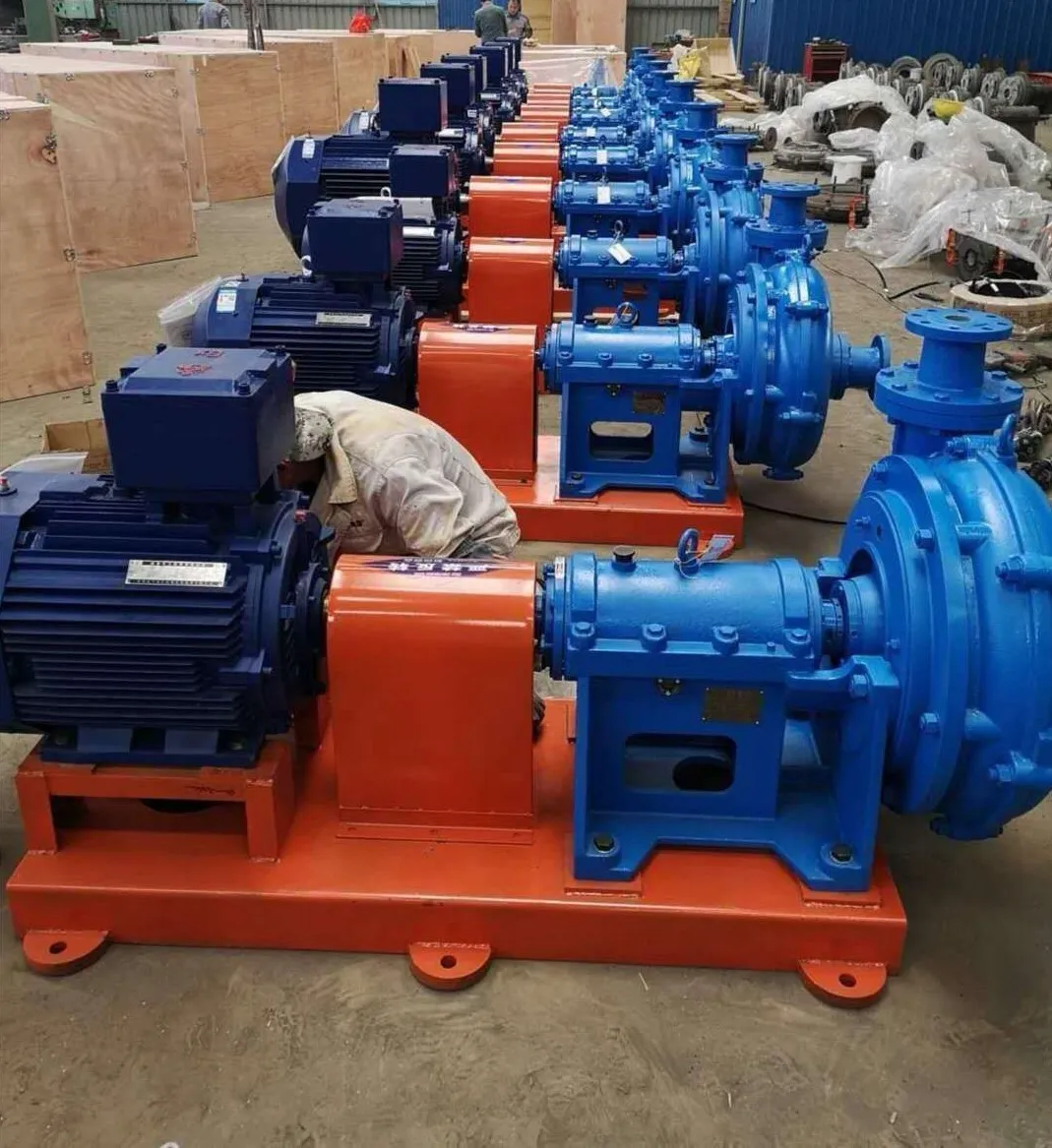
Front liners for slurry pumps are critical wear components designed to protect the pump casing from the abrasive and erosive effects of transported slurries. These liners, typically fabricated from high-hardness materials, extend the operational life of slurry pumps significantly, reducing downtime and maintenance costs. Their technical position within the industrial chain lies immediately downstream of materials manufacturing (e.g., alloy casting, ceramic forming) and upstream of slurry processing applications across various sectors, including mining, wastewater treatment, chemical processing, and dredging. Core performance characteristics encompass wear resistance, impact strength, and compatibility with the chemical composition of the slurry being handled. Effective front liner selection is paramount, as improper material choice leads to accelerated degradation and pump failure, directly impacting process efficiency and profitability. This guide provides a comprehensive technical overview of front liners, encompassing material science, manufacturing processes, performance engineering, failure modes, and industry best practices.
Material Science & Manufacturing
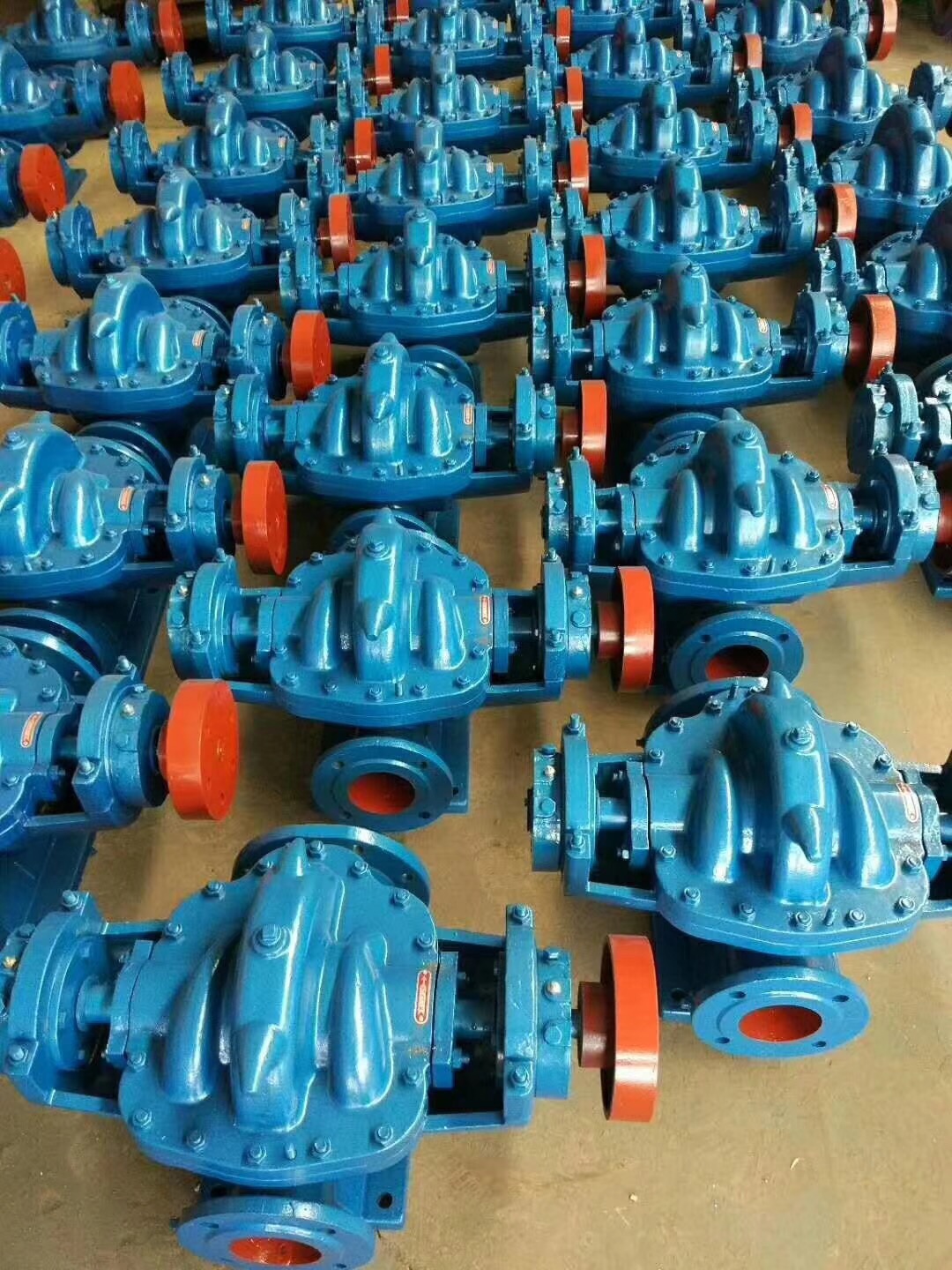
Front liners are commonly manufactured from a diverse range of materials, each possessing distinct physical and chemical properties. High-chromium cast irons (typically 13-30% Cr) represent a cost-effective solution, offering good abrasion resistance due to the formation of hard chromium carbides during solidification. However, these materials exhibit limited toughness and are susceptible to corrosion in acidic environments. Ceramic materials, such as alumina (Al2O3) and zirconia (ZrO2), provide superior hardness and wear resistance, especially in highly abrasive applications. However, ceramics are inherently brittle and require careful handling during installation and operation to avoid cracking. Polymer-based liners, including polyurethane and rubber, are employed for applications involving lower abrasive slurries or as a cushioning layer to reduce impact forces. These materials offer excellent impact resistance but exhibit lower abrasion resistance compared to metals and ceramics. Manufacturing processes vary depending on the material. Cast iron liners are produced via sand casting, utilizing patterns to create the desired shape. Ceramic liners are typically formed through pressing, sintering, or slip casting. Polymer liners are often produced through injection molding or casting. Key parameters during manufacturing include control of chemical composition (for metal alloys), sintering temperature and time (for ceramics), and mold temperature and pressure (for polymers). Precise control of these parameters is crucial to achieve the desired microstructure and mechanical properties, maximizing liner performance and longevity. Post-processing steps such as heat treatment (for cast irons) and glazing (for ceramics) further enhance material properties and surface finish.
Performance & Engineering
The performance of front liners is critically linked to their ability to withstand the combined stresses of abrasion, erosion, impact, and corrosion. Force analysis during slurry pump operation reveals that liners are subjected to both static and dynamic loads. Static loads arise from the weight of the slurry and the hydrostatic pressure within the pump casing. Dynamic loads are induced by the impact of abrasive particles and turbulent flow. Liner thickness and geometry play a crucial role in distributing these stresses and preventing premature failure. Environmental resistance is another key consideration. Exposure to corrosive slurries can lead to material degradation, reducing liner thickness and weakening its structural integrity. Material selection must consider the pH, salinity, and chemical composition of the slurry. Compliance requirements vary depending on the application and geographical location. For instance, liners used in the food and beverage industry must meet FDA standards for material safety. Liners employed in hazardous environments may require ATEX certification to prevent ignition of flammable materials. Functional implementation involves the secure attachment of liners to the pump casing, typically through welding, bolting, or adhesive bonding. The chosen attachment method must provide a robust and leak-proof seal, preventing slurry bypass and maintaining pump efficiency. Finite element analysis (FEA) is often employed during the design phase to optimize liner geometry, predict stress distributions, and ensure structural integrity under operating conditions.
Technical Specifications
| Material | Hardness (BHN) | Impact Strength (J) | Corrosion Resistance (pH Range) |
|---|---|---|---|
| High-Chromium Cast Iron (20% Cr) | 500-700 | 15-25 | 6-9 |
| Alumina (Al2O3) Ceramic | 1400-1800 | 5-10 | 1-14 |
| Zirconia (ZrO2) Ceramic | 1200-1600 | 10-15 | 1-14 |
| Polyurethane (85A Durometer) | 60-80 | 80-120 | 5-10 |
| Natural Rubber (70 Shore A) | 40-60 | 100-150 | 4-9 |
| Silicon Carbide (SiC) | 2000-2500 | 8-12 | 1-14 |
Failure Mode & Maintenance
Front liners are susceptible to several failure modes, depending on the operating conditions and material selection. Abrasion is the most common failure mechanism, resulting in gradual material loss due to the impact of abrasive particles. Erosion, caused by high-velocity slurry flow, also contributes to material removal. Impact cracking occurs when liners are subjected to sudden, localized forces. Corrosion can significantly accelerate liner degradation, especially in aggressive chemical environments. Fatigue cracking may develop in liners subjected to cyclical loading. Delamination, a separation of layers in composite liners, can compromise structural integrity. Oxidation, especially at elevated temperatures, can lead to material embrittlement. Preventative maintenance is crucial to maximize liner lifespan. Regular inspections should be conducted to identify signs of wear, cracking, or corrosion. Prompt replacement of worn or damaged liners is essential to prevent pump failure. Surface preparation prior to liner installation is critical to ensure proper adhesion and prevent premature debonding. Proper slurry handling practices, such as controlling flow velocity and minimizing the concentration of abrasive particles, can also extend liner life. When replacing liners, it is recommended to examine the wear pattern to identify the root cause of failure and select a more appropriate material for future installations.
Industry FAQ
Q: What is the primary difference between using a high-chromium cast iron liner versus a ceramic liner in a high-abrasion application?
A: While both offer excellent abrasion resistance, ceramic liners generally provide superior hardness and resistance to abrasive wear, especially in applications with very fine particles. However, ceramic liners are brittle and more susceptible to impact damage. High-chromium cast irons offer better impact resistance but wear more quickly in highly abrasive environments. The best choice depends on the specific slurry characteristics (particle size, shape, concentration) and the expected impact forces.
Q: How does slurry velocity affect the lifespan of a front liner?
A: Higher slurry velocities significantly increase the rate of erosion and abrasion, reducing liner lifespan. Erosion is a direct function of velocity; increasing velocity exponentially increases material removal. It's crucial to operate the pump within the recommended velocity range specified by the manufacturer.
Q: What are the key considerations when selecting a liner material for a slurry containing highly corrosive chemicals?
A: Material compatibility is paramount. The liner material must be resistant to corrosion by the specific chemicals present in the slurry. Consider the pH, concentration, and temperature of the slurry. Ceramic and certain polymer materials often exhibit better corrosion resistance than cast irons, but specific chemical resistance data should be consulted for each material.
Q: What are the best practices for installing front liners to ensure a secure and leak-proof fit?
A: Proper surface preparation is essential. The pump casing surface must be clean, dry, and free of any contaminants. Follow the manufacturer's recommended bonding procedure (welding, bolting, or adhesive bonding). Ensure adequate clamping force or weld penetration to create a strong, leak-proof seal. Inspect the installation for any gaps or voids.
Q: Can liners be repaired if they develop minor cracks or wear spots?
A: Minor cracks can sometimes be repaired using specialized welding or epoxy techniques, but the repair’s integrity must be carefully assessed. Extensive wear spots or significant cracking typically necessitate liner replacement, as repairs may not provide adequate long-term reliability.
Conclusion
The selection and implementation of appropriate front liners are fundamental to maximizing the operational efficiency and longevity of slurry pumps. Understanding the interplay between material science, manufacturing processes, performance engineering, and failure modes is crucial for making informed decisions. Careful consideration of slurry characteristics, operating conditions, and regulatory requirements ensures optimal liner performance and minimizes lifecycle costs.
Continued advancements in materials technology and pump design are driving the development of more durable and efficient front liner solutions. Future trends include the use of advanced ceramics, nanocomposites, and surface coatings to enhance wear resistance and corrosion protection. Furthermore, predictive maintenance strategies, leveraging sensor data and machine learning algorithms, will enable proactive liner replacement, minimizing downtime and optimizing pump performance.
-
Effluent vs Sump Pump Performance Analysis
News2026-05-22
-
effluent septic pump Performance Engineering
News2026-05-22
-
best sewer pumps Performance Engineering
News2026-05-22
-
best sewer pump Performance Analysis
News2026-05-22
-
best sewage pumps Performance Engineering
News2026-05-22
-
basement bathroom sewage pump Material Science Manufacturing
News2026-05-21
-
wastewater treatment plant pumps Material Science Manufacturing
News2026-05-21
-
waste water pump for basement Material Science Manufacturing
News2026-05-21
-
sump pump sewage Performance Analysis
News2026-05-21
-
sump pump for sewage Material Science and Manufacturing
News2026-05-21
-
sump pump for septic systems Material Science Manufacturing
News2026-05-20
-
sump pump and ejector pump Material Science Manufacturing
News2026-05-20
-
sewage treatment plant pumps Performance Analysis
News2026-05-20
-
sewage tank pump Material Science and Manufacturing
News2026-05-20
-
sewage pump for septic tank Performance Analysis
News2026-05-20




