English
- Afrikaans
- Albanian
- Amharic
- Arabic
- Armenian
- Azerbaijani
- Basque
- Belarusian
- Bengali
- Bosnian
- Bulgarian
- Catalan
- Cebuano
- Corsican
- Croatian
- Czech
- Danish
- Dutch
- English
- Esperanto
- Estonian
- Finnish
- French
- Frisian
- Galician
- Georgian
- German
- Greek
- Gujarati
- Haitian Creole
- hausa
- hawaiian
- Hebrew
- Hindi
- Miao
- Hungarian
- Icelandic
- igbo
- Indonesian
- irish
- Italian
- Japanese
- Javanese
- Kannada
- kazakh
- Khmer
- Rwandese
- Korean
- Kurdish
- Kyrgyz
- Lao
- Latin
- Latvian
- Lithuanian
- Luxembourgish
- Macedonian
- Malgashi
- Malay
- Malayalam
- Maltese
- Maori
- Marathi
- Mongolian
- Myanmar
- Nepali
- Norwegian
- Norwegian
- Occitan
- Pashto
- Persian
- Polish
- Portuguese
- Punjabi
- Romanian
- Russian
- Samoan
- Scottish Gaelic
- Serbian
- Sesotho
- Shona
- Sindhi
- Sinhala
- Slovak
- Slovenian
- Somali
- Spanish
- Sundanese
- Swahili
- Swedish
- Tagalog
- Tajik
- Tamil
- Tatar
- Telugu
- Thai
- Turkish
- Turkmen
- Ukrainian
- Urdu
- Uighur
- Uzbek
- Vietnamese
- Welsh
- Bantu
- Yiddish
- Yoruba
- Zulu

Telephone: +86 13120555503
Email: frank@cypump.com


Apr . 01, 2024 17:55 Back to list
flue gas desulfurization pump Performance Analysis
Introduction
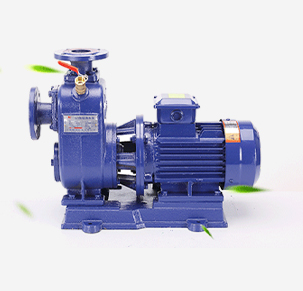
The flue gas desulfurization (FGD) pump is a critical component in air pollution control systems, specifically designed for the demanding task of circulating absorbent slurries – typically limestone or lime – used to remove sulfur dioxide (SO₂) from exhaust gases generated by power plants, industrial boilers, and other combustion processes. Positioned within the broader industrial pump market, FGD pumps are distinguished by their robust construction, resistance to abrasive and corrosive slurries, and high-volume, low-head pumping characteristics. Core performance centers around maintaining consistent slurry flow to the desulfurization tower, ensuring optimal SO₂ removal efficiency and adherence to stringent environmental regulations. These pumps must operate reliably under continuous, harsh conditions, often involving elevated temperatures and varying slurry densities. A key pain point in the industry revolves around pump reliability and minimizing downtime, as failures directly impact plant operational costs and environmental compliance. The selection of appropriate materials and pump design is paramount for longevity and consistent performance.
Material Science & Manufacturing
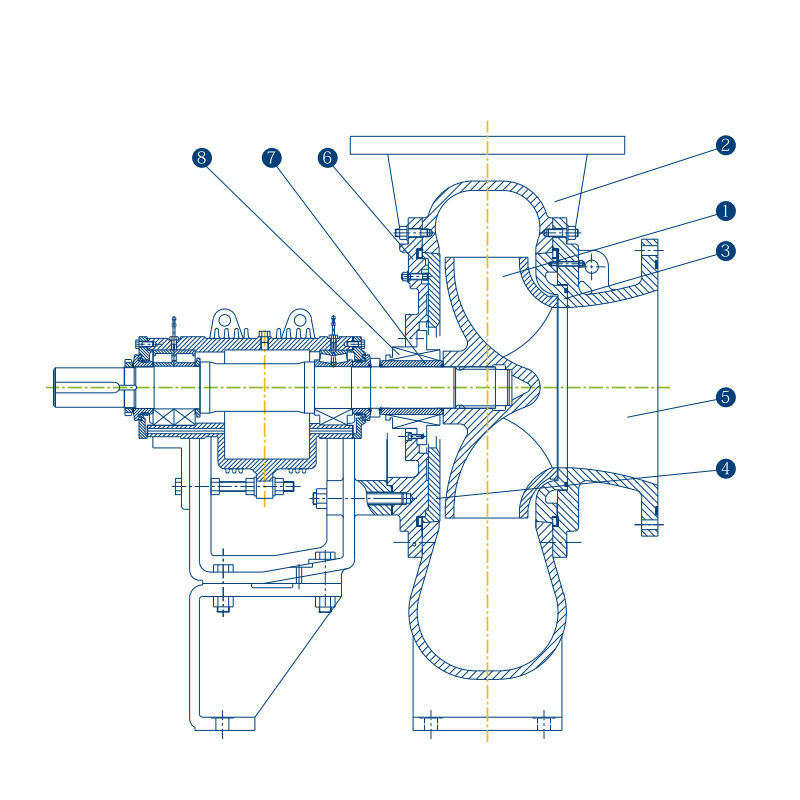
FGD pump construction necessitates materials capable of withstanding highly corrosive and abrasive environments. Pump housings are commonly manufactured from duplex stainless steels (e.g., 2205, 2507) or specialized high-nickel alloys (e.g., Alloy 20) due to their superior resistance to chloride-induced pitting and crevice corrosion, prevalent in FGD systems. Impellers and wear plates frequently utilize erosion-resistant materials like high-chrome iron alloys, ceramic linings, or polyurethane elastomers to counteract slurry abrasion. Shaft materials typically employ martensitic stainless steels (e.g., 410, 420) hardened for high wear resistance. Manufacturing processes for pump housings often involve sand casting or investment casting, followed by meticulous heat treatment to achieve the desired mechanical properties. Impellers are frequently produced through centrifugal casting to ensure dimensional accuracy and integrity. Key parameter control during manufacturing focuses on maintaining tight tolerances for impeller balance to minimize vibration, ensuring precise alignment of rotating components to reduce bearing load, and implementing rigorous quality control procedures for weld integrity, particularly in fabricated components. Slurry composition, temperature, and solids concentration are critical factors considered during material selection and process parameter control. Sealing systems require advanced mechanical seals constructed from silicon carbide or tungsten carbide faces to prevent slurry leakage and maintain pump efficiency.
Performance & Engineering
The performance of FGD pumps is heavily influenced by slurry rheology and flow dynamics. Pump selection requires a thorough understanding of the slurry’s non-Newtonian behavior, solid particle size distribution, and solids loading. Force analysis considers hydrostatic pressure, impeller centrifugal force, and fluid drag. Cavitation is a significant concern, particularly at higher slurry velocities; careful impeller design and Net Positive Suction Head Required (NPSHr) calculations are crucial to prevent performance degradation and pump damage. Environmental resistance is paramount, given the corrosive nature of FGD slurries. Pump designs incorporate features like double mechanical seals with barrier fluid systems and corrosion-resistant coatings to mitigate leakage and extend service life. Compliance requirements, dictated by environmental regulations (e.g., EPA, EU directives), necessitate reliable pump operation and minimal emissions. Functional implementation involves integrating the pump into the overall FGD system, coordinating flow rates with desulfurization tower capacity, and incorporating control systems for automated operation and performance monitoring. The pump’s hydraulic performance curve (head vs. flow rate) is matched to the system resistance curve to ensure optimal operation at the desired flow rate. Furthermore, the pumps are designed to accommodate potential fluctuations in slurry density and flow rate caused by varying SO₂ concentrations in the flue gas.
Technical Specifications
| Parameter | Unit | Typical Value (Limestone Slurry) | Typical Value (Lime Slurry) |
|---|---|---|---|
| Flow Rate | m³/h | 500-2500 | 300-1800 |
| Total Dynamic Head | m | 20-80 | 15-60 |
| Slurry Specific Gravity | - | 1.4-1.6 | 1.2-1.4 |
| Slurry Solids Concentration | % by weight | 30-50 | 15-30 |
| Operating Temperature | °C | 40-80 | 40-80 |
| Pump Material (Housing) | - | Duplex Stainless Steel (2205) | Alloy 20 |
Failure Mode & Maintenance
FGD pumps are susceptible to several failure modes. Abrasion of impellers and wear plates by solid particles in the slurry is a primary concern, leading to reduced pump efficiency and increased power consumption. Corrosion, particularly chloride-induced stress corrosion cracking, can compromise pump housing integrity. Cavitation, caused by insufficient NPSH, erodes impeller surfaces and reduces pump performance. Mechanical seal failures are common, resulting in slurry leakage and potential environmental contamination. Bearing failures can occur due to excessive load, improper lubrication, or contamination. Failure analysis typically involves visual inspection, non-destructive testing (NDT) such as ultrasonic testing and radiography, and metallurgical analysis of failed components. Preventive maintenance is crucial. This includes regular inspection of impellers, wear plates, and seals; lubrication of bearings; monitoring vibration levels; and periodic slurry analysis to assess abrasiveness and corrosivity. Replacement of wear parts based on operating hours and performance monitoring is essential. Implementing a robust condition monitoring program, including vibration analysis and thermal imaging, can proactively identify potential failures before they occur. Periodic flushing of pump casings to remove accumulated solids also contributes to extended pump life.
Industry FAQ
Q: What is the impact of varying slurry solids concentration on pump performance?
A: Increasing slurry solids concentration directly increases slurry viscosity and density. This leads to a reduction in pump flow rate for a given head, and an increase in power consumption. Pumps must be properly sized to handle the expected range of solids concentrations. Operation outside of the designed solids concentration range can lead to cavitation, increased abrasion, and reduced pump life. Furthermore, the pump’s NPSHr will increase with higher solids content, requiring careful consideration of suction conditions.
Q: How does the chemical composition of the flue gas affect pump material selection?
A: The presence of chlorides, fluorides, and other aggressive chemicals in the flue gas significantly influences pump material selection. Chlorides are particularly notorious for causing pitting and stress corrosion cracking in stainless steels. Higher concentrations of these chemicals necessitate the use of more corrosion-resistant alloys, such as high-nickel alloys or specialized duplex stainless steels. Regular monitoring of flue gas composition is essential to proactively adjust pump materials or implement corrosion mitigation strategies.
Q: What are the key considerations for mechanical seal selection in FGD applications?
A: Mechanical seal selection requires careful consideration of slurry abrasiveness, corrosivity, and operating temperature. Double mechanical seals with a barrier fluid system are commonly employed to provide redundant sealing and prevent slurry leakage. Seal face materials, such as silicon carbide or tungsten carbide, must be highly resistant to abrasion and corrosion. The barrier fluid system should be designed to maintain positive pressure in the seal chamber and provide lubrication. Regular monitoring of barrier fluid pressure and leakage is crucial.
Q: What are the best practices for minimizing cavitation in FGD pumps?
A: Minimizing cavitation involves ensuring sufficient NPSH available (NPSHa) at the pump suction. This can be achieved by optimizing pump location, increasing suction pipe diameter, reducing suction pipe length, and minimizing elevation differences. Proper impeller design, with optimized blade angles and surface finish, also contributes to cavitation prevention. Regular monitoring of pump suction pressure and vibration levels can provide early warning signs of cavitation.
Q: How important is vibration analysis for predictive maintenance of FGD pumps?
A: Vibration analysis is a critical component of a predictive maintenance program for FGD pumps. Changes in vibration frequency and amplitude can indicate developing problems such as impeller imbalance, bearing wear, misalignment, or cavitation. Regular vibration monitoring allows for early detection of these issues, enabling proactive maintenance interventions and preventing catastrophic failures. Trending vibration data over time provides valuable insights into pump health and performance.
Conclusion
The flue gas desulfurization pump represents a highly engineered solution tailored to the rigorous demands of air pollution control. Successful operation hinges on careful material selection, precise manufacturing processes, and a thorough understanding of slurry rheology and flow dynamics. Minimizing downtime and maximizing pump life requires proactive maintenance strategies, including regular inspection, lubrication, and condition monitoring.
Continued advancements in pump design, materials science, and condition monitoring technologies will further enhance the reliability and efficiency of FGD pumps, contributing to improved environmental performance and reduced operating costs in power generation and industrial processing facilities. The selection process must prioritize a holistic approach considering not only initial cost but also long-term operational efficiency and environmental compliance.
-
Precision at the Pump: How Better Machining Protects Flow and Uptime
News2026-11-20
-
Why Pump Reliability Begins Before the First Drop of Fluid
News2026-11-20
-
Beyond the Pump: Designing Safer Access Around Critical Water Infrastructure
News2026-11-20
-
Why Pumping Stations Depend on the Infrastructure Beneath the Pumps
News2026-11-20
-
Beyond the Pump Room: How Smarter Loading Protects Industrial Equipment
News2026-11-19
-
When Pumps Stop: Designing More Resilient Power for Critical Pumping Systems
News2026-11-19
-
The Hidden Role of Dust and Gas Monitoring in Reliable Pump Operations
News2026-11-19
-
The Hidden Role of Mineral Compounds in Extending Industrial Pump Lifespan
News2026-10-12
-
Why Pump System Reliability Depends on Precision Hose Assembly Methods
News2026-09-15
-
How Advanced Imaging Films Are Transforming Pump Component Quality Control
News2026-08-25
-
How Advanced Filtration Protects Pump Systems from Premature Wear and Costly Downtime
News2026-08-25
-
How Steel Material Selection Drives Pump Reliability in Heavy-Duty Systems
News2026-08-25
-
Ensuring Pump System Efficiency: The Role of High-Quality Pipe Fittings and Tubing
News2026-08-24
-
Optimizing Fluid Dynamics and Material Consistency in Industrial Processing
News2026-08-18
-
Innovations and Challenges in Hydraulic Systems for Heavy Machinery
News2026-08-13




