English
- Afrikaans
- Albanian
- Amharic
- Arabic
- Armenian
- Azerbaijani
- Basque
- Belarusian
- Bengali
- Bosnian
- Bulgarian
- Catalan
- Cebuano
- Corsican
- Croatian
- Czech
- Danish
- Dutch
- English
- Esperanto
- Estonian
- Finnish
- French
- Frisian
- Galician
- Georgian
- German
- Greek
- Gujarati
- Haitian Creole
- hausa
- hawaiian
- Hebrew
- Hindi
- Miao
- Hungarian
- Icelandic
- igbo
- Indonesian
- irish
- Italian
- Japanese
- Javanese
- Kannada
- kazakh
- Khmer
- Rwandese
- Korean
- Kurdish
- Kyrgyz
- Lao
- Latin
- Latvian
- Lithuanian
- Luxembourgish
- Macedonian
- Malgashi
- Malay
- Malayalam
- Maltese
- Maori
- Marathi
- Mongolian
- Myanmar
- Nepali
- Norwegian
- Norwegian
- Occitan
- Pashto
- Persian
- Polish
- Portuguese
- Punjabi
- Romanian
- Russian
- Samoan
- Scottish Gaelic
- Serbian
- Sesotho
- Shona
- Sindhi
- Sinhala
- Slovak
- Slovenian
- Somali
- Spanish
- Sundanese
- Swahili
- Swedish
- Tagalog
- Tajik
- Tamil
- Tatar
- Telugu
- Thai
- Turkish
- Turkmen
- Ukrainian
- Urdu
- Uighur
- Uzbek
- Vietnamese
- Welsh
- Bantu
- Yiddish
- Yoruba
- Zulu

Telephone: +86 13120555503
Email: frank@cypump.com


Apr . 01, 2024 17:55 Back to list
flowserve slurry pumps Performance Analysis
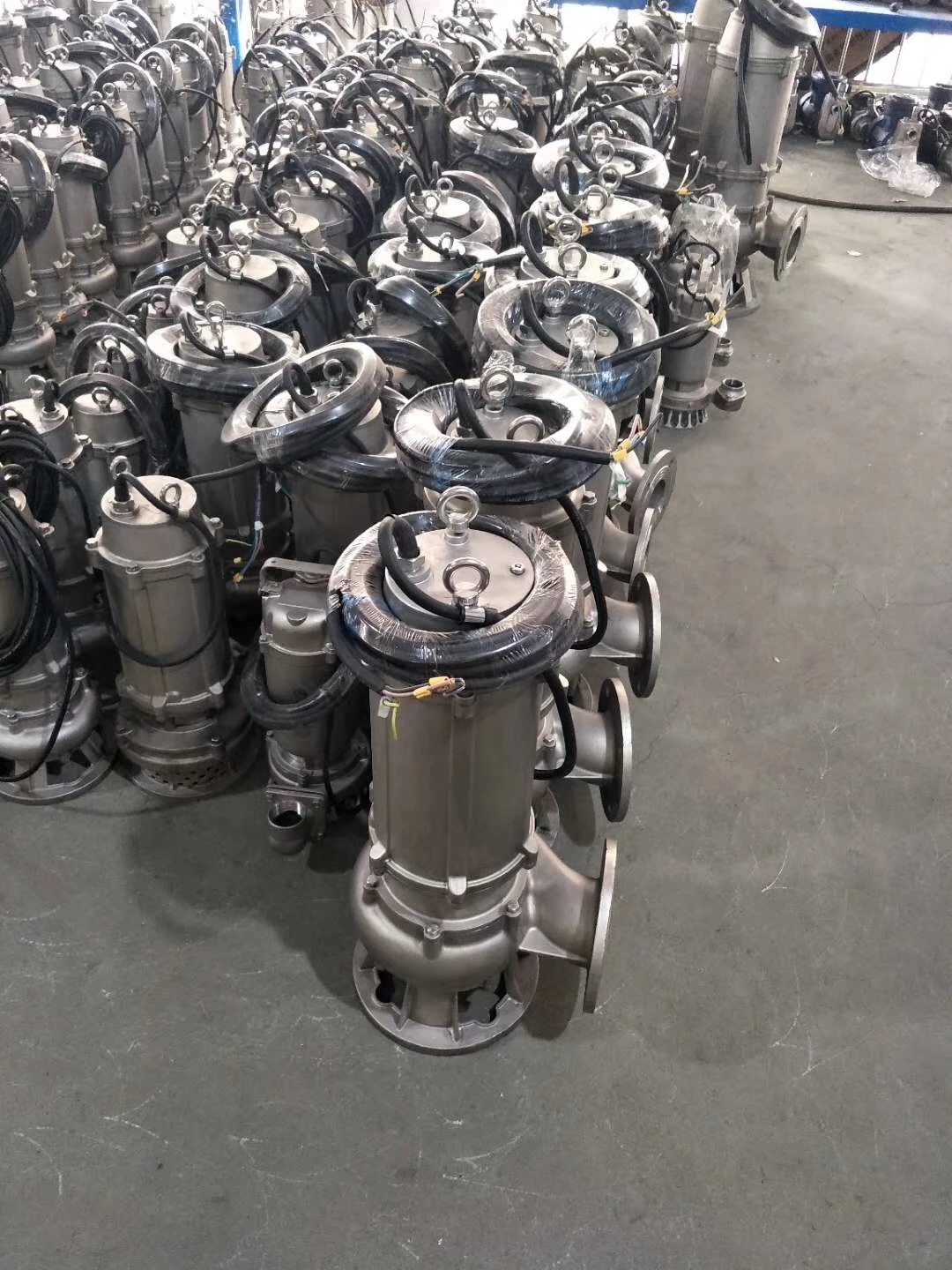
Introduction
Flowserve slurry pumps are critical components in a wide array of industrial processes involving abrasive and erosive materials. These pumps are specifically engineered for handling high concentrations of solid particles in liquids, finding applications in mining, mineral processing, chemical processing, power generation, and wastewater treatment. Unlike conventional centrifugal pumps, slurry pumps are designed to mitigate wear and maintain efficiency when conveying mixtures containing solids. Their technical position in the industry chain places them between the solid-liquid mixing/extraction stages and subsequent processing or disposal systems. Core performance characteristics include flow rate, head (pressure), solids handling capability, and wear resistance. Addressing the core pain point of premature pump failure due to abrasive wear, Flowserve designs emphasize robust construction, material selection, and hydraulic efficiency to maximize operational lifespan and minimize downtime. The pumps differ significantly from clear liquid pumps in their impeller design, casing materials, and sealing arrangements, all tailored to resist the specific challenges posed by slurry transport.
Material Science & Manufacturing
The performance and longevity of Flowserve slurry pumps are heavily dependent on the materials of construction and the precision of manufacturing processes. Pump casings are commonly manufactured from high-chrome iron alloys (typically containing 13-28% chromium) due to their exceptional abrasion resistance. Alternative materials include stainless steels (304, 316, duplex stainless steels) for corrosive environments, and rubber linings (natural rubber, EPDM) for applications involving highly abrasive and low-impact slurries. Impellers are similarly constructed from high-chrome iron, but also benefit from hardened alloys like A05, specifically developed for extreme wear resistance. Shafts are typically manufactured from alloy steels, heat-treated to achieve high tensile strength and torsional rigidity. Manufacturing processes vary depending on component size and complexity. Casings are often produced via sand casting, followed by heat treatment and machining to achieve precise dimensions and surface finishes. Impellers can be produced using investment casting for complex geometries, ensuring accurate blade profiles and minimizing material waste. Welding procedures, particularly for larger casing sections, are critical and must adhere to stringent quality control standards (AWS D1.1). The critical parameters controlled during manufacturing include material composition verification through spectroscopic analysis, hardness testing (Brinell, Vickers), dimensional accuracy via coordinate measuring machines (CMM), and non-destructive testing (NDT) such as radiographic inspection (RT) and ultrasonic testing (UT) to detect internal flaws. Proper heat treatment is vital to optimize material properties and minimize residual stresses. Chemical compatibility testing is performed to confirm resistance to the specific slurry composition.
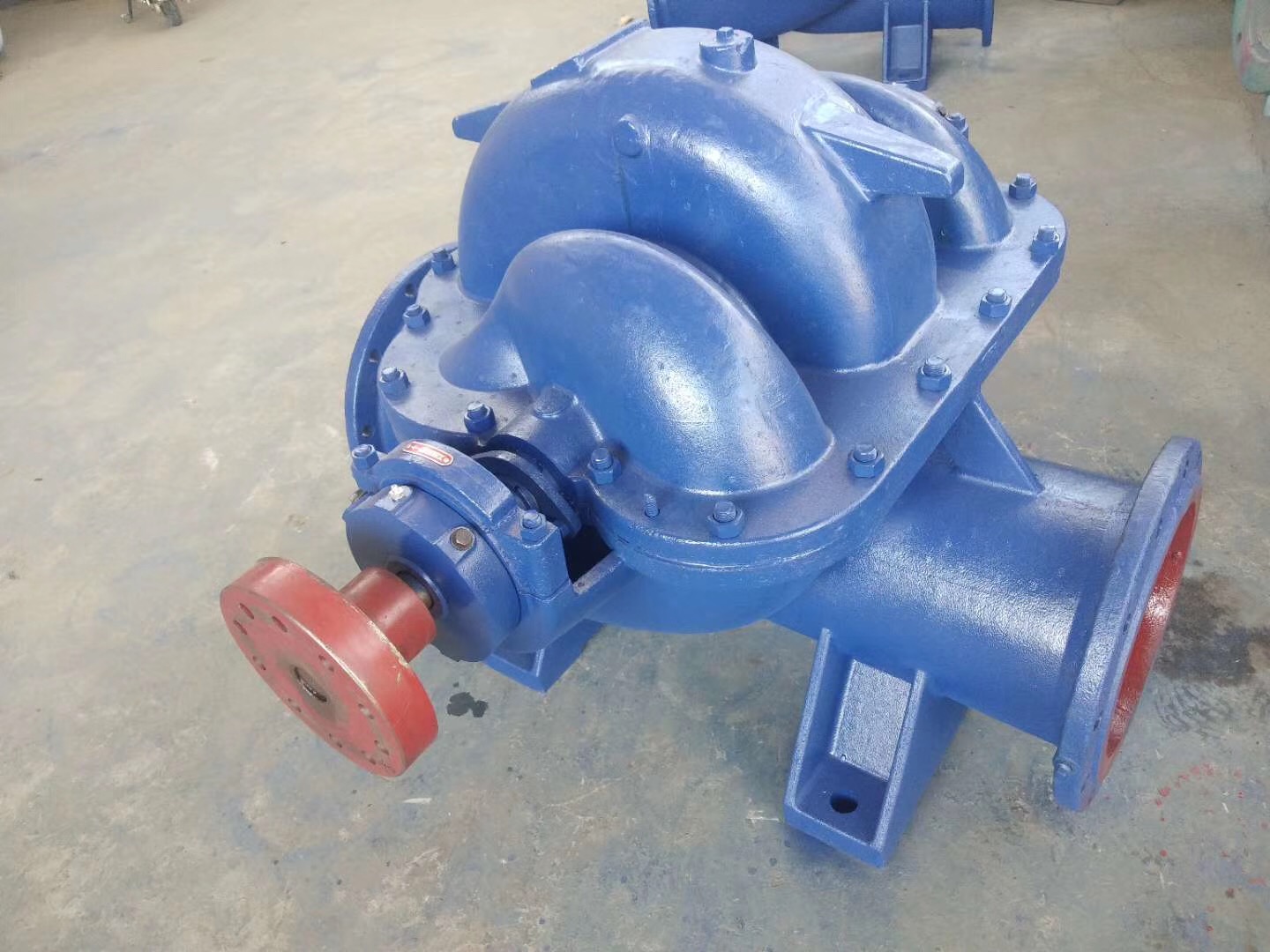
Performance & Engineering
The engineering of Flowserve slurry pumps centers on maximizing hydraulic efficiency while minimizing wear. The pump's performance is defined by its characteristic curves – head vs. flow rate, efficiency vs. flow rate, and power consumption vs. flow rate. These curves are influenced by impeller geometry, casing design, and rotational speed. Impeller design features include recessed impellers for handling stringy solids and high solids concentrations, and open impellers for increased solids passage. Casing designs incorporate wear plates and replaceable liners to protect critical surfaces from abrasion. Force analysis is crucial, especially regarding radial loads imposed by the impeller and slurry weight. Shafts and bearings must be adequately sized to withstand these loads and prevent premature failure. Environmental resistance is addressed through material selection and protective coatings. Pumps operating in corrosive environments require corrosion-resistant alloys or polymeric coatings. Compliance requirements are stringent, governed by standards such as Hydraulic Institute (HI) standards for pump performance testing and API 610 for centrifugal pump design and manufacturing. Sealing systems are designed to prevent leakage of the slurry, utilizing mechanical seals with double configurations for enhanced reliability and environmental protection. The selection of the appropriate seal material (e.g., silicon carbide, tungsten carbide) depends on the slurry’s abrasiveness and chemical properties. Hydraulic modeling (Computational Fluid Dynamics – CFD) is frequently used to optimize pump performance and predict wear patterns.
Technical Specifications
| Parameter | Unit | Range (Typical) | Notes |
|---|---|---|---|
| Flow Rate | m³/hr | 50 – 2000 | Varies by model and impeller size |
| Head (Pressure) | m | 10 – 100 | Dependent on impeller diameter and speed |
| Solids Handling Size | mm | Up to 100 | Maximum particle size the pump can pass |
| Solids Concentration (by weight) | % | Up to 70 | Varies with slurry characteristics |
| Power | kW | 2.2 – 355 | Depends on flow rate, head, and efficiency |
| Casing Material | - | High-Chrome Iron, Stainless Steel, Rubber Lined | Selected based on slurry corrosivity and abrasiveness |
Failure Mode & Maintenance
Flowserve slurry pumps, while robust, are susceptible to failure modes primarily driven by abrasive wear, erosion, and corrosion. A common failure mode is impeller wear, manifesting as reduced pump efficiency and flow rate. This occurs due to the high velocity impact of solid particles on the impeller vanes. Casing wear, particularly around the volute and wear plate areas, is another frequent issue. Mechanical seal failures are often attributed to abrasive particles infiltrating the seal faces, causing leakage. Bearing failures can result from excessive radial loads or inadequate lubrication. Fatigue cracking can occur in shafts and impellers due to cyclic loading. Degradation of rubber linings can happen due to chemical attack or prolonged exposure to high temperatures. Oxidation can affect metallic components, especially at elevated temperatures. Preventative maintenance is crucial. Regular inspections should focus on monitoring bearing temperatures and vibrations, checking for casing and impeller wear, and inspecting mechanical seals for leakage. Planned maintenance should include impeller and casing replacement at predetermined intervals, based on wear rates. Lubrication schedules must be strictly adhered to. Filtration of the slurry can help reduce the concentration of abrasive particles entering the pump. Regular alignment checks of the pump and motor are essential to minimize vibration and bearing wear. Consideration should be given to using hardfacing techniques on critical wear surfaces to extend component lifespan. Periodic pump performance testing can help identify early signs of degradation.
Industry FAQ
Q: What is the primary advantage of using a recessed impeller in a slurry pump compared to a closed impeller?
A: Recessed impellers provide a larger flow passage, significantly reducing the risk of clogging when handling slurries with high solids concentrations or containing stringy materials. Closed impellers are more efficient with clean liquids but are prone to blockage and increased wear when used with slurries.
Q: How do you select the appropriate casing material for a slurry pump handling a highly acidic slurry?
A: For highly acidic slurries, stainless steel alloys (like 316 or duplex stainless steel) or rubber linings with specific acid resistance (e.g., Hypalon) are recommended. The choice depends on the acid concentration, temperature, and the presence of abrasive particles. Consult a corrosion resistance chart and material compatibility studies.
Q: What are the common causes of premature mechanical seal failure in slurry pump applications?
A: Abrasive particles infiltrating the seal faces, improper seal selection for the slurry composition, misalignment between the pump and motor, and inadequate lubrication are common causes. Using double mechanical seals with a barrier fluid system can mitigate abrasive ingress and prolong seal life.
Q: How does the pump’s speed affect its wear rate when pumping abrasive slurries?
A: Increasing pump speed generally increases wear rates. Higher speeds lead to greater impact velocities of solid particles, accelerating erosion and abrasion. Operating at the lowest practical speed while achieving the desired flow rate minimizes wear.
Q: What are the key considerations when selecting a wear-resistant coating for pump components?
A: The slurry's abrasiveness, corrosivity, impact velocity, and temperature are critical. Coating options include hardfacing alloys, ceramic coatings, and polymeric coatings. Factors to consider are coating adhesion, hardness, erosion resistance, and compatibility with the slurry. Hardfacing is effective against abrasion, while ceramic coatings offer excellent corrosion resistance.
Conclusion
Flowserve slurry pumps represent a sophisticated engineering solution to the challenges of handling abrasive and erosive fluids in demanding industrial environments. Their performance is dictated by a complex interplay of material science, hydraulic design, and manufacturing precision. Selecting the correct pump configuration and materials for a specific application is paramount to ensuring long-term reliability and minimizing operating costs.
Future advancements will likely focus on developing more wear-resistant materials, optimizing impeller designs through advanced CFD modeling, and incorporating condition monitoring systems to predict and prevent failures. Continued investment in preventative maintenance programs and operator training will remain essential for maximizing the lifespan and efficiency of these critical pumps.
-
Sewage Pump Company Performance and Engineering
News2026-05-24
-
sewage pump 1/2 hp Performance Analysis
News2026-05-24
-
Sewage Ejector Systems Performance Analysis
News2026-05-24
-
Sewage Ejection System Material Science and Manufacturing
News2026-05-24
-
sewage and effluent pumps Performance Engineering
News2026-05-24
-
pump for sewage water Performance Analysis
News2026-05-23
-
plumbing sewage ejector pump Performance Engineering
News2026-05-23
-
home sewer pump station Performance and Engineering
News2026-05-23
-
high pressure sump pump Performance Analysis
News2026-05-23
-
high head effluent pump Performance Analysis
News2026-05-23
-
Effluent vs Sump Pump Performance Analysis
News2026-05-22
-
effluent septic pump Performance Engineering
News2026-05-22
-
best sewer pumps Performance Engineering
News2026-05-22
-
best sewer pump Performance Analysis
News2026-05-22
-
best sewage pumps Performance Engineering
News2026-05-22




