English
- Afrikaans
- Albanian
- Amharic
- Arabic
- Armenian
- Azerbaijani
- Basque
- Belarusian
- Bengali
- Bosnian
- Bulgarian
- Catalan
- Cebuano
- Corsican
- Croatian
- Czech
- Danish
- Dutch
- English
- Esperanto
- Estonian
- Finnish
- French
- Frisian
- Galician
- Georgian
- German
- Greek
- Gujarati
- Haitian Creole
- hausa
- hawaiian
- Hebrew
- Hindi
- Miao
- Hungarian
- Icelandic
- igbo
- Indonesian
- irish
- Italian
- Japanese
- Javanese
- Kannada
- kazakh
- Khmer
- Rwandese
- Korean
- Kurdish
- Kyrgyz
- Lao
- Latin
- Latvian
- Lithuanian
- Luxembourgish
- Macedonian
- Malgashi
- Malay
- Malayalam
- Maltese
- Maori
- Marathi
- Mongolian
- Myanmar
- Nepali
- Norwegian
- Norwegian
- Occitan
- Pashto
- Persian
- Polish
- Portuguese
- Punjabi
- Romanian
- Russian
- Samoan
- Scottish Gaelic
- Serbian
- Sesotho
- Shona
- Sindhi
- Sinhala
- Slovak
- Slovenian
- Somali
- Spanish
- Sundanese
- Swahili
- Swedish
- Tagalog
- Tajik
- Tamil
- Tatar
- Telugu
- Thai
- Turkish
- Turkmen
- Ukrainian
- Urdu
- Uighur
- Uzbek
- Vietnamese
- Welsh
- Bantu
- Yiddish
- Yoruba
- Zulu

Telephone: +86 13120555503
Email: frank@cypump.com


Apr . 01, 2024 17:55 Back to list
filter press slurry pump Performance Analysis
Introduction
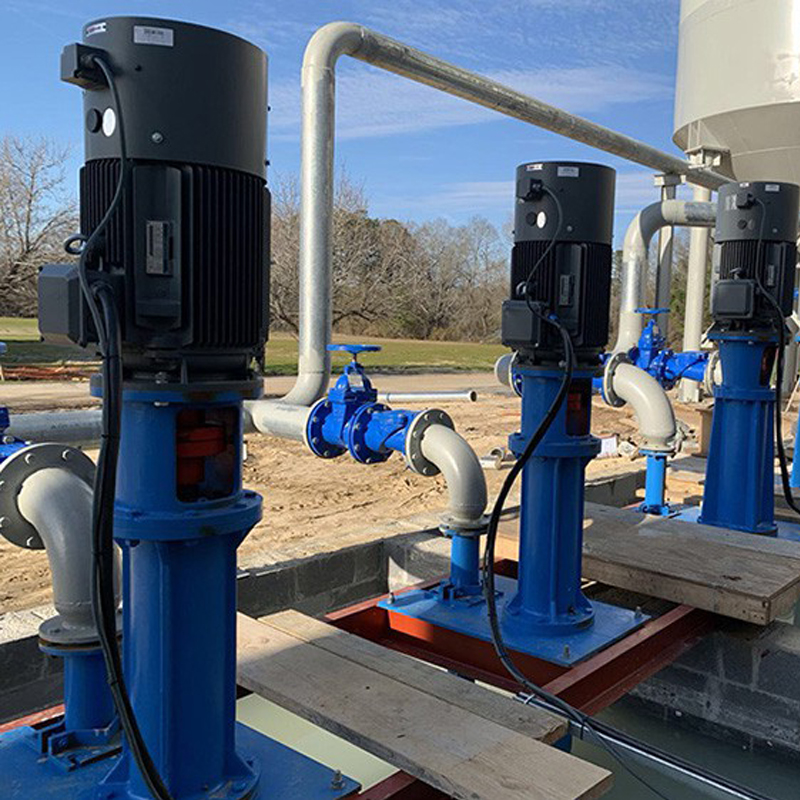
Filter press slurry pumps are positive displacement pumps specifically engineered for the demanding task of transferring highly concentrated slurries, typically associated with solid-liquid separation processes employing filter presses. They occupy a critical position in the dewatering and material recovery chain across diverse industries including mining, wastewater treatment, chemical processing, and ceramics. These pumps are distinguished from centrifugal pumps by their ability to maintain consistent flow rates independent of discharge pressure and to efficiently handle abrasive and high-solids content slurries that would rapidly degrade or clog centrifugal designs. Core performance characteristics center on achieving high and stable flow rates, enduring abrasive wear, and providing robust sealing to prevent leakage of potentially hazardous or corrosive materials. The selection of a slurry pump for a filter press application is heavily dependent on slurry characteristics, including solids concentration, particle size distribution, and slurry chemistry.
Material Science & Manufacturing
The construction of filter press slurry pumps prioritizes materials resistant to abrasive wear and chemical attack. Pump casings are commonly manufactured from high-chromium cast iron (typically 19-27% Cr) offering exceptional abrasion resistance, particularly in handling sand, gravel, and mineral ores. Alternatively, for highly corrosive environments, duplex stainless steels (e.g., 2205, 2507) or specialized alloys like Hastelloy are employed. Impeller materials often mirror casing selections, with the addition of hardened steel or tungsten carbide coatings on leading edges and wear plates to extend service life. Stators, and particularly the elastomeric components within progressing cavity pumps (a common type used in filter press applications), are typically constructed from Nitrile (NBR), Ethylene Propylene Diene Monomer (EPDM), or Fluoroelastomers (FKM) depending on the chemical compatibility with the pumped slurry. Manufacturing processes vary based on pump type. Centrifugal slurry pumps utilize investment casting or sand casting for casings and impellers, followed by extensive machining and balancing. Positive displacement pumps, like diaphragm pumps, involve complex molding and assembly of multiple components, requiring stringent quality control of elastomer seals. Progressing cavity pumps require precise helical rotor and stator manufacturing, demanding tight tolerances to maintain volumetric efficiency and prevent internal leakage. Critical parameters during manufacturing include material hardness (Rockwell C scale), surface finish (Ra value) to minimize friction, and weld quality (radiographic inspection) for structural integrity.
Performance & Engineering
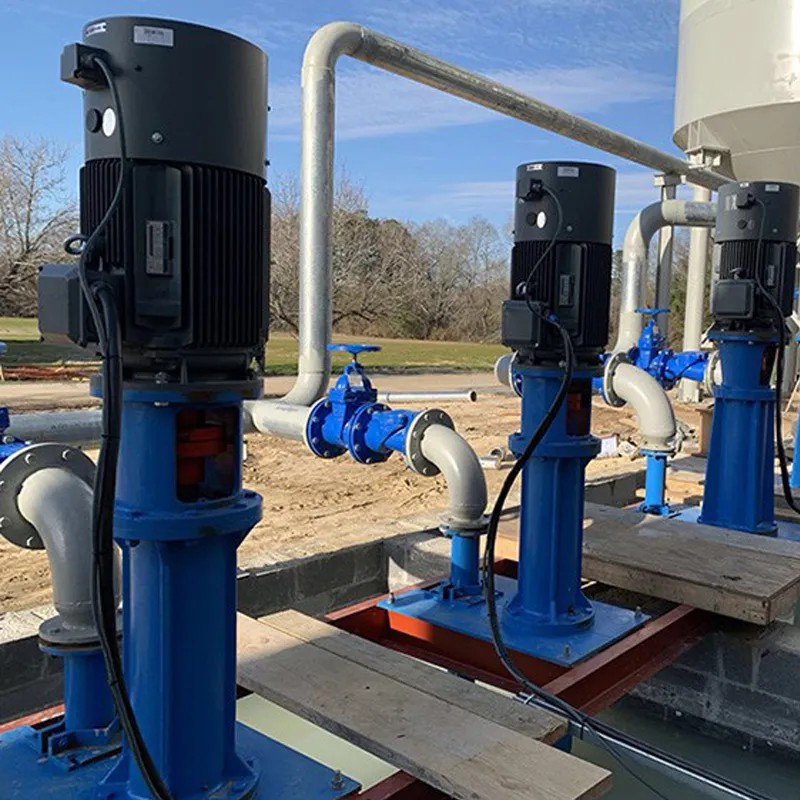
Filter press slurry pump performance is dictated by several key engineering considerations. Force analysis is crucial to determine stresses on pump components, particularly the impeller, shaft, and bearings, under maximum slurry load and pressure. Cavitation, a significant concern with high-solids content slurries, must be mitigated through optimized impeller design and adequate suction head. Environmental resistance necessitates consideration of operating temperature, humidity, and potential exposure to corrosive atmospheres. Pump selection must account for the slurry’s rheological properties - viscosity, yield stress, and thixotropy – as these directly influence pumping efficiency and power consumption. Compliance requirements, such as those outlined by API 674 (Reciprocating and Rotary Positive Displacement Pumps) and ISO 13709 (Petroleum and natural gas industries — Design and operation of subsea production systems), are paramount, especially in industries handling hazardous materials. The Net Positive Suction Head Required (NPSHr) is a critical parameter that must be carefully matched with the Net Positive Suction Head Available (NPSHa) in the system to prevent cavitation. Furthermore, the pump's sealing system (mechanical seals or packing) must be engineered to handle the abrasive nature of the slurry and prevent leakage, often employing double mechanical seals with a barrier fluid for enhanced reliability. Hydraulic Institute standards define performance testing procedures to verify pump efficiency, flow rate, and head characteristics.
Technical Specifications
| Parameter | Diaphragm Pump | Progressing Cavity Pump | Centrifugal Slurry Pump (Hard Metal) |
|---|---|---|---|
| Maximum Flow Rate (m³/hr) | 0-100 | 1-50 | 50-500 |
| Maximum Discharge Pressure (bar) | 10 | 40 | 8 |
| Maximum Solids Concentration (% w/w) | 60 | 80 | 40 |
| Particle Size (mm) | Up to 25 | Up to 75 | Up to 60 |
| Pump Material (Casing) | Polypropylene/PVDF | Cast Iron/Stainless Steel | High Chrome Iron |
| Power Consumption (kW) | 0.75-7.5 | 1.5-30 | 4-45 |
Failure Mode & Maintenance
Filter press slurry pumps are susceptible to several failure modes. Fatigue cracking in impellers and casings can occur due to cyclical loading and stress concentration, particularly in centrifugal designs. Delamination of protective coatings (e.g., tungsten carbide) on pump components leads to accelerated abrasive wear. Degradation of elastomer seals and diaphragms is common due to chemical attack, temperature extremes, and mechanical stress, resulting in leakage and reduced pump efficiency. Oxidation and corrosion of metallic components can weaken structural integrity, especially in aggressive slurry environments. Abrasive wear is the most prevalent failure mechanism, causing erosion of impeller vanes, stator bores (in progressing cavity pumps), and internal pump surfaces. Maintenance strategies include regular visual inspections for signs of wear or corrosion, periodic replacement of wear parts (e.g., impellers, stators, diaphragms, seals), lubrication of bearings, and monitoring of pump performance parameters (flow rate, pressure, power consumption) to detect anomalies. Preventative maintenance schedules should be based on operating hours and slurry characteristics. Vibration analysis can identify bearing failures or impeller imbalance. For progressing cavity pumps, maintaining correct alignment between the rotor and stator is critical. Routine flushing of the pump casing to remove accumulated solids can also prolong service life. Failure analysis, involving metallurgical examination of failed components, is crucial for identifying root causes and implementing corrective actions.
Industry FAQ
Q: What are the key differences between a diaphragm pump and a progressing cavity pump for filter press applications?
A: Diaphragm pumps excel in handling abrasive slurries with lower solids concentrations and offer excellent chemical resistance due to their non-metallic wetted parts. However, they generally have lower flow rates and pressures compared to progressing cavity pumps. Progressing cavity pumps, with their positive displacement action, can achieve higher pressures and efficiently handle highly concentrated slurries with larger particle sizes, but they are more susceptible to damage from hard, abrasive solids if not properly selected and operated.
Q: How does the slurry's particle size distribution affect pump selection?
A: Larger particle sizes increase the risk of abrasion and clogging, favoring pumps with larger flow passages and robust wear-resistant components. Progressing cavity pumps are generally better suited for handling slurries with larger particles compared to centrifugal pumps. The pump’s impeller design (in centrifugal pumps) and stator geometry (in progressing cavity pumps) must be optimized for the specific particle size range.
Q: What measures can be taken to mitigate cavitation in a filter press slurry pump?
A: Ensuring adequate Net Positive Suction Head Available (NPSHa) is paramount. This involves optimizing suction piping layout, minimizing suction line losses, and raising the liquid level in the suction tank. Selecting a pump with a lower NPSHr is also crucial. In some cases, reducing the pump speed can lower the NPSHr requirement.
Q: What is the role of mechanical seals in preventing leakage and ensuring pump reliability?
A: Mechanical seals provide a leak-tight barrier between the pump casing and the rotating shaft, preventing slurry from escaping. For abrasive slurries, double mechanical seals with a barrier fluid are often employed. The barrier fluid lubricates the seal faces, flushes away abrasive particles, and provides a secondary containment in case of primary seal failure. Regular inspection and replacement of mechanical seals are essential for maintaining pump reliability.
Q: How do different casing materials impact pump lifespan in corrosive environments?
A: Casing material selection is critical in corrosive environments. High-chromium cast iron offers good abrasion resistance but limited corrosion resistance. Duplex stainless steels (2205, 2507) provide superior corrosion resistance, while specialized alloys like Hastelloy are reserved for extremely aggressive chemical environments. The choice depends on the specific slurry chemistry and operating conditions.
Conclusion
The selection and implementation of filter press slurry pumps necessitate a thorough understanding of slurry characteristics, pump performance parameters, and potential failure modes. Optimizing material selection, adhering to rigorous manufacturing standards, and implementing proactive maintenance strategies are critical for maximizing pump lifespan and ensuring reliable operation within demanding industrial processes. The continuing evolution of pump technologies, including advanced sealing systems and wear-resistant coatings, promises to further enhance the performance and longevity of these vital components in solid-liquid separation systems.
Ultimately, a carefully engineered and maintained slurry pump is not merely a component, but an integral part of an efficient and cost-effective filter press system, contributing significantly to overall process productivity and environmental compliance.
-
Effluent vs Sump Pump Performance Analysis
News2026-05-22
-
effluent septic pump Performance Engineering
News2026-05-22
-
best sewer pumps Performance Engineering
News2026-05-22
-
best sewer pump Performance Analysis
News2026-05-22
-
best sewage pumps Performance Engineering
News2026-05-22
-
basement bathroom sewage pump Material Science Manufacturing
News2026-05-21
-
wastewater treatment plant pumps Material Science Manufacturing
News2026-05-21
-
waste water pump for basement Material Science Manufacturing
News2026-05-21
-
sump pump sewage Performance Analysis
News2026-05-21
-
sump pump for sewage Material Science and Manufacturing
News2026-05-21
-
sump pump for septic systems Material Science Manufacturing
News2026-05-20
-
sump pump and ejector pump Material Science Manufacturing
News2026-05-20
-
sewage treatment plant pumps Performance Analysis
News2026-05-20
-
sewage tank pump Material Science and Manufacturing
News2026-05-20
-
sewage pump for septic tank Performance Analysis
News2026-05-20




