English
- Afrikaans
- Albanian
- Amharic
- Arabic
- Armenian
- Azerbaijani
- Basque
- Belarusian
- Bengali
- Bosnian
- Bulgarian
- Catalan
- Cebuano
- Corsican
- Croatian
- Czech
- Danish
- Dutch
- English
- Esperanto
- Estonian
- Finnish
- French
- Frisian
- Galician
- Georgian
- German
- Greek
- Gujarati
- Haitian Creole
- hausa
- hawaiian
- Hebrew
- Hindi
- Miao
- Hungarian
- Icelandic
- igbo
- Indonesian
- irish
- Italian
- Japanese
- Javanese
- Kannada
- kazakh
- Khmer
- Rwandese
- Korean
- Kurdish
- Kyrgyz
- Lao
- Latin
- Latvian
- Lithuanian
- Luxembourgish
- Macedonian
- Malgashi
- Malay
- Malayalam
- Maltese
- Maori
- Marathi
- Mongolian
- Myanmar
- Nepali
- Norwegian
- Norwegian
- Occitan
- Pashto
- Persian
- Polish
- Portuguese
- Punjabi
- Romanian
- Russian
- Samoan
- Scottish Gaelic
- Serbian
- Sesotho
- Shona
- Sindhi
- Sinhala
- Slovak
- Slovenian
- Somali
- Spanish
- Sundanese
- Swahili
- Swedish
- Tagalog
- Tajik
- Tamil
- Tatar
- Telugu
- Thai
- Turkish
- Turkmen
- Ukrainian
- Urdu
- Uighur
- Uzbek
- Vietnamese
- Welsh
- Bantu
- Yiddish
- Yoruba
- Zulu

Telephone: +86 13120555503
Email: frank@cypump.com


Apr . 01, 2024 17:55 Back to list
exchangeable slurry pump spare parts Performance Analysis
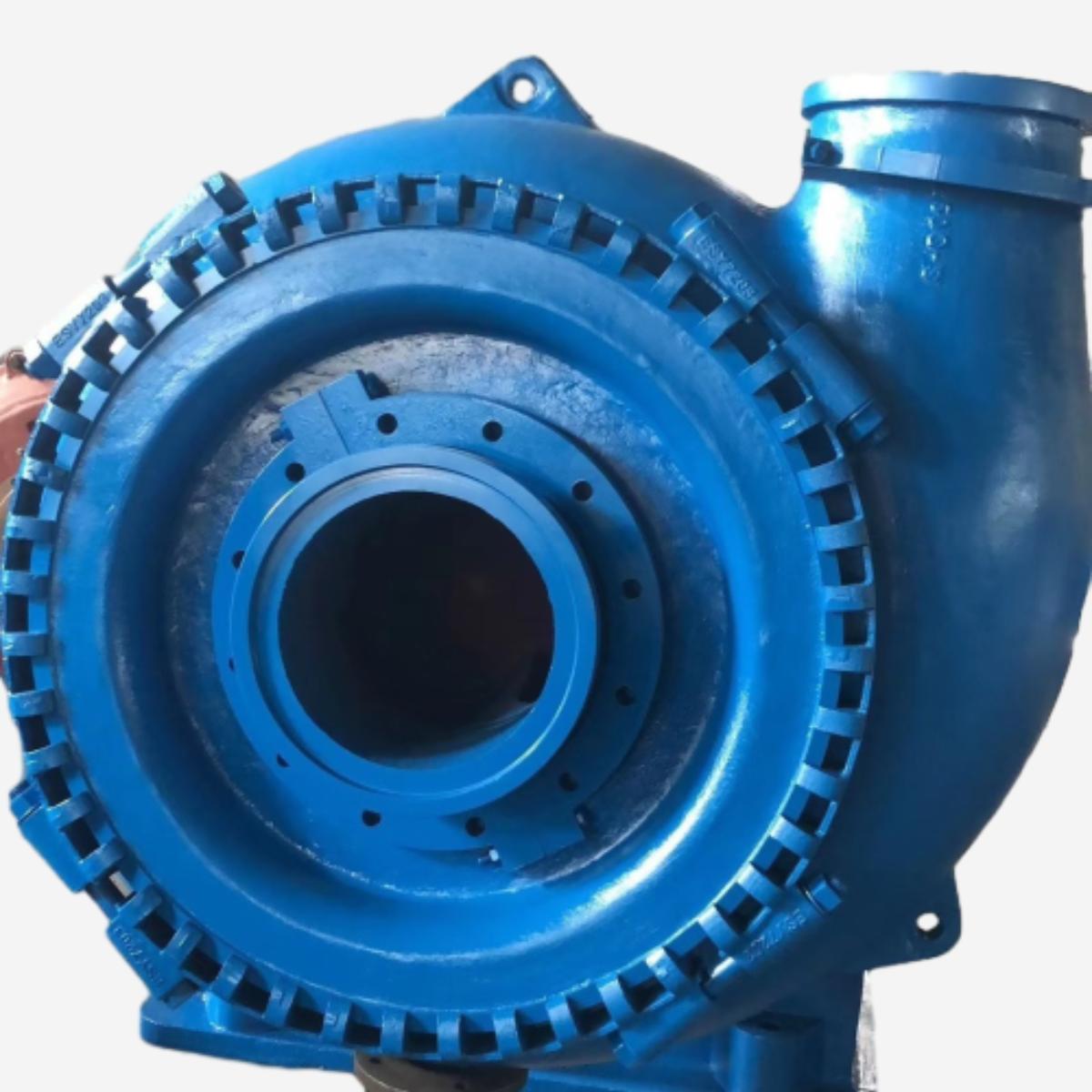
Introduction
Exchangeable slurry pump spare parts represent a critical component in the maintenance and operational efficiency of slurry pump systems across diverse industries including mining, wastewater treatment, chemical processing, and dredging. These components, encompassing impellers, liners, volutes, and mechanical seals, are designed for frequent replacement due to the abrasive and erosive nature of the slurries they handle. Unlike fully integrated pump casings requiring extensive downtime for repair, exchangeable parts facilitate rapid component swaps minimizing operational interruptions and lowering life-cycle costs. The performance of these parts directly impacts pump efficiency, solids handling capability, and overall system reliability. This guide provides an in-depth technical overview of exchangeable slurry pump spare parts, covering material science, manufacturing processes, performance considerations, failure modes, and relevant industry standards.
Material Science & Manufacturing
The selection of materials for slurry pump spare parts is paramount, dictated by the slurry’s composition, particle size distribution, velocity, and operating temperature. High-chrome cast iron (typically 13-28% chromium) is a mainstay for impellers and liners due to its exceptional abrasion resistance resulting from the formation of hard chromium carbides during solidification. However, its lower corrosion resistance limits its use in highly acidic or alkaline slurries. For such applications, duplex stainless steels (e.g., 2205, 2507) offer a superior balance of corrosion and abrasion resistance. Ceramic materials, such as alumina (Al2O3) and silicon carbide (SiC), provide the highest abrasion resistance but are more brittle and prone to thermal shock, restricting their application to lower impact scenarios. Rubber liners, utilizing natural or synthetic rubbers (e.g., EPDM, NR) bonded to a metal substrate, are employed where erosion is the primary concern.
Manufacturing processes vary depending on the component and material. Impellers and volutes are commonly produced via investment casting (lost-wax casting) to achieve complex geometries and tight tolerances. This process allows for precise control over the alloy composition and microstructure. Liners are often manufactured using high-pressure molding or centrifugal casting. Welding processes, such as submerged arc welding (SAW) and gas metal arc welding (GMAW), are critical for joining wear-resistant plates during liner fabrication. Heat treatment is essential to optimize the material’s hardness and toughness. Post-casting/welding, parts undergo rigorous quality control, including dimensional inspection, non-destructive testing (NDT) – radiography, ultrasonic testing, and dye penetrant inspection – to identify defects like porosity, cracks, and inclusions. Surface hardening techniques such as induction hardening are applied to increase wear resistance.
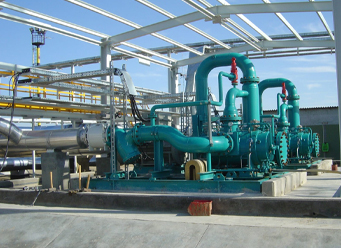
Performance & Engineering
The performance of exchangeable slurry pump spare parts is governed by several key engineering principles. Impeller design, including blade angle, width, and number, directly influences the pump's head, flow rate, and power consumption. Computational Fluid Dynamics (CFD) modeling is increasingly used to optimize impeller geometries for specific slurry characteristics, minimizing turbulence and maximizing hydraulic efficiency. Liner geometry impacts the slurry flow pattern and wear distribution. A properly designed liner reduces localized impact velocities and prolongs component life.
Force analysis is crucial for predicting component stresses. Slurry impacts, centrifugal forces, and fluid pressure create complex stress fields. Finite Element Analysis (FEA) is employed to assess the structural integrity of components under these loads, identifying potential failure zones. Environmental resistance is also critical. Parts operating in corrosive environments must be designed to withstand chemical attack. Furthermore, the pump’s Net Positive Suction Head Required (NPSHr) must be carefully considered to prevent cavitation, which can rapidly erode impeller vanes and liners. Compliance requirements, such as those related to hydraulic efficiency standards (e.g., ISO 9906) and safety regulations (e.g., ATEX for potentially explosive atmospheres), must be adhered to during the design and manufacturing process. The selection of appropriate sealing materials, such as mechanical seals with compatible face materials (silicon carbide vs. silicon carbide, tungsten carbide vs. tungsten carbide), is critical to prevent leakage and maintain pump efficiency.
Technical Specifications
| Component | Material Options | Hardness (Brinell) | Typical Replacement Interval (Hours) |
|---|---|---|---|
| Impeller | High-Chrome Cast Iron, Duplex Stainless Steel, Ceramic | 550-650 | 500-2000 |
| Liner | High-Chrome Cast Iron, Rubber, Polyurethane | 400-600 | 200-1500 |
| Volute Casing | Cast Iron, Stainless Steel | 180-250 | 1000-5000 |
| Mechanical Seal (Face) | Silicon Carbide, Tungsten Carbide | >900 | 100-500 |
| Shaft Sleeve | Stainless Steel, Alloy Steel | 200-300 | 500-1500 |
| Casing Wear Plate | High-Chrome Cast Iron, Steel | 500-600 | 300-1000 |
Failure Mode & Maintenance
Failure modes of exchangeable slurry pump spare parts are diverse and dependent on slurry characteristics and operating conditions. Impeller failures commonly include erosion (wear due to solid particle impact), cavitation damage (implosion of vapor bubbles), and fatigue cracking (due to cyclic loading). Liner failures are primarily caused by abrasion and erosion, leading to material loss and dimensional changes. Mechanical seal failures can result from abrasive wear of the seal faces, corrosion, or improper installation. Shaft sleeve wear is driven by abrasion from the slurry and contact with the mechanical seal.
Preventative maintenance is critical to maximizing component life and minimizing downtime. Regular visual inspections should be conducted to identify signs of wear, corrosion, or damage. Vibration analysis can detect imbalances or bearing issues indicating impending failure. Periodic replacement of wear parts based on operating hours or performance monitoring is essential. Proper lubrication of bearings and seals is vital. When replacing parts, ensure compatibility with the pump model and slurry application. Correct installation procedures, including proper alignment and tightening, are crucial. Post-failure analysis, including metallurgical examination of fractured components, can identify the root cause of failure and inform future design or material selection decisions. Employing slurry monitoring systems can provide real-time data on solids concentration, particle size, and slurry composition, allowing for proactive adjustments to operating parameters and maintenance schedules.
Industry FAQ
Q: What is the impact of slurry particle size on the lifespan of pump liners?
A: Larger particle sizes and higher particle concentrations significantly accelerate liner wear due to increased impact energy and abrasion. Reducing particle size through upstream classification or selecting liner materials with higher abrasion resistance (e.g., ceramic-lined) are mitigation strategies. Monitoring particle size distribution is crucial for optimizing liner replacement schedules.
Q: How do I determine the correct material for an impeller given a corrosive slurry?
A: Chemical compatibility charts are the first step. Duplex stainless steels (2205, 2507) often provide a good balance of corrosion and abrasion resistance. For highly aggressive environments, super duplex stainless steels or specialized alloys (e.g., Hastelloy) might be necessary. Conducting corrosion rate tests with the specific slurry is highly recommended to validate material selection.
Q: What are the common causes of premature mechanical seal failure?
A: Common causes include abrasive wear from solids in the slurry, dry running (lack of lubrication), improper installation (misalignment or insufficient compression), and incompatibility of seal face materials with the slurry composition. Implementing effective slurry filtration, ensuring adequate lubrication, and verifying proper installation are crucial preventative measures.
Q: What role does impeller balancing play in extending pump life?
A: Imbalance creates excessive vibration, leading to increased stress on the impeller, shaft, and bearings. This accelerates wear and can cause premature failure. Dynamic balancing of the impeller after repair or replacement is essential to minimize vibration and extend pump life. Regular vibration monitoring can detect imbalances before they become critical.
Q: How does the operating temperature of the slurry affect the performance of rubber liners?
A: Elevated temperatures can degrade rubber liners, reducing their elasticity and abrasion resistance. Selecting rubber compounds specifically designed for high-temperature applications (e.g., Viton) or considering alternative liner materials (e.g., polyurethane) is necessary for high-temperature slurries. Monitoring slurry temperature and adjusting pump operating parameters can also help extend liner life.
Conclusion
The selection, application, and maintenance of exchangeable slurry pump spare parts are critical factors in ensuring the reliable and cost-effective operation of slurry pumping systems. A comprehensive understanding of material science, manufacturing processes, performance engineering principles, and potential failure modes is essential for optimizing component life and minimizing downtime. Proactive maintenance strategies, including regular inspections, performance monitoring, and timely replacement of worn parts, are vital for maximizing the return on investment.
Future advancements in slurry pump spare parts are likely to focus on the development of novel materials with enhanced abrasion and corrosion resistance, advanced coating technologies to further protect components, and the integration of smart sensors for real-time performance monitoring and predictive maintenance. Adopting these innovations will allow industries to further improve the efficiency, reliability, and sustainability of their slurry pumping operations.
-
pump for sewage water Performance Analysis
News2026-05-23
-
plumbing sewage ejector pump Performance Engineering
News2026-05-23
-
home sewer pump station Performance and Engineering
News2026-05-23
-
high pressure sump pump Performance Analysis
News2026-05-23
-
high head effluent pump Performance Analysis
News2026-05-23
-
Effluent vs Sump Pump Performance Analysis
News2026-05-22
-
effluent septic pump Performance Engineering
News2026-05-22
-
best sewer pumps Performance Engineering
News2026-05-22
-
best sewer pump Performance Analysis
News2026-05-22
-
best sewage pumps Performance Engineering
News2026-05-22
-
basement bathroom sewage pump Material Science Manufacturing
News2026-05-21
-
wastewater treatment plant pumps Material Science Manufacturing
News2026-05-21
-
waste water pump for basement Material Science Manufacturing
News2026-05-21
-
sump pump sewage Performance Analysis
News2026-05-21
-
sump pump for sewage Material Science and Manufacturing
News2026-05-21




