English
- Afrikaans
- Albanian
- Amharic
- Arabic
- Armenian
- Azerbaijani
- Basque
- Belarusian
- Bengali
- Bosnian
- Bulgarian
- Catalan
- Cebuano
- Corsican
- Croatian
- Czech
- Danish
- Dutch
- English
- Esperanto
- Estonian
- Finnish
- French
- Frisian
- Galician
- Georgian
- German
- Greek
- Gujarati
- Haitian Creole
- hausa
- hawaiian
- Hebrew
- Hindi
- Miao
- Hungarian
- Icelandic
- igbo
- Indonesian
- irish
- Italian
- Japanese
- Javanese
- Kannada
- kazakh
- Khmer
- Rwandese
- Korean
- Kurdish
- Kyrgyz
- Lao
- Latin
- Latvian
- Lithuanian
- Luxembourgish
- Macedonian
- Malgashi
- Malay
- Malayalam
- Maltese
- Maori
- Marathi
- Mongolian
- Myanmar
- Nepali
- Norwegian
- Norwegian
- Occitan
- Pashto
- Persian
- Polish
- Portuguese
- Punjabi
- Romanian
- Russian
- Samoan
- Scottish Gaelic
- Serbian
- Sesotho
- Shona
- Sindhi
- Sinhala
- Slovak
- Slovenian
- Somali
- Spanish
- Sundanese
- Swahili
- Swedish
- Tagalog
- Tajik
- Tamil
- Tatar
- Telugu
- Thai
- Turkish
- Turkmen
- Ukrainian
- Urdu
- Uighur
- Uzbek
- Vietnamese
- Welsh
- Bantu
- Yiddish
- Yoruba
- Zulu

Telephone: +86 13120555503
Email: frank@cypump.com


Apr . 01, 2024 17:55 Back to list
ep slurry pump parts Performance Analysis
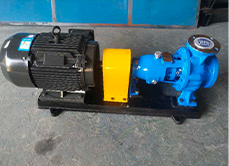
Introduction
EP slurry pump parts represent critical components in the handling and transportation of abrasive and corrosive slurries across diverse industrial applications, including mining, wastewater treatment, dredging, and chemical processing. These components are engineered to withstand the severe conditions inherent in slurry handling, namely high solids concentration, particle abrasion, and chemical attack. Typically, these parts include impellers, liners, volute casings, and shaft components. The performance and longevity of an EP slurry pump are directly dictated by the material selection and manufacturing precision of these parts. The industry faces ongoing challenges regarding minimizing downtime, reducing total cost of ownership, and improving pump efficiency while dealing with increasingly abrasive and chemically aggressive slurry compositions. This guide provides a comprehensive technical overview of EP slurry pump parts, covering material science, manufacturing processes, performance considerations, failure modes, and maintenance best practices.
Material Science & Manufacturing
EP slurry pump parts are typically manufactured from high-chromium cast irons (e.g., 27% Cr), high-hardness stainless steels (e.g., duplex stainless steel), and specialized polymer composites. High-chromium cast irons are favored for their exceptional abrasion resistance, resulting from the formation of hard chromium carbides within the microstructure. However, their relatively low tensile strength and susceptibility to corrosion limit their applicability in highly corrosive environments. Stainless steels, particularly duplex grades, offer improved corrosion resistance and tensile strength, making them suitable for handling acidic or alkaline slurries. Polymer composites, often incorporating ceramics or other reinforcing materials, provide excellent corrosion resistance and reduced weight, but may exhibit lower abrasion resistance compared to metallic materials.
Manufacturing processes vary depending on the component and material. Impellers and volute casings are commonly produced via sand casting, utilizing patterns made from wax or resin. Precise pattern making is crucial to achieve dimensional accuracy and smooth surface finishes. Liners may be manufactured using casting or rubber lining techniques, with rubber lining providing impact resistance and noise reduction. Shaft components are typically forged or machined from high-strength alloy steels, followed by heat treatment to enhance their mechanical properties. Critical parameters during manufacturing include chemical composition control, solidification rate during casting, heat treatment temperature and duration, and surface hardening processes (e.g., induction hardening). Non-destructive testing (NDT) methods, such as radiographic inspection and ultrasonic testing, are employed to detect internal flaws and ensure structural integrity. Welding processes, when utilized for repairs or fabrication, require careful selection of welding consumables and procedures to maintain material properties and prevent cracking.
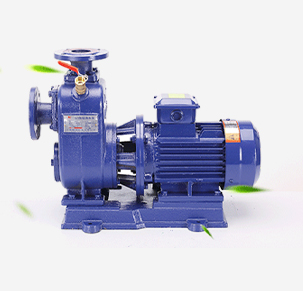
Performance & Engineering
The performance of EP slurry pump parts is intrinsically linked to hydraulic design and the fluid mechanics of slurry flow. Impeller geometry – including blade angle, width, and number – directly impacts pump head, flow rate, and efficiency. Computational Fluid Dynamics (CFD) simulations are increasingly used to optimize impeller designs for specific slurry characteristics. The volute casing’s design controls the conversion of kinetic energy from the impeller into pressure energy. Proper sizing of the volute is essential to minimize energy losses and prevent cavitation.
Engineering considerations encompass force analysis to predict stress distribution within pump components. Centrifugal forces generated by impeller rotation, coupled with the impact forces from solid particles, induce significant stresses on the impeller, liners, and shaft. Finite Element Analysis (FEA) is utilized to evaluate stress concentrations and optimize component geometry for improved fatigue life. Environmental resistance, including corrosion and erosion, is a paramount concern. Material selection must account for the slurry’s pH, temperature, and solid particle characteristics. Compliance with industry standards, such as ISO 9001 for quality management and API 610 for centrifugal pumps, ensures consistent manufacturing practices and reliable performance. Pump performance is often assessed using standardized test procedures outlined in Hydraulic Institute standards, focusing on parameters like pump curve development, efficiency measurements, and net positive suction head required (NPSHr) determination.
Technical Specifications
| Component | Material Grade | Hardness (BHN) | Tensile Strength (MPa) |
|---|---|---|---|
| Impeller | 27% Chromium Cast Iron | 550-650 | 400-600 |
| Liner | 27% Chromium Cast Iron | 500-600 | 350-550 |
| Volute Casing | Duplex Stainless Steel (e.g., 2205) | 250-320 | 550-700 |
| Shaft | 4140 Alloy Steel (Quenched & Tempered) | 280-350 | 800-1000 |
| Wear Plate | High-Alumina Ceramic | 900+ | 300 (Flexural) |
| Sealing Rings | Silicon Carbide | 2200+ | 400 (Flexural) |
Failure Mode & Maintenance
EP slurry pump parts are susceptible to various failure modes, primarily stemming from abrasive wear, erosive corrosion, and fatigue. Abrasive wear, caused by the impact of solid particles, results in gradual material loss from impeller vanes, liners, and volute casings. Erosive corrosion, a synergistic effect of abrasion and corrosion, accelerates material degradation in corrosive slurry environments. Fatigue cracking can occur in shaft components due to cyclic loading and stress concentrations. Cavitation, induced by low NPSHr, causes localized high-velocity impacts, leading to pitting and material erosion. Delamination can occur in rubber linings due to poor adhesion or impact damage. Oxidation can impact the structural integrity of metallic components over prolonged exposure to elevated temperatures and oxidizing environments.
Preventive maintenance is critical for extending component life and minimizing downtime. Regular inspections should identify signs of wear, corrosion, or cracking. Visual inspections, supplemented by NDT techniques (e.g., ultrasonic thickness testing, dye penetrant inspection), can detect early-stage damage. Lubrication of bearings and seals prevents friction and wear. Proper slurry handling practices, such as controlling solids concentration and particle size distribution, reduce abrasive wear. Periodic replacement of worn components, based on monitoring data and manufacturer recommendations, prevents catastrophic failures. Repair welding, when appropriate, can restore damaged components, but requires qualified welders and adherence to proper welding procedures. Analyzing failed components (Failure Analysis) helps identify root causes of failures and implement corrective actions to prevent recurrence.
Industry FAQ
Q: What is the primary difference between high-chromium cast iron and duplex stainless steel for slurry pump applications?
A: High-chromium cast irons excel in abrasion resistance due to the presence of hard chromium carbides, making them suitable for highly abrasive slurries with minimal corrosive attack. Duplex stainless steels offer superior corrosion resistance alongside good strength and moderate abrasion resistance. The choice depends on the slurry composition; highly corrosive slurries require duplex stainless steel, while predominantly abrasive slurries can utilize high-chromium cast iron.
Q: How does impeller geometry affect pump efficiency?
A: Impeller geometry directly influences the pump's hydraulic performance. Optimized blade angles and widths minimize hydraulic losses and maximize energy transfer from the impeller to the slurry. Improperly designed impellers can lead to turbulence, cavitation, and reduced efficiency. CFD analysis is employed to refine impeller designs for optimal performance.
Q: What are the common causes of cavitation in slurry pumps?
A: Cavitation occurs when the absolute pressure within the pump falls below the vapor pressure of the slurry, causing vapor bubbles to form and collapse. This is typically caused by insufficient NPSHr, high pump speed, or excessive suction lift. Cavitation leads to pitting, erosion, and reduced pump performance.
Q: What preventative maintenance practices are most effective for extending the life of EP slurry pump liners?
A: Regular inspection for wear, controlling slurry solids concentration and particle size, utilizing appropriate liner material for the slurry composition, and ensuring proper impeller clearance are key preventative measures. Periodic rotation of liners can distribute wear evenly. Rubber liners should be checked for delamination.
Q: How is hardness (BHN) related to abrasion resistance in EP slurry pump components?
A: Brinell Hardness Number (BHN) is a measure of a material's resistance to indentation. Generally, higher BHN values indicate greater abrasion resistance. However, hardness is not the sole determinant of abrasion resistance; material microstructure and composition also play crucial roles. Hard chromium carbides in cast irons contribute significantly to their abrasion resistance despite moderate overall hardness.
Conclusion
EP slurry pump parts are critical for reliable slurry handling across numerous industries. The selection of appropriate materials, precise manufacturing processes, and diligent maintenance practices are paramount to maximizing component lifespan and minimizing operational costs. Understanding the failure modes associated with abrasive wear, corrosive attack, and fatigue is essential for implementing effective preventative maintenance strategies.
Future trends in EP slurry pump part technology include the development of advanced materials with enhanced abrasion and corrosion resistance, the integration of smart sensors for real-time performance monitoring, and the adoption of additive manufacturing (3D printing) for producing complex geometries and customized components. Continued research and development in these areas will further improve the efficiency, reliability, and cost-effectiveness of slurry pumping systems.
-
Effluent vs Sump Pump Performance Analysis
News2026-05-22
-
effluent septic pump Performance Engineering
News2026-05-22
-
best sewer pumps Performance Engineering
News2026-05-22
-
best sewer pump Performance Analysis
News2026-05-22
-
best sewage pumps Performance Engineering
News2026-05-22
-
basement bathroom sewage pump Material Science Manufacturing
News2026-05-21
-
wastewater treatment plant pumps Material Science Manufacturing
News2026-05-21
-
waste water pump for basement Material Science Manufacturing
News2026-05-21
-
sump pump sewage Performance Analysis
News2026-05-21
-
sump pump for sewage Material Science and Manufacturing
News2026-05-21
-
sump pump for septic systems Material Science Manufacturing
News2026-05-20
-
sump pump and ejector pump Material Science Manufacturing
News2026-05-20
-
sewage treatment plant pumps Performance Analysis
News2026-05-20
-
sewage tank pump Material Science and Manufacturing
News2026-05-20
-
sewage pump for septic tank Performance Analysis
News2026-05-20




