English
- Afrikaans
- Albanian
- Amharic
- Arabic
- Armenian
- Azerbaijani
- Basque
- Belarusian
- Bengali
- Bosnian
- Bulgarian
- Catalan
- Cebuano
- Corsican
- Croatian
- Czech
- Danish
- Dutch
- English
- Esperanto
- Estonian
- Finnish
- French
- Frisian
- Galician
- Georgian
- German
- Greek
- Gujarati
- Haitian Creole
- hausa
- hawaiian
- Hebrew
- Hindi
- Miao
- Hungarian
- Icelandic
- igbo
- Indonesian
- irish
- Italian
- Japanese
- Javanese
- Kannada
- kazakh
- Khmer
- Rwandese
- Korean
- Kurdish
- Kyrgyz
- Lao
- Latin
- Latvian
- Lithuanian
- Luxembourgish
- Macedonian
- Malgashi
- Malay
- Malayalam
- Maltese
- Maori
- Marathi
- Mongolian
- Myanmar
- Nepali
- Norwegian
- Norwegian
- Occitan
- Pashto
- Persian
- Polish
- Portuguese
- Punjabi
- Romanian
- Russian
- Samoan
- Scottish Gaelic
- Serbian
- Sesotho
- Shona
- Sindhi
- Sinhala
- Slovak
- Slovenian
- Somali
- Spanish
- Sundanese
- Swahili
- Swedish
- Tagalog
- Tajik
- Tamil
- Tatar
- Telugu
- Thai
- Turkish
- Turkmen
- Ukrainian
- Urdu
- Uighur
- Uzbek
- Vietnamese
- Welsh
- Bantu
- Yiddish
- Yoruba
- Zulu

Telephone: +86 13120555503
Email: frank@cypump.com


Apr . 01, 2024 17:55 Back to list
engine driven slurry pumps Performance Analysis
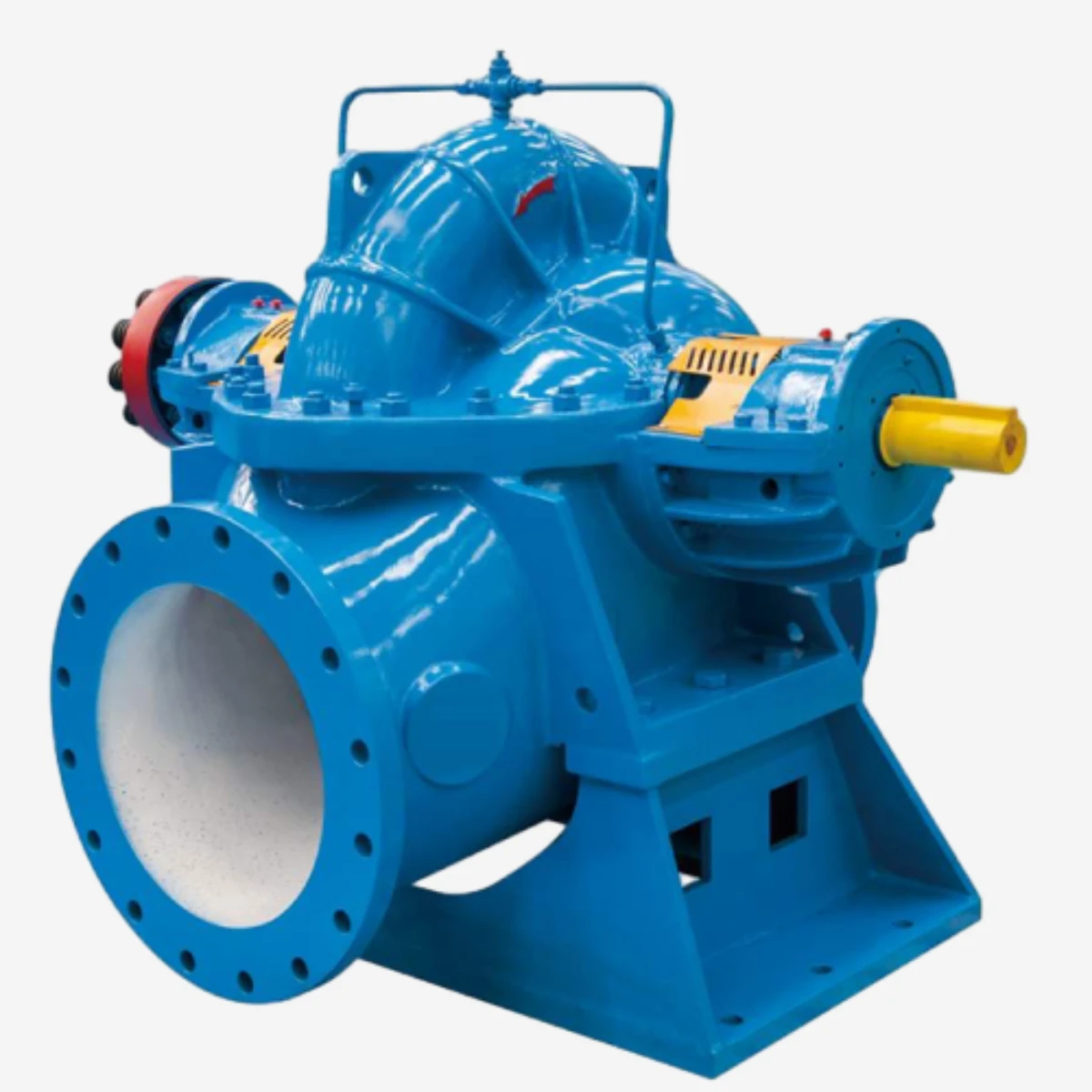
Introduction
Engine-driven slurry pumps are self-contained pumping systems utilized for the transfer of abrasive or dense slurries in applications where electrical power is unavailable, unreliable, or impractical. These systems typically consist of an internal combustion engine (diesel or gasoline) directly coupled to a centrifugal or positive displacement slurry pump. Their technical position within the industry chain falls between raw material sourcing (pump components, engine manufacture) and end-user applications such as mining, dredging, construction, agriculture, and wastewater treatment. Core performance characteristics are defined by flow rate (typically expressed in gallons per minute or cubic meters per hour), discharge pressure (measured in PSI or Bar), solids handling capability (maximum particle size and concentration by weight or volume), and engine power/fuel consumption. A critical pain point in this sector is achieving reliable operation in harsh environments with minimal maintenance, particularly concerning pump wear and engine durability. Another key challenge lies in optimizing fuel efficiency while maintaining sufficient power output for demanding slurry transfer tasks.
Material Science & Manufacturing
The construction of engine-driven slurry pumps relies on a complex interplay of material science and robust manufacturing processes. Pump casings are commonly fabricated from high-chrome cast iron (typically 27% Cr) or specialized abrasion-resistant alloys such as duplex stainless steels (e.g., 2205, 2507) to resist erosion and corrosion from the abrasive slurry. Impeller materials follow similar specifications, with rubber liners (natural rubber, EPDM) frequently employed for handling highly abrasive slurries or reducing noise. Engine components utilize materials standardized for internal combustion engines: cast iron for engine blocks, forged steel for crankshafts and connecting rods, and aluminum alloys for pistons and cylinder heads. Manufacturing processes for the pump involve sand casting for the casing, followed by heat treatment and machining to ensure dimensional accuracy. Impellers may be manufactured via investment casting for complex geometries. The engine undergoes standard automotive manufacturing procedures: block machining, assembly, and rigorous testing. Critical parameter control during manufacturing includes: chrome content verification in cast iron via spectroscopic analysis, hardness testing (HRC) to confirm wear resistance, impeller balancing to minimize vibration, and engine dyno testing to validate power and fuel consumption curves. The coupling between the engine and pump requires precise alignment to prevent premature bearing failure and stress on the pump seals. Welding procedures for any fabricated components must adhere to AWS D1.1 standards to ensure structural integrity.
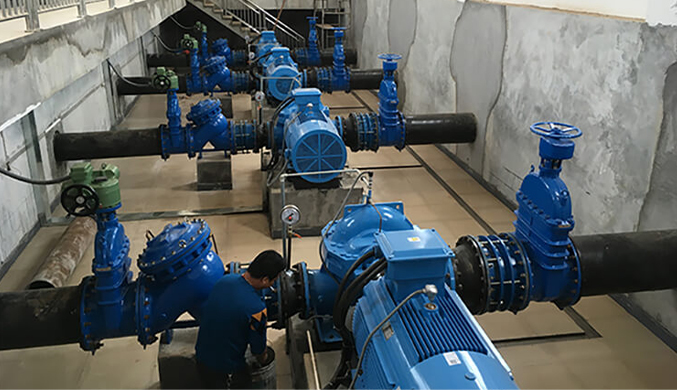
Performance & Engineering
Performance analysis of engine-driven slurry pumps centers on hydraulic efficiency, mechanical efficiency, and overall system reliability. Force analysis considers static and dynamic loads imposed by the slurry’s weight, flow velocity, and pressure differentials. Cavitation prevention is paramount; Net Positive Suction Head Required (NPSHr) calculations must be carefully evaluated against Net Positive Suction Head Available (NPSHa) at the pump inlet. Environmental resistance focuses on engine protection from dust, moisture, and extreme temperatures. Enclosures, air filtration systems, and cooling systems are engineered to maintain optimal engine operating conditions. Compliance requirements vary by region, encompassing emission standards (e.g., EPA Tier 4 for diesel engines), safety regulations (e.g., OSHA standards for guarding and lockout/tagout procedures), and noise level limits. Functional implementation involves proper pump selection based on slurry characteristics (specific gravity, viscosity, solids concentration, particle size distribution). Suction and discharge piping must be sized correctly to minimize head loss and prevent settling of solids. The pump’s performance curve (head vs. flow rate) dictates optimal operating points for various applications. Furthermore, vibration analysis is crucial for preventative maintenance, identifying potential bearing wear or impeller imbalance before catastrophic failure occurs. System efficiency is significantly affected by the engine’s load profile; frequent starting and stopping, or operation at partial load, can reduce fuel efficiency and increase emissions.
Technical Specifications
| Engine Power (HP) | Flow Rate (GPM) | Max. Discharge Pressure (PSI) | Max. Solids Size (in) |
|---|---|---|---|
| 20 | 150 | 80 | 2 |
| 30 | 250 | 120 | 3 |
| 50 | 400 | 180 | 4 |
| 75 | 600 | 250 | 5 |
| 100 | 800 | 300 | 6 |
| 150 | 1200 | 400 | 8 |
Failure Mode & Maintenance
Engine-driven slurry pumps are susceptible to a range of failure modes. Fatigue cracking in the pump casing and impeller can occur due to cyclical loading from abrasive particles. Erosion wear is a primary concern, particularly at the impeller’s leading edge and within the volute. Delamination of rubber liners can result in reduced pump efficiency and increased noise. Engine failure modes include piston ring wear, valve failures, and fuel injector clogging. Oxidation of engine oil and coolant can lead to corrosion and reduced lubrication. A common failure point is pump seal failure, resulting in leakage and potential contamination. Preventative maintenance is crucial. Regular inspections should include visual checks for wear, vibration analysis, oil and coolant analysis, and seal integrity tests. Recommended maintenance procedures include: lubricating bearings regularly, replacing worn impellers and liners, cleaning or replacing air filters, checking fuel lines for leaks, and performing engine tune-ups per manufacturer’s specifications. Failure analysis should focus on identifying the root cause of failures (e.g., improper slurry selection, insufficient maintenance, material defects). For example, if impeller erosion is excessive, the slurry composition should be analyzed to determine the abrasive content and appropriate impeller material. Proper storage during periods of inactivity is also essential to prevent corrosion and fuel system degradation.
Industry FAQ
Q: What is the optimal impeller material for a slurry containing 70% silica sand by weight?
A: For a 70% silica sand slurry, a high-chrome cast iron impeller with a rubber lining is generally recommended. The high-chrome iron provides excellent abrasion resistance against the silica, while the rubber lining further reduces wear and impact damage, extending the impeller’s service life. Consideration should also be given to the sand’s particle size distribution and angularity; finer, angular particles are more abrasive and may necessitate a thicker rubber lining or a specialized alloy.
Q: How does ambient temperature affect diesel engine performance in slurry pump applications?
A: Diesel engine performance is significantly impacted by ambient temperature. Cold temperatures can reduce battery capacity, increase engine oil viscosity, and make starting more difficult. High temperatures can lead to overheating and reduced engine efficiency. Derating of the engine power output may be necessary in extreme temperature conditions. Engine manufacturers provide temperature derating curves that specify the allowable power output based on ambient temperature.
Q: What are the key considerations for selecting a suction lift height for an engine-driven slurry pump?
A: Suction lift height is critically limited by the NPSHa and NPSHr. Excessive suction lift can cause cavitation, reducing pump efficiency and damaging the impeller. The suction piping diameter and length must be minimized to reduce friction losses. The slurry’s vapor pressure and temperature also influence NPSHa. Manufacturers typically specify a maximum allowable suction lift for each pump model.
Q: What are the typical maintenance intervals for the engine oil in a diesel-powered slurry pump operating continuously?
A: Typical maintenance intervals for diesel engine oil in continuous slurry pump operation range from 250 to 500 hours, depending on the oil quality, engine load, and operating environment. Oil analysis (viscosity, TAN, TBN, wear metal content) is crucial to determine the optimal oil change interval. In dusty or harsh environments, more frequent oil changes are recommended to prevent contamination and wear.
Q: How does the fuel quality impact the performance and lifespan of the engine?
A: Fuel quality is paramount. Contaminated fuel (water, sediment, microbial growth) can cause fuel injector clogging, reduced engine power, and increased wear. Low cetane number (for diesel) can result in hard starting and incomplete combustion. Stale fuel can also degrade and form deposits. Using high-quality fuel that meets ASTM D975 (for diesel) or ASTM D4814 (for gasoline) standards, along with regular fuel filter maintenance, is essential for optimal engine performance and longevity.
Conclusion
Engine-driven slurry pumps represent a robust and versatile solution for slurry transfer in remote or challenging environments. Their self-contained nature and ability to operate independently of electrical power grids make them indispensable in numerous industrial applications. However, realizing the full potential of these systems requires careful consideration of material selection, hydraulic design, and preventative maintenance protocols. Addressing the critical pain points of wear resistance, fuel efficiency, and environmental compatibility is key to extending pump lifespan and minimizing operational costs.
Future advancements in this technology are likely to focus on improving engine efficiency through optimized combustion control and alternative fuel technologies, as well as incorporating smart sensors and remote monitoring capabilities for predictive maintenance. Furthermore, the development of more abrasion-resistant materials and advanced impeller designs will continue to enhance pump performance and reduce downtime. Adherence to rigorous quality control standards and a commitment to continuous improvement will remain vital for ensuring the reliability and durability of engine-driven slurry pumps.
-
Sewage Pump Company Performance and Engineering
News2026-05-24
-
sewage pump 1/2 hp Performance Analysis
News2026-05-24
-
Sewage Ejector Systems Performance Analysis
News2026-05-24
-
Sewage Ejection System Material Science and Manufacturing
News2026-05-24
-
sewage and effluent pumps Performance Engineering
News2026-05-24
-
pump for sewage water Performance Analysis
News2026-05-23
-
plumbing sewage ejector pump Performance Engineering
News2026-05-23
-
home sewer pump station Performance and Engineering
News2026-05-23
-
high pressure sump pump Performance Analysis
News2026-05-23
-
high head effluent pump Performance Analysis
News2026-05-23
-
Effluent vs Sump Pump Performance Analysis
News2026-05-22
-
effluent septic pump Performance Engineering
News2026-05-22
-
best sewer pumps Performance Engineering
News2026-05-22
-
best sewer pump Performance Analysis
News2026-05-22
-
best sewage pumps Performance Engineering
News2026-05-22




