English
- Afrikaans
- Albanian
- Amharic
- Arabic
- Armenian
- Azerbaijani
- Basque
- Belarusian
- Bengali
- Bosnian
- Bulgarian
- Catalan
- Cebuano
- Corsican
- Croatian
- Czech
- Danish
- Dutch
- English
- Esperanto
- Estonian
- Finnish
- French
- Frisian
- Galician
- Georgian
- German
- Greek
- Gujarati
- Haitian Creole
- hausa
- hawaiian
- Hebrew
- Hindi
- Miao
- Hungarian
- Icelandic
- igbo
- Indonesian
- irish
- Italian
- Japanese
- Javanese
- Kannada
- kazakh
- Khmer
- Rwandese
- Korean
- Kurdish
- Kyrgyz
- Lao
- Latin
- Latvian
- Lithuanian
- Luxembourgish
- Macedonian
- Malgashi
- Malay
- Malayalam
- Maltese
- Maori
- Marathi
- Mongolian
- Myanmar
- Nepali
- Norwegian
- Norwegian
- Occitan
- Pashto
- Persian
- Polish
- Portuguese
- Punjabi
- Romanian
- Russian
- Samoan
- Scottish Gaelic
- Serbian
- Sesotho
- Shona
- Sindhi
- Sinhala
- Slovak
- Slovenian
- Somali
- Spanish
- Sundanese
- Swahili
- Swedish
- Tagalog
- Tajik
- Tamil
- Tatar
- Telugu
- Thai
- Turkish
- Turkmen
- Ukrainian
- Urdu
- Uighur
- Uzbek
- Vietnamese
- Welsh
- Bantu
- Yiddish
- Yoruba
- Zulu

Telephone: +86 13120555503
Email: frank@cypump.com


Apr . 01, 2024 17:55 Back to list
engine driven slurry pump Performance Analysis
Introduction
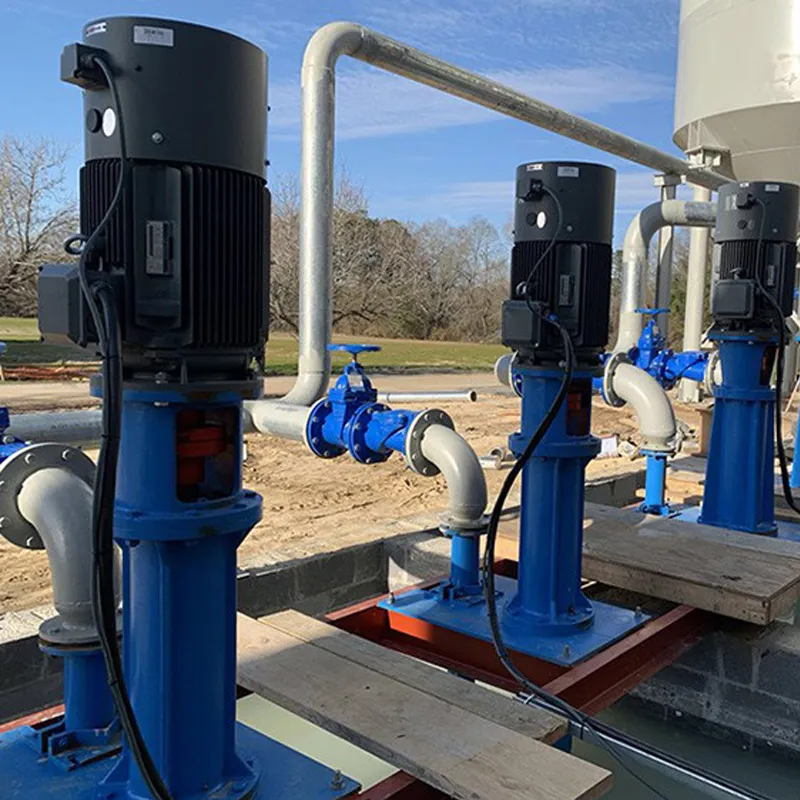
Engine driven slurry pumps represent a critical component in numerous industrial processes, primarily focused on the transportation of abrasive or dense fluid mixtures. These pumps utilize an internal combustion engine – typically diesel – coupled directly to a centrifugal or positive displacement pump. Their application extends across mining, wastewater treatment, construction, dredging, and oil sands operations. Unlike electrically driven pumps, engine driven units offer operational independence from a fixed power grid, providing portability and resilience in remote locations or during power outages. Core performance metrics center around flow rate (typically measured in GPM or m³/hr), total dynamic head (TDH, in feet or meters), and solids handling capability (expressed as maximum particle size and concentration by weight or volume). A key industry pain point is balancing pump durability with overall efficiency, particularly in aggressive slurry environments where erosion and abrasion significantly impact component lifespan. This guide provides an in-depth technical overview of these pumps, covering material science, manufacturing processes, performance characteristics, failure modes, and relevant industry standards.
Material Science & Manufacturing
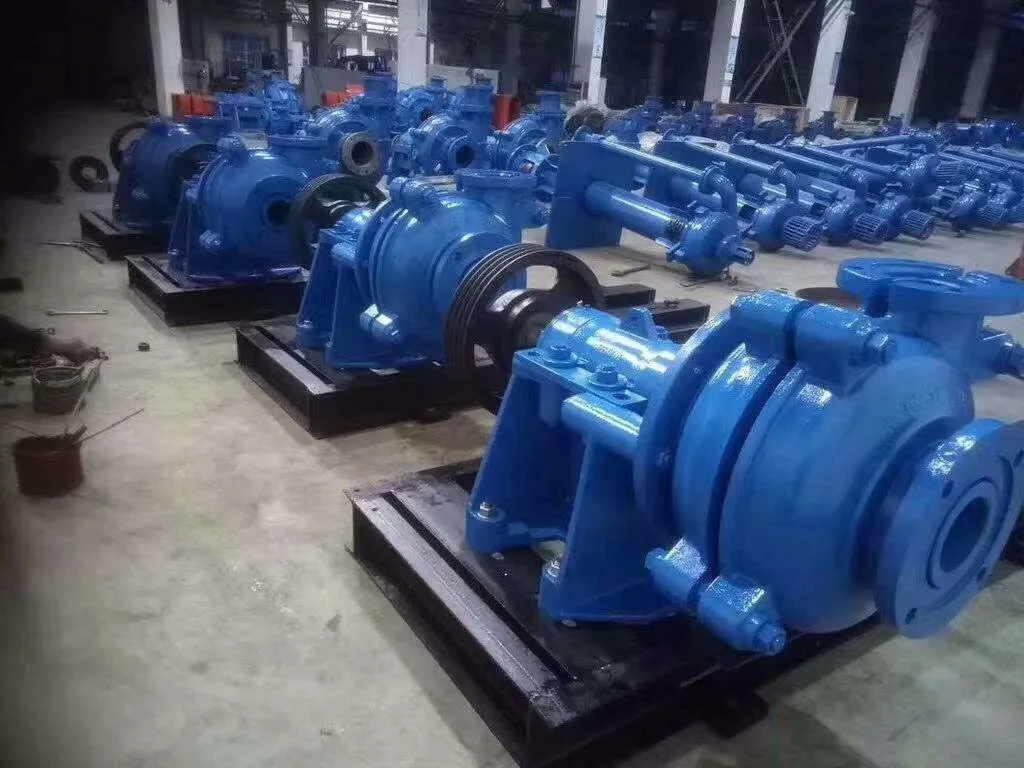
The construction of engine driven slurry pumps involves a complex interplay of materials engineered for resistance to both mechanical stress and chemical attack. The pump casing is commonly manufactured from high-chrome cast iron (typically containing 26-30% chromium) offering exceptional abrasion resistance. Alternative materials include ductile iron with rubber lining for handling highly corrosive slurries, or specialized alloy steels like duplex stainless steel (e.g., 2205) for demanding applications. Impellers, the rotating component responsible for generating flow, are similarly constructed from high-chrome iron or polyurethane elastomers. Shaft materials often leverage alloy steels like 4140 or 4340, hardened and tempered for high tensile strength and torsional rigidity. The engine itself utilizes conventional materials such as cast iron for the engine block, alloy steel for the crankshaft and connecting rods, and aluminum alloys for the cylinder head. Manufacturing processes vary depending on the component. Pump casings are typically produced via sand casting, followed by heat treatment and machining. Impellers can be cast, forged, or fabricated from elastomer materials. Welding processes, such as shielded metal arc welding (SMAW) or gas tungsten arc welding (GTAW), are frequently employed for joining pump components, requiring stringent quality control to ensure weld integrity and prevent porosity or cracking. Key parameter control involves maintaining precise chemical composition of castings, achieving appropriate hardness levels through heat treatment, and verifying dimensional accuracy via non-destructive testing (NDT) methods like ultrasonic testing and radiographic inspection. The engine undergoes standard automotive manufacturing processes including machining, assembly, and rigorous testing to ensure compliance with emissions regulations and performance specifications.
Performance & Engineering
Engine driven slurry pump performance is dictated by a complex interplay of hydraulic principles and mechanical considerations. Force analysis focuses on the impeller's dynamic loading, centrifugal forces generated by rotation, and the hydraulic pressure exerted by the slurry. Cavitation, a common phenomenon in pump systems, occurs when the absolute pressure at the impeller inlet drops below the vapor pressure of the fluid, resulting in bubble formation and subsequent collapse. This can cause significant erosion damage to the impeller and casing. Net Positive Suction Head Required (NPSHr) is a critical parameter defining the minimum inlet pressure necessary to prevent cavitation. Environmental resistance is also a crucial factor. Pumps operating outdoors are exposed to temperature extremes, precipitation, and potentially corrosive atmospheres. Sealing systems must prevent ingress of moisture and contaminants, while coatings and material selection address corrosion concerns. Compliance requirements vary by region but often involve adherence to emissions standards for the engine (e.g., EPA Tier 4 Final in the US, Euro Stage V in Europe) and safety standards for fluid handling equipment. Functional implementation considers factors such as pump placement, suction and discharge piping configuration, and the integration of control systems for automated operation. Variable Frequency Drives (VFDs) can be used to optimize pump speed and flow rate, reducing energy consumption and minimizing wear. Slurry density and particle size distribution significantly affect pump performance, necessitating careful selection of impeller type and pump size to ensure optimal efficiency and solids handling capability.
Technical Specifications
| Parameter | Unit | Typical Range (Diesel Engine Driven) | Notes |
|---|---|---|---|
| Flow Rate | GPM (US) | 50 – 600 | Dependent on impeller diameter and engine horsepower |
| Total Dynamic Head (TDH) | ft | 50 – 300 | Influenced by impeller design and pump speed |
| Solids Handling Capability | in (particle size) | Up to 4 | Varies with slurry concentration and pump design |
| Engine Power | HP | 15 – 300 | Determines pump capacity and performance |
| Slurry Concentration (by weight) | % | Up to 70 | Higher concentrations require more robust pump design |
| Casing Material | - | High-Chrome Cast Iron, Ductile Iron, Stainless Steel | Selected based on slurry corrosivity and abrasivity |
Failure Mode & Maintenance
Engine driven slurry pumps are susceptible to several failure modes. Fatigue cracking in the pump casing and impeller can occur due to cyclical loading and stress concentrations, particularly in areas around welds. Erosion, caused by the abrasive nature of the slurry, leads to material loss and dimensional changes, reducing pump efficiency. Delamination of rubber linings, often used to protect pump casings, can result from improper bonding or exposure to aggressive chemicals. Cavitation damage manifests as pitting and erosion on the impeller surface. Oxidation of metallic components, particularly in harsh environments, contributes to corrosion and reduced mechanical strength. Engine failures can arise from overheating, fuel contamination, or inadequate lubrication. Preventative maintenance is crucial. Regular inspection of wear parts, such as the impeller and casing, is essential. Periodic replacement of worn components prevents catastrophic failures. Lubrication schedules for the engine and pump bearings must be strictly adhered to. Filtration of the slurry to remove oversized particles minimizes abrasion. Proper alignment of the pump and engine coupling reduces stress on bearings and seals. Monitoring engine parameters (oil pressure, coolant temperature, exhaust emissions) provides early warning of potential problems. Non-destructive testing (NDT) methods like ultrasonic testing and liquid penetrant inspection can detect cracks and other defects before they lead to failure.
Industry FAQ
Q: What is the primary difference between a centrifugal and a positive displacement pump for slurry applications?
A: Centrifugal pumps are generally preferred for high-flow, low-head applications and can handle slurries with varying solids concentrations. They are less susceptible to damage from solids. Positive displacement pumps, such as progressing cavity pumps, excel at handling highly viscous slurries or applications requiring precise metering. However, they are more sensitive to solids and can be damaged by abrasive particles.
Q: How does the choice of engine affect the overall cost and performance of the pump system?
A: Diesel engines are the most common choice due to their reliability and fuel availability. Engine horsepower directly impacts pump capacity. Larger engines offer higher flow rates and head pressures but also increase fuel consumption and initial cost. Newer engines complying with stringent emissions standards often have higher upfront costs but offer environmental benefits and potential long-term operating savings.
Q: What are the key considerations for selecting a pump casing material?
A: The slurry’s chemical composition and abrasive properties are paramount. High-chrome cast iron provides excellent abrasion resistance for non-corrosive slurries. Rubber linings are suitable for corrosive slurries but may be less resistant to abrasion. Stainless steel alloys offer corrosion resistance but are generally more expensive. The concentration and particle size of the solids also influence material selection.
Q: How can cavitation be prevented in engine driven slurry pumps?
A: Maintaining adequate NPSH (Net Positive Suction Head) is critical. This involves ensuring sufficient inlet pressure and minimizing suction lift. Proper piping design, minimizing bends and restrictions, also helps. Regular impeller inspection and replacement prevent damage from cavitation erosion. Optimizing pump speed for the specific slurry conditions can also reduce cavitation risk.
Q: What are the typical maintenance intervals for an engine driven slurry pump?
A: Routine maintenance should include daily checks of engine fluid levels (oil, coolant), weekly inspection of pump seals and bearings, and monthly inspection of wear parts (impeller, casing). Major overhauls, including impeller replacement and casing repairs, may be required every 6-12 months depending on operating conditions and slurry abrasivity. Engine maintenance should follow the manufacturer’s recommended schedule.
Conclusion
Engine driven slurry pumps are indispensable for fluid handling in challenging industrial environments where grid power is unavailable or unreliable. Their robust construction, coupled with appropriate material selection and diligent maintenance, ensures dependable operation and minimizes downtime. Understanding the interplay between hydraulic performance, mechanical stress, and environmental factors is critical for optimal pump selection and application. Ongoing advancements in engine technology and pump design are continually improving efficiency, reducing emissions, and extending service life.
Future trends will likely focus on the integration of intelligent monitoring systems, predictive maintenance algorithms, and more environmentally friendly engine technologies. The adoption of variable frequency drives (VFDs) will become increasingly prevalent to optimize energy consumption and reduce wear. Furthermore, the development of new materials with enhanced abrasion and corrosion resistance will further extend the lifespan and performance of these critical pumps, solidifying their role in a wide range of industrial applications.
-
pump for sewage water Performance Analysis
News2026-05-23
-
plumbing sewage ejector pump Performance Engineering
News2026-05-23
-
home sewer pump station Performance and Engineering
News2026-05-23
-
high pressure sump pump Performance Analysis
News2026-05-23
-
high head effluent pump Performance Analysis
News2026-05-23
-
Effluent vs Sump Pump Performance Analysis
News2026-05-22
-
effluent septic pump Performance Engineering
News2026-05-22
-
best sewer pumps Performance Engineering
News2026-05-22
-
best sewer pump Performance Analysis
News2026-05-22
-
best sewage pumps Performance Engineering
News2026-05-22
-
basement bathroom sewage pump Material Science Manufacturing
News2026-05-21
-
wastewater treatment plant pumps Material Science Manufacturing
News2026-05-21
-
waste water pump for basement Material Science Manufacturing
News2026-05-21
-
sump pump sewage Performance Analysis
News2026-05-21
-
sump pump for sewage Material Science and Manufacturing
News2026-05-21




