English
- Afrikaans
- Albanian
- Amharic
- Arabic
- Armenian
- Azerbaijani
- Basque
- Belarusian
- Bengali
- Bosnian
- Bulgarian
- Catalan
- Cebuano
- Corsican
- Croatian
- Czech
- Danish
- Dutch
- English
- Esperanto
- Estonian
- Finnish
- French
- Frisian
- Galician
- Georgian
- German
- Greek
- Gujarati
- Haitian Creole
- hausa
- hawaiian
- Hebrew
- Hindi
- Miao
- Hungarian
- Icelandic
- igbo
- Indonesian
- irish
- Italian
- Japanese
- Javanese
- Kannada
- kazakh
- Khmer
- Rwandese
- Korean
- Kurdish
- Kyrgyz
- Lao
- Latin
- Latvian
- Lithuanian
- Luxembourgish
- Macedonian
- Malgashi
- Malay
- Malayalam
- Maltese
- Maori
- Marathi
- Mongolian
- Myanmar
- Nepali
- Norwegian
- Norwegian
- Occitan
- Pashto
- Persian
- Polish
- Portuguese
- Punjabi
- Romanian
- Russian
- Samoan
- Scottish Gaelic
- Serbian
- Sesotho
- Shona
- Sindhi
- Sinhala
- Slovak
- Slovenian
- Somali
- Spanish
- Sundanese
- Swahili
- Swedish
- Tagalog
- Tajik
- Tamil
- Tatar
- Telugu
- Thai
- Turkish
- Turkmen
- Ukrainian
- Urdu
- Uighur
- Uzbek
- Vietnamese
- Welsh
- Bantu
- Yiddish
- Yoruba
- Zulu

Telephone: +86 13120555503
Email: frank@cypump.com


Apr . 01, 2024 17:55 Back to list
engine driven slurry pump for sale Performance Analysis
Introduction
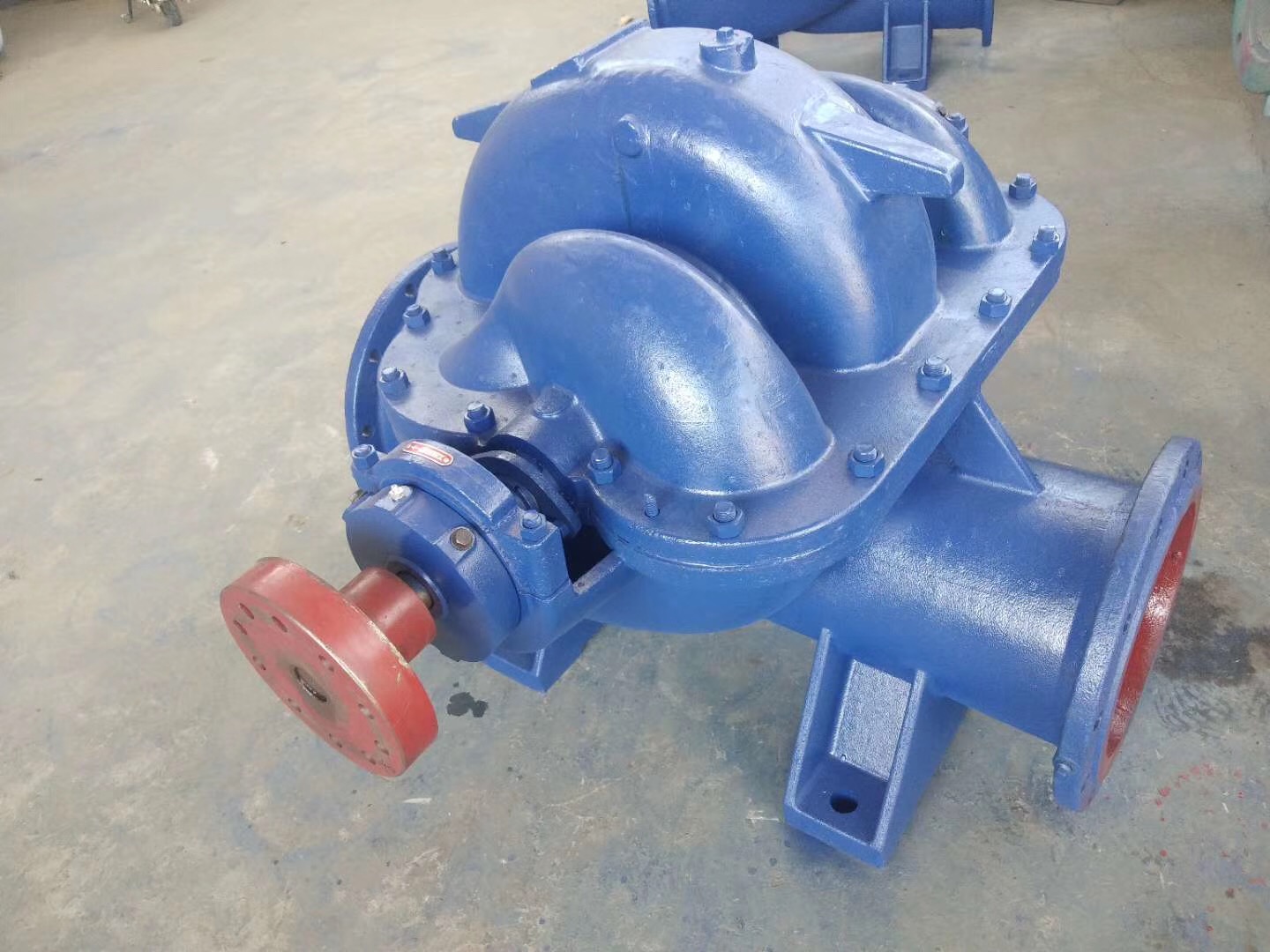
Engine driven slurry pumps represent a critical component in numerous industrial processes where the transport of abrasive or dense fluids is required. These pumps, self-contained with an integrated internal combustion engine, offer portability and independence from electrical power sources, making them ideal for remote locations, emergency applications, or situations where grid power is unavailable or unreliable. Unlike electrically driven pumps, they eliminate the need for generators or lengthy cable runs. The core performance characteristics revolve around flow rate (typically measured in gallons per minute or cubic meters per hour), head (pressure developed, in feet or meters), and solids handling capability (maximum particle size and concentration). The selection of an appropriate engine-driven slurry pump necessitates a detailed understanding of the slurry characteristics – density, viscosity, abrasiveness, and chemical composition – and the specific demands of the application. Industry challenges include minimizing wear, maximizing efficiency in demanding conditions, and ensuring compliance with increasingly stringent emissions regulations related to the engine component.
Material Science & Manufacturing
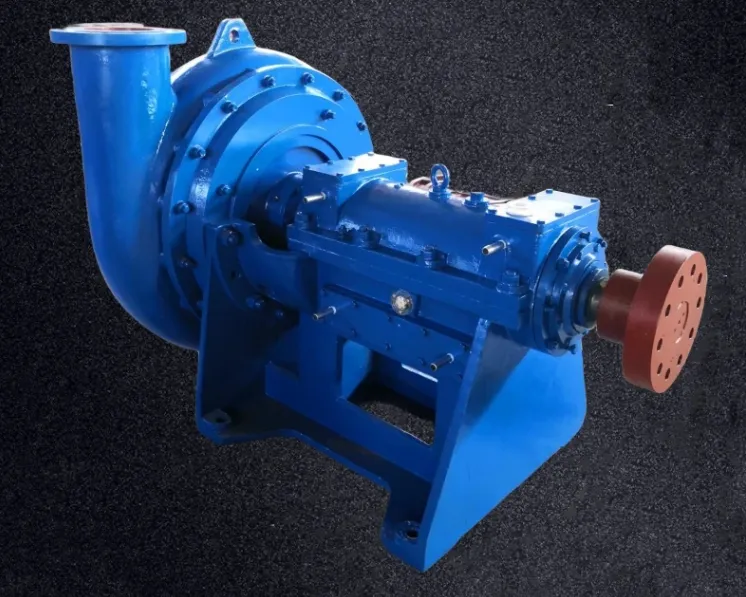
The construction of engine-driven slurry pumps involves a complex interplay of material science and manufacturing processes. Pump casings are frequently constructed from high-chromium cast iron (typically 26-30% chromium) or hardened stainless steels (e.g., duplex stainless steel, 2205) to provide exceptional abrasion resistance against the solid particles within the slurry. Impellers, the rotating components responsible for imparting energy to the fluid, often utilize similar materials or may incorporate tungsten carbide or ceramic liners for enhanced durability in highly abrasive environments. Shafts are typically made from alloy steels, heat-treated to maximize tensile strength and torsional rigidity. Seals are a critical area, employing materials like silicon carbide or tungsten carbide against tungsten carbide to minimize leakage and extend service life. The engine itself relies heavily on ferrous alloys, with critical components like the crankshaft and connecting rods forged from high-strength alloy steels. Manufacturing processes include sand casting for casings and impellers, precision machining for shafts and wear plates, and welding (SMAW, GTAW, or FCAW) for joining components. Parameter control is paramount: precise control of alloy composition during casting, accurate heat treatment cycles to achieve desired hardness levels, and stringent quality control during welding are essential to prevent premature failure. Chemical compatibility between the slurry and pump materials must be thoroughly assessed to prevent corrosion or erosion.
Performance & Engineering
The performance of engine-driven slurry pumps is dictated by a complex interplay of hydraulic and mechanical engineering principles. Force analysis involves evaluating the radial and axial loads imposed on the impeller shaft by the slurry flow, which determines bearing selection and shaft diameter. Cavitation, a phenomenon where vapor bubbles form and collapse within the pump, is a major concern, particularly with volatile or low-NPSH (Net Positive Suction Head) slurries. Pump design must mitigate cavitation through careful impeller geometry and optimized suction conditions. Environmental resistance is crucial; pumps operating outdoors must be protected from corrosion, extreme temperatures, and dust ingress. Compliance with emissions regulations (e.g., EPA Tier 4 Final for diesel engines) is increasingly important, necessitating the use of advanced engine technologies like diesel particulate filters (DPFs) and selective catalytic reduction (SCR) systems. The pump's hydraulic performance curve (head vs. flow rate) is a key engineering characteristic, allowing for selection of the optimal pump for a given application. System-level engineering considerations include pipe sizing, valve selection, and minimizing frictional losses to ensure efficient slurry transport. Finite element analysis (FEA) is commonly used to optimize pump casing geometry and stress distribution, enhancing structural integrity and preventing cracking.
Technical Specifications
| Parameter | Typical Range (Diesel Engine Driven) | Unit | Considerations |
|---|---|---|---|
| Flow Rate | 50 – 500 | GPM (Gallons Per Minute) | Dependent on impeller diameter and engine horsepower. |
| Total Head | 20 – 200 | ft (Feet) | Influenced by impeller design and pump speed. |
| Solids Handling Capacity | Up to 3 inches | Diameter | Determines the maximum particle size the pump can effectively transport. |
| Slurry Concentration (Max) | Up to 70% by weight | % | Higher concentrations require heavier-duty pump components. |
| Engine Power | 15 – 100 | HP (Horsepower) | Selected based on required flow rate and head. |
| Pump Casing Material | High-Chromium Cast Iron (26-30% Cr) | - | Provides excellent abrasion resistance. |
Failure Mode & Maintenance
Engine-driven slurry pumps are susceptible to several failure modes in practical applications. Fatigue cracking in the pump casing or impeller can occur due to cyclical loading from abrasive particles. Erosion, caused by the impact of solids against pump components, leads to gradual material loss and reduced pump performance. Delamination of wear-resistant coatings (e.g., tungsten carbide) can expose underlying materials to accelerated erosion. Bearing failure, often stemming from improper lubrication or excessive loading, results in increased vibration and potential pump seizure. Mechanical seal failure leads to leakage and potential contamination. Engine issues, such as fuel injector clogging, overheating, or oil contamination, can cause downtime. Preventive maintenance is crucial and includes regular inspection of wear parts (impellers, liners, seals), lubrication of bearings, monitoring of engine fluids, and periodic cleaning of the pump casing. Vibration analysis can detect early signs of bearing wear or impeller imbalance. Proper slurry pre-treatment (e.g., screening to remove oversized particles) can significantly extend pump life. Implementing a scheduled maintenance program, based on operating hours and slurry characteristics, is vital for maximizing uptime and minimizing repair costs.
Industry FAQ
Q: What is the impact of slurry viscosity on pump performance?
A: Increased slurry viscosity directly reduces pump flow rate and increases power consumption. Higher viscosity slurries require more energy to overcome internal friction and are more prone to cavitation. Selecting a pump with a larger impeller diameter and lower speed can help mitigate these effects, but careful consideration of the pump’s power requirements is essential.
Q: How do you select the appropriate pump casing material for a corrosive slurry?
A: Material selection must be based on a thorough chemical compatibility analysis. Stainless steels (particularly duplex stainless steel or super austenitic alloys) and specialized polymers are commonly used for corrosive slurries. The pH, temperature, and specific chemical composition of the slurry must be considered. Coatings (e.g., rubber linings, fluoropolymers) can also provide an additional barrier against corrosion.
Q: What are the key considerations for maintaining the engine in a remote location?
A: Remote locations require a comprehensive maintenance plan, including readily available spare parts (filters, belts, fuel injectors), a robust lubrication schedule, and remote monitoring capabilities. Training local personnel on basic maintenance procedures is crucial. Consider implementing a fuel polishing system to prevent fuel degradation and contamination.
Q: What are the advantages of using a diesel engine versus a gasoline engine for a slurry pump?
A: Diesel engines offer greater fuel efficiency, longer service life, and higher torque at lower speeds, making them better suited for the demanding duty cycles of slurry pumping applications. They also generally have lower fire risk compared to gasoline engines.
Q: How does solids concentration affect pump selection and performance?
A: Higher solids concentrations increase slurry density and abrasiveness. This necessitates the use of pumps with heavier-duty impellers, wear plates, and seals. Flow rate typically decreases with increasing solids concentration, and the pump may require a larger motor (or engine) to maintain the desired head. Proper slurry preparation (e.g., removing oversized particles) is crucial at high concentrations.
Conclusion
Engine driven slurry pumps represent a robust and versatile solution for fluid transfer in challenging environments. Proper selection necessitates a detailed understanding of the slurry’s physical and chemical properties, alongside a thorough assessment of the application's performance requirements. Material selection is paramount, with high-chromium cast irons and specialized stainless steels offering optimal abrasion and corrosion resistance. Effective preventive maintenance, including regular inspection and replacement of wear components, is critical for maximizing pump uptime and minimizing operational costs.
The future of engine-driven slurry pumps lies in continued advancements in engine technology, focusing on emissions reduction and fuel efficiency, and in the development of more wear-resistant materials and pump designs. Integration of real-time monitoring systems and predictive maintenance algorithms will further enhance reliability and reduce the total cost of ownership. As industrial applications continue to demand greater efficiency and environmental responsibility, engine-driven slurry pumps will remain a vital component of many critical processes.
-
Effluent vs Sump Pump Performance Analysis
News2026-05-22
-
effluent septic pump Performance Engineering
News2026-05-22
-
best sewer pumps Performance Engineering
News2026-05-22
-
best sewer pump Performance Analysis
News2026-05-22
-
best sewage pumps Performance Engineering
News2026-05-22
-
basement bathroom sewage pump Material Science Manufacturing
News2026-05-21
-
wastewater treatment plant pumps Material Science Manufacturing
News2026-05-21
-
waste water pump for basement Material Science Manufacturing
News2026-05-21
-
sump pump sewage Performance Analysis
News2026-05-21
-
sump pump for sewage Material Science and Manufacturing
News2026-05-21
-
sump pump for septic systems Material Science Manufacturing
News2026-05-20
-
sump pump and ejector pump Material Science Manufacturing
News2026-05-20
-
sewage treatment plant pumps Performance Analysis
News2026-05-20
-
sewage tank pump Material Science and Manufacturing
News2026-05-20
-
sewage pump for septic tank Performance Analysis
News2026-05-20




