English
- Afrikaans
- Albanian
- Amharic
- Arabic
- Armenian
- Azerbaijani
- Basque
- Belarusian
- Bengali
- Bosnian
- Bulgarian
- Catalan
- Cebuano
- Corsican
- Croatian
- Czech
- Danish
- Dutch
- English
- Esperanto
- Estonian
- Finnish
- French
- Frisian
- Galician
- Georgian
- German
- Greek
- Gujarati
- Haitian Creole
- hausa
- hawaiian
- Hebrew
- Hindi
- Miao
- Hungarian
- Icelandic
- igbo
- Indonesian
- irish
- Italian
- Japanese
- Javanese
- Kannada
- kazakh
- Khmer
- Rwandese
- Korean
- Kurdish
- Kyrgyz
- Lao
- Latin
- Latvian
- Lithuanian
- Luxembourgish
- Macedonian
- Malgashi
- Malay
- Malayalam
- Maltese
- Maori
- Marathi
- Mongolian
- Myanmar
- Nepali
- Norwegian
- Norwegian
- Occitan
- Pashto
- Persian
- Polish
- Portuguese
- Punjabi
- Romanian
- Russian
- Samoan
- Scottish Gaelic
- Serbian
- Sesotho
- Shona
- Sindhi
- Sinhala
- Slovak
- Slovenian
- Somali
- Spanish
- Sundanese
- Swahili
- Swedish
- Tagalog
- Tajik
- Tamil
- Tatar
- Telugu
- Thai
- Turkish
- Turkmen
- Ukrainian
- Urdu
- Uighur
- Uzbek
- Vietnamese
- Welsh
- Bantu
- Yiddish
- Yoruba
- Zulu

Telephone: +86 13120555503
Email: frank@cypump.com


Apr . 01, 2024 17:55 Back to list
electric submersible slurry pump Material Science Manufacturing
Introduction
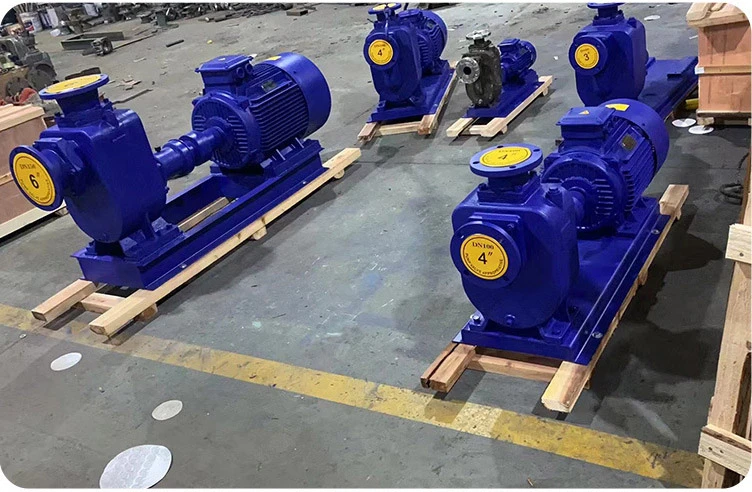
Electric Submersible Slurry Pumps (ESSPs) represent a critical component in numerous industrial processes demanding the efficient and reliable transfer of abrasive and high-solids content fluids. Positioned within the fluid handling sector, ESSPs bridge the gap between standard centrifugal pumps and more specialized positive displacement pumps. Unlike surface-mounted pumps, ESSPs are designed for full submersion within the slurry, eliminating the need for suction lift and minimizing cavitation risks. Core performance characteristics center around hydraulic efficiency, solids handling capability (measured by particle size and concentration), wear resistance, and overall operational longevity. Their application spans industries including mining, dredging, wastewater treatment, and chemical processing, where the transport of dense, abrasive slurries is commonplace. The industry pain point is consistently managing pump wear and maintaining operational uptime in harsh environments, necessitating robust materials and sophisticated design considerations. Furthermore, selecting the appropriate ESSP for a given slurry composition requires a detailed understanding of slurry rheology and pump material compatibility.
Material Science & Manufacturing
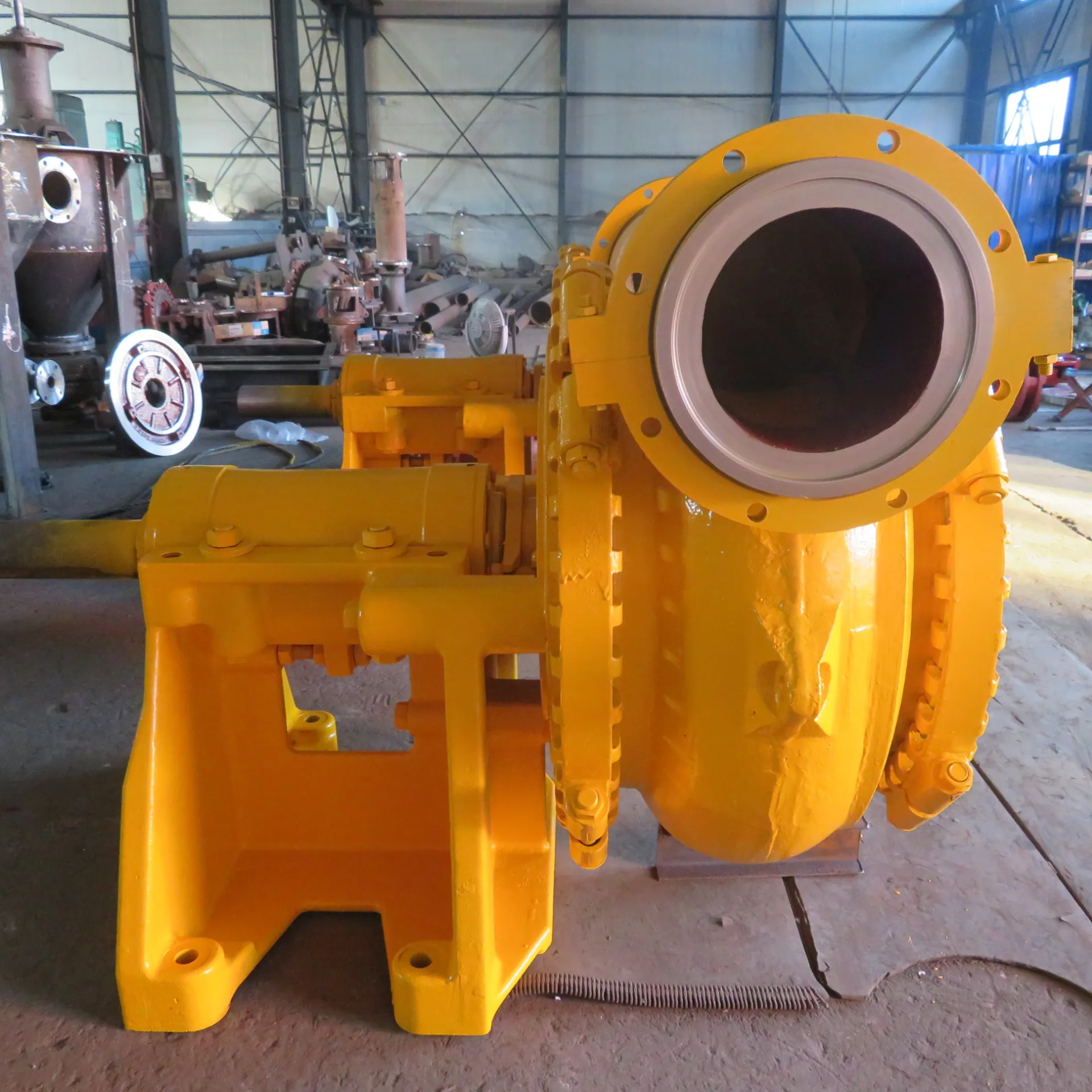
ESSPs rely on a combination of materials engineered for abrasion resistance and corrosion protection. Pump casings are typically constructed from high-chromium cast iron (typically 27% Cr) or specialized alloys like duplex stainless steel (e.g., 2205, 2507) depending on the slurry’s chemical composition. Impellers, the critical hydraulic component, are often manufactured from equally robust materials, frequently incorporating tungsten carbide inserts or coatings for enhanced wear resistance in extremely abrasive environments. Shafts are typically made from alloy steel, hardened and tempered to withstand torsional stress and bending loads. Elastomeric components, such as seals and liners, utilize materials like natural rubber, nitrile rubber, or polyurethane, chosen for their chemical compatibility with the slurry and their ability to dampen vibration.
Manufacturing processes involve several key stages. Casing production primarily utilizes sand casting followed by meticulous heat treatment to achieve desired mechanical properties. Impellers are often investment cast, allowing for complex geometries necessary for efficient slurry transport. Welding plays a crucial role in assembly, particularly for joining the pump shaft to the impeller. Critical welding parameters—such as welding current, voltage, and shielding gas composition—are tightly controlled to prevent porosity and ensure weld integrity. Post-welding, components undergo non-destructive testing (NDT), including radiographic inspection and ultrasonic testing, to verify weld quality. The electric motor, a separate but integrated component, is typically manufactured using standard processes for stator winding, rotor construction, and assembly, encapsulated in a water-tight housing. Parameter control during motor manufacturing focuses on insulation resistance and winding integrity to prevent electrical failure when submerged. Finally, meticulous quality control checks are performed on all components before final assembly and hydrostatic testing to ensure leak-free operation.
Performance & Engineering
The performance of an ESSP is governed by several engineering principles. Hydraulic design focuses on maximizing impeller efficiency while minimizing wear. This involves optimizing impeller blade angles, volute geometry, and clearance between rotating and stationary parts. Force analysis considers radial loads from slurry pressure, axial thrust from impeller imbalance, and torsional stress from motor drive. These forces dictate bearing selection and shaft design. Environmental resistance is critical, demanding robust sealing systems to prevent water ingress and corrosion-resistant materials to withstand the slurry's chemical attack. The pump's Net Positive Suction Head Required (NPSHR) is intrinsically low due to the submerged operation, minimizing cavitation risk. However, maintaining adequate submergence depth is vital to prevent vortex formation and air ingestion.
Compliance requirements vary by region. North American standards often reference Hydraulic Institute (HI) standards for pump performance testing. European regulations may mandate ATEX certification for use in potentially explosive atmospheres. Electrical safety standards, such as IEC 60034-1 for rotating electrical machines, are universally applicable. Furthermore, the pump's construction must adhere to pressure vessel codes (e.g., ASME Section VIII) if the casing is designed to withstand significant internal pressure. Functional implementation requires careful consideration of the slurry's rheological properties—viscosity, density, and particle size distribution—to select the appropriate impeller type and motor power. Variable Frequency Drives (VFDs) are frequently employed to control pump speed and flow rate, optimizing energy consumption and preventing impeller wear.
Technical Specifications
| Parameter | Unit | Typical Value (Range) | Testing Standard |
|---|---|---|---|
| Flow Rate | m³/h | 50 – 1500 | ISO 9906:2017 |
| Head | m | 20 – 200 | ISO 9906:2017 |
| Solids Handling Capacity | % by weight | Up to 70 | Internal Testing |
| Particle Size | mm | Up to 150 | Internal Testing |
| Motor Power | kW | 7.5 – 350 | IEC 60034 |
| Operating Voltage | V | 380-480 | IEC 60034 |
Failure Mode & Maintenance
ESSPs are susceptible to several failure modes. Abrasion is the most common, leading to impeller wear and casing erosion. Cavitation, though less frequent due to submersion, can occur if the slurry contains dissolved gases or if pump speed is excessive. Corrosion, particularly in aggressive chemical environments, can degrade pump materials over time. Mechanical failures include bearing wear, seal failure, and shaft breakage. Fatigue cracking can occur in the pump casing or impeller due to cyclic loading. Delamination of coatings (e.g., tungsten carbide) can reduce wear resistance. Oxidation of metallic components can occur at elevated temperatures.
Preventive maintenance is crucial. Regular inspection of impellers and casings for wear is essential. Bearing lubrication should be performed according to manufacturer recommendations. Seal replacement should be scheduled proactively to prevent leakage. Slurry analysis should be conducted periodically to monitor abrasive content and chemical composition. Vibration analysis can detect bearing wear or impeller imbalance. Corrective maintenance involves component replacement or repair. Impeller reconditioning (welding and re-coating) can extend component life. Casing repair may require welding or sleeving. In cases of severe corrosion, complete component replacement may be necessary. A robust maintenance program incorporating predictive maintenance techniques (e.g., vibration analysis, oil analysis) significantly reduces downtime and extends pump lifespan.
Industry FAQ
Q: What is the impact of slurry solids concentration on pump performance and wear rate?
A: Increasing solids concentration generally reduces pump efficiency and increases wear. Higher solids content leads to increased friction losses, reducing hydraulic efficiency. The abrasive action of the solids accelerates wear on impellers and casings. Optimal pump selection requires matching the pump's solids handling capability to the slurry concentration. For very high solids concentrations, positive displacement pumps might be more suitable than centrifugal ESSPs.
Q: How does the chemical composition of the slurry affect material selection for the pump?
A: The slurry's pH, presence of corrosive agents (acids, alkalis, chlorides), and abrasive particles dictate material selection. Acidic slurries require corrosion-resistant alloys like stainless steel or Hastelloy. Alkaline slurries may require different alloys with resistance to specific alkaline compounds. High chloride concentrations can cause pitting corrosion in stainless steel, necessitating duplex stainless steel or titanium alloys. The abrasive nature of the particles dictates the need for hardfacing materials like tungsten carbide.
Q: What are the key considerations for selecting the appropriate impeller type for a specific slurry?
A: Impeller type significantly impacts pump performance. Radial impellers are suitable for moderate solids concentrations and relatively low head applications. Axial flow impellers are ideal for high flow rates and low head applications with low to moderate solids concentration. Mixed flow impellers offer a compromise between radial and axial designs. Open impellers are less susceptible to clogging but have lower efficiency. Closed impellers offer higher efficiency but can become clogged in slurries with high solids content. The impeller material must also be compatible with the slurry.
Q: How can we mitigate the risk of cavitation in an ESSP, even though it’s submerged?
A: While submersion reduces NPSHR requirements, cavitation can still occur. Maintaining adequate submergence depth is crucial. Controlling pump speed is critical; excessive speeds increase the risk of cavitation. Ensuring the slurry is free of dissolved gases (degassing) can help. Monitoring pump vibration can indicate the onset of cavitation. Proper impeller design and surface finish can also minimize cavitation susceptibility.
Q: What is the role of variable frequency drives (VFDs) in ESSP applications, and what are the associated benefits?
A: VFDs allow precise control of pump speed and flow rate, optimizing performance and energy consumption. Reducing pump speed reduces wear, extending pump lifespan. VFDs can be used to prevent impeller clogging by temporarily increasing flow rate. They also provide soft starting and stopping, reducing stress on the pump and electrical system. VFDs enable automated operation based on process demand, improving efficiency and reducing operating costs.
Conclusion
Electric Submersible Slurry Pumps are indispensable tools for industries grappling with abrasive and high-solids content fluids. Their inherent design, offering full submersion and eliminating suction lift, provides a distinct advantage over conventional pumping solutions. However, maximizing performance and longevity requires a holistic understanding of material science, manufacturing processes, and operational parameters. The selection of appropriate materials – from high-chromium cast iron to specialized alloys – is paramount in mitigating abrasion and corrosion, the primary drivers of failure.
Ultimately, a proactive approach to maintenance, incorporating regular inspections, predictive analysis, and timely component replacement, is crucial for minimizing downtime and optimizing lifecycle costs. Furthermore, adherence to relevant industry standards and regulations ensures both safety and compliance. As slurry compositions become increasingly complex and environmental concerns grow, continuous innovation in ESSP design and materials will be essential to meet the evolving demands of the industries they serve.
-
Precision at the Pump: How Better Machining Protects Flow and Uptime
News2026-11-20
-
Why Pump Reliability Begins Before the First Drop of Fluid
News2026-11-20
-
Beyond the Pump: Designing Safer Access Around Critical Water Infrastructure
News2026-11-20
-
Why Pumping Stations Depend on the Infrastructure Beneath the Pumps
News2026-11-20
-
Beyond the Pump Room: How Smarter Loading Protects Industrial Equipment
News2026-11-19
-
When Pumps Stop: Designing More Resilient Power for Critical Pumping Systems
News2026-11-19
-
The Hidden Role of Dust and Gas Monitoring in Reliable Pump Operations
News2026-11-19
-
The Hidden Role of Mineral Compounds in Extending Industrial Pump Lifespan
News2026-10-12
-
Why Pump System Reliability Depends on Precision Hose Assembly Methods
News2026-09-15
-
How Advanced Imaging Films Are Transforming Pump Component Quality Control
News2026-08-25
-
How Advanced Filtration Protects Pump Systems from Premature Wear and Costly Downtime
News2026-08-25
-
How Steel Material Selection Drives Pump Reliability in Heavy-Duty Systems
News2026-08-25
-
Ensuring Pump System Efficiency: The Role of High-Quality Pipe Fittings and Tubing
News2026-08-24
-
Optimizing Fluid Dynamics and Material Consistency in Industrial Processing
News2026-08-18
-
Innovations and Challenges in Hydraulic Systems for Heavy Machinery
News2026-08-13




