English
- Afrikaans
- Albanian
- Amharic
- Arabic
- Armenian
- Azerbaijani
- Basque
- Belarusian
- Bengali
- Bosnian
- Bulgarian
- Catalan
- Cebuano
- Corsican
- Croatian
- Czech
- Danish
- Dutch
- English
- Esperanto
- Estonian
- Finnish
- French
- Frisian
- Galician
- Georgian
- German
- Greek
- Gujarati
- Haitian Creole
- hausa
- hawaiian
- Hebrew
- Hindi
- Miao
- Hungarian
- Icelandic
- igbo
- Indonesian
- irish
- Italian
- Japanese
- Javanese
- Kannada
- kazakh
- Khmer
- Rwandese
- Korean
- Kurdish
- Kyrgyz
- Lao
- Latin
- Latvian
- Lithuanian
- Luxembourgish
- Macedonian
- Malgashi
- Malay
- Malayalam
- Maltese
- Maori
- Marathi
- Mongolian
- Myanmar
- Nepali
- Norwegian
- Norwegian
- Occitan
- Pashto
- Persian
- Polish
- Portuguese
- Punjabi
- Romanian
- Russian
- Samoan
- Scottish Gaelic
- Serbian
- Sesotho
- Shona
- Sindhi
- Sinhala
- Slovak
- Slovenian
- Somali
- Spanish
- Sundanese
- Swahili
- Swedish
- Tagalog
- Tajik
- Tamil
- Tatar
- Telugu
- Thai
- Turkish
- Turkmen
- Ukrainian
- Urdu
- Uighur
- Uzbek
- Vietnamese
- Welsh
- Bantu
- Yiddish
- Yoruba
- Zulu

Telephone: +86 13120555503
Email: frank@cypump.com


Apr . 01, 2024 17:55 Back to list
ebara slurry pump Material Science Manufacturing
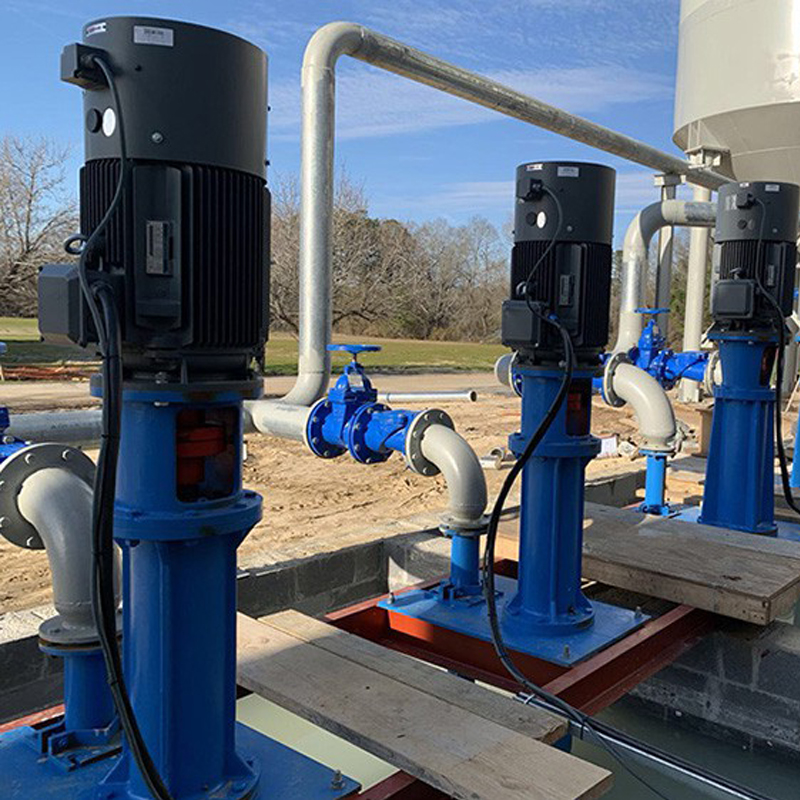
Introduction
Ebara slurry pumps are centrifugal pumps specifically engineered for the challenging task of transporting abrasive, corrosive, and high-solids content fluids – commonly referred to as slurries. Positioned within the mineral processing, wastewater treatment, chemical processing, and dredging industries, these pumps represent a critical component in process efficiency and operational reliability. Unlike standard centrifugal pumps, Ebara slurry pumps incorporate design features focusing on wear resistance, hydraulic optimization for solids handling, and robust mechanical seals to minimize downtime and maintenance. Core performance characteristics center on flow rate (m³/h), head (m), and solids handling capacity (percentage by weight or particle size), all dictated by the specific slurry composition and application requirements. A key industry pain point addressed by Ebara slurry pumps is the premature failure of components due to erosion and corrosion, leading to substantial production losses and maintenance costs.
Material Science & Manufacturing
The construction of Ebara slurry pumps relies heavily on material science principles to withstand the harsh operating environments. Pump casings are frequently manufactured from high-chrome iron alloys (typically 27-30% chromium) offering exceptional abrasion resistance. Impellers can be constructed from similar high-chrome iron, or alternatively, utilize specialized materials like ceramic or polyurethane elastomers for extreme wear applications. Shaft materials typically consist of stainless steel (e.g., 316, 410) chosen for their corrosion resistance and mechanical strength. Rubber liners (natural or synthetic) are frequently employed within the casing to dampen noise and provide additional protection against erosion. Manufacturing processes involve casting (for casings and impellers), forging (for shafts), and rubber molding (for liners). Key parameter control during manufacturing includes precise alloy composition verification via spectroscopic analysis, heat treatment to optimize material hardness and toughness, and dimensional accuracy achieved through CNC machining. Welding processes, when applicable, adhere to strict standards (AWS D1.1) to ensure structural integrity. The selection of elastomers for liners is critically dependent on chemical compatibility with the conveyed slurry – resistance to swelling, degradation, and loss of mechanical properties is paramount. A common challenge is selecting materials that balance abrasion resistance with corrosion resistance; a material highly resistant to abrasion may be susceptible to corrosion in acidic slurries, and vice-versa.
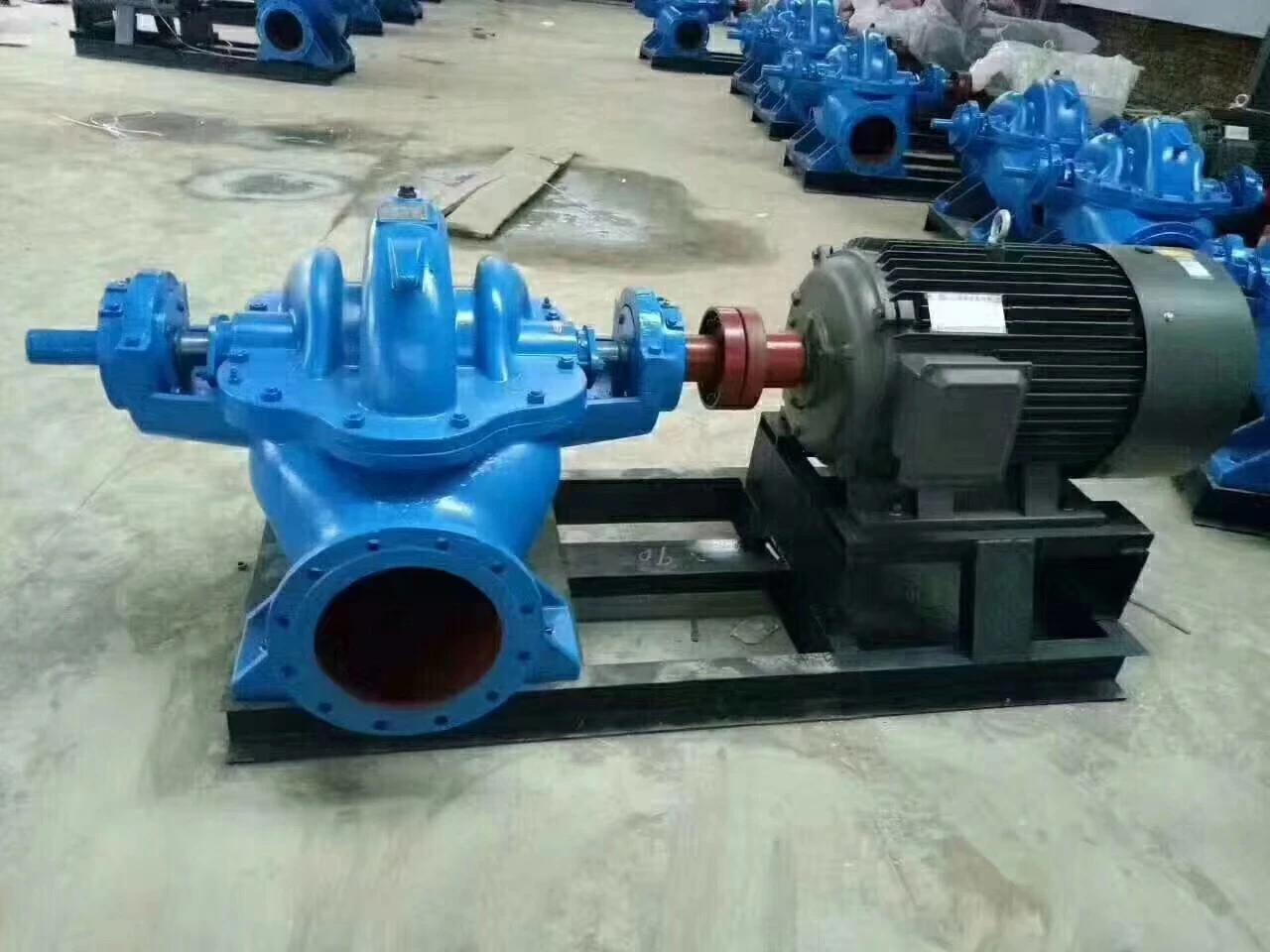
Performance & Engineering
Performance of Ebara slurry pumps is governed by hydraulic principles relating to fluid flow, head loss, and solids transport. The pump's hydraulic design focuses on minimizing turbulence and maximizing impeller efficiency while simultaneously preventing solids settling and clogging. Force analysis considers the dynamic forces exerted by the slurry on the impeller and casing, as well as the static loads due to the pump’s weight and piping connections. Environmental resistance is crucial; pumps operating outdoors require consideration of temperature variations, UV exposure, and potential for freezing. Compliance requirements depend on the application and geographical location, including adherence to environmental regulations regarding discharge water quality and noise emissions. Mechanical seals are a critical engineering component, often utilizing double mechanical seals with barrier fluid systems to prevent slurry ingress and ensure long-term reliability. Seal face materials (e.g., silicon carbide, tungsten carbide) are selected based on slurry composition and abrasiveness. Pump curves (head vs. flow rate) are generated through rigorous testing to predict performance under varying operating conditions. Net Positive Suction Head Required (NPSHr) is a critical parameter to prevent cavitation, a phenomenon causing impeller damage and reduced pump efficiency. Proper pump selection considers the slurry’s specific gravity, viscosity, and particle size distribution to avoid exceeding the pump’s operational limits.
Technical Specifications
| Model Number | Maximum Flow Rate (m³/h) | Maximum Head (m) | Maximum Solids Concentration (% by weight) |
|---|---|---|---|
| Ebara DWM Series - 80 | 80 | 60 | 30 |
| Ebara DWM Series - 150 | 150 | 80 | 25 |
| Ebara DWM Series - 250 | 250 | 100 | 20 |
| Ebara DWM Series - 350 | 350 | 120 | 15 |
| Ebara DWM Series - 450 | 450 | 150 | 10 |
| Ebara DWM Series - 600 | 600 | 180 | 5 |
Failure Mode & Maintenance
Ebara slurry pumps, while robust, are susceptible to specific failure modes. Fatigue cracking in the impeller and casing can occur due to cyclical loading from solids impact and stress concentration. Erosion, particularly at the impeller vanes and casing volute, leads to material loss and reduced pump efficiency. Delamination of rubber liners can occur if the adhesive bond weakens due to chemical attack or mechanical stress. Corrosion, depending on the slurry chemistry, can result in pitting, crevice corrosion, and general material degradation. Oxidation of metallic components can also occur, particularly at elevated temperatures. Maintenance strategies include regular visual inspections for wear and corrosion, monitoring vibration levels to detect bearing issues, and periodic replacement of wear parts (impellers, liners, seals). Preventive maintenance programs should include flushing the pump casing to remove accumulated solids and verifying the mechanical seal integrity. Failure analysis should involve metallographic examination to identify the root cause of material failure (e.g., corrosion, erosion, fatigue). Implementing a lubrication schedule for bearings is crucial. The selection of spare parts must match the original material specifications to maintain performance and reliability. Proper storage of spare parts is also vital to prevent corrosion or degradation before use.
Industry FAQ
Q: What is the primary difference between a standard centrifugal pump and an Ebara slurry pump?
A: The primary difference lies in the materials of construction and hydraulic design. Ebara slurry pumps utilize abrasion and corrosion-resistant materials (high-chrome iron, ceramics, elastomers) and incorporate wider flow passages and impeller designs to handle high solids content without clogging. Standard centrifugal pumps are not designed for abrasive slurries and will experience rapid wear and failure.
Q: How do I select the correct Ebara slurry pump for my application?
A: Pump selection requires a thorough understanding of the slurry characteristics – solids concentration, particle size distribution, specific gravity, viscosity, and chemical composition. We need to know the required flow rate, head, and operating conditions. Ebara provides pump selection software and engineering support to assist with proper sizing.
Q: What is the expected lifespan of an Ebara slurry pump impeller?
A: Impeller lifespan is highly variable and dependent on slurry abrasiveness and operating conditions. In moderately abrasive slurries, an impeller may last 12-18 months. In highly abrasive applications, lifespan may be reduced to 6 months or less. Regular inspections and material selection are key to maximizing impeller life.
Q: What type of mechanical seal is best suited for handling abrasive slurries?
A: Double mechanical seals with a barrier fluid system are generally recommended for abrasive slurries. The barrier fluid lubricates and cools the seal faces, preventing abrasive particles from entering and causing premature failure. Seal face materials like silicon carbide and tungsten carbide offer excellent wear resistance.
Q: What are the common causes of pump cavitation in slurry applications?
A: Cavitation occurs when the absolute pressure at the pump suction drops below the vapor pressure of the slurry. This can be caused by insufficient NPSH (Net Positive Suction Head), high slurry viscosity, or restrictions in the suction piping. Ensuring adequate NPSH and proper piping design are crucial for preventing cavitation.
Conclusion
Ebara slurry pumps represent a sophisticated engineering solution for the demanding requirements of slurry transport. Their design, rooted in material science and hydraulic optimization, addresses the critical industry pain points of wear, corrosion, and solids handling. Proper pump selection, based on a thorough understanding of slurry characteristics and application requirements, is paramount for achieving reliable and efficient operation.
The ongoing evolution of materials and pump designs promises further improvements in slurry pump performance and longevity. Future trends include the development of more wear-resistant alloys, advanced sealing technologies, and improved monitoring systems for predicting and preventing pump failures. Maintaining a robust preventive maintenance program and performing regular failure analysis will remain essential for maximizing the return on investment in Ebara slurry pump technology.
-
basement bathroom sewage pump Material Science Manufacturing
News2026-05-21
-
wastewater treatment plant pumps Material Science Manufacturing
News2026-05-21
-
waste water pump for basement Material Science Manufacturing
News2026-05-21
-
sump pump sewage Performance Analysis
News2026-05-21
-
sump pump for sewage Material Science and Manufacturing
News2026-05-21
-
sump pump for septic systems Material Science Manufacturing
News2026-05-20
-
sump pump and ejector pump Material Science Manufacturing
News2026-05-20
-
sewage treatment plant pumps Performance Analysis
News2026-05-20
-
sewage tank pump Material Science and Manufacturing
News2026-05-20
-
sewage pump for septic tank Performance Analysis
News2026-05-20
-
Sewage Pump and Tank Performance Analysis
News2026-05-19
-
Sewage Ejector Pump Replacement Performance Analysis
News2026-05-19
-
sewage ejector pump for basement bathroom Material Science Manufacturing
News2026-05-19
-
sewage ejection pump Material Science and Manufacturing
News2026-05-19
-
in line sewage pump Performance Analysis
News2026-05-19




