English
- Afrikaans
- Albanian
- Amharic
- Arabic
- Armenian
- Azerbaijani
- Basque
- Belarusian
- Bengali
- Bosnian
- Bulgarian
- Catalan
- Cebuano
- Corsican
- Croatian
- Czech
- Danish
- Dutch
- English
- Esperanto
- Estonian
- Finnish
- French
- Frisian
- Galician
- Georgian
- German
- Greek
- Gujarati
- Haitian Creole
- hausa
- hawaiian
- Hebrew
- Hindi
- Miao
- Hungarian
- Icelandic
- igbo
- Indonesian
- irish
- Italian
- Japanese
- Javanese
- Kannada
- kazakh
- Khmer
- Rwandese
- Korean
- Kurdish
- Kyrgyz
- Lao
- Latin
- Latvian
- Lithuanian
- Luxembourgish
- Macedonian
- Malgashi
- Malay
- Malayalam
- Maltese
- Maori
- Marathi
- Mongolian
- Myanmar
- Nepali
- Norwegian
- Norwegian
- Occitan
- Pashto
- Persian
- Polish
- Portuguese
- Punjabi
- Romanian
- Russian
- Samoan
- Scottish Gaelic
- Serbian
- Sesotho
- Shona
- Sindhi
- Sinhala
- Slovak
- Slovenian
- Somali
- Spanish
- Sundanese
- Swahili
- Swedish
- Tagalog
- Tajik
- Tamil
- Tatar
- Telugu
- Thai
- Turkish
- Turkmen
- Ukrainian
- Urdu
- Uighur
- Uzbek
- Vietnamese
- Welsh
- Bantu
- Yiddish
- Yoruba
- Zulu

Telephone: +86 13120555503
Email: frank@cypump.com


Apr . 01, 2024 17:55 Back to list
drinking water transfer pump Performance Analysis
Introduction
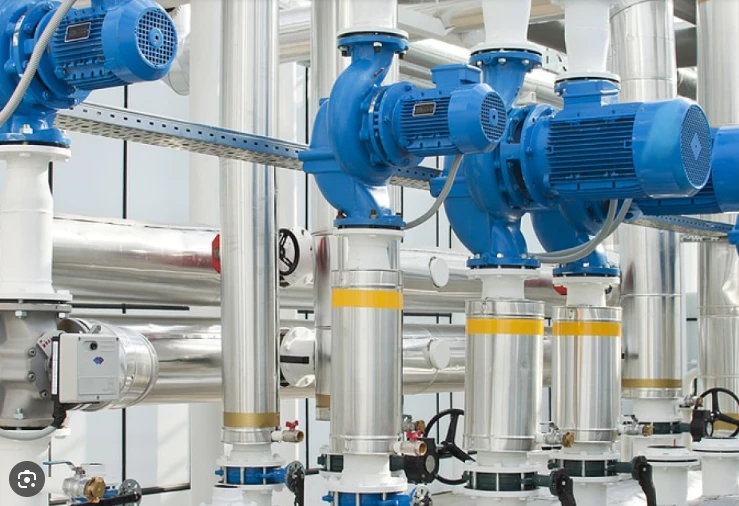
Drinking water transfer pumps are critical components in municipal water distribution, industrial processing, and agricultural irrigation systems. These pumps are specifically designed to convey potable water, requiring materials and construction methods that ensure water quality is maintained and public health is protected. Unlike pumps used for wastewater or other industrial fluids, drinking water transfer pumps must adhere to stringent regulatory standards concerning materials leaching, corrosion resistance, and hygienic design. Their technical position within the water infrastructure chain is typically after water treatment (filtration, disinfection) and before distribution to end-users. Core performance characteristics include flow rate (gallons per minute or liters per hour), head (the height to which the pump can lift the water), and energy efficiency, all of which are optimized for specific application demands. A significant industry pain point is balancing high flow rates with energy consumption, particularly as water demand fluctuates and grid infrastructure ages. Furthermore, ensuring long-term reliability and minimizing maintenance downtime are essential for maintaining uninterrupted water supply.
Material Science & Manufacturing
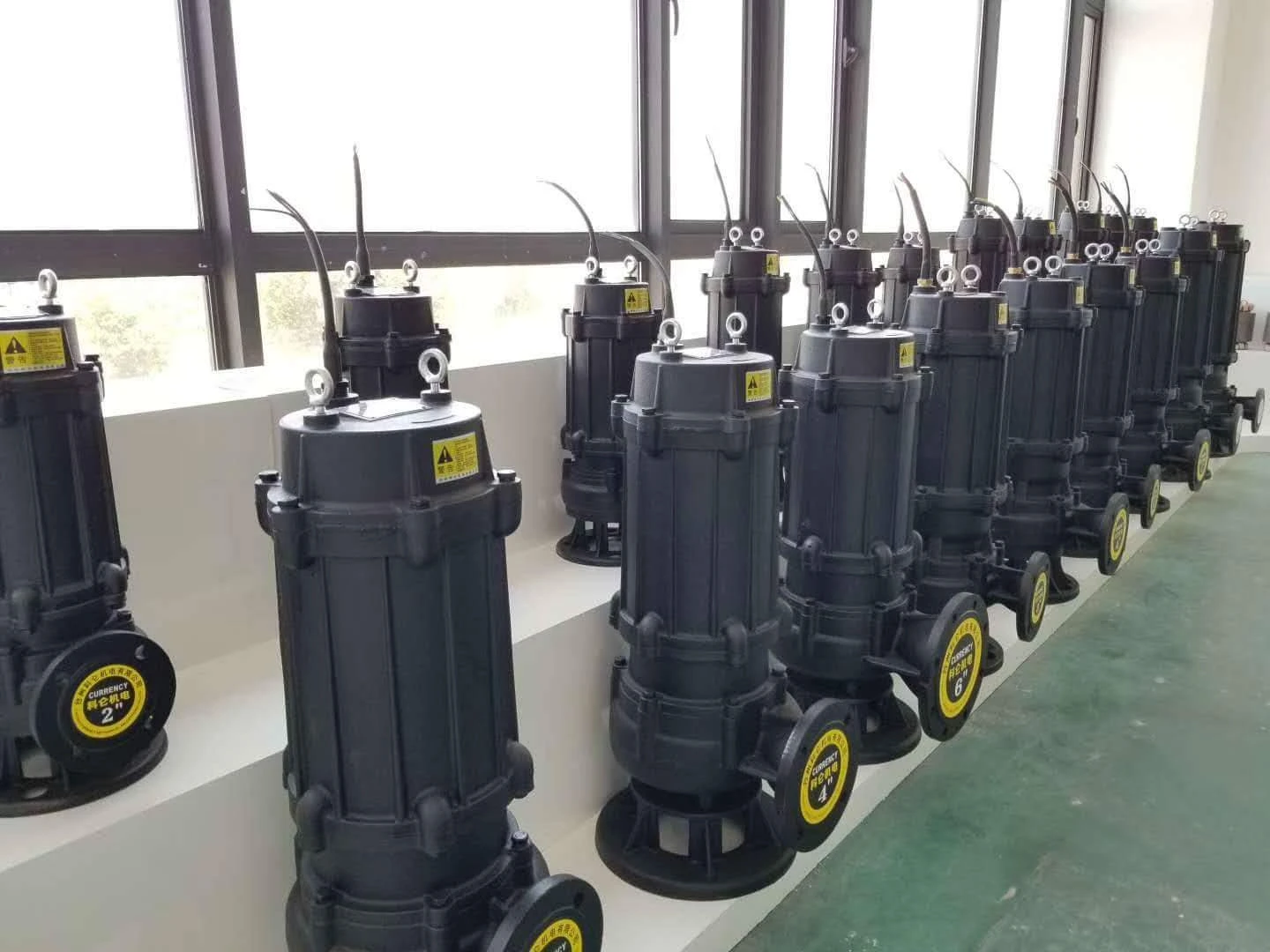
The materials utilized in drinking water transfer pumps are paramount to their functionality and compliance. Pump housings are commonly constructed from ductile iron (ASTM A536), stainless steel (304 or 316L, conforming to ASTM A240), or engineered polymers like polypropylene (PP) or polyvinylidene fluoride (PVDF). Ductile iron provides robust mechanical strength and cost-effectiveness, but requires an internal epoxy coating (NSF/ANSI 61 certified) to prevent corrosion and leaching. Stainless steel offers superior corrosion resistance and hygienic properties, making it ideal for critical components like impellers and diffusers. Engineered polymers provide excellent chemical resistance but may be limited in temperature and pressure applications. Impellers are often manufactured using investment casting or precision machining to achieve optimal hydrodynamic efficiency. Pump seals are a critical area; materials like Viton (fluoroelastomer) or EPDM (ethylene propylene diene monomer) rubber are employed due to their compatibility with potable water and ability to maintain a tight seal under pressure. Manufacturing processes involve sand casting for housings, CNC machining for impellers and shafts, and injection molding for polymeric components. Key parameter control includes maintaining tight tolerances during machining to minimize vibration and cavitation, ensuring proper heat treatment of ductile iron to achieve desired mechanical properties, and verifying coating thickness and adhesion to prevent corrosion. Weldments, if present, must be performed by certified welders following ASME Section IX standards to ensure structural integrity.
Performance & Engineering
The performance of drinking water transfer pumps is dictated by several key engineering principles. Pump selection relies heavily on system head loss calculations, accounting for pipe friction, elevation changes, and dynamic losses at fittings. The pump's hydraulic power requirement is determined by the flow rate and total dynamic head (TDH). Affinity laws govern the relationship between flow, head, and power; changes in impeller diameter or pump speed significantly impact these parameters. Cavitation, a major concern, occurs when the absolute pressure at the pump inlet falls below the vapor pressure of the water, forming vapor bubbles that collapse and damage the impeller. Net Positive Suction Head Required (NPSHr), a pump characteristic, must be less than the Net Positive Suction Head Available (NPSHa) in the system to prevent cavitation. Environmental resistance is crucial; pumps operating outdoors must withstand temperature extremes, UV exposure, and potential corrosion from atmospheric contaminants. Compliance requirements include meeting NSF/ANSI 61 standards for materials in contact with drinking water, as well as adherence to relevant electrical safety standards (UL, CSA, IEC). Force analysis is essential to ensure the pump casing and support structure can withstand the hydraulic forces generated during operation. Proper pump alignment is critical to minimize vibration, bearing wear, and seal failure.
Technical Specifications
| Parameter | Centrifugal Pump (Standard) | Vertical Turbine Pump | Submersible Pump | Positive Displacement Pump (e.g., Diaphragm) |
|---|---|---|---|---|
| Flow Rate (GPM) | 50-500 | 100-2000 | 20-300 | 1-10 |
| Head (ft) | 50-200 | 200-800 | 10-150 | Up to 300 (depending on diaphragm size) |
| Power (HP) | 3-50 | 25-200 | 1-10 | 0.5-5 |
| Maximum Operating Pressure (PSI) | 150 | 250 | 100 | 120 |
| Material (Housing) | Ductile Iron (Epoxy Coated) | Stainless Steel (316L) | Stainless Steel (304) | PP/PVDF |
| Seal Material | Viton/EPDM | Viton/Ceramic | Viton/Silicon Carbide | PTFE |
Failure Mode & Maintenance
Drinking water transfer pumps are susceptible to several failure modes. Cavitation, as previously mentioned, causes impeller erosion and reduced pump efficiency. Corrosion, particularly in non-stainless steel components, leads to material degradation and leakage. Seal failure is a common issue, resulting in water loss and potential contamination. Bearing failure, often caused by improper lubrication or misalignment, manifests as increased vibration and noise. Fatigue cracking in pump housings can occur due to cyclic loading and stress concentrations. Degradation of polymeric components due to UV exposure or chemical attack can compromise their structural integrity. Oxidation of metallic components, especially in stagnant water conditions, can lead to corrosion and reduced performance. Maintenance protocols should include regular inspection of seals and bearings, lubrication according to manufacturer’s recommendations, monitoring of vibration levels, and periodic testing of water quality to detect potential contamination. Preventive maintenance should also involve flushing the pump and piping system to remove sediment buildup. For corrosion prevention, sacrificial anodes can be used in ductile iron pumps. If cavitation is detected, system analysis and adjustments to flow rate or pipe sizing are necessary. Non-destructive testing methods, such as ultrasonic inspection, can be employed to detect cracks and assess material thickness.
Industry FAQ
Q: What are the key differences between centrifugal and positive displacement pumps for drinking water applications?
A: Centrifugal pumps are best suited for high-flow, low-head applications and are generally more cost-effective for large volume transfers. They are less sensitive to solids but less efficient at higher heads. Positive displacement pumps, like diaphragm pumps, deliver a constant flow rate regardless of pressure and are ideal for low-flow, high-head applications or when precise dosing is required. They are self-priming and can handle viscous fluids, but are generally more expensive and have lower flow capacities.
Q: How does water hammer affect drinking water transfer pump systems?
A: Water hammer, a pressure surge caused by sudden changes in flow velocity, can severely damage pumps, pipes, and valves. Rapid valve closure or pump start/stop events are common causes. Mitigation strategies include using slow-closing valves, employing surge tanks or accumulators, and implementing controlled pump start/stop procedures with variable frequency drives (VFDs).
Q: What is the significance of NSF/ANSI 61 certification?
A: NSF/ANSI 61 certification ensures that materials used in contact with drinking water do not leach harmful contaminants into the water supply. This certification is mandatory for components in many jurisdictions and is crucial for protecting public health. It involves rigorous testing of materials to assess their potential for leaching lead, copper, and other harmful substances.
Q: What preventative measures can be taken to minimize corrosion in ductile iron pumps?
A: Applying a high-quality epoxy coating (NSF/ANSI 61 certified) to the internal surfaces of the pump housing is the primary method for corrosion prevention. Sacrificial anodes, typically made of zinc or magnesium, can also be used to provide cathodic protection. Proper water chemistry control, maintaining appropriate pH levels, and minimizing stagnant water conditions can further reduce corrosion rates.
Q: How do VFDs improve the efficiency of drinking water transfer pumps?
A: Variable Frequency Drives (VFDs) allow pump speed to be adjusted to match actual demand, significantly reducing energy consumption. By slowing down the pump during periods of low demand, VFDs decrease flow rate and head, resulting in substantial energy savings. VFDs also provide soft starting and stopping capabilities, minimizing water hammer and extending pump life.
Conclusion
Drinking water transfer pumps are essential infrastructure components demanding meticulous material selection, precise manufacturing, and diligent maintenance to ensure the safe and reliable delivery of potable water. The ongoing challenge lies in optimizing performance while minimizing energy consumption and mitigating the risk of failure. Adherence to stringent regulatory standards, such as NSF/ANSI 61, is paramount, and proactive monitoring of system parameters – including flow, pressure, and vibration – is vital for preventing catastrophic failures.
Future advancements in pump technology will likely focus on developing more energy-efficient designs, incorporating smart sensors for predictive maintenance, and utilizing advanced materials with enhanced corrosion resistance. The integration of digital control systems and data analytics will further optimize pump performance and enable proactive management of water distribution networks, ultimately contributing to a more sustainable and resilient water supply.
-
Precision at the Pump: How Better Machining Protects Flow and Uptime
News2026-11-20
-
Why Pump Reliability Begins Before the First Drop of Fluid
News2026-11-20
-
Beyond the Pump: Designing Safer Access Around Critical Water Infrastructure
News2026-11-20
-
Why Pumping Stations Depend on the Infrastructure Beneath the Pumps
News2026-11-20
-
Beyond the Pump Room: How Smarter Loading Protects Industrial Equipment
News2026-11-19
-
When Pumps Stop: Designing More Resilient Power for Critical Pumping Systems
News2026-11-19
-
The Hidden Role of Dust and Gas Monitoring in Reliable Pump Operations
News2026-11-19
-
The Hidden Role of Mineral Compounds in Extending Industrial Pump Lifespan
News2026-10-12
-
Why Pump System Reliability Depends on Precision Hose Assembly Methods
News2026-09-15
-
How Advanced Imaging Films Are Transforming Pump Component Quality Control
News2026-08-25
-
How Advanced Filtration Protects Pump Systems from Premature Wear and Costly Downtime
News2026-08-25
-
How Steel Material Selection Drives Pump Reliability in Heavy-Duty Systems
News2026-08-25
-
Ensuring Pump System Efficiency: The Role of High-Quality Pipe Fittings and Tubing
News2026-08-24
-
Optimizing Fluid Dynamics and Material Consistency in Industrial Processing
News2026-08-18
-
Innovations and Challenges in Hydraulic Systems for Heavy Machinery
News2026-08-13




