English
- Afrikaans
- Albanian
- Amharic
- Arabic
- Armenian
- Azerbaijani
- Basque
- Belarusian
- Bengali
- Bosnian
- Bulgarian
- Catalan
- Cebuano
- Corsican
- Croatian
- Czech
- Danish
- Dutch
- English
- Esperanto
- Estonian
- Finnish
- French
- Frisian
- Galician
- Georgian
- German
- Greek
- Gujarati
- Haitian Creole
- hausa
- hawaiian
- Hebrew
- Hindi
- Miao
- Hungarian
- Icelandic
- igbo
- Indonesian
- irish
- Italian
- Japanese
- Javanese
- Kannada
- kazakh
- Khmer
- Rwandese
- Korean
- Kurdish
- Kyrgyz
- Lao
- Latin
- Latvian
- Lithuanian
- Luxembourgish
- Macedonian
- Malgashi
- Malay
- Malayalam
- Maltese
- Maori
- Marathi
- Mongolian
- Myanmar
- Nepali
- Norwegian
- Norwegian
- Occitan
- Pashto
- Persian
- Polish
- Portuguese
- Punjabi
- Romanian
- Russian
- Samoan
- Scottish Gaelic
- Serbian
- Sesotho
- Shona
- Sindhi
- Sinhala
- Slovak
- Slovenian
- Somali
- Spanish
- Sundanese
- Swahili
- Swedish
- Tagalog
- Tajik
- Tamil
- Tatar
- Telugu
- Thai
- Turkish
- Turkmen
- Ukrainian
- Urdu
- Uighur
- Uzbek
- Vietnamese
- Welsh
- Bantu
- Yiddish
- Yoruba
- Zulu

Telephone: +86 13120555503
Email: frank@cypump.com


Apr . 01, 2024 17:55 Back to list
dredge slurry pumps Material Science Manufacturing
Introduction
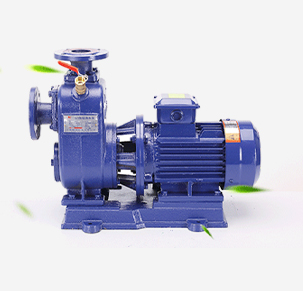
Dredge slurry pumps are specialized centrifugal pumps designed for the continuous transportation of abrasive, dense slurries encountered in dredging, mining, and heavy industrial applications. Distinguished by their robust construction and ability to handle high solids concentrations, these pumps occupy a critical position within the sediment transport and material handling chain. Unlike standard centrifugal pumps which are susceptible to rapid wear from abrasive particles, dredge slurry pumps incorporate wear-resistant materials and hydraulic designs optimized for slurry flow. Core performance metrics include flow rate (m³/hr), head (m), solids handling capability (by weight and diameter), and pump efficiency. The primary industry pain points revolve around abrasion-induced wear, impeller erosion, seal failures due to slurry ingress, and maintaining consistent performance under fluctuating slurry characteristics. Addressing these challenges necessitates advanced materials, optimized impeller geometry, and robust sealing solutions.
Material Science & Manufacturing
The construction of dredge slurry pumps fundamentally relies on material selection to resist abrasive wear and corrosion. Impellers and volute casings are typically manufactured from high-chromium cast iron alloys (e.g., 27% Cr alloy), offering excellent hardness and abrasion resistance. Liners, frequently employed in pump casings, are often constructed from rubber (natural or synthetic, such as EPDM) or specialized polyurethane elastomers to provide impact cushioning and further abrasion protection. Shafts are commonly made from high-strength alloy steel (e.g., 4140, 4340) hardened and tempered to withstand bending and torsional stresses. Seals employ materials such as silicon carbide, tungsten carbide, or ceramic, chosen for their resistance to wear and chemical attack. Manufacturing processes vary based on component size and complexity. Casings are often produced via sand casting, followed by machining and heat treatment. Impellers may be cast, forged, or manufactured using centrifugal casting for improved density and material properties. Welding is crucial for joining casing components and applying wear-resistant liners. Key parameter control during manufacturing includes precise alloy composition control, proper heat treatment cycles to achieve optimal hardness and toughness, and rigorous dimensional inspection to ensure hydraulic efficiency. The rubber lining process requires precise vulcanization control to ensure bond strength and resilience.

Performance & Engineering
The performance of a dredge slurry pump is dictated by several key engineering principles. Force analysis is critical, particularly in evaluating stresses on the impeller and shaft due to hydraulic forces and slurry weight. The impeller design, including blade angle, width, and number, directly impacts pump head, flow rate, and efficiency. Computational Fluid Dynamics (CFD) modeling is extensively used to optimize impeller geometry for specific slurry characteristics. Environmental resistance is paramount; pumps operating in marine environments require corrosion-resistant coatings and materials to withstand saltwater exposure. Cavitation is a significant concern, especially when handling low-density slurries. Pump speed and suction lift must be carefully controlled to prevent cavitation damage. Compliance requirements vary by region. ISO 13709 specifies requirements for centrifugal pumps for pumps used in pumping systems. Environmental regulations (e.g., regarding noise emissions and oil containment) must also be addressed. The pump's mechanical design must accommodate the high axial and radial thrusts generated by the slurry flow. Bearing selection and lubrication systems are vital for ensuring long-term reliability. Hydraulic efficiency is affected by slurry concentration, particle size distribution, and fluid viscosity. Pump curves are generated to illustrate the pump’s performance across a range of operating conditions.
Technical Specifications
| Parameter | Unit | Typical Range (Small Dredge Pump) | Typical Range (Large Dredge Pump) |
|---|---|---|---|
| Flow Rate | m³/hr | 50-200 | 500-2000 |
| Head | m | 10-40 | 50-150 |
| Solids Handling (Weight %) | % | 20-40 | 40-70 |
| Maximum Particle Size | mm | 25-75 | 75-200 |
| Pump Speed | RPM | 500-1500 | 500-1200 |
| Power | kW | 5-20 | 50-200 |
Failure Mode & Maintenance
Dredge slurry pumps are susceptible to several failure modes. Abrasion is the most common, leading to impeller erosion, liner wear, and shaft sleeve damage. This manifests as reduced pump performance (lower head and flow) and increased power consumption. Corrosion, particularly in marine environments, can cause pitting and material degradation. Seal failures, resulting from abrasive slurry ingress or improper seal installation, lead to leakage and reduced pump efficiency. Fatigue cracking can occur in the impeller or casing due to cyclical loading and stress concentrations. Cavitation damage, characterized by impeller pitting and noise, arises from insufficient net positive suction head. Preventative maintenance is crucial. Regular inspection of impellers, liners, and seals is essential. Impeller wear can be monitored through performance data analysis and visual inspection. Liners should be replaced when their thickness falls below a specified threshold. Seals require periodic replacement based on operating hours and slurry characteristics. Lubrication of bearings is critical, following manufacturer’s recommendations. Scheduled disassembly and inspection of pump components allow for early detection of cracks or corrosion. Implementing a robust slurry management system, including screening and desanding, can significantly reduce abrasive wear. Proper alignment of the pump and driver is critical to minimize vibration and bearing stress.
Industry FAQ
Q: What is the primary difference between a dredge slurry pump and a standard centrifugal pump when handling abrasive slurries?
A: Standard centrifugal pumps are not designed for continuous operation with highly abrasive slurries. Their impellers and casings erode rapidly, leading to significant performance degradation. Dredge slurry pumps utilize wear-resistant materials (high-chromium iron, rubber liners) and optimized impeller designs specifically to minimize abrasion damage and maintain performance over extended periods.
Q: How does slurry composition affect pump selection and maintenance frequency?
A: Slurry composition (particle size, shape, concentration, and specific gravity) significantly impacts pump selection. Higher solids concentrations and larger particle sizes require pumps with larger impeller passages and more robust construction. More abrasive particles necessitate more frequent liner replacements and impeller inspections. Chemical composition impacts material compatibility and corrosion rates.
Q: What are the key considerations for preventing cavitation in a dredge slurry pump?
A: Maintaining adequate Net Positive Suction Head Available (NPSHa) is critical. This involves minimizing suction lift, increasing suction pipe diameter, and reducing fluid temperature. Operating the pump within its recommended speed range and avoiding throttling on the suction side also helps prevent cavitation.
Q: What types of seals are commonly used in dredge slurry pumps, and what are their advantages/disadvantages?
A: Mechanical seals are the most common, using materials like silicon carbide or tungsten carbide. They offer good sealing performance but are susceptible to abrasive wear. Packed glands are a simpler, lower-cost option, but require more frequent adjustment and can leak more readily. Seal selection depends on the slurry’s abrasiveness and the application’s environmental requirements.
Q: How do I determine the appropriate pump size for a specific dredging application?
A: Pump sizing requires a thorough understanding of the slurry characteristics (solids concentration, particle size, specific gravity), the required flow rate, the total head (including static head and frictional losses), and the suction lift. Consulting pump performance curves and utilizing pump selection software can aid in determining the optimal pump size.
Conclusion
Dredge slurry pumps represent a specialized category of centrifugal pumps engineered to withstand the demanding conditions of slurry transport. Their performance and longevity are inextricably linked to material selection, manufacturing precision, and a thorough understanding of slurry characteristics. Addressing the inherent challenges of abrasion, corrosion, and seal failure necessitates a proactive approach to maintenance and a commitment to utilizing robust materials and optimized hydraulic designs.
Future developments will likely focus on advanced materials (e.g., ceramic composites), improved impeller geometries based on advanced CFD modeling, and the integration of condition monitoring systems for predictive maintenance. The evolution of dredge slurry pump technology will be driven by the increasing demands for efficiency, reliability, and environmental sustainability in dredging and heavy industrial applications.
-
pump for sewage water Performance Analysis
News2026-05-23
-
plumbing sewage ejector pump Performance Engineering
News2026-05-23
-
home sewer pump station Performance and Engineering
News2026-05-23
-
high pressure sump pump Performance Analysis
News2026-05-23
-
high head effluent pump Performance Analysis
News2026-05-23
-
Effluent vs Sump Pump Performance Analysis
News2026-05-22
-
effluent septic pump Performance Engineering
News2026-05-22
-
best sewer pumps Performance Engineering
News2026-05-22
-
best sewer pump Performance Analysis
News2026-05-22
-
best sewage pumps Performance Engineering
News2026-05-22
-
basement bathroom sewage pump Material Science Manufacturing
News2026-05-21
-
wastewater treatment plant pumps Material Science Manufacturing
News2026-05-21
-
waste water pump for basement Material Science Manufacturing
News2026-05-21
-
sump pump sewage Performance Analysis
News2026-05-21
-
sump pump for sewage Material Science and Manufacturing
News2026-05-21




