English
- Afrikaans
- Albanian
- Amharic
- Arabic
- Armenian
- Azerbaijani
- Basque
- Belarusian
- Bengali
- Bosnian
- Bulgarian
- Catalan
- Cebuano
- Corsican
- Croatian
- Czech
- Danish
- Dutch
- English
- Esperanto
- Estonian
- Finnish
- French
- Frisian
- Galician
- Georgian
- German
- Greek
- Gujarati
- Haitian Creole
- hausa
- hawaiian
- Hebrew
- Hindi
- Miao
- Hungarian
- Icelandic
- igbo
- Indonesian
- irish
- Italian
- Japanese
- Javanese
- Kannada
- kazakh
- Khmer
- Rwandese
- Korean
- Kurdish
- Kyrgyz
- Lao
- Latin
- Latvian
- Lithuanian
- Luxembourgish
- Macedonian
- Malgashi
- Malay
- Malayalam
- Maltese
- Maori
- Marathi
- Mongolian
- Myanmar
- Nepali
- Norwegian
- Norwegian
- Occitan
- Pashto
- Persian
- Polish
- Portuguese
- Punjabi
- Romanian
- Russian
- Samoan
- Scottish Gaelic
- Serbian
- Sesotho
- Shona
- Sindhi
- Sinhala
- Slovak
- Slovenian
- Somali
- Spanish
- Sundanese
- Swahili
- Swedish
- Tagalog
- Tajik
- Tamil
- Tatar
- Telugu
- Thai
- Turkish
- Turkmen
- Ukrainian
- Urdu
- Uighur
- Uzbek
- Vietnamese
- Welsh
- Bantu
- Yiddish
- Yoruba
- Zulu

Telephone: +86 13120555503
Email: frank@cypump.com


Apr . 01, 2024 17:55 Back to list
diaphragm slurry pump Performance Analysis and Engineering Specifications
Diaphragm Slurry Pump Performance Analysis and Engineering Specifications
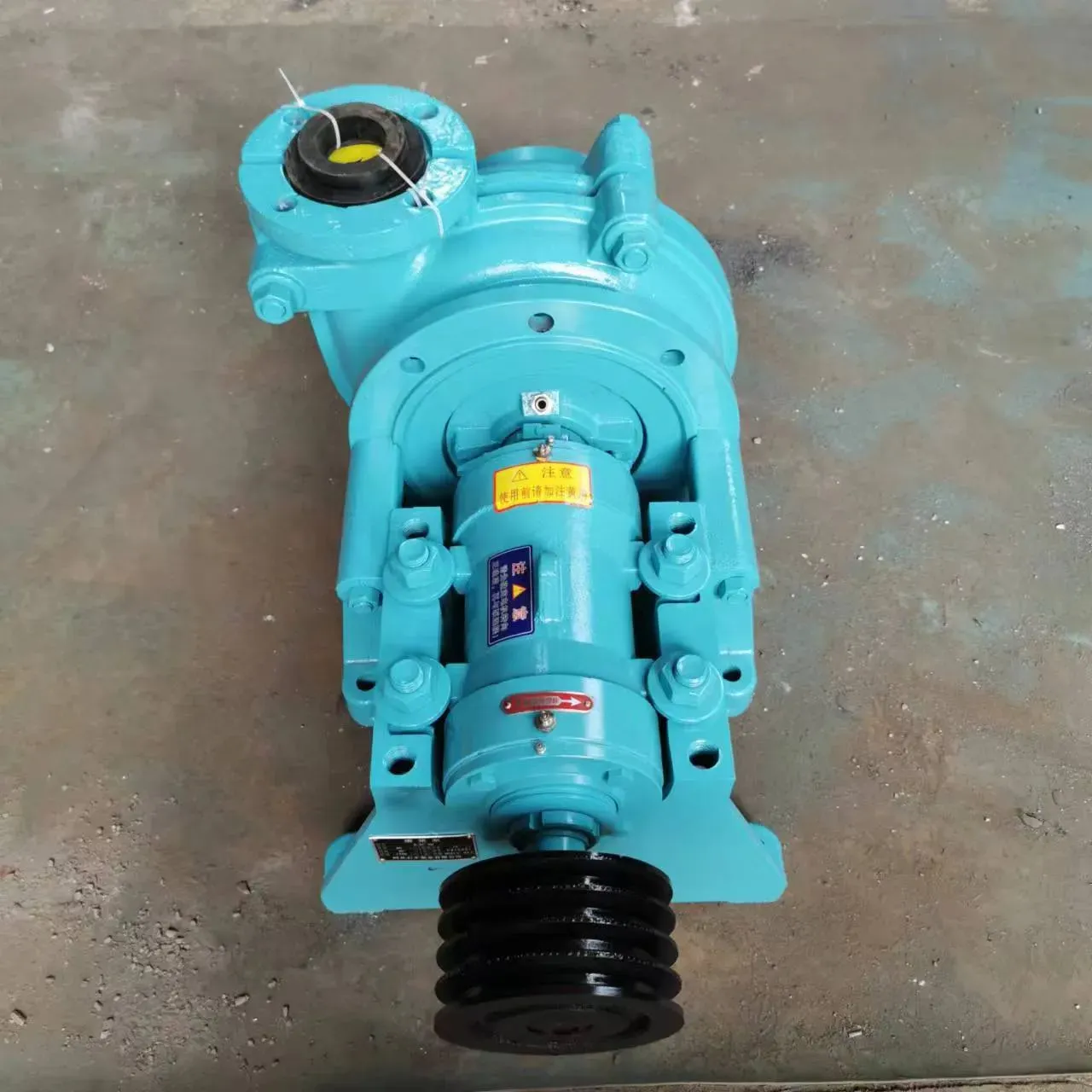
The diaphragm slurry pump represents a critical intersection of positive displacement technology and advanced material science, specifically engineered for the transport of highly abrasive, viscous, and chemically aggressive fluids. Unlike centrifugal pumps, which rely on kinetic energy and are prone to rapid impeller erosion when handling solids, the diaphragm slurry pump utilizes a flexible membrane to isolate the drive mechanism from the process medium. This architectural isolation eliminates the need for mechanical seals—the primary failure point in slurry applications—and ensures a hermetic seal that prevents leakage of hazardous tailings or chemical slurries. In the industrial value chain, these pumps are indispensable in mining, wastewater treatment, and chemical processing, where the objective is to maintain a constant flow rate regardless of fluctuating system pressures and varying particle concentrations.
Material Science & Manufacturing
The operational integrity of a diaphragm slurry pump is contingent upon the synergy between the diaphragm material and the wetted parts. The diaphragm, subjected to millions of cyclic deformations, must possess an optimal balance of tensile strength, elasticity, and chemical inertness. High-performance elastomers such as Nitrile (NBR) are utilized for oil-based slurries, while PTFE (Polytetrafluoroethylene) or reinforced EPDM are specified for corrosive chemical slurries. The manufacturing process involves precision vulcanization or thermal bonding to ensure the diaphragm can withstand the peak pressure spikes inherent in reciprocating motion without experiencing premature fatigue cracking.
For the pump housing and valves, metallurgical selection focuses on erosion-corrosion resistance. High-chrome alloys (e.g., 27% Cr) are employed in extreme abrasive environments to provide a hard, wear-resistant surface. In more corrosive acidic slurries, duplex stainless steels or hard-rubber linings are applied. The manufacturing of the pump body often involves investment casting followed by precision CNC machining to ensure the tight tolerances required for the valve seats. Key parameter control during production includes the hardness testing of the casting (Brinell hardness) and the ultrasonic inspection of weldments to ensure no internal voids exist that could become initiation sites for stress corrosion cracking (SCC).
Performance & Engineering
Engineering a diaphragm slurry pump requires a rigorous analysis of fluid dynamics and force distribution. The primary engineering challenge is the management of the "pulsation effect" caused by the reciprocating nature of the diaphragm. To mitigate this, pulsation dampeners are integrated into the system to convert cyclic pressure spikes into a smoother linear flow, thereby protecting downstream piping from fatigue failure. The volumetric efficiency is governed by the stroke length and the displacement volume of the diaphragm; engineers must calculate the Net Positive Suction Head Required (NPSHr) to prevent cavitation, which is particularly aggressive in slurry pumps as collapsing vapor bubbles can strip the protective oxide layer from the internal metal surfaces.
Force analysis focuses on the diaphragm's deflection curve. The mechanical stress is highest at the clamping edge where the diaphragm meets the pump head. Engineering specifications dictate a safety factor of at least 2.5x the maximum operating pressure to account for "water hammer" effects. Furthermore, valve engineering is critical; ball valves are typically preferred for slurries as they provide a tighter seal against irregular particles. The seating material must be carefully matched to the slurry's pH and temperature to prevent chemical degradation that would lead to backflow and a significant drop in volumetric efficiency.
Technical Specifications
| Parameter Category | Standard Specification | High-Pressure Variant | Heavy-Duty Abrasive Variant | Tolerance Range |
|---|---|---|---|---|
| Max Discharge Pressure | 7 bar (100 psi) | 14 bar (200 psi) | 10 bar (145 psi) | ± 0.5 bar |
| Max Particle Size | 6 mm | 4 mm | 12 mm | ± 1 mm |
| Diaphragm Material | NBR/SBR | PTFE Composite | Reinforced EPDM | N/A |
| Wetted Body Material | Cast Iron/SS316 | Duplex SS | High-Chrome Alloy | Hardness > 60 HRC |
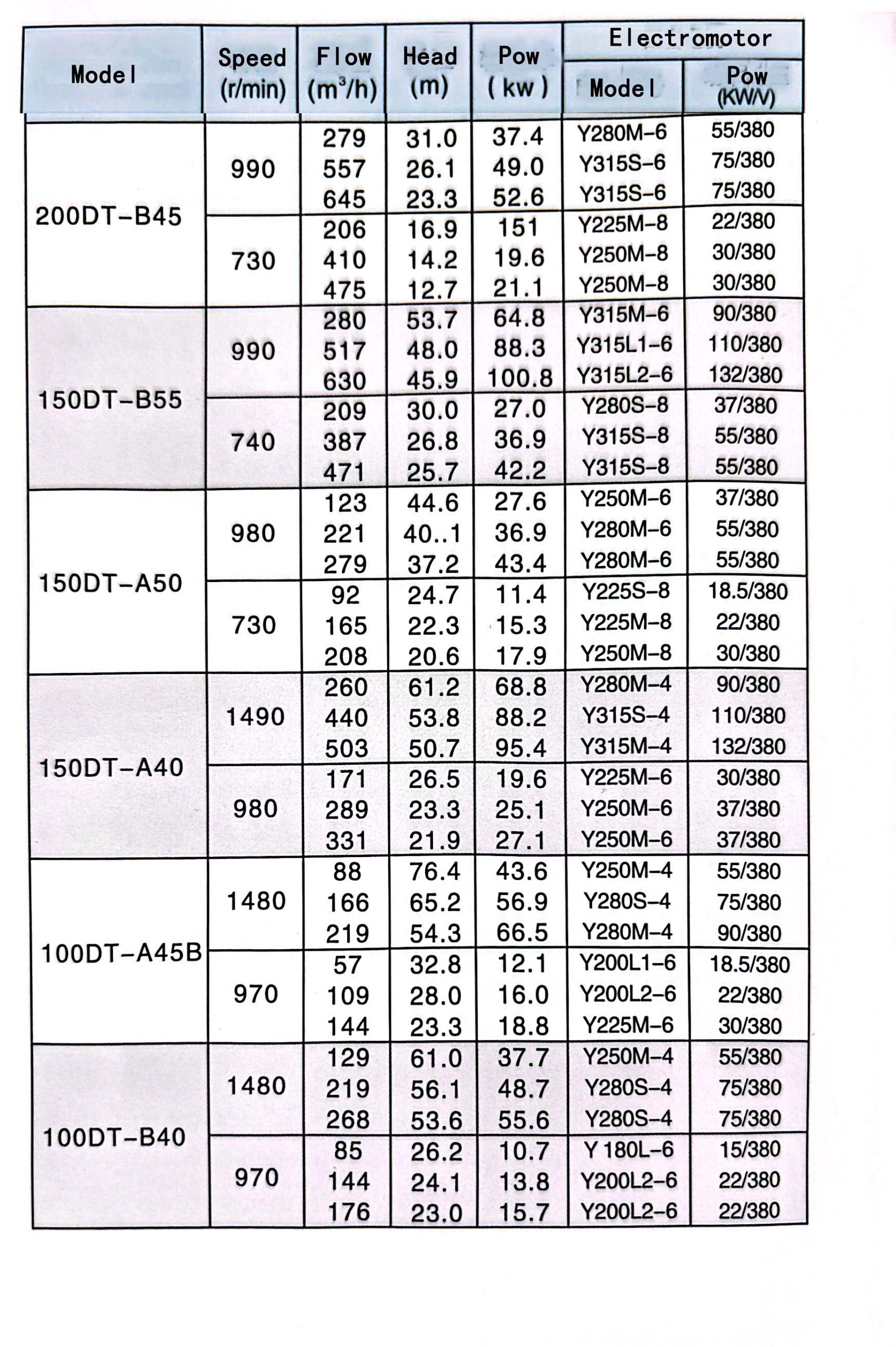
| Flow Rate (m³/h) | 15 - 50 | 10 - 30 | 20 - 60 | ± 5% |
| Operating Temp (°C) | -20 to 80 | -10 to 120 | -10 to 90 | ± 2°C |
Failure Mode & Maintenance
Failure analysis of diaphragm slurry pumps typically reveals three primary modes: diaphragm rupture, valve seat erosion, and drive-end leakage. Diaphragm rupture is often the result of "flex fatigue," where the material undergoes cyclic stress beyond its elastic limit, or chemical degradation that embrittles the elastomer. Ruptures are typically signaled by a sudden drop in discharge pressure and the presence of process fluid in the oil chamber. Maintenance requires a strict adherence to a preventative replacement schedule based on cycle counts rather than failure, as an unexpected rupture can cause catastrophic contamination of the hydraulic system.
Valve seat erosion occurs when abrasive particles become lodged between the ball and the seat, creating a "grinding" effect that scores the surface. This results in internal recirculation and reduced efficiency. To maintain these components, engineers recommend the installation of strainers to limit particle size and the use of ceramic-coated valve seats for extreme applications. Maintenance protocols should include quarterly inspections of the diaphragm tension and the lubrication of the drive mechanism. If oxidation is detected on the pump casing, immediate application of anti-corrosive coatings or a transition to a lined casing is necessary to prevent wall thinning and eventual breach.
Industry FAQ
Q: How do we determine the correct diaphragm material for a slurry containing both hydrocarbons and abrasive minerals?
A: In such hybrid environments, Nitrile (NBR) is often the baseline for hydrocarbon resistance, but for increased abrasion resistance, we recommend a composite diaphragm with a PTFE face and a reinforced elastomer backing. This provides the chemical inertness of PTFE with the mechanical flexibility of NBR.
Q: What is the primary cause of unexpected pressure drops in a diaphragm pump handling high-density tailings?
A: The most common cause is "ball seating failure." In high-density slurries, particles can settle in the valve seat, preventing the ball from closing fully. This allows the fluid to flow back into the suction chamber during the discharge stroke, significantly reducing the volumetric efficiency.
Q: Can these pumps operate in dry-run conditions without damaging the internal components?
A: Yes, one of the primary engineering advantages of the diaphragm slurry pump is its ability to run dry. Since there are no rotating seals or impellers that rely on the process fluid for lubrication or cooling, dry-running does not cause immediate mechanical failure, although it may accelerate diaphragm wear due to increased friction.
Q: How does the NPSHr change as the slurry concentration increases?
A: As slurry concentration increases, the viscosity rises, which increases the frictional losses in the suction line. This elevates the Net Positive Suction Head Required (NPSHr). To prevent cavitation, the pump must be installed at a lower elevation relative to the supply tank or the suction pipe diameter must be increased.
Q: What is the recommended interval for replacing the diaphragm in a high-cycle mining application?
A: While it varies by material, the industry standard for high-cycle applications is every 2,000 to 5,000 operating hours. However, we recommend implementing a vibration monitoring system to detect changes in the diaphragm's harmonic frequency, which often precedes a physical rupture.
Conclusion
The diaphragm slurry pump is a sophisticated engineering solution designed to overcome the inherent limitations of centrifugal pumping in abrasive environments. By isolating the mechanical drive from the process medium and utilizing advanced metallurgical alloys and elastomers, these pumps ensure operational continuity in the most demanding industrial conditions. The technical superiority of this system lies in its ability to handle high-solid concentrations while maintaining a leak-proof seal, thereby reducing environmental risk and maintenance overhead.
Looking forward, the integration of smart sensors for real-time diaphragm fatigue monitoring and the development of nano-composite materials for wetted parts will further enhance the lifespan and efficiency of slurry transport. For procurement and engineering teams, the focus must remain on the precise matching of material chemistry to fluid properties to maximize the Mean Time Between Failures (MTBF) and optimize the total cost of ownership in heavy industrial applications.
-
Comprehensive Guide to Waterproof ORings for Optimal Sealing Solutions
News2026-06-09
-
Septic Pump System Performance Analysis
News2026-06-08
-
pump for septic Material Science
News2026-06-08
-
basement sewer pump Performance Analysis
News2026-06-08
-
submerged pump Performance Engineering
News2026-06-08
-
Septic System Pumps Performance Analysis
News2026-06-08
-
septic system pump Material Science and Manufacturing
News2026-06-07
-
pump for septic tank Material Science Manufacturing
News2026-06-07
-
submersible sewage pump Material Science
News2026-06-07
-
Sewage Ejector Material Science and Manufacturing
News2026-06-07
-
Ejection Pump Material Science
News2026-06-07
-
pump submersible Performance Analysis
News2026-06-06
-
ejector pumps Performance Engineering
News2026-06-06
-
basement ejector pump Material Science Manufacturing
News2026-06-06
-
Septic Tanks Pumping Performance Analysis
News2026-06-06




