English
- Afrikaans
- Albanian
- Amharic
- Arabic
- Armenian
- Azerbaijani
- Basque
- Belarusian
- Bengali
- Bosnian
- Bulgarian
- Catalan
- Cebuano
- Corsican
- Croatian
- Czech
- Danish
- Dutch
- English
- Esperanto
- Estonian
- Finnish
- French
- Frisian
- Galician
- Georgian
- German
- Greek
- Gujarati
- Haitian Creole
- hausa
- hawaiian
- Hebrew
- Hindi
- Miao
- Hungarian
- Icelandic
- igbo
- Indonesian
- irish
- Italian
- Japanese
- Javanese
- Kannada
- kazakh
- Khmer
- Rwandese
- Korean
- Kurdish
- Kyrgyz
- Lao
- Latin
- Latvian
- Lithuanian
- Luxembourgish
- Macedonian
- Malgashi
- Malay
- Malayalam
- Maltese
- Maori
- Marathi
- Mongolian
- Myanmar
- Nepali
- Norwegian
- Norwegian
- Occitan
- Pashto
- Persian
- Polish
- Portuguese
- Punjabi
- Romanian
- Russian
- Samoan
- Scottish Gaelic
- Serbian
- Sesotho
- Shona
- Sindhi
- Sinhala
- Slovak
- Slovenian
- Somali
- Spanish
- Sundanese
- Swahili
- Swedish
- Tagalog
- Tajik
- Tamil
- Tatar
- Telugu
- Thai
- Turkish
- Turkmen
- Ukrainian
- Urdu
- Uighur
- Uzbek
- Vietnamese
- Welsh
- Bantu
- Yiddish
- Yoruba
- Zulu

Telephone: +86 13120555503
Email: frank@cypump.com


Apr . 01, 2024 17:55 Back to list
diaphragm pump for slurry Technical Performance Analysis and Engineering Specifications
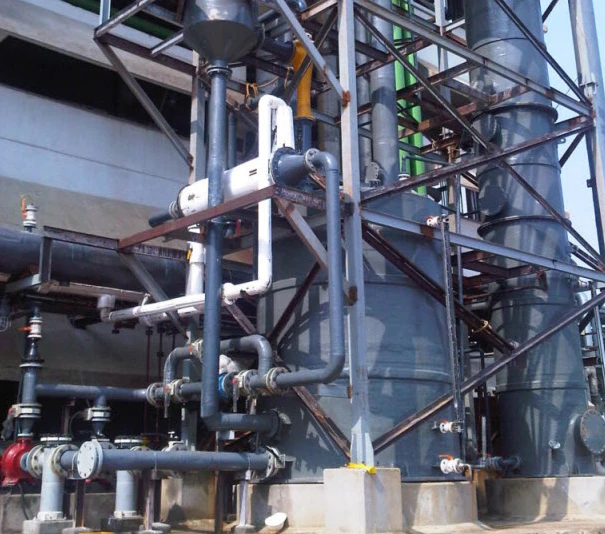
Diaphragm Pump for Slurry: Technical Performance Analysis and Engineering Specifications
A diaphragm pump for slurry is a specialized positive displacement pump engineered to transport highly viscous, abrasive, and chemically aggressive fluids containing suspended solid particles. In the industrial value chain, these pumps occupy a critical position in the primary transport phase of mineral processing, wastewater treatment, and chemical manufacturing. Unlike centrifugal pumps, which are prone to rapid impeller erosion when handling slurries, the diaphragm pump utilizes a flexible membrane to isolate the mechanical driving components from the abrasive medium. This technical configuration ensures a hermetic seal, eliminating shaft seal failures—the primary pain point in slurry transport—and allowing for the movement of non-Newtonian fluids with high solids concentration without significant shear degradation of the medium.
Material Science & Manufacturing
The longevity of a diaphragm pump for slurry is fundamentally determined by the tribological properties of its wetted parts and the fatigue resistance of the diaphragm. The selection of materials is governed by the Mohs hardness of the suspended solids and the pH value of the carrier liquid.
1. Diaphragm Elastomer Engineering: The diaphragm is the critical failure point. For high-abrasion slurry, reinforced PTFE (Polytetrafluoroethylene) or Santoprene is utilized. PTFE provides an exceptionally low coefficient of friction and chemical inertness, while reinforced Santoprene offers superior tear strength and fatigue life under cyclic loading. The manufacturing process involves precision calendering and vulcanization to ensure uniform wall thickness, preventing localized stress concentrations that lead to premature rupture.
2. Wetted End Metallurgy: To combat erosive wear, pump housings are typically constructed from high-chromium cast iron (ASTM A532) or duplex stainless steels (e.g., CD4MCu). In extreme mining applications, the interior is lined with natural rubber or polyurethane (PU) with a shore hardness of 60-80A, which absorbs the kinetic energy of impacting particles rather than resisting them through hardness alone. The casting process employs investment casting to ensure a smooth internal hydraulic path, reducing turbulence and subsequent cavitation-induced erosion.
3. Valve Seat and Ball Architecture: The check valves are manufactured from tungsten carbide or silicon carbide to withstand the constant hammering of slurry particles. The precision grinding of these surfaces to a flatness of <0.005mm is essential to maintain volumetric efficiency and prevent internal leakage (slip).
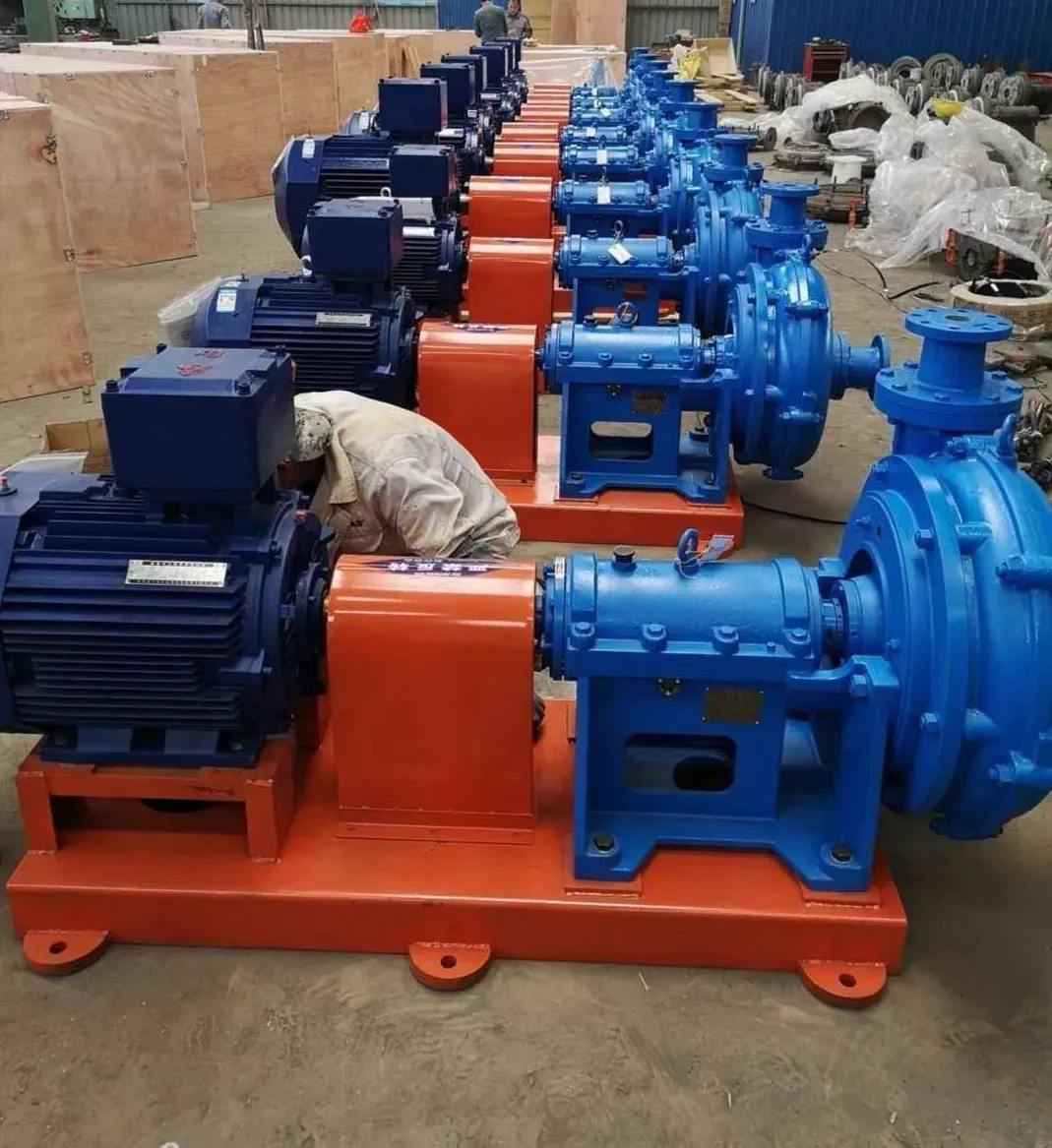
Performance & Engineering
Engineering a slurry system requires a rigorous analysis of fluid dynamics and mechanical stress. The performance of a diaphragm pump is measured by its ability to maintain a constant flow rate regardless of fluctuations in discharge pressure, a characteristic known as "flat-curve" performance.
Force Analysis and Displacement: The pump operates on the principle of reciprocating positive displacement. The engineering focus is on the stroke length and diaphragm deflection. A larger stroke reduces the frequency of cycles, thereby extending the fatigue life of the membrane, while a precisely calculated displacement volume ensures the required flow rate (m³/h). The force exerted by the hydraulic actuator must overcome the static head and the frictional pressure drop caused by the slurry's viscosity.
Handling Abrasive Solids: To prevent "plugging" or "bridging" of large particles, the internal geometry is designed with oversized ports and minimal dead zones. The velocity of the fluid is kept below the critical erosion velocity to minimize the impact energy of particles against the pump walls. For high-density slurries, the pump is often equipped with a priming system or a flooded suction arrangement to prevent cavitation and dry-running.
Environmental Resistance and Compliance: Engineering specifications must account for ambient temperature fluctuations and the corrosive nature of the slurry. The use of corrosion-resistant coatings and the implementation of leak-detection systems ensure compliance with environmental regulations regarding the containment of hazardous mining or chemical waste.
Technical Specifications
| Parameter Dimension | Standard Slurry Duty | High-Abrasion Duty | Corrosive Slurry Duty | Ultra-High Viscosity |
|---|---|---|---|---|
| Wetted Material | Cast Iron / Buna-N | High-Cr Steel / PU | Hastelloy C / PTFE | SS316L / Viton |
| Max Particle Size | up to 6mm | up to 12mm | up to 4mm | up to 8mm |
| Max Discharge Pressure | 10 Bar | 16 Bar | 8 Bar | 12 Bar |
| Diaphragm Life Cycle | 1.5 x 10^6 cycles | 2.0 x 10^6 cycles | 1.2 x 10^6 cycles | 1.8 x 10^6 cycles |
| Max Slurry Density | 1.3 g/cm³ | 1.8 g/cm³ | 1.4 g/cm³ | 2.1 g/cm³ |
| NPSHr (Required) | Low to Medium | Medium | Low | High |
Failure Mode & Maintenance
Failure analysis of diaphragm pumps for slurry typically reveals three primary modes: fatigue rupture, erosive thinning, and valve leakage.
1. Fatigue Rupture of the Diaphragm: This is the most common failure. It is caused by repetitive mechanical stress and accelerated by chemical degradation. Signs include a drop in discharge pressure and the presence of hydraulic oil in the pumped medium (in hydraulic-driven pumps). Maintenance requires a scheduled replacement interval based on cycle counts rather than failure, utilizing a "predictive replacement" strategy.
2. Erosive Thinning of the Housing: Abrasive particles cause localized wear, particularly at the bends and the transition zones near the valves. This leads to internal recirculation and loss of volumetric efficiency. Professional maintenance involves the application of ceramic epoxy coatings or the installation of replaceable wear liners.
3. Valve Seat Delamination and Scoring: When particles become lodged between the ball and the seat, they create scoring marks that prevent a hermetic seal. This results in backflow. Maintenance involves the precision lapping of valve seats or the replacement of tungsten carbide balls.
Maintenance Protocol: A rigorous maintenance schedule should include: (a) Weekly inspection of diaphragm integrity; (b) Monthly check of valve seat wear; (c) Quarterly lubrication of the drive mechanism; and (d) Annual ultrasonic thickness testing of the pump housing to monitor erosion rates.
Industry FAQ
Q: How do we determine the optimal diaphragm material for a slurry containing both sulfuric acid and silica particles?
A: This requires a dual-consideration approach. While PTFE provides the necessary chemical resistance to sulfuric acid, it lacks the tear strength needed for silica abrasion. The engineering solution is a composite diaphragm featuring a PTFE face for chemical inertness and a reinforced fabric backing (such as Kevlar or polyester) for mechanical strength and abrasion resistance.
Q: What is the impact of slurry density on the Net Positive Suction Head (NPSH) requirements?
A: As slurry density and solids concentration increase, the fluid's viscosity rises, which increases the frictional pressure drop in the suction line. This effectively raises the NPSHr. To prevent cavitation, the pump must be installed with a lower static suction lift or a larger diameter suction pipe to reduce fluid velocity.
Q: Why is the pump experiencing a sudden drop in flow rate despite the motor running at full speed?
A: This is typically indicative of "slip" caused by valve failure or a ruptured diaphragm. In slurry applications, the most likely cause is a particle lodged in the check valve, preventing a full seal. We recommend inspecting the discharge and suction balls for scoring or debris entrapment.
Q: Can a diaphragm pump handle slurries with a solids concentration exceeding 70% by weight?
A: Yes, provided the slurry remains pumpable and does not exhibit extreme shear-thinning or dilatant behavior. However, at concentrations above 70%, the risk of "plugging" increases. The pump must be configured with a larger stroke and a slower cycle rate to allow the high-density medium to fill the chamber completely during the suction stroke.
Q: How do we mitigate the effect of water hammer in high-pressure slurry lines?
A: Diaphragm pumps produce a pulsating flow. For high-pressure slurry, this can lead to fatigue in the piping. We recommend installing a pulsation dampener (accumulator) on the discharge side. The dampener should be pre-charged to approximately 60-80% of the operating pressure to smooth the flow and protect the downstream infrastructure.
Conclusion
The selection and operation of a diaphragm pump for slurry necessitate a deep integration of material science and hydraulic engineering. By isolating the mechanical drive from the abrasive medium and employing high-performance elastomers and metallurgy, these pumps solve the critical industry pain point of seal failure and erosive wear. The technical logic dictates that pump longevity is not merely a product of material hardness, but of a systemic match between the slurry's chemical-physical properties and the pump's internal architecture.
Moving forward, the industry is shifting toward smart monitoring systems that utilize vibration analysis and pressure sensors to predict diaphragm failure before it occurs. For procurement and engineering teams, the focus should remain on calculating the total cost of ownership (TCO), prioritizing the balance between initial capital expenditure and the long-term operational costs associated with wear-part replacement and system downtime.
-
Comprehensive Guide to Waterproof ORings for Optimal Sealing Solutions
News2026-06-09
-
Septic Pump System Performance Analysis
News2026-06-08
-
pump for septic Material Science
News2026-06-08
-
basement sewer pump Performance Analysis
News2026-06-08
-
submerged pump Performance Engineering
News2026-06-08
-
Septic System Pumps Performance Analysis
News2026-06-08
-
septic system pump Material Science and Manufacturing
News2026-06-07
-
pump for septic tank Material Science Manufacturing
News2026-06-07
-
submersible sewage pump Material Science
News2026-06-07
-
Sewage Ejector Material Science and Manufacturing
News2026-06-07
-
Ejection Pump Material Science
News2026-06-07
-
pump submersible Performance Analysis
News2026-06-06
-
ejector pumps Performance Engineering
News2026-06-06
-
basement ejector pump Material Science Manufacturing
News2026-06-06
-
Septic Tanks Pumping Performance Analysis
News2026-06-06




