English
- Afrikaans
- Albanian
- Amharic
- Arabic
- Armenian
- Azerbaijani
- Basque
- Belarusian
- Bengali
- Bosnian
- Bulgarian
- Catalan
- Cebuano
- Corsican
- Croatian
- Czech
- Danish
- Dutch
- English
- Esperanto
- Estonian
- Finnish
- French
- Frisian
- Galician
- Georgian
- German
- Greek
- Gujarati
- Haitian Creole
- hausa
- hawaiian
- Hebrew
- Hindi
- Miao
- Hungarian
- Icelandic
- igbo
- Indonesian
- irish
- Italian
- Japanese
- Javanese
- Kannada
- kazakh
- Khmer
- Rwandese
- Korean
- Kurdish
- Kyrgyz
- Lao
- Latin
- Latvian
- Lithuanian
- Luxembourgish
- Macedonian
- Malgashi
- Malay
- Malayalam
- Maltese
- Maori
- Marathi
- Mongolian
- Myanmar
- Nepali
- Norwegian
- Norwegian
- Occitan
- Pashto
- Persian
- Polish
- Portuguese
- Punjabi
- Romanian
- Russian
- Samoan
- Scottish Gaelic
- Serbian
- Sesotho
- Shona
- Sindhi
- Sinhala
- Slovak
- Slovenian
- Somali
- Spanish
- Sundanese
- Swahili
- Swedish
- Tagalog
- Tajik
- Tamil
- Tatar
- Telugu
- Thai
- Turkish
- Turkmen
- Ukrainian
- Urdu
- Uighur
- Uzbek
- Vietnamese
- Welsh
- Bantu
- Yiddish
- Yoruba
- Zulu

Telephone: +86 13120555503
Email: frank@cypump.com


Apr . 01, 2024 17:55 Back to list
denver slurry pumps Material Science Manufacturing
Introduction
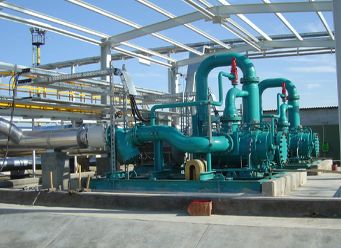
Denver slurry pumps are positive displacement pumps specifically engineered for the handling of abrasive and highly concentrated slurries. Positioned within the mining, mineral processing, wastewater treatment, and industrial sand industries, these pumps bridge the gap between conveying fluids and solid-laden mixtures. Unlike centrifugal pumps which lose efficiency with increasing solids content, Denver slurry pumps maintain consistent performance due to their inherent design. Core performance characteristics include high volumetric efficiency, ability to handle large particle sizes, and resistance to wear from abrasive materials. They are typically utilized where long distances and significant elevation changes are required for slurry transport. The critical pain point addressed by Denver slurry pumps is the reduction of operational downtime and maintenance costs associated with handling abrasive materials, a significant expenditure for many industrial operations.
Material Science & Manufacturing
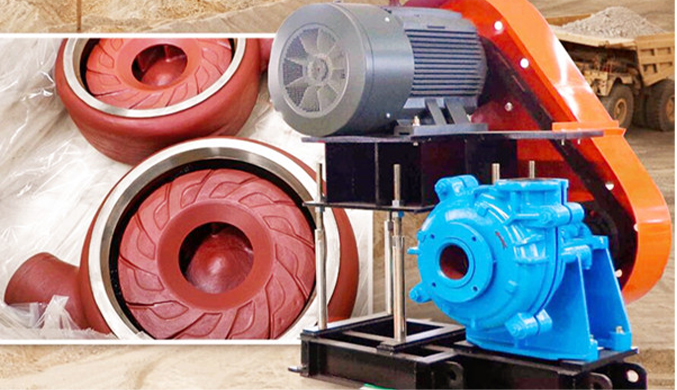
The primary materials utilized in Denver slurry pump construction are high-chrome cast iron, ductile iron, and specialized elastomers. High-chrome cast iron, boasting a chromium content of 15-30%, provides exceptional resistance to abrasion and erosion. Its microstructure consists of primary carbides embedded within a metallic matrix, offering high hardness. Ductile iron, with its superior tensile strength and impact resistance compared to gray cast iron, is employed for pump casings and impellers where structural integrity is paramount. Elastomers, often polyurethane or natural rubber, line pump casings and impellers to provide a sacrificial wear layer and chemical resistance. The manufacturing process begins with patternmaking for cast components, followed by sand casting. Critical parameters during casting include sand composition, melting temperature, and cooling rate, all impacting the material’s final hardness and microstructure. Welding is frequently used for casing assembly, requiring stringent adherence to AWS D1.1 standards for structural welding. Impeller balancing is crucial to minimize vibration and premature wear. The rubber lining process involves vulcanization, requiring precise temperature and pressure control to ensure proper adhesion and a durable, impermeable barrier. Chemical compatibility testing of elastomers with the specific slurry is performed prior to lining to prevent degradation and failure. The chemical composition of the slurry, including pH and the presence of aggressive ions, directly impacts elastomer selection.
Performance & Engineering
Denver slurry pump performance is heavily influenced by hydraulic design and mechanical considerations. Force analysis focuses on stresses within the pump casing, impeller, and drive shaft under maximum operating pressure and slurry density. Finite element analysis (FEA) is frequently employed to optimize component geometries and minimize stress concentrations. Environmental resistance is a key factor, particularly in applications involving corrosive slurries or extreme temperatures. Material selection and protective coatings (e.g., epoxy linings) are crucial for mitigating corrosion. Compliance requirements vary depending on the application. For example, pumps used in potable water treatment must meet NSF/ANSI 61 standards for lead content and material safety. Pump selection involves a detailed understanding of the slurry’s rheological properties, including viscosity, particle size distribution, and solids concentration. The pump’s net positive suction head required (NPSHr) must be carefully matched to the available NPSHa to prevent cavitation, a primary cause of impeller damage. The pump's rotational speed impacts both flow rate and head pressure, requiring careful optimization based on system requirements. Wear patterns are also considered in the engineering design. Hardfacing materials and wear-resistant coatings are applied strategically to areas prone to high wear rates.
Technical Specifications
| Model Number | Maximum Flow Rate (GPM) | Maximum Head (ft) | Maximum Solids Concentration (% by weight) |
|---|---|---|---|
| D200 | 200 | 150 | 70 |
| D300 | 300 | 200 | 60 |
| D400 | 400 | 250 | 50 |
| D500 | 500 | 300 | 40 |
| D600 | 600 | 350 | 30 |
| D800 | 800 | 400 | 20 |
Failure Mode & Maintenance
Denver slurry pumps are susceptible to several failure modes. Fatigue cracking in the impeller and casing can occur due to cyclic loading and stress concentrations. This is exacerbated by abrasive wear, which creates surface defects acting as stress risers. Delamination of rubber linings is common, especially when exposed to chemical attack or improper bonding during vulcanization. Cavitation, resulting from insufficient NPSHa, causes pitting and erosion of the impeller. Oxidation of metallic components can occur in corrosive environments. Bearing failure is a frequent issue, often stemming from inadequate lubrication or contamination. Preventive maintenance is critical. This includes regular inspection of wear liners, impeller condition, and bearing lubrication. Vibration analysis can detect early signs of bearing wear or impeller imbalance. Periodic replacement of wear parts is essential. Proper slurry preparation, including screening to remove oversized particles, reduces abrasive wear. Implementing a scheduled lubrication program and monitoring bearing temperatures are vital for preventing bearing failures. Chemical compatibility assessments should be performed to ensure elastomer liners are suitable for the specific slurry composition. Non-destructive testing (NDT), such as ultrasonic testing, can identify cracks or defects before catastrophic failure occurs.
Industry FAQ
Q: What is the impact of slurry composition on pump selection and longevity?
A: Slurry composition is paramount. Particle size, solids concentration, abrasiveness, and chemical properties (pH, corrosivity) all dictate pump selection. Higher abrasiveness necessitates harder materials (high-chrome iron) and potentially increased wear liner thickness. Corrosive slurries require chemically resistant elastomers or alternative materials like stainless steel. Higher solids concentrations demand pumps capable of handling increased volumetric loads.
Q: How does cavitation affect Denver slurry pump performance and what preventative measures can be taken?
A: Cavitation severely damages the impeller, leading to reduced pump efficiency and eventual failure. It occurs when the liquid pressure drops below its vapor pressure, forming bubbles that collapse violently. Preventative measures include ensuring sufficient NPSHa, optimizing pump speed, and avoiding restrictions in the suction line. Regular impeller inspection for pitting is crucial.
Q: What is the role of elastomer linings in extending pump life and what factors influence their durability?
A: Elastomer linings act as a sacrificial wear layer, protecting the metallic pump casing from abrasive and corrosive attack. Durability is influenced by elastomer type (polyurethane, natural rubber), lining thickness, bonding quality during vulcanization, and chemical compatibility with the slurry. Incorrect elastomer selection will lead to rapid degradation and failure.
Q: How often should wear parts be replaced and what are the indicators that replacement is necessary?
A: Replacement frequency depends on the slurry’s abrasiveness and operational hours. Indicators include reduced pump performance (flow rate and head), increased power consumption, excessive vibration, and visible wear on the impeller or casing. Regular inspections and performance monitoring are crucial for determining replacement intervals.
Q: What are the best practices for long-term pump maintenance to minimize downtime and maximize operational efficiency?
A: Best practices include implementing a scheduled lubrication program, performing regular visual inspections, conducting vibration analysis, monitoring bearing temperatures, maintaining accurate operational records, and promptly addressing any detected anomalies. Proper slurry preparation (screening) is also vital.
Conclusion
Denver slurry pumps represent a robust and reliable solution for handling abrasive and high-solids content slurries in demanding industrial applications. Their design, leveraging advanced materials and engineering principles, mitigates the common challenges associated with slurry transport, namely wear, corrosion, and downtime. Understanding the interplay between slurry composition, pump performance parameters, and potential failure modes is critical for optimizing pump selection and maximizing operational lifespan.
Continued advancements in materials science, particularly in the development of high-performance elastomers and wear-resistant alloys, promise further improvements in Denver slurry pump durability and efficiency. Proactive maintenance strategies, incorporating predictive analytics and condition monitoring, will play an increasingly important role in minimizing unplanned outages and reducing the total cost of ownership. The future of slurry pump technology will focus on intelligent pump systems capable of adapting to changing slurry conditions and optimizing performance in real-time.
-
pump for sewage water Performance Analysis
News2026-05-23
-
plumbing sewage ejector pump Performance Engineering
News2026-05-23
-
home sewer pump station Performance and Engineering
News2026-05-23
-
high pressure sump pump Performance Analysis
News2026-05-23
-
high head effluent pump Performance Analysis
News2026-05-23
-
Effluent vs Sump Pump Performance Analysis
News2026-05-22
-
effluent septic pump Performance Engineering
News2026-05-22
-
best sewer pumps Performance Engineering
News2026-05-22
-
best sewer pump Performance Analysis
News2026-05-22
-
best sewage pumps Performance Engineering
News2026-05-22
-
basement bathroom sewage pump Material Science Manufacturing
News2026-05-21
-
wastewater treatment plant pumps Material Science Manufacturing
News2026-05-21
-
waste water pump for basement Material Science Manufacturing
News2026-05-21
-
sump pump sewage Performance Analysis
News2026-05-21
-
sump pump for sewage Material Science and Manufacturing
News2026-05-21




