English
- Afrikaans
- Albanian
- Amharic
- Arabic
- Armenian
- Azerbaijani
- Basque
- Belarusian
- Bengali
- Bosnian
- Bulgarian
- Catalan
- Cebuano
- Corsican
- Croatian
- Czech
- Danish
- Dutch
- English
- Esperanto
- Estonian
- Finnish
- French
- Frisian
- Galician
- Georgian
- German
- Greek
- Gujarati
- Haitian Creole
- hausa
- hawaiian
- Hebrew
- Hindi
- Miao
- Hungarian
- Icelandic
- igbo
- Indonesian
- irish
- Italian
- Japanese
- Javanese
- Kannada
- kazakh
- Khmer
- Rwandese
- Korean
- Kurdish
- Kyrgyz
- Lao
- Latin
- Latvian
- Lithuanian
- Luxembourgish
- Macedonian
- Malgashi
- Malay
- Malayalam
- Maltese
- Maori
- Marathi
- Mongolian
- Myanmar
- Nepali
- Norwegian
- Norwegian
- Occitan
- Pashto
- Persian
- Polish
- Portuguese
- Punjabi
- Romanian
- Russian
- Samoan
- Scottish Gaelic
- Serbian
- Sesotho
- Shona
- Sindhi
- Sinhala
- Slovak
- Slovenian
- Somali
- Spanish
- Sundanese
- Swahili
- Swedish
- Tagalog
- Tajik
- Tamil
- Tatar
- Telugu
- Thai
- Turkish
- Turkmen
- Ukrainian
- Urdu
- Uighur
- Uzbek
- Vietnamese
- Welsh
- Bantu
- Yiddish
- Yoruba
- Zulu

Telephone: +86 13120555503
Email: frank@cypump.com


Apr . 01, 2024 17:55 Back to list
customized slurry pump Performance Analysis
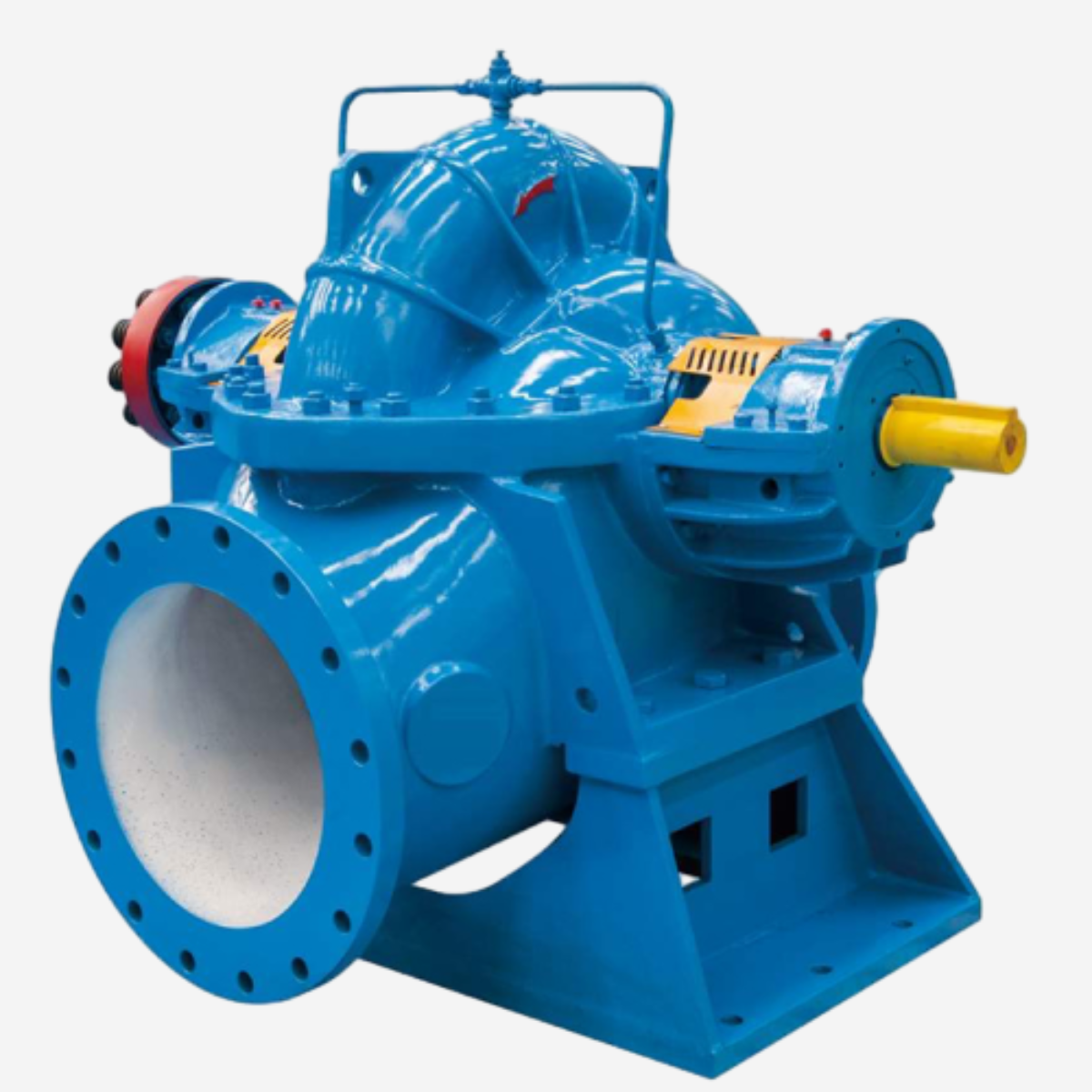
Introduction
Customized slurry pumps are centrifugal pumps specifically designed for the transportation of abrasive, corrosive, and high-solids content fluids – collectively termed ‘slurries.’ Their technical position within the industrial chain is critical, serving as the workhorse for material processing in sectors including mining, wastewater treatment, chemical processing, dredging, and power generation. Unlike standard centrifugal pumps, slurry pumps are engineered with robust construction, wear-resistant materials, and hydraulic designs optimized to handle the demanding characteristics of slurries, minimizing downtime and maintenance costs. Core performance is defined by flow rate (m³/h), head (m), solids handling capacity (percentage by weight or diameter), and material compatibility with the specific slurry composition. A key pain point within the industry is ensuring longevity and efficiency despite the inherently erosive and abrasive nature of the transported media. This necessitates a nuanced understanding of slurry characteristics and tailored pump selection/design.
Material Science & Manufacturing
Slurry pump construction fundamentally relies on material science to combat wear. Common materials include high-chrome cast iron (resistant to abrasion), stainless steel (superior corrosion resistance – 316, 2205 duplex), and specialized polymers (for highly corrosive environments). The manufacturing process begins with casting or forging the pump housing, impeller, and volute. Impellers are often manufactured using investment casting for complex geometries and precise dimensional control. Shaft materials are typically alloy steels, heat-treated to achieve high tensile strength and fatigue resistance. The rubber liners, frequently used in pump housings, are vulcanized to provide a resilient and protective layer. Parameter control is paramount throughout. Chrome content in high-chrome iron dictates abrasion resistance; precise heat treatment defines steel hardness; polymer formulation directly impacts chemical compatibility. Welding processes (SMAW, GTAW, FCAW) are frequently used for repairs and modifications, requiring qualified welders and stringent quality control to maintain structural integrity. A critical aspect is the surface hardening techniques applied to the impeller and liner, like HVOF (High Velocity Oxygen Fuel) or tungsten carbide coating, to dramatically increase wear life. The choice of elastomer material for liners is critical, considering temperature, chemical exposure, and abrasive particle size.
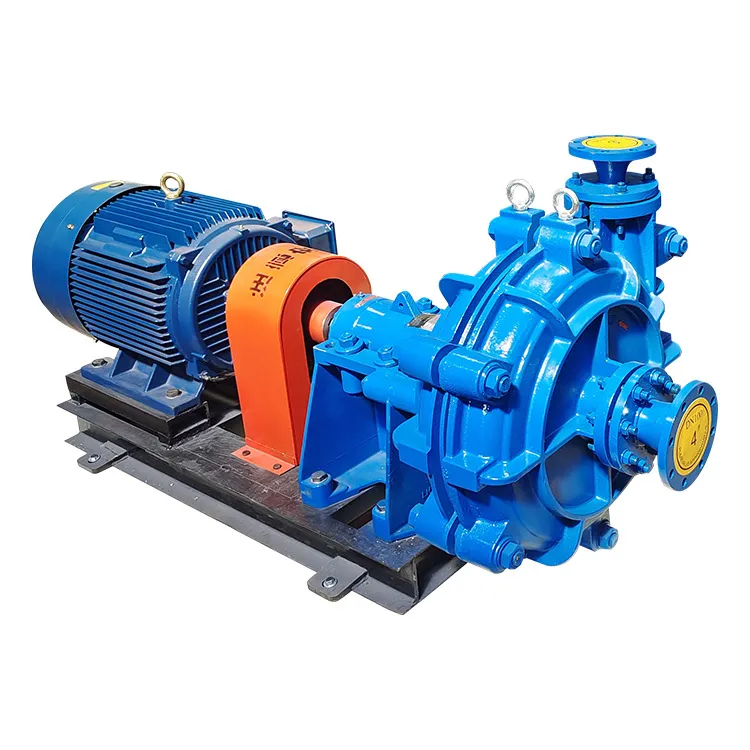
Performance & Engineering
Slurry pump performance is governed by complex fluid dynamics. Force analysis must consider the impact of solid particles on impeller blades and the pump housing, leading to accelerated wear. Environmental resistance focuses on preventing corrosion and erosion. Chemical compatibility analysis is vital to ensure materials withstand the slurry’s pH, chloride content, and oxidizing/reducing agents. The pump’s hydraulic efficiency is influenced by impeller design, volute geometry, and clearance between rotating and stationary parts. Compliance requirements vary by region; for example, ATEX certification is essential for pumps operating in potentially explosive atmospheres. Engineering focuses on optimizing pump efficiency while maximizing wear life. This involves computational fluid dynamics (CFD) simulations to analyze flow patterns and identify areas of high shear stress. Mechanical seals are crucial for preventing leakage; the selection (single, double, cartridge) depends on slurry composition, pressure, and temperature. Pump curves (head-capacity relationship) are generated through rigorous testing, considering different impeller diameters and speeds. Bearing lubrication is critical, frequently employing grease lubrication with robust sealing to prevent contaminant ingress.
Technical Specifications
| Parameter | Unit | Typical Range | Customization Considerations |
|---|---|---|---|
| Flow Rate | m³/h | 10 – 1500 | Impeller diameter, pump speed, and slurry viscosity. |
| Total Head | m | 5 – 100 | Impeller diameter, pump speed, and slurry density. |
| Solids Handling Capacity | % by weight | Up to 70 | Impeller design, pump casing size, and slurry particle size. |
| Maximum Particle Size | mm | Up to 200 | Impeller passage width and pump casing design. |
| Material of Construction (Casing) | - | High-Chrome Iron, Stainless Steel (316, 2205), Rubber Lined | Slurry corrosivity and abrasivity. |
| Material of Construction (Impeller) | - | High-Chrome Iron, Stainless Steel, Polyurethane | Slurry abrasivity and impact velocity. |
Failure Mode & Maintenance
Slurry pumps are susceptible to several failure modes. Fatigue cracking in the impeller and pump housing is common due to cyclic loading from solid particle impact. Erosion, particularly on the impeller blades and volute, reduces pump efficiency and necessitates frequent replacement. Delamination of rubber liners occurs due to bond failure between the rubber and the metal substrate. Corrosion, especially in stainless steel pumps, can lead to pitting and crevice corrosion. Cavitation, caused by low suction pressure, damages the impeller. Mechanical seal failure results in leakage and potential motor damage. Preventative maintenance is crucial. This includes regular visual inspections for wear, vibration analysis to detect bearing issues, and monitoring of pump performance parameters (flow rate, pressure, power consumption). Scheduled impeller and liner replacement is essential. Proper lubrication of bearings and mechanical seals extends component life. Regular cleaning of the pump casing prevents slurry buildup and reduces erosion. Prompt repair of any detected leaks prevents further damage. Implementing a robust wear parts inventory ensures minimal downtime.
Industry FAQ
Q: What is the optimal impeller material for a slurry containing 80% silica sand by weight?
A: For 80% silica sand, a high-chrome cast iron impeller is generally the most cost-effective solution. The high chromium content provides excellent abrasion resistance to withstand the erosive nature of silica. However, for extremely high flow velocities or finer particle sizes, a polyurethane impeller may offer improved wear life but at a higher cost.
Q: How do you select a mechanical seal for a slurry pump handling sulfuric acid?
A: Sulfuric acid is highly corrosive. A double mechanical seal with a barrier fluid system is recommended. The seal faces should be constructed from materials like silicon carbide or tungsten carbide, which offer superior chemical resistance. The barrier fluid should be compatible with sulfuric acid and continuously circulated to provide cooling and lubrication.
Q: What are the implications of operating a slurry pump outside its BEP (Best Efficiency Point)?
A: Operating outside the BEP increases energy consumption, accelerates wear, and can lead to cavitation. Flow rates significantly higher than the BEP result in increased turbulence and erosion, while flow rates lower than the BEP can cause recirculation and vibration. Maintaining operation close to the BEP is crucial for maximizing pump life and minimizing operating costs.
Q: How does slurry viscosity affect pump selection and performance?
A: Higher slurry viscosity increases friction losses within the pump, reducing flow rate and head. It also increases the power required to drive the pump. For highly viscous slurries, a positive displacement pump might be more suitable than a centrifugal pump. For centrifugal pumps, impeller design and pump speed need to be adjusted to compensate for the increased viscosity.
Q: What is the importance of NPSHa (Net Positive Suction Head Available) in slurry pump applications?
A: Maintaining sufficient NPSHa is critical to prevent cavitation. Slurries often have lower vapor pressures and higher tendencies for flashing than water. Insufficient NPSHa leads to impeller damage, noise, and reduced pump performance. Careful calculation of NPSHa, considering slurry properties and system conditions, is essential during pump selection and installation.
Conclusion
Customized slurry pumps are essential components in numerous industrial processes, enabling the efficient and reliable transport of challenging fluid mixtures. Their design and material selection are dictated by the specific characteristics of the slurry, including solids concentration, particle size, abrasivity, and chemical composition. Prioritizing robust materials, optimized hydraulic designs, and comprehensive preventative maintenance programs are vital for maximizing pump life and minimizing operational costs.
Future advancements in slurry pump technology will likely focus on improved wear resistance through novel materials and coatings, optimized impeller designs using advanced CFD modeling, and the integration of smart sensors for predictive maintenance. Addressing the core challenges of erosion, corrosion, and cavitation will remain paramount, driving innovation in this critical area of industrial fluid handling.
-
basement bathroom sewage pump Material Science Manufacturing
News2026-05-21
-
wastewater treatment plant pumps Material Science Manufacturing
News2026-05-21
-
waste water pump for basement Material Science Manufacturing
News2026-05-21
-
sump pump sewage Performance Analysis
News2026-05-21
-
sump pump for sewage Material Science and Manufacturing
News2026-05-21
-
sump pump for septic systems Material Science Manufacturing
News2026-05-20
-
sump pump and ejector pump Material Science Manufacturing
News2026-05-20
-
sewage treatment plant pumps Performance Analysis
News2026-05-20
-
sewage tank pump Material Science and Manufacturing
News2026-05-20
-
sewage pump for septic tank Performance Analysis
News2026-05-20
-
Sewage Pump and Tank Performance Analysis
News2026-05-19
-
Sewage Ejector Pump Replacement Performance Analysis
News2026-05-19
-
sewage ejector pump for basement bathroom Material Science Manufacturing
News2026-05-19
-
sewage ejection pump Material Science and Manufacturing
News2026-05-19
-
in line sewage pump Performance Analysis
News2026-05-19




