English
- Afrikaans
- Albanian
- Amharic
- Arabic
- Armenian
- Azerbaijani
- Basque
- Belarusian
- Bengali
- Bosnian
- Bulgarian
- Catalan
- Cebuano
- Corsican
- Croatian
- Czech
- Danish
- Dutch
- English
- Esperanto
- Estonian
- Finnish
- French
- Frisian
- Galician
- Georgian
- German
- Greek
- Gujarati
- Haitian Creole
- hausa
- hawaiian
- Hebrew
- Hindi
- Miao
- Hungarian
- Icelandic
- igbo
- Indonesian
- irish
- Italian
- Japanese
- Javanese
- Kannada
- kazakh
- Khmer
- Rwandese
- Korean
- Kurdish
- Kyrgyz
- Lao
- Latin
- Latvian
- Lithuanian
- Luxembourgish
- Macedonian
- Malgashi
- Malay
- Malayalam
- Maltese
- Maori
- Marathi
- Mongolian
- Myanmar
- Nepali
- Norwegian
- Norwegian
- Occitan
- Pashto
- Persian
- Polish
- Portuguese
- Punjabi
- Romanian
- Russian
- Samoan
- Scottish Gaelic
- Serbian
- Sesotho
- Shona
- Sindhi
- Sinhala
- Slovak
- Slovenian
- Somali
- Spanish
- Sundanese
- Swahili
- Swedish
- Tagalog
- Tajik
- Tamil
- Tatar
- Telugu
- Thai
- Turkish
- Turkmen
- Ukrainian
- Urdu
- Uighur
- Uzbek
- Vietnamese
- Welsh
- Bantu
- Yiddish
- Yoruba
- Zulu

Telephone: +86 13120555503
Email: frank@cypump.com


Apr . 01, 2024 17:55 Back to list
curve slurry pumps Performance Analysis
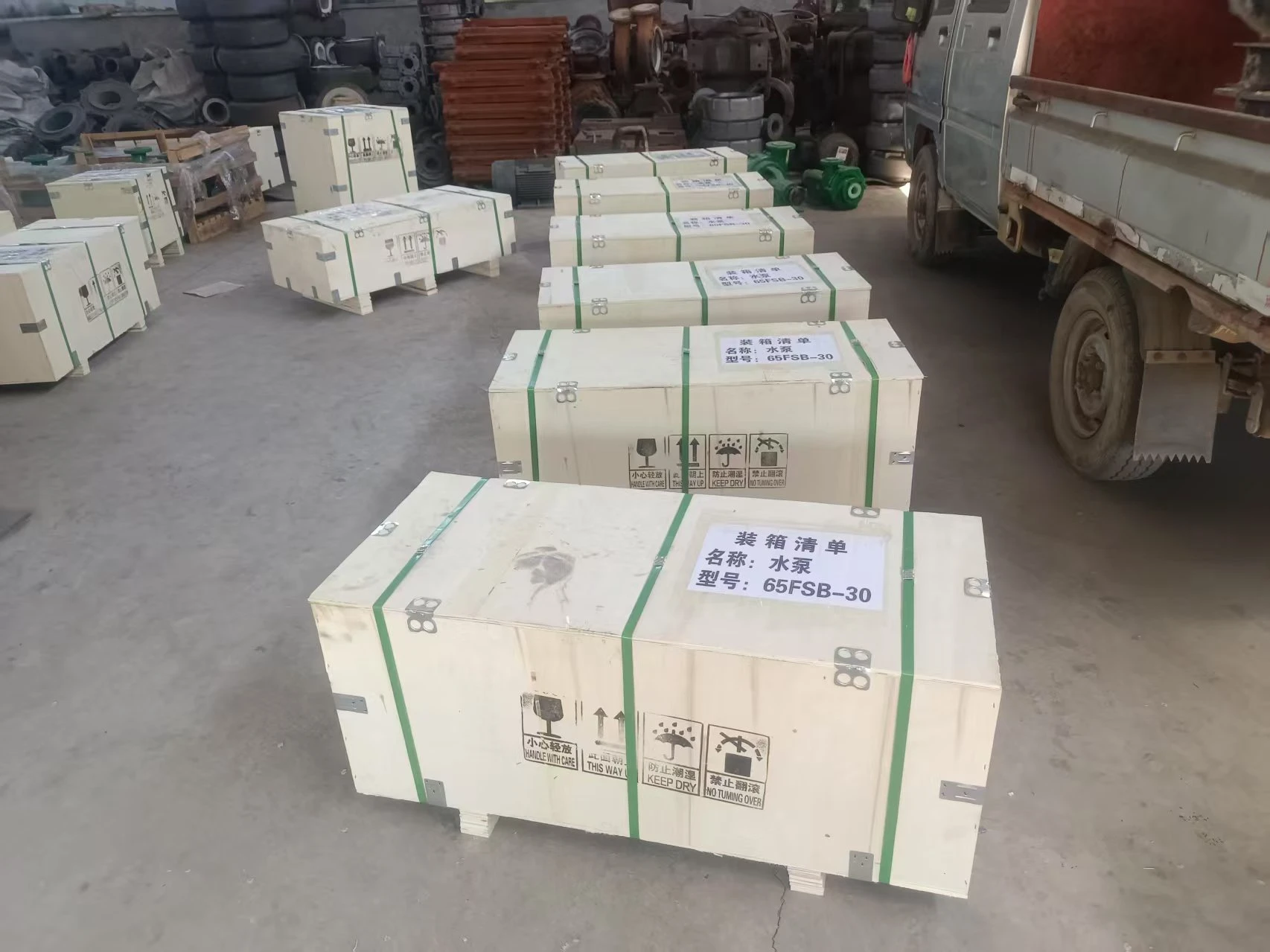
Curve Slurry Pumps Performance Analysis
Curve slurry pumps represent a specialized class of centrifugal pumping equipment engineered specifically for the transport of highly abrasive, non-Newtonian fluids and viscous suspensions. Positioned as critical infrastructure within the mineral processing, dredging, and chemical manufacturing industry chains, these pumps are designed to mitigate the catastrophic effects of particulate erosion and cavitation. Unlike standard centrifugal pumps, the curve slurry pump incorporates a modified volute and impeller geometry—specifically an optimized curvature—to maintain a laminar flow profile and reduce the localized velocity gradients that typically accelerate wear. The core performance of these systems is defined by their ability to maintain high volumetric efficiency while operating under extreme solids concentrations, ensuring the continuous movement of tailings, ore slurries, and chemical precipitates without premature component failure.
Material Science & Manufacturing
The operational longevity of curve slurry pumps is fundamentally dependent on the metallurgical properties of the wetted parts. To combat the synergistic effects of erosion and corrosion, materials are selected based on their hardness, toughness, and chemical stability. High-chromium white irons (e.g., ASTM A532) are frequently utilized for impellers and liners due to their presence of hard M7C3 carbides embedded in a martensitic matrix, providing a hardness typically exceeding 60 HRC. In environments involving acidic or caustic slurries, duplex stainless steels or specialized rubber liners (natural rubber or nitrile) are employed to provide a resilient surface that absorbs the kinetic energy of impacting particles rather than resisting it through hardness alone.
The manufacturing process involves precision casting and advanced machining to ensure strict tolerances. The impeller is often produced through investment casting to ensure the complex "curve" geometry is maintained, which is critical for minimizing turbulence. Subsequent to casting, components undergo a rigorous heat treatment process—including quenching and tempering—to refine the grain structure and eliminate internal stresses. The volute casing is typically cast in heavy-wall sections to allow for repeated relining over the equipment's lifecycle. Key parameter control during assembly focuses on the shaft concentricity and the precision of the mechanical seal or gland packing interface, as any misalignment can lead to accelerated shaft sleeve wear and leakage of the abrasive medium.
Performance & Engineering
Engineering a curve slurry pump requires a comprehensive force analysis of the fluid-solid interaction. The primary engineering objective is the optimization of the Net Positive Suction Head (NPSH) to prevent cavitation, which occurs when the local pressure drops below the vapor pressure of the liquid, leading to the implosion of bubbles that pit the metal surfaces. The "curve" design of the pump facilitates a more gradual acceleration of the slurry, reducing the impact angle of particles against the pump walls, thereby shifting the wear pattern from localized "gouging" to a more uniform, manageable surface erosion.
Environmental resistance is another critical engineering pillar. These pumps must operate in fluctuating temperature ranges and resist the chemical degradation associated with mine tailings or industrial waste. Compliance requirements often dictate the use of explosion-proof motors (ATEX/IECEx) when pumping volatile chemical slurries. From a functional implementation standpoint, the use of Variable Frequency Drives (VFDs) is essential to adjust the flow rate based on the slurry density, as operating too far from the Best Efficiency Point (BEP) significantly increases internal recirculation and accelerates the wear of the impeller vanes.
Technical Specifications
| Parameter Dimension | High-Chrome Alloy Spec | Natural Rubber Spec | Duplex Steel Spec | Performance Metric |
|---|---|---|---|---|
| Hardness (Rockwell C) | 60 - 65 HRC | N/A (Shore A 60-70) | 25 - 35 HRC | Abrasion Resistance |
| Max Particle Size (mm) | Up to 15mm | Up to 8mm | Up to 12mm | Passage Capacity |
| Corrosion Rate (mm/year) | Low to Moderate | Very Low | Extremely Low | Chemical Stability |
| Max Operating Temp (°C) | Up to 450°C | Up to 80°C | Up to 200°C | Thermal Limit |
| Operating Efficiency (%) | 75% - 85% | 70% - 80% | 78% - 88% | Energy Conversion |
| Wear Life Cycle (Hours) | 8,000 - 12,000 | 6,000 - 10,000 | 10,000 - 15,000 | Maintenance Interval |
Failure Mode & Maintenance
Failure analysis of curve slurry pumps typically reveals three primary modes of degradation: abrasive wear, cavitation-induced pitting, and fatigue cracking. Abrasive wear manifests as a gradual thinning of the impeller vanes and volute liners, eventually leading to a drop in head pressure and volumetric flow. This is often accelerated by "sand-blasting" effects where high-velocity particles strike the surface at acute angles. Cavitation occurs when the suction conditions are inadequate, resulting in microscopic implosions that remove material from the impeller eye, creating a characteristic "sponge-like" surface texture.
Fatigue cracking is generally a result of cyclic loading or vibration caused by unbalanced impellers or the passage of oversized solids (tramp material). To maintain system integrity, a rigorous professional maintenance schedule is mandatory. This includes the use of ultrasonic thickness gauging to monitor liner wear without dismantling the pump. When the liner thickness reaches the minimum safety threshold (typically 20-30% of original thickness), replacement must be performed immediately to prevent the slurry from eroding the outer pressure casing. Additionally, the lubrication system for the bearings must be monitored for particulate contamination, which can lead to premature bearing seizure.
Industry FAQ
Q: How do we determine the optimal material selection between High-Chrome alloy and Rubber lining for a specific slurry?
A: The decision is based on particle size and impact velocity. High-Chrome alloys are superior for large, sharp-edged particles that would easily puncture or tear rubber. Conversely, rubber is more effective for fine-grained slurries with high concentrations, as the elastic nature of the material allows it to absorb the energy of small particles and "bounce" them back into the flow.
Q: What is the impact of slurry viscosity on the pump's performance curve?
A: Increased viscosity leads to a higher friction loss within the pump and the piping system, which shifts the performance curve downward. This results in a reduction of both the maximum flow rate and the total dynamic head. Engineering corrections using the Hydraulic Institute (HI) standards are necessary to adjust the water-based performance curve to the actual slurry curve.
Q: Why is the 'curve' geometry in these pumps critical compared to standard centrifugal designs?
A: Standard pumps often have abrupt changes in flow direction, creating high-turbulence zones and eddies. The optimized curve geometry ensures a more streamlined transition of the fluid from the impeller to the volute, reducing the localized velocity peaks that cause accelerated erosion at the "cut-water" and the volute tongue.
Q: How can we distinguish between abrasive wear and cavitation damage during an inspection?
A: Abrasive wear typically appears as smooth, directional grooves or general thinning of the material following the flow path. Cavitation damage, however, appears as localized, jagged pitting or "honeycombing," usually concentrated at the impeller eye or the leading edges of the vanes, regardless of the overall flow direction.
Q: What are the primary indicators that a curve slurry pump requires an immediate impeller replacement?
A: The primary indicators include a significant increase in motor amperage (due to imbalance), a noticeable drop in discharge pressure at a constant RPM, and an increase in vibration levels detected by accelerometers. A decline in the flow rate relative to the power consumption (efficiency drop) is the most definitive technical indicator.
Conclusion
The operational efficacy of curve slurry pumps is a direct result of the synergy between advanced material science and precision fluid engineering. By integrating high-hardness alloys and optimized geometric curvatures, these systems effectively address the industry's core pain points of erosion and cavitation, ensuring stable throughput in the most demanding industrial environments. The transition from standard centrifugal logic to a specialized slurry-handling architecture is essential for maximizing the mean time between failures (MTBF) and reducing the total cost of ownership.
Looking forward, the integration of real-time wear monitoring sensors and the application of nanostructured ceramic coatings are expected to further extend the lifespan of these components. For procurement and engineering managers, the priority must remain on the precise matching of material properties to the specific mineralogical profile of the slurry to ensure long-term mechanical reliability and process efficiency.
-
Comprehensive Guide to Waterproof ORings for Optimal Sealing Solutions
News2026-06-09
-
Septic Pump System Performance Analysis
News2026-06-08
-
pump for septic Material Science
News2026-06-08
-
basement sewer pump Performance Analysis
News2026-06-08
-
submerged pump Performance Engineering
News2026-06-08
-
Septic System Pumps Performance Analysis
News2026-06-08
-
septic system pump Material Science and Manufacturing
News2026-06-07
-
pump for septic tank Material Science Manufacturing
News2026-06-07
-
submersible sewage pump Material Science
News2026-06-07
-
Sewage Ejector Material Science and Manufacturing
News2026-06-07
-
Ejection Pump Material Science
News2026-06-07
-
pump submersible Performance Analysis
News2026-06-06
-
ejector pumps Performance Engineering
News2026-06-06
-
basement ejector pump Material Science Manufacturing
News2026-06-06
-
Septic Tanks Pumping Performance Analysis
News2026-06-06




