English
- Afrikaans
- Albanian
- Amharic
- Arabic
- Armenian
- Azerbaijani
- Basque
- Belarusian
- Bengali
- Bosnian
- Bulgarian
- Catalan
- Cebuano
- Corsican
- Croatian
- Czech
- Danish
- Dutch
- English
- Esperanto
- Estonian
- Finnish
- French
- Frisian
- Galician
- Georgian
- German
- Greek
- Gujarati
- Haitian Creole
- hausa
- hawaiian
- Hebrew
- Hindi
- Miao
- Hungarian
- Icelandic
- igbo
- Indonesian
- irish
- Italian
- Japanese
- Javanese
- Kannada
- kazakh
- Khmer
- Rwandese
- Korean
- Kurdish
- Kyrgyz
- Lao
- Latin
- Latvian
- Lithuanian
- Luxembourgish
- Macedonian
- Malgashi
- Malay
- Malayalam
- Maltese
- Maori
- Marathi
- Mongolian
- Myanmar
- Nepali
- Norwegian
- Norwegian
- Occitan
- Pashto
- Persian
- Polish
- Portuguese
- Punjabi
- Romanian
- Russian
- Samoan
- Scottish Gaelic
- Serbian
- Sesotho
- Shona
- Sindhi
- Sinhala
- Slovak
- Slovenian
- Somali
- Spanish
- Sundanese
- Swahili
- Swedish
- Tagalog
- Tajik
- Tamil
- Tatar
- Telugu
- Thai
- Turkish
- Turkmen
- Ukrainian
- Urdu
- Uighur
- Uzbek
- Vietnamese
- Welsh
- Bantu
- Yiddish
- Yoruba
- Zulu

Telephone: +86 13120555503
Email: frank@cypump.com


Apr . 01, 2024 17:55 Back to list
cornell slurry pump Technical Dimension and Performance Analysis
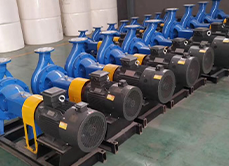
Cornell Slurry Pump: Technical Dimension and Performance Analysis
The Cornell slurry pump represents a specialized class of centrifugal pumping technology engineered specifically for the transport of abrasive, high-density fluids containing suspended solid particles. Positioned as a critical component in the midstream and downstream processing of mining, dredging, and industrial wastewater treatment, these pumps are designed to mitigate the rapid degradation associated with erosive wear and corrosive chemical attack. Unlike standard water pumps, the Cornell slurry pump utilizes a heavy-duty hydraulic design characterized by increased clearances, reinforced casing walls, and specialized impeller geometries to optimize the transport of non-Newtonian fluids while maintaining volumetric efficiency. The core technical objective of these systems is to balance the trade-off between hydraulic efficiency and the operational lifespan of the wear components, ensuring continuous uptime in extreme industrial environments.
Material Science & Manufacturing
The operational integrity of a Cornell slurry pump is fundamentally dependent on its material metallurgy and the precision of its manufacturing process. Given the constant bombardment of abrasive solids, the selection of materials focuses on high hardness, fracture toughness, and chemical stability. The primary materials utilized include high-chromium white irons (ASTM A532), which provide exceptional resistance to abrasive wear due to the presence of hard M7C3 carbides embedded in a martensitic matrix. For highly corrosive environments, duplex stainless steels or CD4MCu are employed to provide a synergistic defense against both erosion and chloride-induced stress corrosion cracking.
The manufacturing process involves a rigorous sequence of precision casting and CNC machining. The casting of the volute and impeller is conducted under strict thermal control to prevent porosity and ensure a uniform dendritic structure, which is critical for preventing localized failure points. Following casting, the components undergo heat treatment—typically quenching and tempering—to achieve the requisite Rockwell C hardness (HRC). The machining phase employs diamond-tipped tooling to maintain stringent tolerances on the wear plate and impeller mating surfaces, minimizing internal recirculation and reducing the energy loss associated with turbulence. Furthermore, the assembly process incorporates precision-ground shafts and heavy-duty bearings to withstand the significant radial and axial loads generated by the uneven distribution of slurry density during operation.
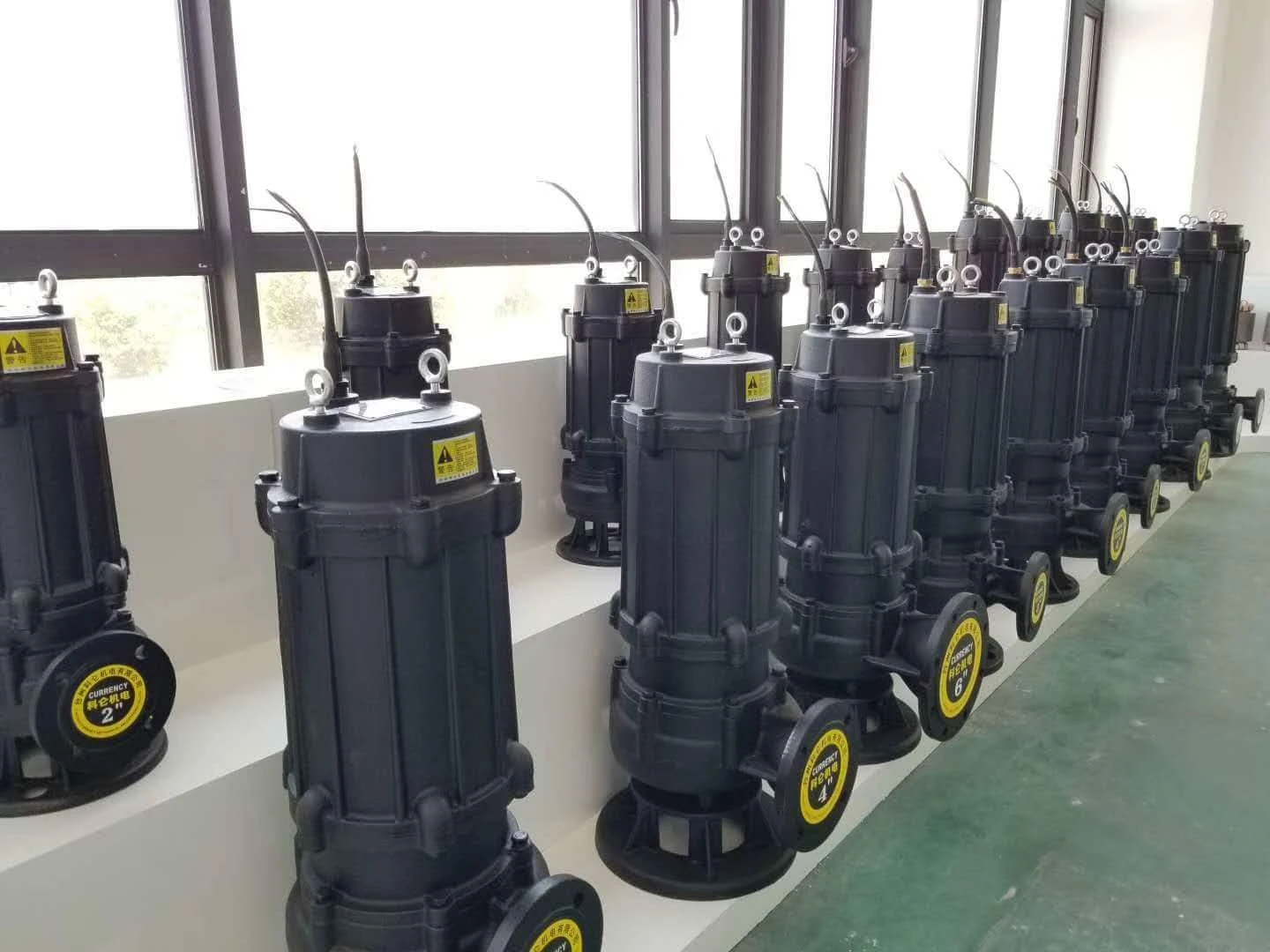
Performance & Engineering
Engineering a Cornell slurry pump requires a deep understanding of fluid dynamics and force analysis, specifically regarding the interaction between the liquid phase and the solid particles. A primary engineering challenge is the management of the "critical settling velocity." If the flow velocity falls below this threshold, solids precipitate, leading to pipeline blockage and catastrophic pump failure. Consequently, the impeller is engineered with a specific vane profile that generates sufficient centrifugal force to keep solids in suspension while minimizing the shear stress that can lead to premature erosion of the vane tips.
Environmental resistance is achieved through a multi-layered sealing strategy. The use of specialized expeller seals (mechanical seals) prevents the ingress of abrasive particles into the bearing housing, which would otherwise lead to rapid bearing seizure. From a force analysis perspective, the pump must account for the increased specific gravity of the slurry, which directly impacts the Brake Horsepower (BHP) requirements. The engineering calculations incorporate a slurry correction factor to ensure that the motor is sized not only for the head and flow but for the increased torque required to move a fluid that may be 1.5 to 2.0 times denser than pure water. Compliance with hydraulic standards ensures that the Net Positive Suction Head required (NPSHr) is kept low to prevent cavitation, which in slurry applications leads to rapid pitting and structural degradation of the impeller.
Technical Specifications
| Parameter Dimension | Standard Slurry Grade | High-Chrome Grade | Corrosion-Resistant Grade | Testing Standard |
|---|---|---|---|---|
| Casing Material | Cast Iron / Alloy | ASTM A532 (High-Cr) | Duplex Stainless Steel | ISO 9906 |
| Impeller Hardness | 45-55 HRC | 60-65 HRC | 30-40 HRC | ASTM E18 |
| Max Slurry Density | 1.3 g/cm³ | 1.6 g/cm³ | 1.4 g/cm³ | ASTM D88 |
| Max Particle Size | 15 mm | 25 mm | 20 mm | Internal Spec |
| Seal Type | Mechanical Seal | Expeller/Mechanical | Double Mechanical | API 682 |
| Efficiency Range | 65% - 82% | 60% - 78% | 62% - 80% | HI 1.3 |
Failure Mode & Maintenance
The failure modes of a Cornell slurry pump are primarily driven by the aggressive nature of the medium. The most prevalent failure mode is "Erosive Wear," where the kinetic energy of suspended solids strips away the material from the impeller vanes and the volute liner. This is often observed as thinning of the walls, leading to a drop in discharge pressure and a shift in the pump's performance curve. Another critical failure is "Cavitation-Induced Pitting," occurring when the fluid pressure drops below the vapor pressure, creating bubbles that collapse violently on the metal surface. In slurry pumps, this effect is compounded as solids act as nucleation sites, accelerating the material loss.
Maintenance protocols must be predictive rather than reactive. We recommend the implementation of a vibration analysis program to detect bearing wear or impeller imbalance early. For the wear liners, a periodic thickness measurement using ultrasonic testing (UT) is essential to determine the remaining life of the component before a catastrophic breach occurs. Maintenance schedules should include the regular inspection of the seal flush systems to ensure that abrasive particles are not penetrating the seal faces. When replacing impellers, it is critical to ensure the dynamic balance of the rotating assembly to prevent fatigue cracking of the shaft, a common failure resulting from the uneven wear of the impeller blades.
Industry FAQ
Q: How do you determine the correct impeller material for a specific slurry application?
A: The selection is based on a tripartite analysis: the Mohs hardness of the suspended solids, the pH level of the carrier fluid, and the flow velocity. If the solids are highly abrasive (e.g., silica), high-chromium alloys are mandatory. If the fluid is acidic or alkaline, we shift toward duplex stainless steels or specialized polymers to prevent chemical degradation.
Q: What is the impact of slurry density on the Net Positive Suction Head (NPSH)?
A: Increased density generally increases the NPSHr of the pump. As the slurry becomes thicker, the internal friction and pressure drops increase, making the pump more susceptible to cavitation. We mitigate this by increasing the suction pipe diameter or lowering the pump elevation relative to the source.
Q: Why is an expeller seal preferred over a standard mechanical seal in these pumps?
A: Standard mechanical seals are prone to rapid failure when abrasive particles enter the seal face. An expeller seal uses a centrifugal mechanism to push the slurry away from the seal area, creating a "clean zone" that significantly extends the life of the sealing components.
Q: How can we identify the onset of impeller wear without dismantling the pump?
A: The most reliable indicator is a gradual decrease in discharge pressure and flow rate at a constant RPM. Additionally, an increase in the motor's current draw (Amperage) often indicates an increase in internal turbulence and inefficiency caused by worn-out clearances.
Q: What is the recommended strategy for handling non-Newtonian slurry behavior?
A: For thixotropic or pseudoplastic slurries, we adjust the pump speed and use specialized impeller geometries to maintain a shear rate that optimizes viscosity. We also recommend the use of Variable Frequency Drives (VFDs) to precisely control the flow velocity and avoid settling.
Conclusion
The Cornell slurry pump is an engineering solution designed to overcome the inherent challenges of transporting abrasive and corrosive fluids. By integrating advanced material science—specifically high-chromium alloys and duplex steels—with precision hydraulic engineering, these pumps ensure operational stability in the most demanding industrial environments. The technical success of the system relies on the precise calibration of flow velocity to prevent sedimentation and the implementation of rigorous wear-management strategies.
Moving forward, the integration of IoT-enabled condition monitoring and the development of nano-composite coatings are expected to further extend the mean time between failures (MTBF). For operators, the focus must remain on strict adherence to maintenance schedules and the accurate calculation of slurry-specific hydraulic parameters to maximize the lifecycle value of the equipment and ensure systemic efficiency across the industrial chain.
-
Comprehensive Guide to Waterproof ORings for Optimal Sealing Solutions
News2026-06-09
-
Septic Pump System Performance Analysis
News2026-06-08
-
pump for septic Material Science
News2026-06-08
-
basement sewer pump Performance Analysis
News2026-06-08
-
submerged pump Performance Engineering
News2026-06-08
-
Septic System Pumps Performance Analysis
News2026-06-08
-
septic system pump Material Science and Manufacturing
News2026-06-07
-
pump for septic tank Material Science Manufacturing
News2026-06-07
-
submersible sewage pump Material Science
News2026-06-07
-
Sewage Ejector Material Science and Manufacturing
News2026-06-07
-
Ejection Pump Material Science
News2026-06-07
-
pump submersible Performance Analysis
News2026-06-06
-
ejector pumps Performance Engineering
News2026-06-06
-
basement ejector pump Material Science Manufacturing
News2026-06-06
-
Septic Tanks Pumping Performance Analysis
News2026-06-06




