English
- Afrikaans
- Albanian
- Amharic
- Arabic
- Armenian
- Azerbaijani
- Basque
- Belarusian
- Bengali
- Bosnian
- Bulgarian
- Catalan
- Cebuano
- Corsican
- Croatian
- Czech
- Danish
- Dutch
- English
- Esperanto
- Estonian
- Finnish
- French
- Frisian
- Galician
- Georgian
- German
- Greek
- Gujarati
- Haitian Creole
- hausa
- hawaiian
- Hebrew
- Hindi
- Miao
- Hungarian
- Icelandic
- igbo
- Indonesian
- irish
- Italian
- Japanese
- Javanese
- Kannada
- kazakh
- Khmer
- Rwandese
- Korean
- Kurdish
- Kyrgyz
- Lao
- Latin
- Latvian
- Lithuanian
- Luxembourgish
- Macedonian
- Malgashi
- Malay
- Malayalam
- Maltese
- Maori
- Marathi
- Mongolian
- Myanmar
- Nepali
- Norwegian
- Norwegian
- Occitan
- Pashto
- Persian
- Polish
- Portuguese
- Punjabi
- Romanian
- Russian
- Samoan
- Scottish Gaelic
- Serbian
- Sesotho
- Shona
- Sindhi
- Sinhala
- Slovak
- Slovenian
- Somali
- Spanish
- Sundanese
- Swahili
- Swedish
- Tagalog
- Tajik
- Tamil
- Tatar
- Telugu
- Thai
- Turkish
- Turkmen
- Ukrainian
- Urdu
- Uighur
- Uzbek
- Vietnamese
- Welsh
- Bantu
- Yiddish
- Yoruba
- Zulu

Telephone: +86 13120555503
Email: frank@cypump.com


Apr . 01, 2024 17:55 Back to list
clearwater well and pump Performance Analysis
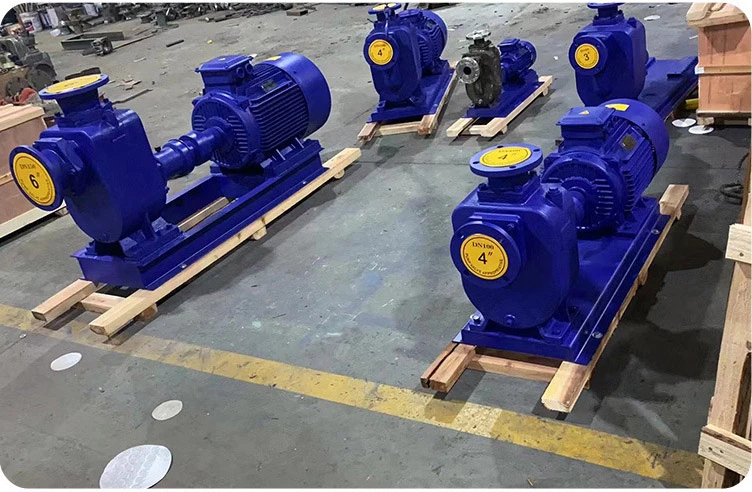
Introduction
Clearwater well and pump systems represent a critical component in water sourcing and distribution across a wide range of applications, from agricultural irrigation and municipal water supplies to industrial process cooling and dewatering operations. These systems are generally comprised of a submersible pump installed within a drilled well casing, utilizing electrical power to lift groundwater or surface water to the required point of use. Their technical position within the industry chain bridges the gap between geological assessment (hydrogeology) and end-user application, demanding a comprehensive understanding of hydraulic principles, material compatibility, and long-term operational reliability. Core performance metrics include flow rate (gallons per minute or liters per second), total dynamic head (TDH, measured in feet or meters), pump efficiency, and the system’s ability to consistently deliver potable or process-grade water while adhering to stringent environmental regulations. The increasing demand for sustainable water management and the rising costs of energy are driving innovation in Clearwater well and pump technology, focusing on optimized pump designs, variable frequency drives (VFDs), and intelligent monitoring systems to maximize efficiency and minimize lifecycle costs. This guide provides a detailed examination of the material science, manufacturing processes, performance characteristics, failure modes, and maintenance procedures associated with Clearwater well and pump systems.
Material Science & Manufacturing
The performance and longevity of Clearwater well and pump systems are heavily reliant on the selection of appropriate materials and precise manufacturing processes. Pump components typically utilize several key materials. Pump housings and impellers are often constructed from stainless steel (304, 316, or duplex stainless steel) due to its corrosion resistance, high tensile strength, and ability to withstand significant hydraulic pressure. The specific grade of stainless steel is determined by the water chemistry, particularly the chloride content and pH. Well casing materials frequently employ carbon steel with protective coatings (epoxy, polyethylene) to prevent corrosion, or alternatively, PVC or fiberglass reinforced plastic (FRP) for applications where corrosion is a major concern. Shafts are commonly made from high-strength alloy steel, heat-treated to enhance durability and resistance to torsional stress. Seals and bearings incorporate materials like nitrile rubber, fluorocarbon elastomers (Viton), or ceramic materials to provide effective sealing and minimize friction.
Manufacturing processes vary depending on the component. Pump housings and impellers are frequently produced using investment casting or centrifugal casting, ensuring dimensional accuracy and minimizing material defects. Stainless steel components undergo machining, welding, and polishing to achieve precise tolerances and smooth surface finishes. Welding procedures must adhere to strict quality control standards (AWS D1.1 for structural welding) to ensure joint integrity and prevent corrosion initiation points. PVC well casing is manufactured through extrusion, while FRP casing involves filament winding or resin transfer molding. Quality control measures include hydrostatic testing to verify pressure integrity, non-destructive testing (NDT) methods such as radiography and ultrasonic testing to detect internal flaws, and material certification to ensure compliance with industry standards.
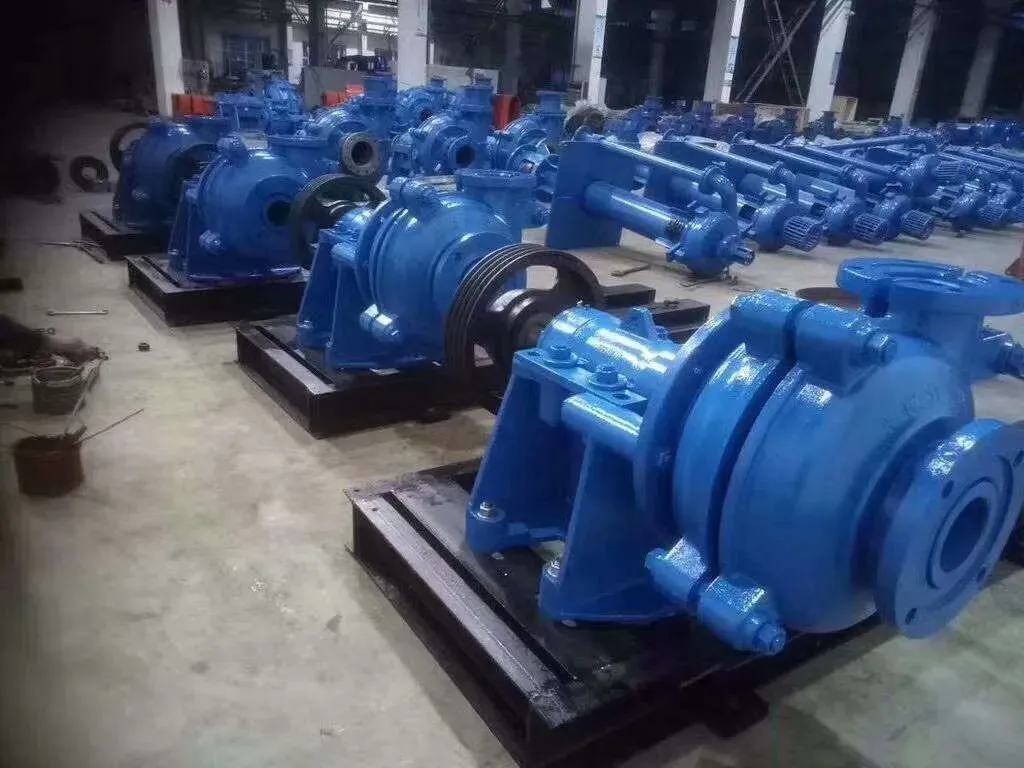
Performance & Engineering
The performance of a Clearwater well and pump system is governed by several key engineering principles, primarily focusing on fluid dynamics, hydraulics, and mechanical stress analysis. Force analysis involves calculating the hydrostatic pressure exerted by the water column, the dynamic pressure generated by the pump, and the mechanical stresses imposed on pump components during operation. The pump’s total dynamic head (TDH) must overcome both the static head (the vertical distance between the water level and the discharge point) and the friction losses within the piping system. Environmental resistance is crucial, especially regarding corrosion, abrasion from suspended solids, and temperature fluctuations. Corrosion potential is assessed through electrochemical testing and material selection, considering factors like water salinity, pH, and dissolved oxygen levels.
Compliance requirements vary depending on the application and geographic location. Municipal water systems must adhere to stringent drinking water standards (e.g., EPA regulations in the United States, WHO guidelines internationally) regarding contaminant levels and disinfection byproducts. Industrial applications often require compliance with environmental permits related to water discharge and groundwater protection. Functional implementation relies on proper pump sizing, motor selection, and control system design. Variable Frequency Drives (VFDs) are frequently employed to optimize pump speed and energy consumption based on real-time demand. Pump curves, which graphically represent the relationship between flow rate, head, and efficiency, are essential tools for selecting the appropriate pump for a given application. Regular monitoring of pump performance parameters (flow rate, pressure, current draw) helps detect potential issues and optimize system operation.
Technical Specifications
| Parameter | Units | Typical Range (Residential Well) | Typical Range (Industrial Dewatering) |
|---|---|---|---|
| Flow Rate | Gallons Per Minute (GPM) | 5-20 | 100-500 |
| Total Dynamic Head (TDH) | Feet (ft) | 50-200 | 200-500+ |
| Pump Horsepower | Horsepower (HP) | 0.5-3 | 5-100+ |
| Pump Material (Housing) | - | Stainless Steel 304/316 | Stainless Steel 316/Duplex Stainless Steel |
| Well Casing Diameter | Inches (in) | 4-6 | 8-24 |
| Maximum Submergence Depth | Feet (ft) | 100-300 | 500-1000+ |
Failure Mode & Maintenance
Clearwater well and pump systems are susceptible to a variety of failure modes, influenced by operational conditions, water quality, and maintenance practices. Common failure modes include: pump cavitation (caused by low water levels or excessive suction lift), impeller damage (due to abrasion from sand or other solids), bearing failure (resulting from insufficient lubrication or contamination), motor winding failure (caused by overheating or electrical surges), and well casing corrosion or collapse. Fatigue cracking in pump shafts or well casing can occur due to cyclical loading and stress concentration. Delamination of protective coatings on well casing exposes the underlying metal to corrosion. Oxidation of stainless steel components can occur in aggressive water environments.
Professional maintenance solutions involve regular inspection of pump components, lubrication of bearings, monitoring of motor current and voltage, water quality analysis, and well rehabilitation (e.g., sand removal, casing repair). Preventive maintenance schedules should be implemented based on pump operating hours and water quality characteristics. Failure analysis techniques, such as visual inspection, metallographic analysis, and chemical testing, can help identify the root cause of failures and prevent recurrence. Replacement of worn or damaged components should be performed using OEM-approved parts to ensure compatibility and reliability. Proper grounding and surge protection are essential to protect the pump motor from electrical damage. Periodic well drawdown tests should be conducted to assess well yield and identify potential issues with the aquifer.
Industry FAQ
Q: What is the typical lifespan of a submersible well pump?
A: The lifespan of a submersible well pump typically ranges from 10 to 20 years, but it can vary significantly based on operating conditions, water quality, and maintenance practices. Pumps operating in abrasive water or subjected to frequent start-stop cycles tend to have shorter lifespans. Regular maintenance and adherence to recommended operating parameters can extend pump life.
Q: How do I determine the appropriate pump size for my well?
A: Determining the appropriate pump size requires careful consideration of the well’s yield, the total dynamic head (TDH), and the desired flow rate. A professional well driller or pump specialist can conduct a pump test to measure the well’s yield and calculate the TDH. The pump should be sized to deliver the required flow rate at the calculated TDH while operating within its recommended efficiency range.
Q: What are the common causes of pump cavitation?
A: Pump cavitation is caused by the formation and collapse of vapor bubbles within the pump impeller. Common causes include low water levels in the well, excessive suction lift, clogged intake screens, and high water temperatures. Cavitation can damage the impeller and reduce pump performance. Maintaining adequate water levels and ensuring proper intake screening are crucial for preventing cavitation.
Q: What is the role of a Variable Frequency Drive (VFD) in a well pump system?
A: A Variable Frequency Drive (VFD) controls the speed of the pump motor, allowing it to adjust the flow rate based on real-time demand. This results in significant energy savings, reduced stress on pump components, and improved system efficiency. VFDs also provide soft-start capabilities, minimizing water hammer and extending pump life.
Q: How often should I conduct water quality testing?
A: Water quality testing should be conducted at least annually, and more frequently if there are changes in water usage or known sources of contamination. Testing should include parameters such as pH, iron content, chloride levels, and bacterial contamination. Regular water quality analysis helps identify potential corrosion issues and ensures compliance with drinking water standards.
Conclusion
Clearwater well and pump systems are complex engineered solutions requiring a holistic understanding of material science, hydraulic principles, and operational considerations. Optimizing the performance and longevity of these systems depends on careful material selection, precise manufacturing processes, diligent maintenance, and adherence to relevant industry standards. Failure to address factors such as water quality, pump sizing, and environmental resistance can lead to premature failure and costly repairs.
The future of Clearwater well and pump technology will likely focus on advancements in smart monitoring systems, energy-efficient pump designs, and sustainable water management practices. Integrating remote monitoring capabilities with predictive maintenance algorithms will enable proactive identification of potential issues and minimize downtime. Continued research into corrosion-resistant materials and improved pump sealing technologies will further enhance system reliability and reduce lifecycle costs. Ultimately, a commitment to robust engineering practices and proactive maintenance is essential for ensuring the long-term sustainability and efficiency of Clearwater well and pump systems.
-
Precision at the Pump: How Better Machining Protects Flow and Uptime
News2026-11-20
-
Why Pump Reliability Begins Before the First Drop of Fluid
News2026-11-20
-
Beyond the Pump: Designing Safer Access Around Critical Water Infrastructure
News2026-11-20
-
Why Pumping Stations Depend on the Infrastructure Beneath the Pumps
News2026-11-20
-
Beyond the Pump Room: How Smarter Loading Protects Industrial Equipment
News2026-11-19
-
When Pumps Stop: Designing More Resilient Power for Critical Pumping Systems
News2026-11-19
-
The Hidden Role of Dust and Gas Monitoring in Reliable Pump Operations
News2026-11-19
-
The Hidden Role of Mineral Compounds in Extending Industrial Pump Lifespan
News2026-10-12
-
Why Pump System Reliability Depends on Precision Hose Assembly Methods
News2026-09-15
-
How Advanced Imaging Films Are Transforming Pump Component Quality Control
News2026-08-25
-
How Advanced Filtration Protects Pump Systems from Premature Wear and Costly Downtime
News2026-08-25
-
How Steel Material Selection Drives Pump Reliability in Heavy-Duty Systems
News2026-08-25
-
Ensuring Pump System Efficiency: The Role of High-Quality Pipe Fittings and Tubing
News2026-08-24
-
Optimizing Fluid Dynamics and Material Consistency in Industrial Processing
News2026-08-18
-
Innovations and Challenges in Hydraulic Systems for Heavy Machinery
News2026-08-13




