English
- Afrikaans
- Albanian
- Amharic
- Arabic
- Armenian
- Azerbaijani
- Basque
- Belarusian
- Bengali
- Bosnian
- Bulgarian
- Catalan
- Cebuano
- Corsican
- Croatian
- Czech
- Danish
- Dutch
- English
- Esperanto
- Estonian
- Finnish
- French
- Frisian
- Galician
- Georgian
- German
- Greek
- Gujarati
- Haitian Creole
- hausa
- hawaiian
- Hebrew
- Hindi
- Miao
- Hungarian
- Icelandic
- igbo
- Indonesian
- irish
- Italian
- Japanese
- Javanese
- Kannada
- kazakh
- Khmer
- Rwandese
- Korean
- Kurdish
- Kyrgyz
- Lao
- Latin
- Latvian
- Lithuanian
- Luxembourgish
- Macedonian
- Malgashi
- Malay
- Malayalam
- Maltese
- Maori
- Marathi
- Mongolian
- Myanmar
- Nepali
- Norwegian
- Norwegian
- Occitan
- Pashto
- Persian
- Polish
- Portuguese
- Punjabi
- Romanian
- Russian
- Samoan
- Scottish Gaelic
- Serbian
- Sesotho
- Shona
- Sindhi
- Sinhala
- Slovak
- Slovenian
- Somali
- Spanish
- Sundanese
- Swahili
- Swedish
- Tagalog
- Tajik
- Tamil
- Tatar
- Telugu
- Thai
- Turkish
- Turkmen
- Ukrainian
- Urdu
- Uighur
- Uzbek
- Vietnamese
- Welsh
- Bantu
- Yiddish
- Yoruba
- Zulu

Telephone: +86 13120555503
Email: frank@cypump.com


Apr . 01, 2024 17:55 Back to list
clearwater pump Technology and Performance Analysis
Introduction
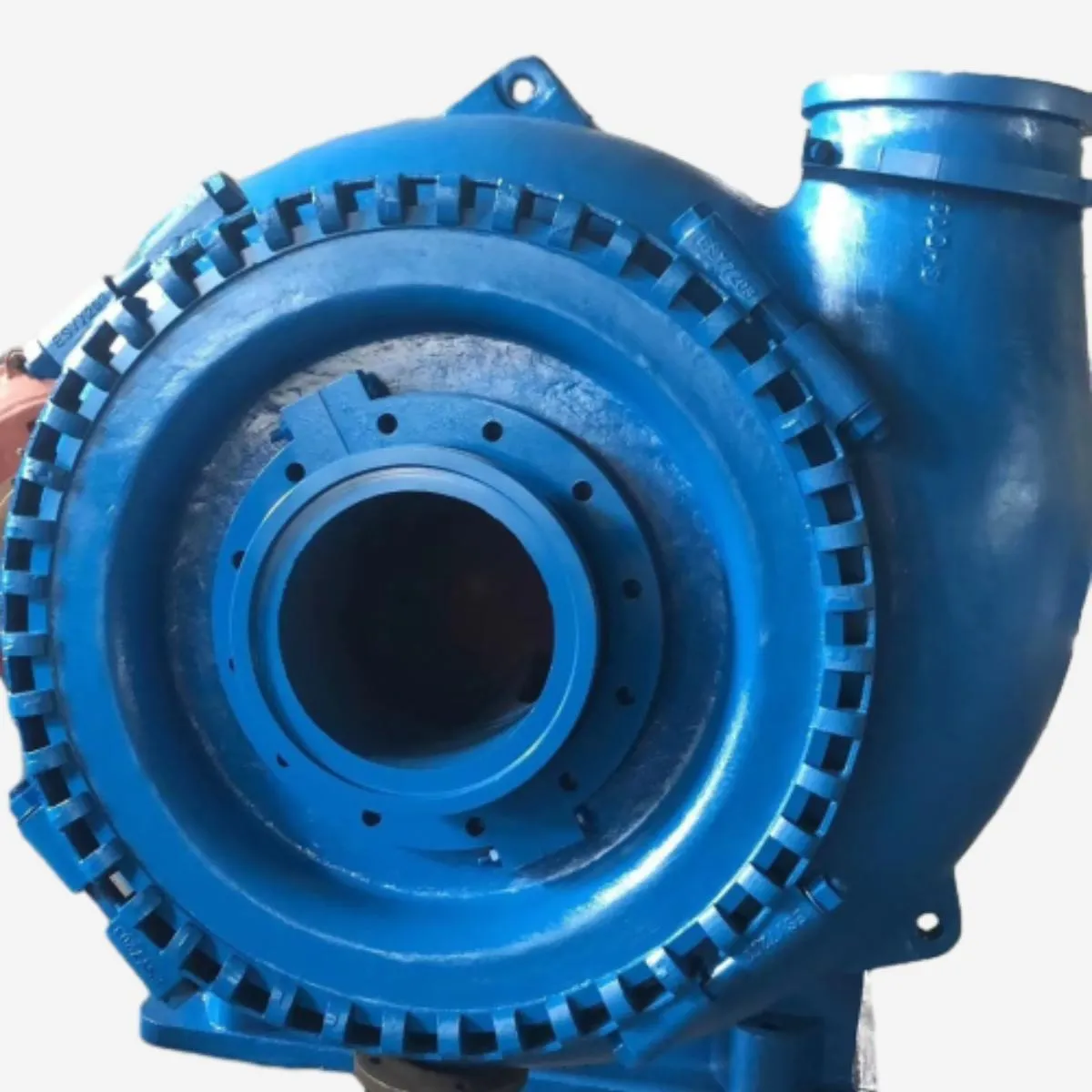
Clearwater pumps, encompassing both submersible and surface varieties, represent a critical component in fluid transfer applications across numerous industries, including wastewater treatment, construction, agriculture, and mining. Positioned as an intermediary between prime movers (typically electric motors) and the target fluid, their efficacy is determined by a complex interplay of hydraulic design, material selection, and manufacturing precision. This technical guide will delve into the intricacies of clearwater pump technology, encompassing material science, manufacturing processes, performance characteristics, potential failure modes, and relevant industry standards. Core performance centers around volumetric flow rate (typically measured in gallons per minute or cubic meters per hour) and total dynamic head (TDH), reflecting the pump's capacity to elevate fluid against gravity and frictional resistance within the piping system. A key pain point within the industry revolves around maintaining consistent performance in abrasive environments and mitigating premature wear caused by solids handling, requiring careful consideration of impeller materials and pump sealing systems.
Material Science & Manufacturing
The construction of a clearwater pump relies on a combination of metallic and non-metallic materials, each selected for specific properties. Pump housings are frequently manufactured from cast iron (ASTM A48 Class 30) due to its cost-effectiveness, machinability, and resistance to corrosion in relatively benign fluid environments. However, for more aggressive fluids, stainless steel (304, 316 – ASTM A743) alloys are employed, offering superior corrosion resistance. Impellers, the core components responsible for fluid acceleration, are commonly made from ductile iron (ASTM A536-85) providing a balance of strength and ductility. High-performance applications increasingly utilize engineered plastics like Polypropylene (PP) or Polyvinyl Chloride (PVC) for impellers, particularly where corrosion resistance is paramount. Shafts are typically constructed from high-strength carbon steel (AISI 1045) and subjected to heat treatment to enhance hardness and wear resistance. Seals, critical for preventing leakage, utilize elastomers like Nitrile Butadiene Rubber (NBR) or Viton (FKM), chosen for their chemical compatibility with the pumped fluid. Manufacturing processes vary depending on component complexity. Casting is prevalent for housings and impellers, followed by machining for dimensional accuracy. Impellers often undergo precision balancing to minimize vibration. Shafts are machined and polished to exacting tolerances. Welding processes, such as Shielded Metal Arc Welding (SMAW) or Gas Tungsten Arc Welding (GTAW), are used for joining components, demanding qualified welders and strict adherence to welding procedures (AWS D1.1) to ensure structural integrity. Quality control involves non-destructive testing (NDT) methods like ultrasonic testing (UT) and radiographic testing (RT) to detect internal flaws.
Performance & Engineering
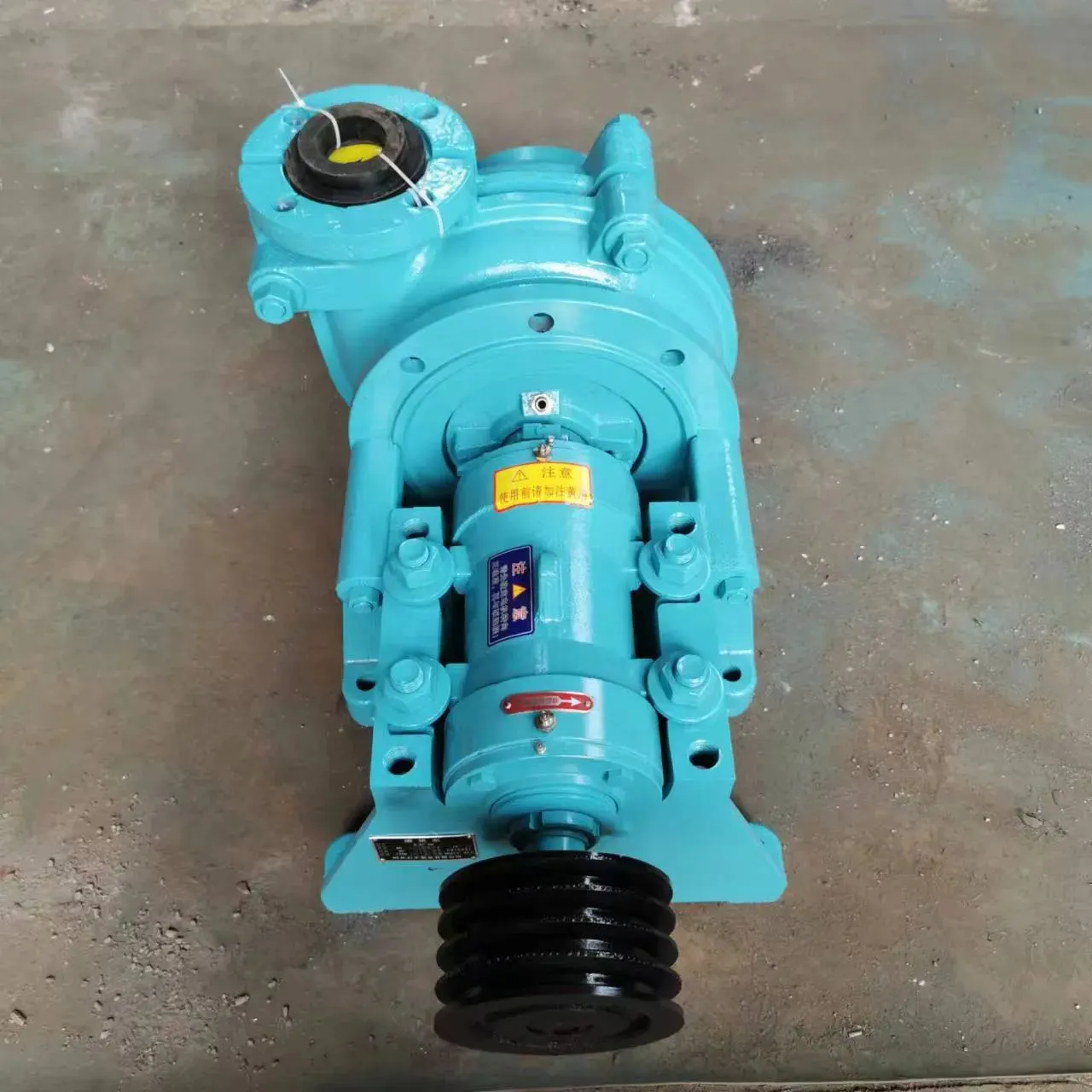
Clearwater pump performance is fundamentally governed by the principles of fluid dynamics. The pump's performance curve, a graphical representation of head versus flow rate, is determined by impeller geometry, impeller speed, and casing design. Force analysis reveals that the impeller experiences both radial and axial forces, necessitating robust bearing support systems. Bearing selection (typically ball bearings or roller bearings) considers load capacity, speed, and operating environment. Environmental resistance is a critical engineering consideration. Pumps operating outdoors must withstand temperature fluctuations, UV exposure, and potential freezing conditions. Materials must be selected accordingly, and protective coatings may be applied. Compliance requirements vary depending on the application. Wastewater pumps, for example, must comply with stringent regulations regarding leakage and environmental impact. Hydraulic Institute (HI) standards provide guidelines for pump testing and performance evaluation. The Net Positive Suction Head Required (NPSHr) is a critical parameter; insufficient NPSH can lead to cavitation, a phenomenon where vapor bubbles form and collapse within the pump, causing noise, vibration, and impeller damage. Proper system design must ensure that the Net Positive Suction Head Available (NPSHa) exceeds the NPSHr. Furthermore, pump efficiency, calculated as the ratio of hydraulic power output to electrical power input, is a key performance indicator. Optimization of impeller blade angles and casing volute shape can significantly improve efficiency.
Technical Specifications
| Parameter | Submersible Pump (Typical) | Surface Pump (Typical) | Units |
|---|---|---|---|
| Flow Rate | 50 - 500 | 100 - 1000 | GPM |
| Total Dynamic Head (TDH) | 20 - 150 | 50 - 300 | Feet |
| Motor Power | 0.5 - 10 | 1 - 20 | HP |
| Impeller Material | Cast Iron / Stainless Steel | Cast Iron / Stainless Steel / Plastic | - |
| Seal Material | NBR / Viton | NBR / Viton / Mechanical Seal | - |
| Maximum Solid Handling | Up to 1 inch | Typically clear liquids only | - |
Failure Mode & Maintenance
Clearwater pumps are susceptible to various failure modes. Fatigue cracking in the impeller, particularly at the blade roots, is a common issue, often exacerbated by cyclic loading and stress concentrations. Delamination of impeller blades, especially in plastic impellers, can occur due to improper manufacturing or exposure to corrosive fluids. Shaft bending or breakage can result from overloading or misalignment. Seal failure, manifesting as leakage, is often caused by abrasion, chemical attack, or improper installation. Cavitation, as previously discussed, leads to impeller erosion and reduced performance. Bearing failure, characterized by noise and vibration, can result from insufficient lubrication, contamination, or excessive loading. Preventive maintenance is crucial for extending pump life. Regular inspections should focus on checking for leakage, unusual noise, and vibration. Lubrication of bearings should be performed according to the manufacturer's recommendations. Impellers should be inspected for signs of erosion or corrosion. Seals should be replaced periodically. Alignment of the pump and motor must be verified. For submersible pumps, cable connections should be inspected for damage. Failure analysis, employing techniques like fractography and metallurgical analysis, can help identify the root cause of failures and prevent recurrence. Proper storage during periods of inactivity is also vital, including draining the pump to prevent freezing and corrosion.
Industry FAQ
Q: What is the primary difference between a submersible pump and a surface pump for clearwater applications?
A: Submersible pumps are designed to operate while fully submerged in the fluid, eliminating the need for priming and offering advantages in situations where suction lift is a concern. Surface pumps, conversely, are located outside the fluid and require priming to initiate operation. Surface pumps are generally easier to maintain, while submersible pumps are more efficient in deep well applications.
Q: How does impeller material affect pump performance when handling fluids with minor abrasive content?
A: Impeller material is critical. While cast iron is cost-effective, even minor abrasives will significantly accelerate wear. Stainless steel offers improved abrasion resistance, and engineered plastics like ceramic-filled polymers provide the highest level of protection against abrasive wear, albeit at a higher cost.
Q: What are the key considerations for selecting the appropriate pump seal for a specific application?
A: Chemical compatibility is paramount. The seal material must be resistant to the fluid being pumped. Temperature and pressure also influence seal selection. For abrasive fluids, mechanical seals with hardened faces are preferred over elastomer seals. Consider the presence of solids and their size.
Q: What are the consequences of operating a pump outside its recommended NPSH range?
A: Operating outside the recommended NPSH range, particularly with insufficient NPSHa, leads to cavitation. Cavitation causes noise, vibration, reduced pump performance, and ultimately, impeller damage due to pitting and erosion. Prolonged cavitation can lead to catastrophic pump failure.
Q: What role do variable frequency drives (VFDs) play in optimizing clearwater pump performance?
A: VFDs allow for precise control of pump speed, enabling optimization of flow rate to match demand. This reduces energy consumption, minimizes wear and tear, and allows for smoother start-up and shut-down, extending pump life. They are particularly beneficial in applications with fluctuating flow requirements.
Conclusion
Clearwater pump technology represents a sophisticated blend of fluid dynamics, material science, and precision manufacturing. Selecting the optimal pump for a given application requires a thorough understanding of system requirements, fluid properties, and potential failure modes. Prioritizing material selection based on chemical compatibility and abrasion resistance, alongside meticulous maintenance practices, is essential for ensuring long-term reliability and minimizing life-cycle costs.
Future advancements in clearwater pump technology will likely focus on enhancing energy efficiency through improved hydraulic designs and the integration of smart sensors for predictive maintenance. The development of more durable and corrosion-resistant materials will further extend pump life and reduce operational expenses. Continued adherence to industry standards and best practices will remain crucial for maintaining product quality and safety.
-
Precision at the Pump: How Better Machining Protects Flow and Uptime
News2026-11-20
-
Why Pump Reliability Begins Before the First Drop of Fluid
News2026-11-20
-
Beyond the Pump: Designing Safer Access Around Critical Water Infrastructure
News2026-11-20
-
Why Pumping Stations Depend on the Infrastructure Beneath the Pumps
News2026-11-20
-
Beyond the Pump Room: How Smarter Loading Protects Industrial Equipment
News2026-11-19
-
When Pumps Stop: Designing More Resilient Power for Critical Pumping Systems
News2026-11-19
-
The Hidden Role of Dust and Gas Monitoring in Reliable Pump Operations
News2026-11-19
-
The Hidden Role of Mineral Compounds in Extending Industrial Pump Lifespan
News2026-10-12
-
Why Pump System Reliability Depends on Precision Hose Assembly Methods
News2026-09-15
-
How Advanced Imaging Films Are Transforming Pump Component Quality Control
News2026-08-25
-
How Advanced Filtration Protects Pump Systems from Premature Wear and Costly Downtime
News2026-08-25
-
How Steel Material Selection Drives Pump Reliability in Heavy-Duty Systems
News2026-08-25
-
Ensuring Pump System Efficiency: The Role of High-Quality Pipe Fittings and Tubing
News2026-08-24
-
Optimizing Fluid Dynamics and Material Consistency in Industrial Processing
News2026-08-18
-
Innovations and Challenges in Hydraulic Systems for Heavy Machinery
News2026-08-13




