English
- Afrikaans
- Albanian
- Amharic
- Arabic
- Armenian
- Azerbaijani
- Basque
- Belarusian
- Bengali
- Bosnian
- Bulgarian
- Catalan
- Cebuano
- Corsican
- Croatian
- Czech
- Danish
- Dutch
- English
- Esperanto
- Estonian
- Finnish
- French
- Frisian
- Galician
- Georgian
- German
- Greek
- Gujarati
- Haitian Creole
- hausa
- hawaiian
- Hebrew
- Hindi
- Miao
- Hungarian
- Icelandic
- igbo
- Indonesian
- irish
- Italian
- Japanese
- Javanese
- Kannada
- kazakh
- Khmer
- Rwandese
- Korean
- Kurdish
- Kyrgyz
- Lao
- Latin
- Latvian
- Lithuanian
- Luxembourgish
- Macedonian
- Malgashi
- Malay
- Malayalam
- Maltese
- Maori
- Marathi
- Mongolian
- Myanmar
- Nepali
- Norwegian
- Norwegian
- Occitan
- Pashto
- Persian
- Polish
- Portuguese
- Punjabi
- Romanian
- Russian
- Samoan
- Scottish Gaelic
- Serbian
- Sesotho
- Shona
- Sindhi
- Sinhala
- Slovak
- Slovenian
- Somali
- Spanish
- Sundanese
- Swahili
- Swedish
- Tagalog
- Tajik
- Tamil
- Tatar
- Telugu
- Thai
- Turkish
- Turkmen
- Ukrainian
- Urdu
- Uighur
- Uzbek
- Vietnamese
- Welsh
- Bantu
- Yiddish
- Yoruba
- Zulu

Telephone: +86 13120555503
Email: frank@cypump.com


Apr . 01, 2024 17:55 Back to list
clearwater pump service Performance Analysis
Introduction
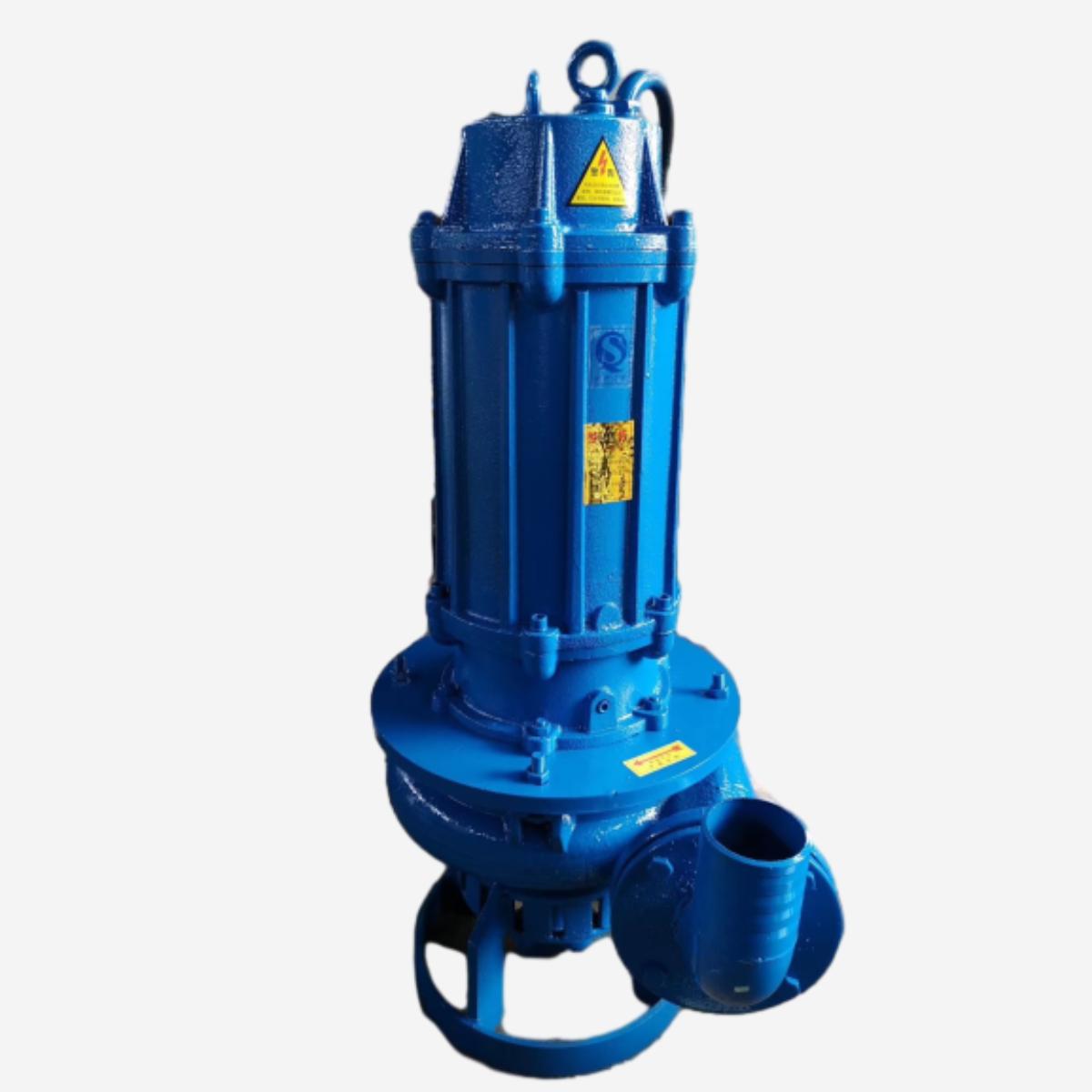
Clearwater pump service encompasses the inspection, repair, and maintenance of centrifugal pumps designed for clean water applications. These pumps are integral to a wide range of industries, including municipal water treatment, irrigation, building services (HVAC), and industrial process cooling. Their reliability directly impacts operational efficiency and system uptime. Unlike pumps handling abrasive or corrosive fluids, clearwater pumps are primarily subject to wear from cavitation, mechanical fatigue, and seal degradation. This guide provides a comprehensive technical overview of clearwater pump service, covering material science, manufacturing processes, performance parameters, failure modes, and relevant industry standards. The core pain point within the industry lies in preventative maintenance scheduling and accurate failure analysis, impacting long-term operational costs and minimizing unscheduled downtime. Effective service relies on a deep understanding of pump hydraulics and materials compatibility.
Material Science & Manufacturing
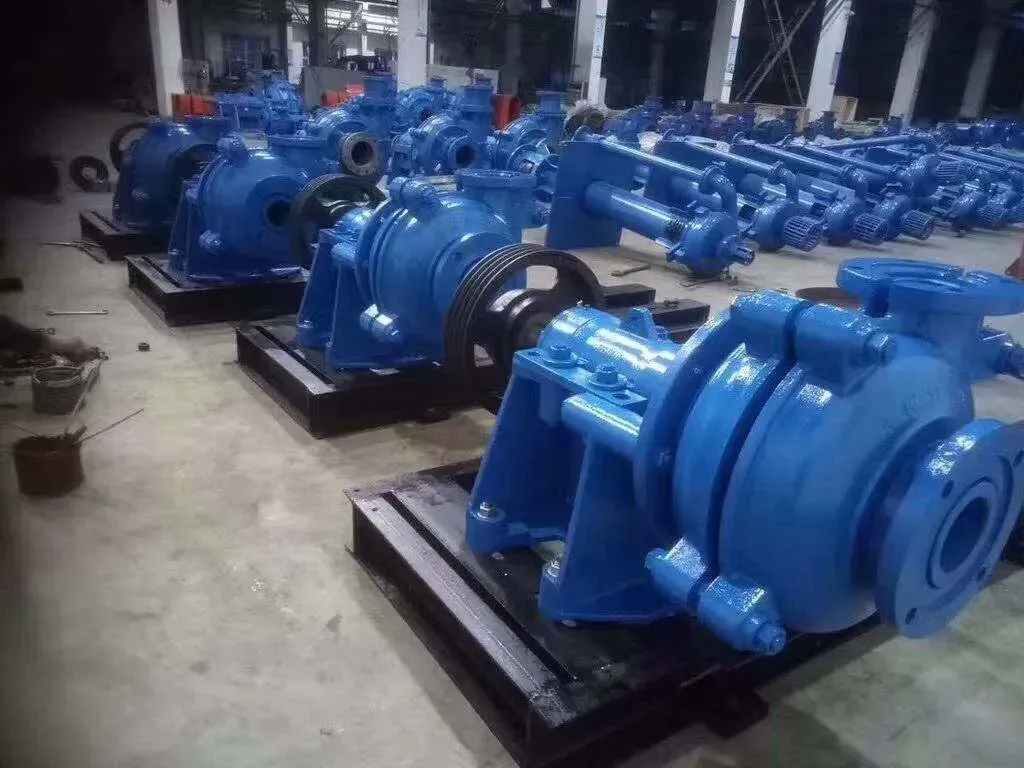
Clearwater pumps are typically constructed from cast iron (ASTM A48 Class 30), stainless steel (304/316 – ASTM A351), or engineered polymers for housings and impellers. Cast iron provides cost-effectiveness and good vibration damping but is susceptible to corrosion in untreated water. Stainless steel offers superior corrosion resistance but is more expensive and has different vibrational characteristics. Polymer impellers are used in applications requiring lightweight components and resistance to specific chemical compositions. Manufacturing processes include sand casting for housings, investment casting or machining for impellers, and precision machining for shafts and wear rings. Critical parameters during impeller casting include mold temperature, cooling rate, and alloy composition control to prevent porosity and ensure dimensional accuracy. Shafts are generally forged from medium carbon steel (AISI 1045) and undergo heat treatment to achieve required tensile strength and hardness (HRC 35-45). Seal faces are commonly made from silicon carbide (SiC) or tungsten carbide (WC) due to their wear resistance and low friction coefficient. The welding process used in pump fabrication, if any, must adhere to AWS D1.1 standards to ensure weld integrity and prevent cracking. Proper surface preparation prior to coating or painting is crucial for adhesion and corrosion protection, conforming to SSPC standards.
Performance & Engineering
Pump performance is governed by the affinity laws, relating flow rate, head, and power consumption to impeller speed. The pump's hydraulic design dictates its performance curve, with key parameters including Best Efficiency Point (BEP), shut-off head, and maximum flow rate. Force analysis during operation includes radial loads from impeller imbalance and axial thrust from pressure differentials. Bearing selection (typically ball or roller bearings – SKF/Timken) is critical for managing these loads and ensuring long service life. Environmental resistance considerations include temperature fluctuations, humidity, and potential for freezing. Pump materials must be selected to withstand the operating temperature range without significant degradation. Compliance requirements vary depending on the application. For municipal water applications, pumps must meet NSF/ANSI 61 standards for drinking water system components. For fire protection systems, pumps must conform to NFPA 20 standards for centrifugal fire pumps. Proper pump alignment (within 0.05mm) is essential to minimize vibration and bearing wear, often verified using laser alignment tools. Cavitation, caused by insufficient Net Positive Suction Head Available (NPSHA), is a primary concern, leading to impeller erosion and reduced pump efficiency.
Technical Specifications
| Parameter | Typical Value (Small Clear Water Pump - 5HP) | Typical Value (Medium Clear Water Pump - 20HP) | Typical Value (Large Clear Water Pump - 100HP) |
|---|---|---|---|
| Flow Rate (GPM) | 50-150 | 200-500 | 600-1500 |
| Total Head (ft) | 50-100 | 100-250 | 250-500 |
| Power (HP) | 5 | 20 | 100 |
| Impeller Diameter (in) | 6-8 | 8-12 | 12-18 |
| Specific Gravity | 1.0 (Water) | 1.0 (Water) | 1.0 (Water) |
| Maximum Operating Temperature (°F) | 176 | 176 | 176 |
Failure Mode & Maintenance
Common failure modes in clearwater pumps include bearing failure (caused by misalignment, overload, or lubrication issues), seal failure (due to wear, corrosion, or improper installation), impeller erosion (from cavitation or abrasive particles), and shaft cracking (from fatigue or corrosion). Failure analysis should include visual inspection, vibration analysis, oil analysis, and non-destructive testing (NDT) such as dye penetrant inspection for crack detection. Preventative maintenance schedules should include regular lubrication of bearings, seal inspection and replacement, impeller cleaning, and alignment checks. Cavitation damage manifests as pitting on the impeller surface and reduced pump efficiency. Bearing failure often presents as increased vibration and noise. Seal leakage indicates seal wear or damage. Corrosion can be identified through visual inspection and material testing. For seal replacement, proper face lapping is crucial to ensure a tight seal. Regular monitoring of pump performance parameters (flow rate, head, power consumption) can detect early signs of degradation. Maintaining a detailed maintenance log is essential for tracking pump performance and identifying recurring problems. Vibration analysis, conducted according to ISO 10816, can identify imbalances and bearing faults before catastrophic failure occurs.
Industry FAQ
Q: What are the primary causes of cavitation in a clearwater pump, and how can it be mitigated?
A: Cavitation occurs when the absolute pressure at the pump inlet falls below the vapor pressure of the liquid, forming vapor bubbles that collapse violently, damaging the impeller. Primary causes include insufficient NPSHA (Net Positive Suction Head Available) due to high suction lift, low tank level, or restrictions in the suction piping. Mitigation strategies include lowering the pump, increasing the tank level, reducing suction pipe friction loss, and ensuring adequate suction piping diameter. Thorough NPSH calculations are critical during pump selection and installation.
Q: How frequently should mechanical seals be replaced in a typical clearwater pump application?
A: Seal replacement frequency depends on operating conditions and fluid properties. As a general guideline, seals should be inspected annually and replaced every 2-3 years, or sooner if leakage is detected. More abrasive water or higher operating temperatures may necessitate more frequent replacement. Utilizing high-quality seals with appropriate materials for the application (e.g., SiC vs. WC) will extend seal life.
Q: What are the best practices for aligning a clearwater pump and motor?
A: Precise alignment is critical to minimize vibration and bearing wear. Laser alignment tools are recommended for achieving alignment within 0.05mm. Follow a standard alignment procedure, including verifying soft foot and ensuring proper coupling selection. Regularly check alignment after initial installation and following any maintenance that involves disturbing the pump or motor.
Q: How can vibration analysis be used to diagnose problems in a clearwater pump?
A: Vibration analysis measures the amplitude and frequency of vibrations, providing insights into pump condition. High-frequency vibrations often indicate bearing issues, while lower-frequency vibrations can signal imbalance or misalignment. Trending vibration data over time allows for early detection of degradation and proactive maintenance. Analysis should be performed according to ISO 10816 standards.
Q: What is the significance of NPSH (Net Positive Suction Head) in clearwater pump operation?
A: NPSH is a crucial parameter that determines whether the pump will cavitate. NPSHA (available) must always be greater than NPSHR (required) by the pump. Insufficient NPSH leads to cavitation, impeller damage, and reduced pump performance. Understanding and accurately calculating NPSH is fundamental to ensuring reliable pump operation.
Conclusion
Clearwater pump service is a complex discipline requiring a thorough understanding of hydraulics, material science, and mechanical engineering principles. Effective maintenance programs, driven by proactive monitoring and accurate failure analysis, are essential for maximizing pump reliability and minimizing operational costs. The selection of appropriate materials and adherence to industry standards (NSF/ANSI 61, NFPA 20) are paramount for ensuring long-term performance and compliance.
Looking forward, the integration of advanced sensor technologies and predictive maintenance algorithms will further enhance pump service capabilities. Remote monitoring and data analytics will allow for real-time assessment of pump condition and optimized maintenance scheduling, reducing downtime and improving overall efficiency. Continued research into advanced materials and pump designs will also contribute to improved performance and durability.
-
Comprehensive Guide to Waterproof ORings for Optimal Sealing Solutions
News2026-06-09
-
Septic Pump System Performance Analysis
News2026-06-08
-
pump for septic Material Science
News2026-06-08
-
basement sewer pump Performance Analysis
News2026-06-08
-
submerged pump Performance Engineering
News2026-06-08
-
Septic System Pumps Performance Analysis
News2026-06-08
-
septic system pump Material Science and Manufacturing
News2026-06-07
-
pump for septic tank Material Science Manufacturing
News2026-06-07
-
submersible sewage pump Material Science
News2026-06-07
-
Sewage Ejector Material Science and Manufacturing
News2026-06-07
-
Ejection Pump Material Science
News2026-06-07
-
pump submersible Performance Analysis
News2026-06-06
-
ejector pumps Performance Engineering
News2026-06-06
-
basement ejector pump Material Science Manufacturing
News2026-06-06
-
Septic Tanks Pumping Performance Analysis
News2026-06-06




