English
- Afrikaans
- Albanian
- Amharic
- Arabic
- Armenian
- Azerbaijani
- Basque
- Belarusian
- Bengali
- Bosnian
- Bulgarian
- Catalan
- Cebuano
- Corsican
- Croatian
- Czech
- Danish
- Dutch
- English
- Esperanto
- Estonian
- Finnish
- French
- Frisian
- Galician
- Georgian
- German
- Greek
- Gujarati
- Haitian Creole
- hausa
- hawaiian
- Hebrew
- Hindi
- Miao
- Hungarian
- Icelandic
- igbo
- Indonesian
- irish
- Italian
- Japanese
- Javanese
- Kannada
- kazakh
- Khmer
- Rwandese
- Korean
- Kurdish
- Kyrgyz
- Lao
- Latin
- Latvian
- Lithuanian
- Luxembourgish
- Macedonian
- Malgashi
- Malay
- Malayalam
- Maltese
- Maori
- Marathi
- Mongolian
- Myanmar
- Nepali
- Norwegian
- Norwegian
- Occitan
- Pashto
- Persian
- Polish
- Portuguese
- Punjabi
- Romanian
- Russian
- Samoan
- Scottish Gaelic
- Serbian
- Sesotho
- Shona
- Sindhi
- Sinhala
- Slovak
- Slovenian
- Somali
- Spanish
- Sundanese
- Swahili
- Swedish
- Tagalog
- Tajik
- Tamil
- Tatar
- Telugu
- Thai
- Turkish
- Turkmen
- Ukrainian
- Urdu
- Uighur
- Uzbek
- Vietnamese
- Welsh
- Bantu
- Yiddish
- Yoruba
- Zulu

Telephone: +86 13120555503
Email: frank@cypump.com


Apr . 01, 2024 17:55 Back to list
clearwater irrigation Performance and Engineering
Introduction
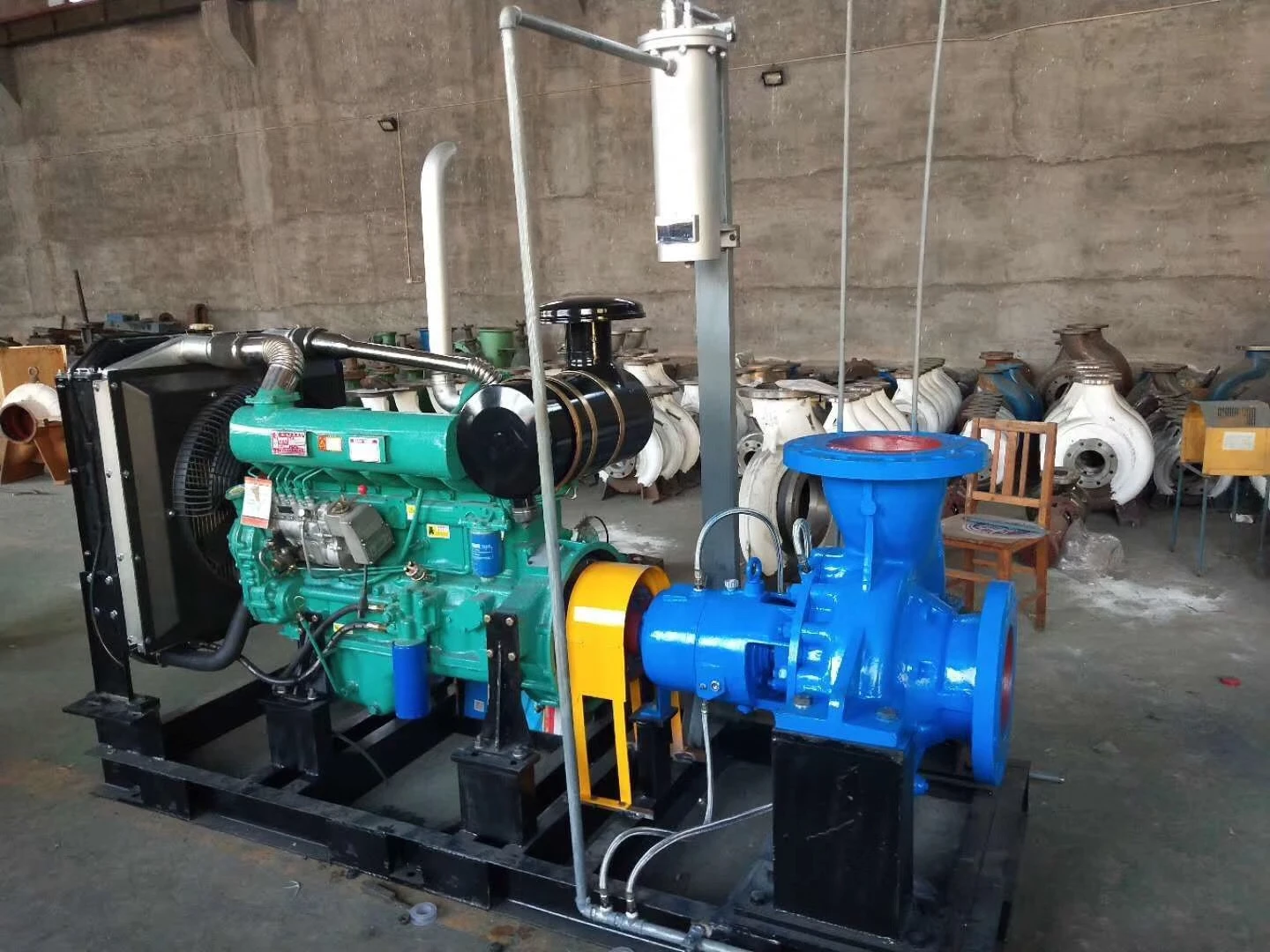
Clearwater irrigation systems represent a critical component of modern agricultural and landscape management, focusing on the efficient and controlled delivery of water to plants. Unlike traditional flood or sprinkler irrigation, clearwater systems prioritize the use of filtered, often recycled, water, minimizing mineral buildup and biological contamination. Technically, these systems occupy a space between drip irrigation and micro-sprinkler applications, often employing specialized emitters and subsurface delivery methods. Core performance indicators for clearwater systems center around uniformity of application, flow rate stability, emitter clogging resistance, and the overall reduction of water and fertilizer consumption. The industry addresses crucial pain points related to scaling, biofilm formation within pipes, and maintaining consistent water quality to prevent emitter blockage and ensure long-term system viability. The growing emphasis on water conservation and sustainable agricultural practices has positioned clearwater irrigation as a key technology for optimizing resource utilization and minimizing environmental impact.
Material Science & Manufacturing
Clearwater irrigation systems are typically constructed from a blend of engineered plastics and corrosion-resistant alloys. Polyethylene (PE), specifically Linear Low-Density Polyethylene (LLDPE) and High-Density Polyethylene (HDPE), are prevalent in mainline piping due to their cost-effectiveness, flexibility, and resistance to chemical degradation. However, their susceptibility to UV degradation necessitates the incorporation of UV stabilizers and protective coatings. Lateral lines and emitters frequently utilize Polypropylene (PP) for its higher temperature resistance and dimensional stability. Emitter materials often incorporate Acrylonitrile Butadiene Styrene (ABS) or Polycarbonate (PC) for their impact resistance and precision molding capabilities. Manufacturing processes involve extrusion for pipe production, injection molding for emitters and fittings, and ultrasonic welding for joining components. Key parameter control during extrusion includes maintaining consistent melt temperature, die pressure, and cooling rates to ensure uniform wall thickness and prevent dimensional distortions. Injection molding demands precise mold temperature control, injection speed, and packing pressure to minimize warpage and achieve accurate emitter orifice geometries. Filter components often leverage woven polypropylene fabrics or sintered polyethylene filters, fabricated through thermal bonding or particle sintering techniques. The choice of materials must consider chemical compatibility with various water treatment chemicals (chlorine, disinfectants, fertilizers) and the potential for leaching of plasticizers into the water supply.
Performance & Engineering
The performance of a clearwater irrigation system hinges on hydraulic principles, specifically Bernoulli's equation and Darcy-Weisbach equation for calculating head loss. Flow rate is determined by emitter orifice size, water pressure, and the number of emitters operating simultaneously. Engineering considerations include pipe diameter selection to minimize friction losses and ensure adequate pressure at the furthest emitter. Force analysis focuses on burst pressure ratings for pipes and fittings, calculated using Barlow’s formula, and tensile strength requirements for lateral lines subjected to soil tension. Environmental resistance is crucial, demanding UV stabilization for exposed components, freeze-thaw resistance for cold climates, and chemical inertness to withstand water treatment regimes. Compliance with local water quality regulations (e.g., backflow prevention requirements) and irrigation efficiency standards is paramount. Functional implementation involves designing a system layout optimized for plant water requirements, soil type, and topographic conditions. Subsurface drip irrigation (SDI) systems require careful consideration of soil permeability and root zone distribution to ensure uniform water infiltration and minimize waterlogging. Automated control systems incorporate pressure sensors, flow meters, and solenoid valves to regulate water delivery based on real-time environmental conditions and plant needs, minimizing water waste and maximizing crop yields.
Technical Specifications
| Parameter | Unit | Typical Range (Drip Emitters) | Typical Range (Subsurface Lines) |
|---|---|---|---|
| Flow Rate | L/h (liters per hour) | 0.5 – 8 | 1 – 12 |
| Operating Pressure | bar | 1.0 – 2.5 | 0.8 – 3.0 |
| Burst Pressure | bar | >4.0 | >5.0 |
| Filter Mesh Size | μm (micrometers) | 80 – 200 | 50 – 150 |
| UV Resistance | kly (kilolangley) | >500 | >800 |
| Material (Pipes) | - | LLDPE/HDPE | HDPE |
Failure Mode & Maintenance
Clearwater irrigation systems are susceptible to several failure modes. Emitter clogging is a primary concern, stemming from particulate matter, mineral precipitation (calcium carbonate, iron oxides), and biofilm formation. Biofilm, a complex microbial community, adheres to pipe walls and emitter orifices, reducing flow rates and promoting corrosion. Pipe rupture can occur due to UV degradation, freeze-thaw cycles, mechanical damage (root intrusion, soil movement), or excessive water pressure. Joint failure, particularly in welded connections, arises from improper welding techniques, material incompatibility, or stress corrosion cracking. Filter failure manifests as reduced flow rate and increased emitter clogging. Maintenance solutions include regular filter cleaning or replacement, chemical flushing to remove mineral deposits and biofilm, pressure testing to identify leaks, and visual inspection for damaged components. Preventative measures involve implementing a comprehensive water quality monitoring program, installing pressure regulators, providing UV protection for exposed pipes, and ensuring proper winterization procedures in cold climates. Failure analysis often involves microscopic examination of clogged emitters to identify the nature of the obstructing material and determine the root cause of the problem. For pipe failures, fracture surface analysis can reveal the mode of failure (ductile, brittle) and identify contributing factors such as stress concentration or material defects.
Industry FAQ
Q: What is the optimal filter mesh size for a clearwater irrigation system utilizing recycled water?
A: The optimal filter mesh size depends on the source water quality and the emitter type. Recycled water typically contains higher levels of suspended solids and organic matter. A multi-stage filtration system is recommended, starting with a coarse screen filter (100-200 μm) to remove large debris, followed by a finer disc or media filter (50-80 μm) to capture smaller particles. For pressure-compensating emitters, a finer mesh size (20-40 μm) may be necessary to prevent clogging.
Q: How do I mitigate biofilm formation in my clearwater irrigation lines?
A: Biofilm mitigation requires a multi-faceted approach. Regular chemical flushing with chlorine dioxide or peracetic acid can disinfect the system and reduce biofilm biomass. Maintaining consistent water flow and avoiding stagnant water conditions is crucial. UV sterilization can also be incorporated to inhibit microbial growth. Consider using pipe materials with inherent antimicrobial properties, such as silver-impregnated plastics.
Q: What is the expected lifespan of LLDPE drip tape in a subsurface drip irrigation (SDI) application?
A: The expected lifespan of LLDPE drip tape in an SDI application varies depending on water quality, soil conditions, and UV exposure (if any). Typically, LLDPE drip tape is designed for a service life of 3-5 years. However, with proper water treatment, soil management, and UV protection, it can potentially last up to 7-10 years. Regular inspection and maintenance are essential to identify and address potential failures.
Q: What are the key considerations for selecting the appropriate emitter spacing in a clearwater irrigation system?
A: Emitter spacing is determined by soil type, plant water requirements, and the desired wetting pattern. Sandy soils require closer emitter spacing (e.g., 30-60 cm) to ensure uniform water distribution. Clay soils, with their lower permeability, can tolerate wider spacing (e.g., 60-90 cm). Plant root zone depth and density also influence emitter spacing. The goal is to match the water application rate to the soil's infiltration capacity and the plant's water uptake rate.
Q: How does water pressure affect the performance of pressure-compensating emitters?
A: Pressure-compensating emitters are designed to maintain a consistent flow rate over a wide range of inlet pressures. However, they have an operating pressure range specified by the manufacturer. Operating outside this range can compromise their performance. Low pressure may result in reduced flow rate, while excessively high pressure can damage the emitter mechanism. Pressure regulation is essential to ensure optimal performance and longevity.
Conclusion
Clearwater irrigation systems represent a significant advancement in water management technology, offering enhanced efficiency, reduced resource consumption, and improved crop yields. The successful implementation of these systems requires a thorough understanding of material science, hydraulic principles, and water quality management. Careful selection of materials, precise manufacturing processes, and diligent maintenance practices are crucial for ensuring long-term reliability and performance.
Future advancements in clearwater irrigation are likely to focus on the development of smart irrigation systems that utilize sensor technology and data analytics to optimize water delivery based on real-time environmental conditions and plant needs. The integration of nanotechnology for enhanced filtration and antimicrobial properties will further improve system efficiency and reduce maintenance requirements. Continuous research and development are essential to address the evolving challenges of water scarcity and promote sustainable agricultural practices.
-
Precision at the Pump: How Better Machining Protects Flow and Uptime
News2026-11-20
-
Why Pump Reliability Begins Before the First Drop of Fluid
News2026-11-20
-
Beyond the Pump: Designing Safer Access Around Critical Water Infrastructure
News2026-11-20
-
Why Pumping Stations Depend on the Infrastructure Beneath the Pumps
News2026-11-20
-
Beyond the Pump Room: How Smarter Loading Protects Industrial Equipment
News2026-11-19
-
When Pumps Stop: Designing More Resilient Power for Critical Pumping Systems
News2026-11-19
-
The Hidden Role of Dust and Gas Monitoring in Reliable Pump Operations
News2026-11-19
-
The Hidden Role of Mineral Compounds in Extending Industrial Pump Lifespan
News2026-10-12
-
Why Pump System Reliability Depends on Precision Hose Assembly Methods
News2026-09-15
-
How Advanced Imaging Films Are Transforming Pump Component Quality Control
News2026-08-25
-
How Advanced Filtration Protects Pump Systems from Premature Wear and Costly Downtime
News2026-08-25
-
How Steel Material Selection Drives Pump Reliability in Heavy-Duty Systems
News2026-08-25
-
Ensuring Pump System Efficiency: The Role of High-Quality Pipe Fittings and Tubing
News2026-08-24
-
Optimizing Fluid Dynamics and Material Consistency in Industrial Processing
News2026-08-18
-
Innovations and Challenges in Hydraulic Systems for Heavy Machinery
News2026-08-13




