English
- Afrikaans
- Albanian
- Amharic
- Arabic
- Armenian
- Azerbaijani
- Basque
- Belarusian
- Bengali
- Bosnian
- Bulgarian
- Catalan
- Cebuano
- Corsican
- Croatian
- Czech
- Danish
- Dutch
- English
- Esperanto
- Estonian
- Finnish
- French
- Frisian
- Galician
- Georgian
- German
- Greek
- Gujarati
- Haitian Creole
- hausa
- hawaiian
- Hebrew
- Hindi
- Miao
- Hungarian
- Icelandic
- igbo
- Indonesian
- irish
- Italian
- Japanese
- Javanese
- Kannada
- kazakh
- Khmer
- Rwandese
- Korean
- Kurdish
- Kyrgyz
- Lao
- Latin
- Latvian
- Lithuanian
- Luxembourgish
- Macedonian
- Malgashi
- Malay
- Malayalam
- Maltese
- Maori
- Marathi
- Mongolian
- Myanmar
- Nepali
- Norwegian
- Norwegian
- Occitan
- Pashto
- Persian
- Polish
- Portuguese
- Punjabi
- Romanian
- Russian
- Samoan
- Scottish Gaelic
- Serbian
- Sesotho
- Shona
- Sindhi
- Sinhala
- Slovak
- Slovenian
- Somali
- Spanish
- Sundanese
- Swahili
- Swedish
- Tagalog
- Tajik
- Tamil
- Tatar
- Telugu
- Thai
- Turkish
- Turkmen
- Ukrainian
- Urdu
- Uighur
- Uzbek
- Vietnamese
- Welsh
- Bantu
- Yiddish
- Yoruba
- Zulu

Telephone: +86 13120555503
Email: frank@cypump.com


Apr . 01, 2024 17:55 Back to list
clear water supplier Performance Analysis
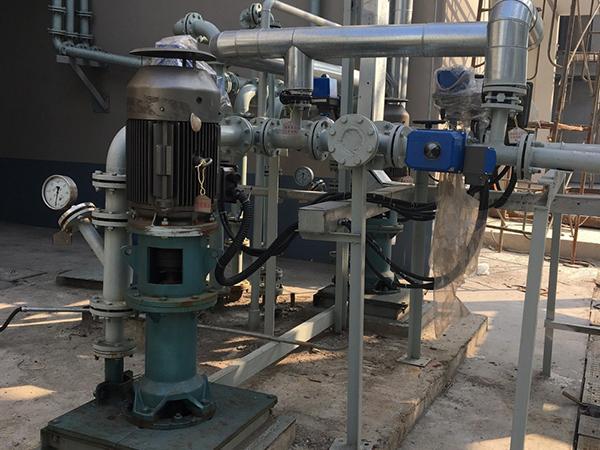
Introduction
Clear water supply systems represent a critical component of modern industrial infrastructure, serving diverse sectors including pharmaceutical manufacturing, semiconductor fabrication, power generation, and food & beverage processing. These systems deliver ultra-pure water (UPW) meeting stringent quality standards, essential for preventing process contamination and ensuring product integrity. The core function extends beyond simple filtration; it encompasses comprehensive treatment to remove particulate matter, dissolved solids, organic compounds, and microbiological contaminants. Performance is characterized by resistivity (typically >18 MΩ·cm), Total Organic Carbon (TOC) levels, and bacterial endotoxin concentrations. A robust clear water supply chain isn’t merely a utility; it is a foundational element impacting operational efficiency, product yield, and regulatory compliance for client industries. Current industry challenges center on minimizing water waste, reducing energy consumption during purification, and addressing the increasing stringency of water quality regulations globally.
Material Science & Manufacturing
The construction of clear water supply systems relies on a carefully selected range of materials. Piping is predominantly fabricated from Polyvinylidene Fluoride (PVDF) due to its exceptional chemical resistance, even at elevated temperatures. PVDF’s tensile strength ranges from 60-80 MPa, and its continuous use temperature is up to 150°C. Reservoir tanks frequently utilize Stainless Steel 316L, chosen for its corrosion resistance and hygienic properties – containing at least 16% chromium, 10% nickel, and 2-3% molybdenum. Filter membranes, critical for UPW production, are often composed of Polytetrafluoroethylene (PTFE) or Polyethersulfone (PES). PTFE, being almost inert, provides superior chemical compatibility, while PES offers good flow rates. Manufacturing processes involve precision welding (for stainless steel components, using TIG welding with Argon shielding gas to prevent oxidation), injection molding (for PVDF fittings), and membrane casting techniques. Quality control at each stage is paramount; non-destructive testing (NDT) such as radiographic testing (RT) and ultrasonic testing (UT) are used to validate weld integrity. Membrane performance is assessed through bubble point testing, and TOC removal efficiency analysis. Critical parameters controlled during manufacturing include welding parameters (current, voltage, travel speed), injection molding temperature and pressure, and membrane pore size distribution.
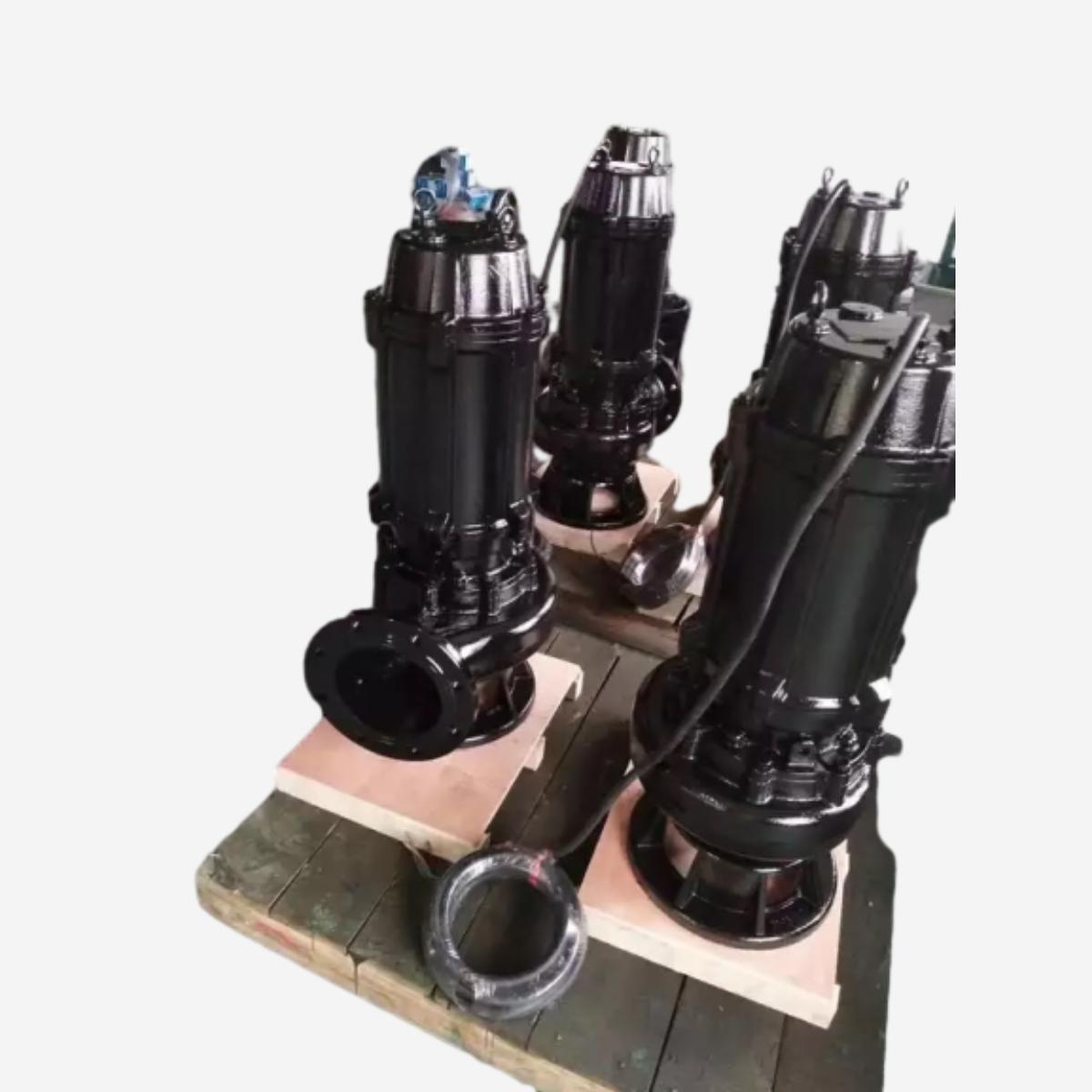
Performance & Engineering
Clear water supply system performance is dictated by hydraulic design principles and material characteristics. Force analysis focuses on pressure drop calculations across filtration stages, ensuring adequate flow rates while maintaining water quality. Bernoulli's principle and the Darcy-Weisbach equation are utilized for pressure loss assessment. Environmental resistance is crucial; systems must withstand temperature fluctuations, humidity, and potential seismic activity. Materials are selected for thermal expansion compatibility to prevent stress cracking. Compliance requirements include adherence to standards set by the American Society for Mechanical Engineers (ASME) for pressure vessel design and the Semiconductor Equipment and Materials International (SEMI) standards for UPW quality in semiconductor manufacturing (specifically SEMI C3). Functional implementation centers around multi-stage purification: pre-filtration to remove large particulates, reverse osmosis (RO) to eliminate dissolved solids, deionization (DI) to remove ions, and UV sterilization to eliminate bacteria. Redundancy is engineered into critical components (pumps, filters) to ensure uninterrupted supply. Instrumentation and control systems constantly monitor key parameters (resistivity, TOC, flow rate, pressure) and provide automated adjustments to maintain optimal performance. System sizing (tank capacity, pump capacity) is determined through detailed water demand assessments.
Technical Specifications
| Parameter | Unit | Typical Value | Acceptance Criteria (SEMI Grade 1) |
|---|---|---|---|
| Resistivity | MΩ·cm | 18.2 | ≥ 18.0 |
| Total Organic Carbon (TOC) | ppb | <5 | ≤ 5 |
| Particle Count (≥0.2 μm) | particles/mL | <2 | ≤ 2 |
| Bacterial Endotoxin | EU/mL | <0.01 | ≤ 0.01 |
| Silica (SiO2) | ppb | <20 | ≤ 20 |
| Conductivity | µS/cm | 0.055 | ≤ 0.1 |
Failure Mode & Maintenance
Common failure modes in clear water supply systems include membrane fouling (reduction in permeability due to particulate accumulation), RO membrane compaction (loss of salt rejection capacity), pump cavitation (formation of vapor bubbles leading to impeller damage), and pipe corrosion (leading to leaks and contamination). Failure analysis often reveals that inadequate pre-filtration is a primary cause of membrane fouling. Pump cavitation can result from insufficient Net Positive Suction Head (NPSH). Corrosion is frequently linked to improper material selection or inadequate corrosion inhibitors. Maintenance strategies involve regular membrane cleaning (using chemical cleaning agents compatible with membrane materials), pump impeller inspection and replacement, corrosion potential monitoring, and preventative maintenance schedules. Predictive maintenance, utilizing vibration analysis and thermal imaging, can identify potential failures before they occur. Periodic system sanitization (using ozone or chlorine dioxide) is crucial to control bacterial growth. Detailed records of maintenance activities and water quality data are essential for tracking system performance and identifying trends. Proper commissioning and startup procedures are vital to avoid initial system damage.
Industry FAQ
Q: What are the primary differences between RO and DI systems, and when would you choose one over the other?
A: Reverse Osmosis (RO) primarily removes dissolved inorganic contaminants through a semi-permeable membrane, relying on pressure to force water through. Deionization (DI) utilizes ion exchange resins to remove ions (both organic and inorganic) by replacing them with H+ and OH- ions, ultimately forming water. RO is typically used as a pre-treatment step to reduce the load on the DI system, extending resin life. DI is essential for achieving ultra-pure water quality required in semiconductor manufacturing. We generally recommend RO followed by DI for optimal results and cost-effectiveness.
Q: How does temperature affect the performance of a clear water supply system?
A: Temperature significantly impacts water viscosity and chemical reaction rates. Higher temperatures generally increase membrane permeability in RO systems but can also accelerate membrane fouling. Resin capacity in DI systems is also temperature-dependent. Maintaining a consistent temperature is crucial for stable system performance. We recommend temperature control measures, especially in colder climates, to prevent freezing and ensure optimal purification efficiency.
Q: What is the role of TOC monitoring in a clear water supply system?
A: Total Organic Carbon (TOC) is a critical indicator of organic contamination, which can negatively affect semiconductor processing and pharmaceutical manufacturing. TOC monitoring provides real-time assessment of the effectiveness of the purification process. High TOC levels can lead to the formation of harmful byproducts and reduced product yields. Regular TOC monitoring, along with appropriate pre-treatment and polishing steps, is essential for maintaining water quality.
Q: What measures can be taken to minimize water waste in a clear water supply system?
A: Water waste, particularly from RO systems, is a significant concern. Strategies to minimize waste include optimizing recovery rates (the percentage of feed water converted to product water), implementing concentrate recycle systems, and utilizing efficient membrane cleaning protocols. Careful monitoring of system performance and proactive maintenance can also reduce water waste by preventing failures and optimizing operational efficiency.
Q: How often should filter membranes be replaced, and what factors influence this frequency?
A: Filter membrane replacement frequency depends on several factors, including feed water quality, system loading, and the type of membrane used. Regular performance monitoring (pressure drop, flow rate, TOC removal) is crucial for determining the optimal replacement interval. Membrane fouling is a primary indicator for replacement. Generally, pre-filters may need replacement every 3-6 months, while RO and DI membranes can last 2-5 years with proper maintenance.
Conclusion
The performance and reliability of clear water supply systems are paramount for industries demanding ultra-pure water. Selecting appropriate materials, adhering to stringent manufacturing processes, and implementing robust maintenance programs are essential for ensuring consistent water quality and minimizing operational disruptions. Understanding the interplay between hydraulic design, material properties, and regulatory compliance is vital for system optimization.
Future trends in clear water supply technology will focus on minimizing environmental impact through water reuse and energy efficiency. Advanced monitoring and control systems, leveraging artificial intelligence, will enable predictive maintenance and automated process optimization. Continued advancements in membrane technology will lead to increased purification efficiency and reduced operating costs, further solidifying the role of clear water supply as a critical enabler of modern industrial processes.
-
Precision at the Pump: How Better Machining Protects Flow and Uptime
News2026-11-20
-
Why Pump Reliability Begins Before the First Drop of Fluid
News2026-11-20
-
Beyond the Pump: Designing Safer Access Around Critical Water Infrastructure
News2026-11-20
-
Why Pumping Stations Depend on the Infrastructure Beneath the Pumps
News2026-11-20
-
Beyond the Pump Room: How Smarter Loading Protects Industrial Equipment
News2026-11-19
-
When Pumps Stop: Designing More Resilient Power for Critical Pumping Systems
News2026-11-19
-
The Hidden Role of Dust and Gas Monitoring in Reliable Pump Operations
News2026-11-19
-
The Hidden Role of Mineral Compounds in Extending Industrial Pump Lifespan
News2026-10-12
-
Why Pump System Reliability Depends on Precision Hose Assembly Methods
News2026-09-15
-
How Advanced Imaging Films Are Transforming Pump Component Quality Control
News2026-08-25
-
How Advanced Filtration Protects Pump Systems from Premature Wear and Costly Downtime
News2026-08-25
-
How Steel Material Selection Drives Pump Reliability in Heavy-Duty Systems
News2026-08-25
-
Ensuring Pump System Efficiency: The Role of High-Quality Pipe Fittings and Tubing
News2026-08-24
-
Optimizing Fluid Dynamics and Material Consistency in Industrial Processing
News2026-08-18
-
Innovations and Challenges in Hydraulic Systems for Heavy Machinery
News2026-08-13




