English
- Afrikaans
- Albanian
- Amharic
- Arabic
- Armenian
- Azerbaijani
- Basque
- Belarusian
- Bengali
- Bosnian
- Bulgarian
- Catalan
- Cebuano
- Corsican
- Croatian
- Czech
- Danish
- Dutch
- English
- Esperanto
- Estonian
- Finnish
- French
- Frisian
- Galician
- Georgian
- German
- Greek
- Gujarati
- Haitian Creole
- hausa
- hawaiian
- Hebrew
- Hindi
- Miao
- Hungarian
- Icelandic
- igbo
- Indonesian
- irish
- Italian
- Japanese
- Javanese
- Kannada
- kazakh
- Khmer
- Rwandese
- Korean
- Kurdish
- Kyrgyz
- Lao
- Latin
- Latvian
- Lithuanian
- Luxembourgish
- Macedonian
- Malgashi
- Malay
- Malayalam
- Maltese
- Maori
- Marathi
- Mongolian
- Myanmar
- Nepali
- Norwegian
- Norwegian
- Occitan
- Pashto
- Persian
- Polish
- Portuguese
- Punjabi
- Romanian
- Russian
- Samoan
- Scottish Gaelic
- Serbian
- Sesotho
- Shona
- Sindhi
- Sinhala
- Slovak
- Slovenian
- Somali
- Spanish
- Sundanese
- Swahili
- Swedish
- Tagalog
- Tajik
- Tamil
- Tatar
- Telugu
- Thai
- Turkish
- Turkmen
- Ukrainian
- Urdu
- Uighur
- Uzbek
- Vietnamese
- Welsh
- Bantu
- Yiddish
- Yoruba
- Zulu

Telephone: +86 13120555503
Email: frank@cypump.com


Apr . 01, 2024 17:55 Back to list
clear water pumps Material Science and Manufacturing
Introduction
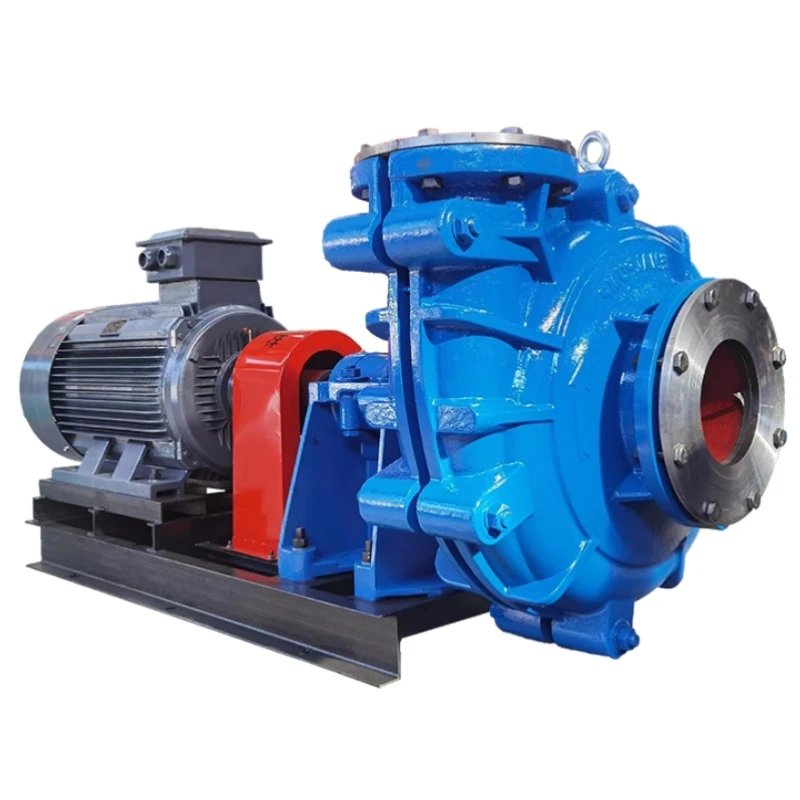
Clear water pumps are centrifugal pumps designed for the transfer of clean, non-abrasive liquids. Their application spans diverse industries including agriculture, residential water supply, industrial cooling, and firefighting. Technically positioned as a foundational element within fluid transfer systems, their performance directly impacts system efficiency and reliability. These pumps differ significantly from sewage or slurry pumps which are designed to handle solids; clear water pumps prioritize high flow rates and efficiency with minimal internal resistance. Core performance characteristics revolve around flow rate (m³/h or GPM), head (meters or feet), power consumption (kW or HP), and operational efficiency (%). A key industry pain point is the selection of pump materials compatible with the specific water chemistry to mitigate corrosion and ensure longevity, along with the requirement for energy efficiency in line with increasingly stringent regulations.
Material Science & Manufacturing
The predominant material for clear water pump housings is cast iron (ASTM A48 Class 30), offering a balance of cost and tensile strength. Impellers are often constructed from cast iron, brass (various alloys meeting ASTM B16), or engineered plastics like polypropylene (PP) or Polyvinyl Chloride (PVC), particularly for smaller pumps or corrosive environments. Shafts are typically made from stainless steel (304 or 316, conforming to ASTM A276), selected for high corrosion resistance and torsional strength. Seals utilize materials like nitrile rubber (NBR), Viton (FKM), or silicon carbide (SiC) depending on the liquid temperature and chemical compatibility requirements. Manufacturing processes primarily involve sand casting for housings and impellers, followed by machining for precise dimensional accuracy and surface finish. Impeller balancing is critical to minimize vibration and extend bearing life. Welding is employed for joining components, requiring adherence to AWS D1.1 standards for structural integrity. Key parameter control during manufacturing includes dimensional tolerances (+/- 0.1mm for critical surfaces), surface roughness (Ra < 1.6 μm for sealing areas), and heat treatment to achieve optimal material properties. Material certification is essential to verify compliance with specified standards.
Performance & Engineering
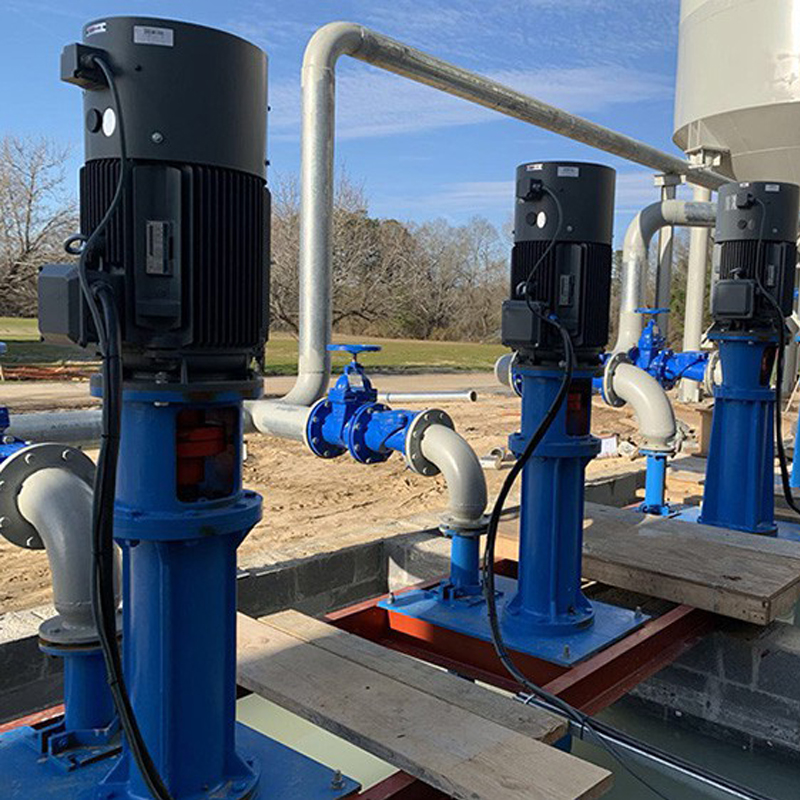
Clear water pump performance is governed by the affinity laws of centrifugal pumps: flow rate is proportional to speed, head is proportional to the square of speed, and power consumption is proportional to the cube of speed. Force analysis considers hydraulic forces acting on the impeller, radial and axial thrust on the shaft, and stresses within the housing. Cavitation, a critical failure mode, occurs when the absolute pressure at the impeller inlet falls below the liquid’s vapor pressure, forming vapor bubbles that collapse and cause erosion. Net Positive Suction Head Required (NPSHr) is a crucial parameter; it must be less than Net Positive Suction Head Available (NPSHa) to prevent cavitation. Environmental resistance considerations include temperature (impacting material properties and seal performance), humidity (corrosion potential), and UV exposure (for plastic components). Compliance requirements often include energy efficiency standards (IE3 motors per IEC 60034-30), safety certifications (CE marking, UL listing), and water quality regulations (NSF/ANSI 61 for potable water applications). Pump selection involves analyzing the system head curve, flow rate requirements, fluid properties, and operating conditions. Proper pipe sizing and valve selection are crucial to minimize frictional losses and optimize pump performance.
Technical Specifications
| Parameter | Unit | Typical Value (Small Pump) | Typical Value (Large Pump) |
|---|---|---|---|
| Flow Rate | m³/h | 0.5 - 5 | 20 - 100 |
| Head | m | 10 - 30 | 50 - 150 |
| Power | kW | 0.75 - 2.2 | 7.5 - 55 |
| Suction Lift | m | Up to 8 | Up to 10 |
| Maximum Particle Size | mm | < 1 | < 1 |
| Operating Temperature | °C | 0 - 60 | 0 - 90 |
Failure Mode & Maintenance
Common failure modes in clear water pumps include bearing failure (due to inadequate lubrication or overload), seal leakage (caused by wear, chemical incompatibility, or improper installation), impeller erosion (resulting from cavitation or abrasive particles), and motor winding failure (due to overheating or voltage fluctuations). Fatigue cracking can occur in the pump housing or impeller due to cyclic loading. Delamination of coatings (if applied) can also lead to corrosion. Failure analysis should include visual inspection for cracks or erosion, bearing condition assessment, seal inspection, and electrical testing of the motor windings. Preventative maintenance includes regular lubrication of bearings (using appropriate greases conforming to NLGI standards), seal replacement at scheduled intervals, impeller inspection and cleaning, and motor winding insulation testing. Proper alignment of the pump and motor is crucial to minimize vibration and bearing wear. Periodic vibration analysis can detect early signs of bearing failure or imbalance. Flush the pump casing periodically to remove any accumulated debris. Monitor suction and discharge pressures to identify potential cavitation or blockage issues.
Industry FAQ
Q: What is the impact of water hardness on pump longevity?
A: High water hardness can lead to scale buildup on the impeller and within the pump casing, reducing flow rate and efficiency. Over time, this scale can cause erosion and corrosion, shortening the pump’s lifespan. Regular descaling or the use of water softening systems is recommended in areas with high water hardness.
Q: How do I determine the correct NPSHa for my application?
A: NPSHa is calculated based on the system’s static head, liquid vapor pressure, liquid velocity in the suction pipe, and frictional losses in the suction piping. Consult hydraulic engineering textbooks or use online NPSHa calculators to accurately determine the required value. Ensuring NPSHa exceeds NPSHr is critical to prevent cavitation.
Q: What is the best material for the pump if the water contains mild chlorine?
A: For water containing mild chlorine, stainless steel (316) is generally recommended due to its superior corrosion resistance compared to cast iron or brass. However, prolonged exposure to high chlorine concentrations can still cause pitting corrosion. Consider epoxy coatings or alternative materials like engineered plastics for extremely corrosive environments.
Q: What are the common causes of pump vibration, and how can they be addressed?
A: Common causes of pump vibration include impeller imbalance, misalignment between the pump and motor, bearing wear, cavitation, and resonance within the piping system. Address these issues by balancing the impeller, aligning the pump and motor precisely, replacing worn bearings, ensuring adequate NPSHa, and adding vibration dampeners to the piping.
Q: Can variable frequency drives (VFDs) be used with clear water pumps, and what are the benefits?
A: Yes, VFDs can be used with clear water pumps to control flow rate and pressure, optimizing energy consumption. Benefits include reduced energy costs, extended pump life (due to reduced mechanical stress), and improved process control. Ensure the VFD is compatible with the pump motor and install appropriate harmonic filters to mitigate electrical interference.
Conclusion
Clear water pumps represent a vital component across a spectrum of fluid handling applications. Their effectiveness is inextricably linked to meticulous material selection, precision manufacturing processes adhering to industry standards, and a comprehensive understanding of hydraulic principles. Addressing key industry pain points, such as corrosion mitigation and energy efficiency, is paramount to maximizing operational lifespan and minimizing total cost of ownership.
Future trends in clear water pump technology point towards increased adoption of smart pump systems incorporating sensors, data analytics, and remote monitoring capabilities. These advancements will enable predictive maintenance, optimized performance, and enhanced system reliability. Continuous improvements in impeller design and materials science will further enhance efficiency and reduce energy consumption, aligning with sustainability goals and stringent regulatory requirements.
-
Precision at the Pump: How Better Machining Protects Flow and Uptime
News2026-11-20
-
Why Pump Reliability Begins Before the First Drop of Fluid
News2026-11-20
-
Beyond the Pump: Designing Safer Access Around Critical Water Infrastructure
News2026-11-20
-
Why Pumping Stations Depend on the Infrastructure Beneath the Pumps
News2026-11-20
-
Beyond the Pump Room: How Smarter Loading Protects Industrial Equipment
News2026-11-19
-
When Pumps Stop: Designing More Resilient Power for Critical Pumping Systems
News2026-11-19
-
The Hidden Role of Dust and Gas Monitoring in Reliable Pump Operations
News2026-11-19
-
The Hidden Role of Mineral Compounds in Extending Industrial Pump Lifespan
News2026-10-12
-
Why Pump System Reliability Depends on Precision Hose Assembly Methods
News2026-09-15
-
How Advanced Imaging Films Are Transforming Pump Component Quality Control
News2026-08-25
-
How Advanced Filtration Protects Pump Systems from Premature Wear and Costly Downtime
News2026-08-25
-
How Steel Material Selection Drives Pump Reliability in Heavy-Duty Systems
News2026-08-25
-
Ensuring Pump System Efficiency: The Role of High-Quality Pipe Fittings and Tubing
News2026-08-24
-
Optimizing Fluid Dynamics and Material Consistency in Industrial Processing
News2026-08-18
-
Innovations and Challenges in Hydraulic Systems for Heavy Machinery
News2026-08-13




