English
- Afrikaans
- Albanian
- Amharic
- Arabic
- Armenian
- Azerbaijani
- Basque
- Belarusian
- Bengali
- Bosnian
- Bulgarian
- Catalan
- Cebuano
- Corsican
- Croatian
- Czech
- Danish
- Dutch
- English
- Esperanto
- Estonian
- Finnish
- French
- Frisian
- Galician
- Georgian
- German
- Greek
- Gujarati
- Haitian Creole
- hausa
- hawaiian
- Hebrew
- Hindi
- Miao
- Hungarian
- Icelandic
- igbo
- Indonesian
- irish
- Italian
- Japanese
- Javanese
- Kannada
- kazakh
- Khmer
- Rwandese
- Korean
- Kurdish
- Kyrgyz
- Lao
- Latin
- Latvian
- Lithuanian
- Luxembourgish
- Macedonian
- Malgashi
- Malay
- Malayalam
- Maltese
- Maori
- Marathi
- Mongolian
- Myanmar
- Nepali
- Norwegian
- Norwegian
- Occitan
- Pashto
- Persian
- Polish
- Portuguese
- Punjabi
- Romanian
- Russian
- Samoan
- Scottish Gaelic
- Serbian
- Sesotho
- Shona
- Sindhi
- Sinhala
- Slovak
- Slovenian
- Somali
- Spanish
- Sundanese
- Swahili
- Swedish
- Tagalog
- Tajik
- Tamil
- Tatar
- Telugu
- Thai
- Turkish
- Turkmen
- Ukrainian
- Urdu
- Uighur
- Uzbek
- Vietnamese
- Welsh
- Bantu
- Yiddish
- Yoruba
- Zulu

Telephone: +86 13120555503
Email: frank@cypump.com


Apr . 01, 2024 17:55 Back to list
clear water pump Performance Analysis
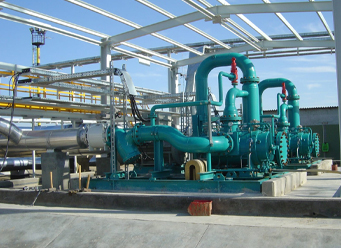
Introduction
Clear water pumps, categorized as centrifugal pumps, are fundamental components in fluid transfer systems across diverse industrial and commercial applications. These pumps are designed for conveying non-corrosive, clean liquids – typically water with low solids content – and are differentiated from wastewater or slurry pumps by their design tolerances and impeller characteristics. Positioned within the fluid handling industry chain, clear water pumps interface directly with fluid sources (reservoirs, pipelines) and delivery points (irrigation systems, cooling towers, fire suppression networks). Core performance metrics defining clear water pump suitability include flow rate (typically measured in gallons per minute or cubic meters per hour), head (the maximum height the pump can lift the liquid, measured in feet or meters), and power consumption (measured in horsepower or kilowatts). A critical industry pain point revolves around optimizing these parameters for specific application requirements while maintaining efficiency and mitigating the risk of cavitation or impeller damage. The selection process requires careful consideration of system resistance, liquid viscosity, and operating conditions.
Material Science & Manufacturing
The performance and longevity of clear water pumps are intrinsically linked to the materials employed in their construction. Pump housings are commonly manufactured from cast iron (ASTM A48 Class 30), stainless steel (304 or 316 for enhanced corrosion resistance – ASTM A240), or engineered polymers like polypropylene or PVC (ASTM D1788) depending on the application and fluid characteristics. Impellers, the rotating component responsible for imparting kinetic energy to the fluid, are frequently fabricated from cast iron, bronze (ASTM B584), or engineered thermoplastics. Shafts typically utilize carbon steel (AISI 1045) and undergo hardening and tempering treatments to enhance tensile strength and wear resistance. Manufacturing processes predominantly involve sand casting for housings and impellers, followed by machining to achieve precise dimensional tolerances and surface finishes. Polymer components are manufactured via injection molding (ASTM D4101), a process demanding precise temperature and pressure control to ensure structural integrity and prevent warping. Welding processes (SMAW, GMAW - AWS D1.1) are crucial for joining components, requiring qualified welders and non-destructive testing (radiographic testing - ASTM E94) to verify weld quality. Critical parameter control includes maintaining consistent alloy compositions, ensuring proper heat treatment cycles, and meticulously monitoring dimensional accuracy throughout the manufacturing process. Chemical compatibility between the pump materials and the conveyed fluid is paramount to prevent corrosion and material degradation.
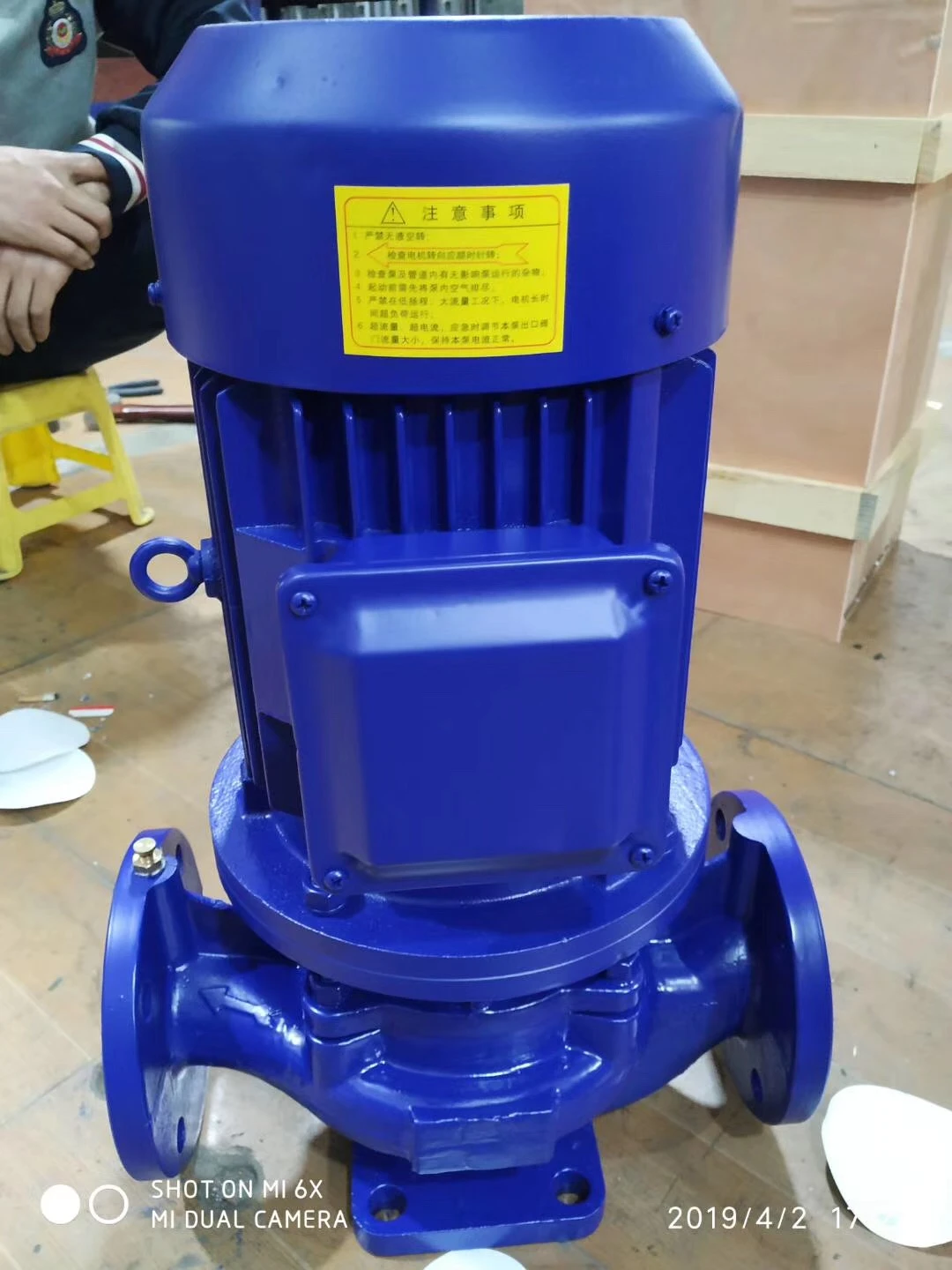
Performance & Engineering
Performance analysis of clear water pumps necessitates a comprehensive understanding of fluid dynamics and mechanical engineering principles. Force analysis, utilizing Bernoulli’s principle and the Euler equation, determines pump head and flow rate characteristics. Cavitation, a destructive phenomenon occurring when liquid pressure drops below its vapor pressure, is a major concern. Net Positive Suction Head Required (NPSHr) – a pump-specific parameter – must be lower than the Net Positive Suction Head Available (NPSHa) in the system to prevent cavitation damage to the impeller. Environmental resistance, particularly in outdoor applications, demands consideration of temperature extremes, humidity, and potential exposure to UV radiation. Materials selection must account for these factors to prevent degradation. Compliance requirements vary by region, with standards like UL 778 (USA) for electrical safety and NSF/ANSI 61 (drinking water system components) dictating material and design specifications. Pump efficiency is a critical engineering parameter, often quantified by the Hydraulic Efficiency (ratio of hydraulic power output to shaft power input). Proper impeller design (volute shape, blade angle), bearing lubrication (grease type, frequency), and seal selection (mechanical seals, packing glands) are key factors influencing pump efficiency and operational lifespan. Finite Element Analysis (FEA) is frequently employed during the design phase to optimize component geometry and minimize stress concentrations.
Technical Specifications
| Parameter | Unit | Typical Value (Small Scale Pump) | Typical Value (Large Scale Pump) |
|---|---|---|---|
| Flow Rate | GPM (Gallons Per Minute) | 20-100 | 500-2000 |
| Total Head | ft (Feet) | 50-150 | 200-500 |
| Power | HP (Horsepower) | 0.5-3 | 10-50 |
| Inlet Diameter | in (Inches) | 1-2 | 4-8 |
| Outlet Diameter | in (Inches) | 1-2 | 4-8 |
| Operating Temperature | °F (Degrees Fahrenheit) | 32-140 | 32-212 |
Failure Mode & Maintenance
Clear water pumps are susceptible to several failure modes in practical applications. Fatigue cracking in the pump housing or impeller can occur due to cyclical loading and stress concentration, particularly in areas around bolt holes or impeller blades. Delamination of polymer coatings, if present, can lead to corrosion and reduced pump efficiency. Mechanical seal failure, often indicated by leakage, is frequently caused by wear, abrasion, or incompatibility with the fluid being pumped. Impeller corrosion or erosion, particularly when handling liquids with suspended solids (even in small concentrations), degrades pump performance and can lead to imbalance and vibration. Oxidation and corrosion of metallic components are accelerated in corrosive environments. Maintenance solutions include regular inspection for signs of wear or damage, periodic lubrication of bearings, replacement of worn seals, and cleaning of impellers to remove debris. Vibration analysis (ISO 10816) can detect early signs of bearing failure or impeller imbalance. Cavitation damage requires impeller replacement or repair. Preventive maintenance schedules, based on operating hours and fluid characteristics, are essential for maximizing pump lifespan and minimizing downtime. Regular monitoring of pump performance parameters (flow rate, pressure, power consumption) can identify deviations from normal operation, indicating potential problems.
Industry FAQ
Q: What is the primary cause of reduced pump efficiency over time?
A: Reduced pump efficiency is typically a result of impeller wear due to abrasion or corrosion, internal recirculation caused by increased clearances within the pump, and fouling of the impeller or volute by deposits or debris. Regularly scheduled inspections and cleaning can mitigate these issues.
Q: How do I determine the appropriate NPSHr for my application?
A: The NPSHr is specified by the pump manufacturer and is dependent on the pump’s design and operating speed. It must be compared to the NPSHa calculated for your system, which accounts for fluid temperature, atmospheric pressure, and suction lift. A margin of safety is recommended to prevent cavitation.
Q: What materials are best suited for handling slightly corrosive water?
A: For slightly corrosive water, 304 or 316 stainless steel is generally recommended for pump housings and impellers. Consider using Viton or EPDM seals for compatibility with a wider range of chemicals. Ensure the materials are specifically rated for the pH and chemical composition of the water.
Q: What are the benefits of using a variable frequency drive (VFD) with a clear water pump?
A: A VFD allows for precise control of pump speed, enabling optimization of flow rate and pressure to match varying system demands. This results in energy savings, reduced wear and tear on the pump, and improved system efficiency.
Q: How often should mechanical seals be replaced?
A: The replacement frequency of mechanical seals depends on operating conditions, fluid characteristics, and seal quality. A typical replacement interval is 1-3 years, but regular inspection for leakage or signs of wear is crucial. Preventive replacement during scheduled maintenance can prevent unexpected downtime.
Conclusion
Clear water pumps represent a crucial technology within fluid handling systems, with performance dictated by a complex interplay of material science, engineering design, and operational parameters. Proper material selection, precise manufacturing control, and diligent maintenance are essential for ensuring reliability, efficiency, and longevity. Understanding the fundamental principles of fluid dynamics and potential failure modes is paramount for optimizing pump performance and minimizing lifecycle costs.
Future advancements in clear water pump technology will likely focus on developing more efficient impeller designs, incorporating advanced materials with enhanced corrosion resistance, and integrating smart sensors and predictive maintenance capabilities. The increasing emphasis on energy efficiency and sustainability will drive the adoption of variable frequency drives and optimized pump control strategies. Continued adherence to international standards and best practices will remain critical for ensuring product quality and safety.
-
Precision at the Pump: How Better Machining Protects Flow and Uptime
News2026-11-20
-
Why Pump Reliability Begins Before the First Drop of Fluid
News2026-11-20
-
Beyond the Pump: Designing Safer Access Around Critical Water Infrastructure
News2026-11-20
-
Why Pumping Stations Depend on the Infrastructure Beneath the Pumps
News2026-11-20
-
Beyond the Pump Room: How Smarter Loading Protects Industrial Equipment
News2026-11-19
-
When Pumps Stop: Designing More Resilient Power for Critical Pumping Systems
News2026-11-19
-
The Hidden Role of Dust and Gas Monitoring in Reliable Pump Operations
News2026-11-19
-
The Hidden Role of Mineral Compounds in Extending Industrial Pump Lifespan
News2026-10-12
-
Why Pump System Reliability Depends on Precision Hose Assembly Methods
News2026-09-15
-
How Advanced Imaging Films Are Transforming Pump Component Quality Control
News2026-08-25
-
How Advanced Filtration Protects Pump Systems from Premature Wear and Costly Downtime
News2026-08-25
-
How Steel Material Selection Drives Pump Reliability in Heavy-Duty Systems
News2026-08-25
-
Ensuring Pump System Efficiency: The Role of High-Quality Pipe Fittings and Tubing
News2026-08-24
-
Optimizing Fluid Dynamics and Material Consistency in Industrial Processing
News2026-08-18
-
Innovations and Challenges in Hydraulic Systems for Heavy Machinery
News2026-08-13




