English
- Afrikaans
- Albanian
- Amharic
- Arabic
- Armenian
- Azerbaijani
- Basque
- Belarusian
- Bengali
- Bosnian
- Bulgarian
- Catalan
- Cebuano
- Corsican
- Croatian
- Czech
- Danish
- Dutch
- English
- Esperanto
- Estonian
- Finnish
- French
- Frisian
- Galician
- Georgian
- German
- Greek
- Gujarati
- Haitian Creole
- hausa
- hawaiian
- Hebrew
- Hindi
- Miao
- Hungarian
- Icelandic
- igbo
- Indonesian
- irish
- Italian
- Japanese
- Javanese
- Kannada
- kazakh
- Khmer
- Rwandese
- Korean
- Kurdish
- Kyrgyz
- Lao
- Latin
- Latvian
- Lithuanian
- Luxembourgish
- Macedonian
- Malgashi
- Malay
- Malayalam
- Maltese
- Maori
- Marathi
- Mongolian
- Myanmar
- Nepali
- Norwegian
- Norwegian
- Occitan
- Pashto
- Persian
- Polish
- Portuguese
- Punjabi
- Romanian
- Russian
- Samoan
- Scottish Gaelic
- Serbian
- Sesotho
- Shona
- Sindhi
- Sinhala
- Slovak
- Slovenian
- Somali
- Spanish
- Sundanese
- Swahili
- Swedish
- Tagalog
- Tajik
- Tamil
- Tatar
- Telugu
- Thai
- Turkish
- Turkmen
- Ukrainian
- Urdu
- Uighur
- Uzbek
- Vietnamese
- Welsh
- Bantu
- Yiddish
- Yoruba
- Zulu

Telephone: +86 13120555503
Email: frank@cypump.com


Apr . 01, 2024 17:55 Back to list
clean water transfer pump Material Science Manufacturing
Introduction
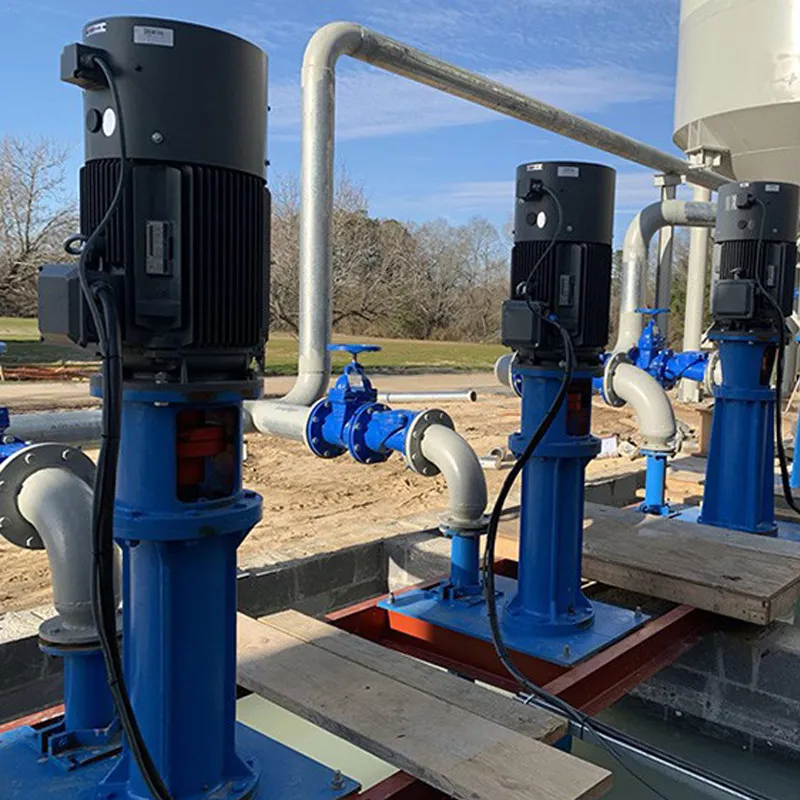
Clean water transfer pumps are centrifugal pumps specifically designed for the efficient and reliable movement of potable water or water meeting established cleanliness standards. Positioned within the industrial water management chain, these pumps serve as critical components in municipal water distribution systems, agricultural irrigation, building water boosting, and various industrial processes requiring sanitary fluid handling. Their core performance characteristics center on achieving high flow rates, maintaining consistent pressure, and ensuring minimal contamination of the transferred water. Unlike pumps handling wastewater or industrial fluids, clean water transfer pumps prioritize material compatibility with potable water standards and operational efficiency to minimize energy consumption. A key pain point in the industry is balancing pump longevity with the need for hygienic operation and compliance with increasingly stringent water quality regulations.
Material Science & Manufacturing
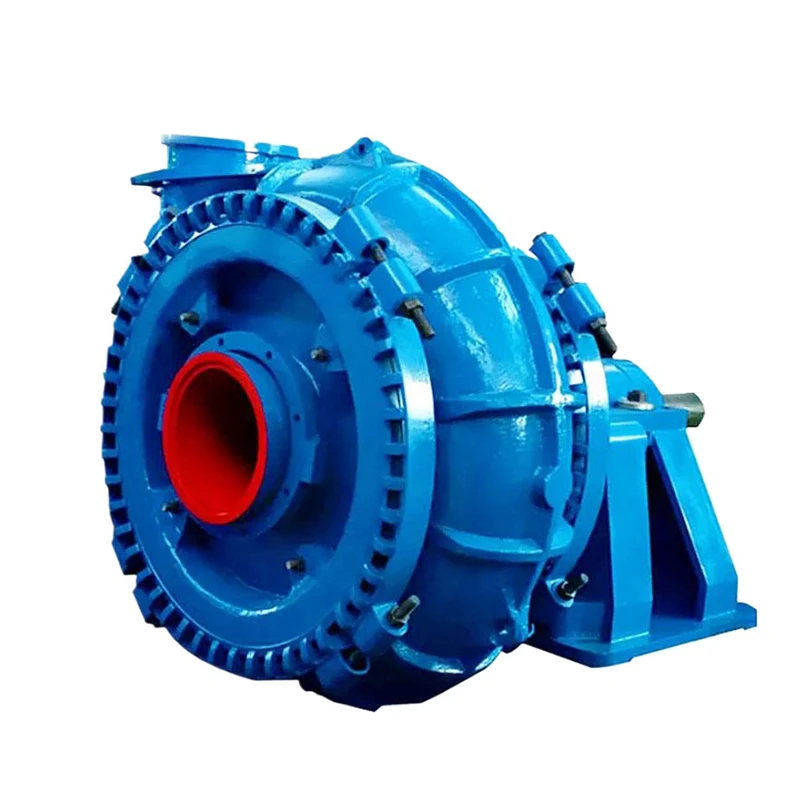
The construction of clean water transfer pumps necessitates careful material selection to prevent corrosion, leaching, and bacterial growth. Commonly employed materials include 316 stainless steel (for superior corrosion resistance in chloride-containing water), ductile iron with epoxy coating (providing robust mechanical strength and a barrier against corrosion), and engineered plastics like polypropylene or PVDF (for specific applications demanding chemical inertness). Pump housings are typically manufactured via investment casting for complex geometries and tight tolerances or via sand casting for larger, simpler designs. Impellers, critical for energy transfer, often utilize precision machining from stainless steel billets, followed by dynamic balancing to minimize vibration and cavitation. Seals are primarily made from elastomers like EPDM or Viton, chosen for their compatibility with potable water and resistance to degradation. Manufacturing processes require rigorous quality control, including hydrostatic testing to verify pressure integrity, non-destructive testing (NDT) such as dye penetrant inspection to detect surface flaws, and surface finish analysis to ensure smooth, hygienic surfaces. Parameter control is crucial, particularly in welding processes (if applicable) to prevent weld defects that could lead to corrosion initiation points. Post-fabrication, pumps undergo passivation treatments to enhance the corrosion resistance of stainless steel components.
Performance & Engineering
The performance of a clean water transfer pump is governed by principles of fluid dynamics and mechanical engineering. Key parameters include flow rate (typically measured in gallons per minute or cubic meters per hour), total dynamic head (TDH – the total pressure the pump can develop, encompassing static lift, friction losses, and velocity head), and pump efficiency (the ratio of hydraulic power output to electrical power input). Force analysis considers centrifugal forces acting on the impeller, hydrostatic forces on the pump casing, and dynamic loads induced by fluid flow. Environmental resistance is critical; pumps must withstand ambient temperature variations, potential exposure to UV radiation (for outdoor installations), and occasional flooding. Compliance requirements are extensive, encompassing NSF/ANSI 61 (for materials used in contact with potable water), WRAS (Water Regulations Advisory Scheme – UK standard), and regional/national drinking water regulations. Functional implementation involves proper pump sizing based on system demand, appropriate motor selection (considering power requirements and efficiency), and the integration of control systems (e.g., variable frequency drives – VFDs) for optimized operation and energy savings. Cavitation, a major concern, is mitigated through careful impeller design and maintaining adequate Net Positive Suction Head Available (NPSHa) to prevent vapor bubble formation and subsequent impeller damage.
Technical Specifications
| Parameter | Unit | Typical Value (Small Pump) | Typical Value (Large Pump) |
|---|---|---|---|
| Flow Rate | GPM | 20-50 | 200-500 |
| Total Dynamic Head | ft | 50-100 | 150-300 |
| Motor Power | HP | 0.5-2 | 5-10 |
| Pump Casing Material | - | Ductile Iron (Epoxy Coated) | 316 Stainless Steel |
| Impeller Material | - | Polypropylene | 316 Stainless Steel |
| Seal Material | - | EPDM | Viton |
Failure Mode & Maintenance
Clean water transfer pumps are susceptible to several failure modes. Corrosion, particularly pitting corrosion in chloride-rich water, can lead to casing leaks and impeller degradation. Cavitation erosion damages impeller vanes due to the implosion of vapor bubbles. Mechanical seal failure results in leakage and potential motor damage. Bearing failure, often caused by inadequate lubrication or contamination, manifests as increased noise and vibration. Fatigue cracking can occur in pump casings or impellers subjected to cyclical loading. Maintenance strategies include regular visual inspections for leaks and corrosion, lubrication of bearings according to manufacturer specifications, monitoring of pump vibration levels, and periodic replacement of mechanical seals. Preventive maintenance programs should incorporate water quality analysis to assess the potential for corrosion or scaling. For impeller damage, dynamic balancing should be performed. Failure analysis should include metallurgical examination of failed components to identify the root cause of failure and prevent recurrence. Implementing a condition monitoring system, utilizing sensors to track parameters like temperature, pressure, and vibration, can enable predictive maintenance and minimize downtime.
Industry FAQ
Q: What is the significance of NPSH (Net Positive Suction Head) in clean water transfer pump operation?
A: NPSH is a critical parameter. Insufficient NPSH leads to cavitation, where vapor bubbles form within the pump impeller, causing erosion, noise, and reduced performance. Ensuring adequate NPSHa (Net Positive Suction Head Available – provided by the system) exceeds the NPSHr (Net Positive Suction Head Required – specified by the pump manufacturer) is vital to prevent cavitation.
Q: How does material selection impact the longevity of a clean water pump in a specific water source?
A: The water’s chemical composition significantly influences material choice. Highly chlorinated water necessitates corrosion-resistant materials like 316 stainless steel. Water with high mineral content can cause scaling, requiring materials resistant to scale buildup or incorporating pre-filtration systems.
Q: What are the advantages of using a variable frequency drive (VFD) with a clean water transfer pump?
A: VFDs allow for precise control of pump speed, matching flow rate to demand, resulting in significant energy savings. They also reduce mechanical stress on the pump, extending its lifespan. Furthermore, VFDs can provide soft starting and stopping, minimizing water hammer effects.
Q: What are the key considerations when selecting a pump seal material for potable water applications?
A: The seal material must be non-toxic, compatible with potable water standards (NSF/ANSI 61), and resistant to degradation from disinfection chemicals like chlorine. EPDM and Viton are common choices, but specific applications may require other specialized elastomers.
Q: How important is pump efficiency, and how is it measured?
A: Pump efficiency is crucial for minimizing energy consumption and operating costs. It is calculated as the ratio of hydraulic power output to electrical power input, often expressed as a percentage. Higher efficiency pumps reduce energy bills and environmental impact. Standards like Hydraulic Institute (HI) provide standardized testing procedures for determining pump efficiency.
Conclusion
Clean water transfer pumps represent a critical, yet often understated, component of modern water infrastructure. The selection and implementation of these pumps demand a thorough understanding of fluid dynamics, material science, and regulatory compliance. Prioritizing material compatibility with potable water standards, optimizing pump performance through appropriate sizing and control systems, and implementing robust preventative maintenance programs are crucial for ensuring reliable, efficient, and hygienic water delivery.
Future trends in clean water transfer pump technology include the development of more energy-efficient pump designs, the integration of smart sensors and predictive maintenance algorithms, and the adoption of advanced materials with enhanced corrosion resistance and anti-fouling properties. Continuous innovation in these areas will be essential to address the evolving challenges of water management in a sustainable and cost-effective manner.
-
Precision at the Pump: How Better Machining Protects Flow and Uptime
News2026-11-20
-
Why Pump Reliability Begins Before the First Drop of Fluid
News2026-11-20
-
Beyond the Pump: Designing Safer Access Around Critical Water Infrastructure
News2026-11-20
-
Why Pumping Stations Depend on the Infrastructure Beneath the Pumps
News2026-11-20
-
Beyond the Pump Room: How Smarter Loading Protects Industrial Equipment
News2026-11-19
-
When Pumps Stop: Designing More Resilient Power for Critical Pumping Systems
News2026-11-19
-
The Hidden Role of Dust and Gas Monitoring in Reliable Pump Operations
News2026-11-19
-
The Hidden Role of Mineral Compounds in Extending Industrial Pump Lifespan
News2026-10-12
-
Why Pump System Reliability Depends on Precision Hose Assembly Methods
News2026-09-15
-
How Advanced Imaging Films Are Transforming Pump Component Quality Control
News2026-08-25
-
How Advanced Filtration Protects Pump Systems from Premature Wear and Costly Downtime
News2026-08-25
-
How Steel Material Selection Drives Pump Reliability in Heavy-Duty Systems
News2026-08-25
-
Ensuring Pump System Efficiency: The Role of High-Quality Pipe Fittings and Tubing
News2026-08-24
-
Optimizing Fluid Dynamics and Material Consistency in Industrial Processing
News2026-08-18
-
Innovations and Challenges in Hydraulic Systems for Heavy Machinery
News2026-08-13




