English
- Afrikaans
- Albanian
- Amharic
- Arabic
- Armenian
- Azerbaijani
- Basque
- Belarusian
- Bengali
- Bosnian
- Bulgarian
- Catalan
- Cebuano
- Corsican
- Croatian
- Czech
- Danish
- Dutch
- English
- Esperanto
- Estonian
- Finnish
- French
- Frisian
- Galician
- Georgian
- German
- Greek
- Gujarati
- Haitian Creole
- hausa
- hawaiian
- Hebrew
- Hindi
- Miao
- Hungarian
- Icelandic
- igbo
- Indonesian
- irish
- Italian
- Japanese
- Javanese
- Kannada
- kazakh
- Khmer
- Rwandese
- Korean
- Kurdish
- Kyrgyz
- Lao
- Latin
- Latvian
- Lithuanian
- Luxembourgish
- Macedonian
- Malgashi
- Malay
- Malayalam
- Maltese
- Maori
- Marathi
- Mongolian
- Myanmar
- Nepali
- Norwegian
- Norwegian
- Occitan
- Pashto
- Persian
- Polish
- Portuguese
- Punjabi
- Romanian
- Russian
- Samoan
- Scottish Gaelic
- Serbian
- Sesotho
- Shona
- Sindhi
- Sinhala
- Slovak
- Slovenian
- Somali
- Spanish
- Sundanese
- Swahili
- Swedish
- Tagalog
- Tajik
- Tamil
- Tatar
- Telugu
- Thai
- Turkish
- Turkmen
- Ukrainian
- Urdu
- Uighur
- Uzbek
- Vietnamese
- Welsh
- Bantu
- Yiddish
- Yoruba
- Zulu

Telephone: +86 13120555503
Email: frank@cypump.com


Apr . 01, 2024 17:55 Back to list
clean water submersible pump Performance and Engineering
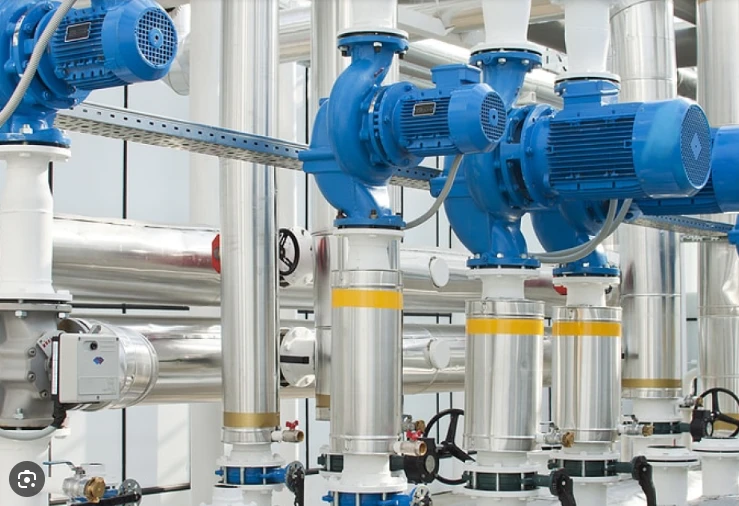
Introduction
Clean water submersible pumps are centrifugal pumps specifically designed for submerged operation in clean water applications. Positioned as a critical component in water supply, irrigation, drainage, and dewatering systems, they offer distinct advantages over surface-mounted pumps, primarily eliminating the need for priming and reducing noise levels. Their application spans residential wells, municipal waterworks, agricultural irrigation, and industrial wastewater management where solids content is minimal. Core performance metrics include flow rate (m³/h), head (m), power consumption (kW), and efficiency (%). The increasing demand for efficient water management and reliable pumping solutions drives continued innovation in submersible pump design, materials, and control systems. The primary industry pain point lies in balancing pump longevity, energy efficiency, and cost-effectiveness while addressing challenges posed by corrosive water conditions and potential for impeller clogging.
Material Science & Manufacturing
The construction of clean water submersible pumps relies on a carefully selected suite of materials optimized for corrosion resistance, mechanical strength, and hydraulic efficiency. Pump housings are typically manufactured from cast iron (ASTM A48 Class 30), stainless steel (304 or 316, adhering to ASTM A240), or engineered polymers (Polypropylene, reinforced with glass fibers). Impellers, critical for generating flow, are commonly produced from cast iron, brass (ASTM B16), or high-grade plastics like Polyetheretherketone (PEEK) known for its abrasion resistance. Shafts are manufactured from stainless steel (410 or 420, per ASTM A276) to withstand torsional stress and prevent corrosion. Seals, essential for leak-proof operation, utilize materials like nitrile rubber (NBR), Viton (fluoroelastomer), or ceramic materials chosen for chemical compatibility and sealing performance.
Manufacturing processes involve several key stages. Casting is employed for housings and impellers, followed by machining to achieve precise dimensions and smooth surface finishes. Welding (SMAW or GMAW, conforming to AWS D1.1) is used for joining components. Impellers often undergo dynamic balancing to minimize vibration. Motor stators are typically wound with copper wire and encapsulated in epoxy resin for electrical insulation and protection. Pump assembly involves rigorous quality control checks, including hydrostatic testing (ASTM D4439) to ensure structural integrity and leak-tightness. Parameter control focuses on maintaining tight tolerances during machining, ensuring accurate material compositions, and meticulously controlling the welding process to prevent defects like porosity or cracking. The quality of the surface finish on the impeller directly impacts hydraulic efficiency; smoother surfaces reduce frictional losses.
Performance & Engineering
The performance of a clean water submersible pump is governed by principles of fluid dynamics and mechanical engineering. Force analysis considers hydraulic thrust generated by the impeller, radial loads on the bearings, and stresses induced by water pressure. Environmental resistance is paramount, requiring consideration of water temperature, pH levels, and potential for corrosion. Pumps destined for potable water applications must comply with NSF/ANSI 61 standards to ensure they do not leach harmful substances into the water supply. The pump’s electrical components must adhere to IEC 60335-1 for safety.
Engineering design focuses on optimizing impeller geometry for maximum hydraulic efficiency. Computational Fluid Dynamics (CFD) simulations are routinely employed to analyze flow patterns, minimize turbulence, and predict pump performance under various operating conditions. Motor selection considers power requirements, voltage specifications, and insulation class (typically Class H, operating up to 180°C) to ensure reliable operation in submerged environments. Cable selection is crucial; the cable must be rated for continuous submersion and resist abrasion and chemical degradation. Proper cable sealing is essential to prevent water ingress into the motor. Pump curve analysis is critical for matching the pump's performance characteristics to the specific system requirements, optimizing energy consumption, and preventing cavitation.
Technical Specifications
| Parameter | Unit | Typical Value (Small Residential Pump) | Typical Value (Large Agricultural Pump) |
|---|---|---|---|
| Flow Rate | m³/h | 1 - 10 | 50 - 200 |
| Total Head | m | 10 - 50 | 80 - 150 |
| Power Consumption | kW | 0.37 - 1.5 | 4 - 15 |
| Impeller Diameter | mm | 100 - 200 | 300 - 600 |
| Maximum Submergence | m | 20 | 50 |
| Outlet Diameter | mm | 32 - 50 | 80 - 150 |
Failure Mode & Maintenance
Clean water submersible pumps are susceptible to several failure modes. Fatigue cracking can occur in the pump housing or impeller due to cyclical stress. Impeller cavitation, caused by localized pressure drops, leads to erosion and reduced pump performance. Seal failure results in water leakage and potential motor damage. Bearing failure, often caused by lack of lubrication or contamination, generates noise and vibration. Motor winding insulation breakdown, due to overheating or moisture ingress, leads to short circuits. Corrosion, particularly in aggressive water environments, degrades pump components.
Preventive maintenance is crucial. Regular inspection of the pump cable for damage is essential. Monitoring motor current and temperature provides early warning signs of potential problems. Periodic cleaning of the pump intake screen prevents clogging. Bearing lubrication should be performed according to the manufacturer's recommendations. For seal failures, replacement with compatible materials is required. In cases of cavitation, the system should be evaluated to address the root cause (e.g., insufficient inlet pressure). Regular water quality analysis helps identify corrosive agents and allows for selection of appropriate corrosion-resistant materials. Routine vibration analysis can identify bearing wear or impeller imbalance. Complete pump overhaul should be performed every 3-5 years, depending on operating conditions.
Industry FAQ
Q: What is the impact of water temperature on pump performance and lifespan?
A: Elevated water temperatures reduce the viscosity of the water, potentially increasing pump flow rate but also decreasing pump efficiency due to increased leakage. More significantly, high temperatures accelerate the degradation of rubber seals and the insulation of motor windings, reducing the pump’s overall lifespan. Selecting pumps with high-temperature rated materials and incorporating cooling mechanisms is crucial for hot water applications.
Q: How does the solids content in the water affect the pump's operation?
A: Clean water submersible pumps are designed for clear water; even small amounts of abrasive solids can cause significant wear on the impeller and internal components, leading to reduced performance and premature failure. If solids are present, a pump designed for dirty water with a more robust impeller and wear-resistant materials must be used. Installing a strainer or filter upstream of the pump can help prevent solids ingress.
Q: What are the key considerations when selecting a submersible pump for a deep well application?
A: For deep well applications, the pump’s total dynamic head (TDH) must be accurately calculated, considering the static water level, friction losses in the piping, and the desired discharge pressure. The pump cable length must be sufficient to reach the bottom of the well with adequate slack for installation and maintenance. The pump diameter must be compatible with the well casing. Consideration should be given to the well’s water chemistry to select corrosion-resistant materials.
Q: What are the typical causes of pump motor failure in submerged environments?
A: The most common causes include water ingress through failed seals, leading to short circuits and winding insulation breakdown; overheating due to insufficient cooling or high ambient temperatures; and voltage fluctuations or power surges. Proper cable sealing, selection of appropriate motor insulation class, and installation of surge protection devices are crucial for preventing motor failures.
Q: What is the role of the check valve in a submersible pump system?
A: The check valve prevents backflow of water when the pump is turned off, maintaining prime and preventing water hammer. A malfunctioning check valve can lead to reduced pump efficiency, increased energy consumption, and potential damage to the pump and piping system. Regular inspection and maintenance of the check valve are essential.
Conclusion
Clean water submersible pumps represent a vital technology for efficient and reliable water delivery across a wide range of applications. Their performance is fundamentally linked to material selection, precision manufacturing, and sound engineering principles, all geared towards maximizing hydraulic efficiency and ensuring long-term durability. Addressing the common failure modes through proactive maintenance and careful system design is paramount for optimizing operational costs and minimizing downtime.
Future advancements in submersible pump technology will likely focus on improving energy efficiency through innovative impeller designs and variable frequency drives, enhancing corrosion resistance through advanced materials, and incorporating smart monitoring systems for predictive maintenance. The integration of IoT sensors and data analytics will enable remote monitoring of pump performance, early detection of potential problems, and optimized operational strategies. These advancements will further solidify the role of submersible pumps in sustainable water management practices.
-
Precision at the Pump: How Better Machining Protects Flow and Uptime
News2026-11-20
-
Why Pump Reliability Begins Before the First Drop of Fluid
News2026-11-20
-
Beyond the Pump: Designing Safer Access Around Critical Water Infrastructure
News2026-11-20
-
Why Pumping Stations Depend on the Infrastructure Beneath the Pumps
News2026-11-20
-
Beyond the Pump Room: How Smarter Loading Protects Industrial Equipment
News2026-11-19
-
When Pumps Stop: Designing More Resilient Power for Critical Pumping Systems
News2026-11-19
-
The Hidden Role of Dust and Gas Monitoring in Reliable Pump Operations
News2026-11-19
-
The Hidden Role of Mineral Compounds in Extending Industrial Pump Lifespan
News2026-10-12
-
Why Pump System Reliability Depends on Precision Hose Assembly Methods
News2026-09-15
-
How Advanced Imaging Films Are Transforming Pump Component Quality Control
News2026-08-25
-
How Advanced Filtration Protects Pump Systems from Premature Wear and Costly Downtime
News2026-08-25
-
How Steel Material Selection Drives Pump Reliability in Heavy-Duty Systems
News2026-08-25
-
Ensuring Pump System Efficiency: The Role of High-Quality Pipe Fittings and Tubing
News2026-08-24
-
Optimizing Fluid Dynamics and Material Consistency in Industrial Processing
News2026-08-18
-
Innovations and Challenges in Hydraulic Systems for Heavy Machinery
News2026-08-13




