English
- Afrikaans
- Albanian
- Amharic
- Arabic
- Armenian
- Azerbaijani
- Basque
- Belarusian
- Bengali
- Bosnian
- Bulgarian
- Catalan
- Cebuano
- Corsican
- Croatian
- Czech
- Danish
- Dutch
- English
- Esperanto
- Estonian
- Finnish
- French
- Frisian
- Galician
- Georgian
- German
- Greek
- Gujarati
- Haitian Creole
- hausa
- hawaiian
- Hebrew
- Hindi
- Miao
- Hungarian
- Icelandic
- igbo
- Indonesian
- irish
- Italian
- Japanese
- Javanese
- Kannada
- kazakh
- Khmer
- Rwandese
- Korean
- Kurdish
- Kyrgyz
- Lao
- Latin
- Latvian
- Lithuanian
- Luxembourgish
- Macedonian
- Malgashi
- Malay
- Malayalam
- Maltese
- Maori
- Marathi
- Mongolian
- Myanmar
- Nepali
- Norwegian
- Norwegian
- Occitan
- Pashto
- Persian
- Polish
- Portuguese
- Punjabi
- Romanian
- Russian
- Samoan
- Scottish Gaelic
- Serbian
- Sesotho
- Shona
- Sindhi
- Sinhala
- Slovak
- Slovenian
- Somali
- Spanish
- Sundanese
- Swahili
- Swedish
- Tagalog
- Tajik
- Tamil
- Tatar
- Telugu
- Thai
- Turkish
- Turkmen
- Ukrainian
- Urdu
- Uighur
- Uzbek
- Vietnamese
- Welsh
- Bantu
- Yiddish
- Yoruba
- Zulu

Telephone: +86 13120555503
Email: frank@cypump.com


Apr . 01, 2024 17:55 Back to list
clean water pump and electric Performance Analysis
Introduction
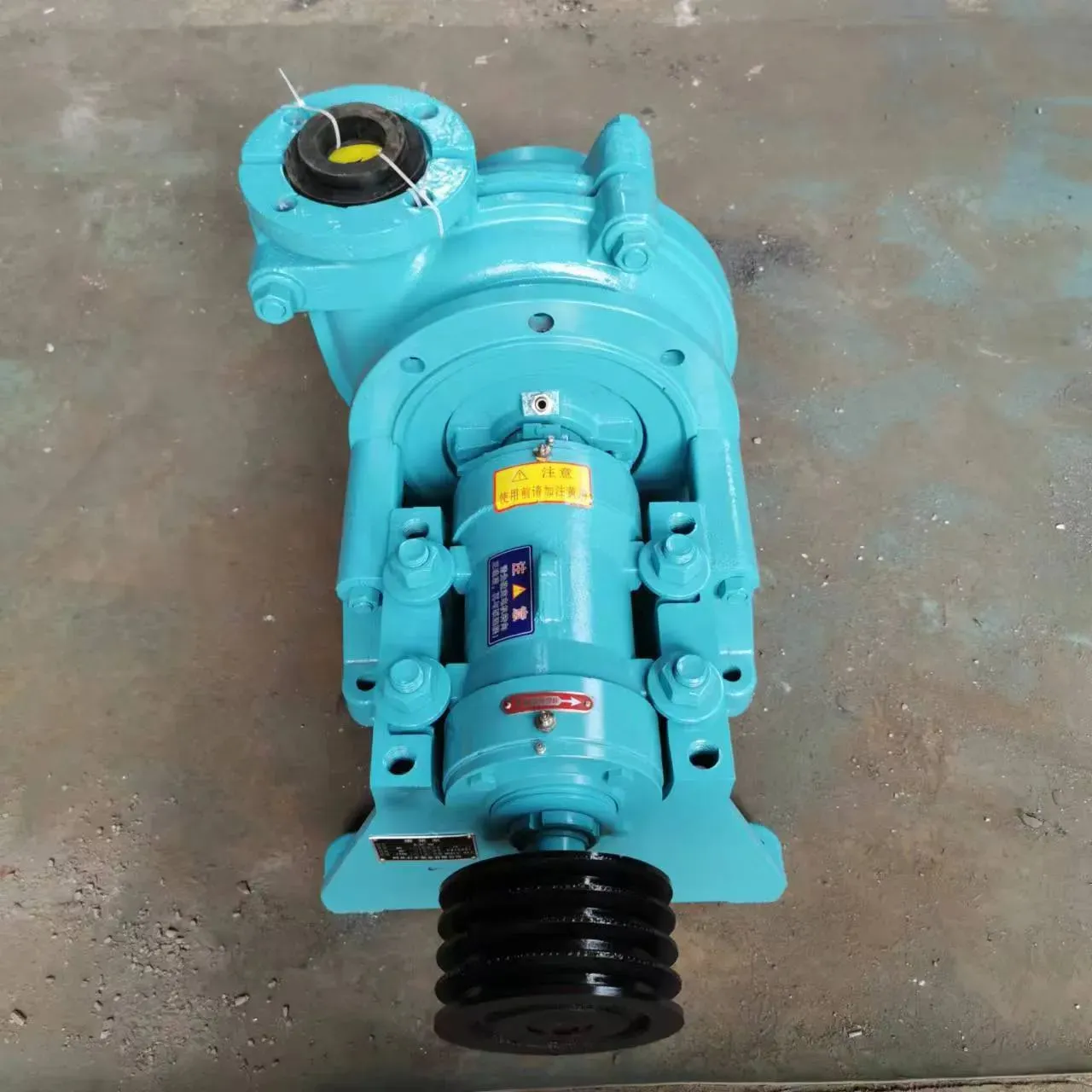
Clean water pumps, electrically driven, represent a critical component in a broad spectrum of industrial and municipal water management systems. These pumps facilitate the transfer of potable water, process water, and effluent, playing a vital role in applications ranging from irrigation and building water supply to cooling systems and wastewater treatment. Their technical positioning within the industry chain is central, bridging water source infrastructure with end-user demand. Core performance characteristics are defined by flow rate (measured in gallons per minute or liters per second), head (the maximum height water can be lifted, expressed in feet or meters), and power consumption (typically in kilowatts or horsepower). The increasing demand for water efficiency and reduced energy costs drives the development of advanced pump designs focusing on variable frequency drives (VFDs), optimized impeller geometry, and corrosion-resistant materials. The pump's selection is heavily dependent on fluid characteristics (viscosity, density, solids content) and operational requirements (continuous vs. intermittent duty, pressure fluctuations).
Material Science & Manufacturing
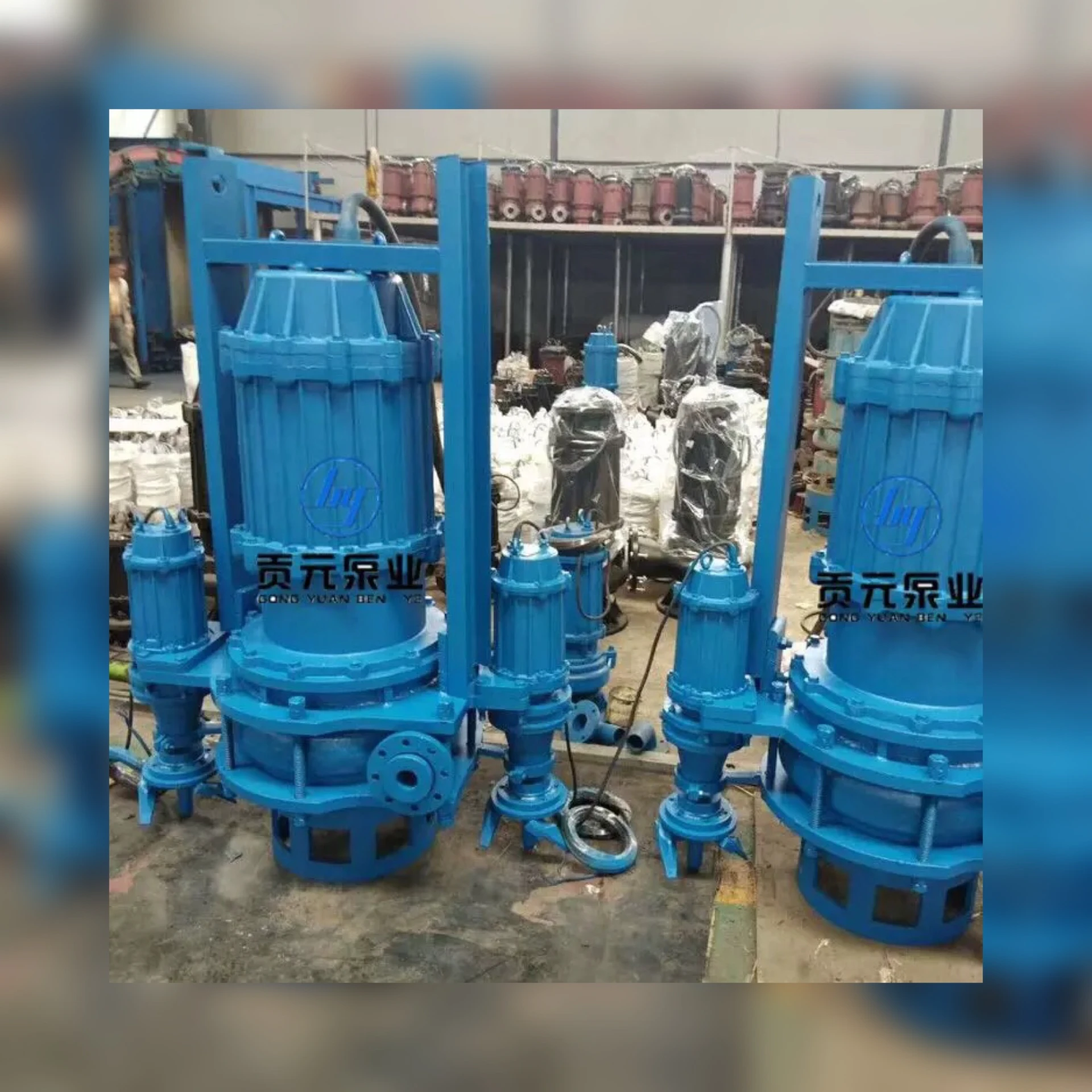
The construction of clean water pumps relies heavily on several key materials. Pump housings are commonly manufactured from cast iron (ASTM A48 Class 30), stainless steel (typically 304 or 316 due to corrosion resistance – ASTM A240), or engineered plastics like polypropylene or reinforced nylon. Impellers, the rotating component responsible for imparting kinetic energy to the fluid, are typically made from bronze (ASTM B584), stainless steel, or thermoplastic polymers. Shafts are often crafted from high-strength carbon steel (AISI 1045) and undergo heat treatment for increased durability. Seals, critical for preventing leakage, utilize materials such as Viton (fluoroelastomer), EPDM (ethylene propylene diene monomer rubber), or PTFE (polytetrafluoroethylene) depending on the fluid chemistry and temperature.
Manufacturing processes vary depending on the component. Pump housings are often produced through sand casting, investment casting, or, for smaller volumes, centrifugal casting. Impellers are typically manufactured using investment casting, machining from solid stock, or injection molding for plastic components. Shafts are produced through machining and grinding processes. Critical parameters during manufacturing include dimensional accuracy (to ensure tight tolerances and prevent cavitation), surface finish (to minimize friction and corrosion), and material homogeneity (to ensure consistent mechanical properties). Welding processes, when employed, require strict adherence to standards like AWS D1.1 for structural welding, ensuring joint integrity and preventing defects. Non-destructive testing (NDT) methods such as ultrasonic testing (UT) and radiographic testing (RT) are routinely used to verify weld quality and identify potential flaws.
Performance & Engineering
The performance of a clean water pump is governed by fundamental principles of fluid dynamics. Bernoulli's principle dictates the relationship between pressure, velocity, and elevation in a flowing fluid. Pump selection necessitates a careful analysis of the system head curve – the relationship between flow rate and head loss in the piping system. The pump’s performance curve must intersect the system head curve at the desired operating point. Force analysis involves evaluating radial and axial thrust loads on the impeller shaft, demanding robust bearing designs and shaft support. Environmental resistance is a critical factor. Pumps operating in corrosive environments require materials selected for their chemical compatibility and may necessitate coatings (e.g., epoxy, polyurethane) to enhance protection. Pumps exposed to extreme temperatures must employ materials with suitable thermal expansion coefficients. Compliance requirements vary geographically. In North America, pumps often need to meet Hydraulic Institute (HI) standards for performance testing and efficiency. In Europe, the Ecodesign Directive (ErP) sets minimum efficiency standards for pumps. Electrical components must comply with IEC standards for safety and performance. Pump cavitation, a phenomenon caused by low pressure at the impeller inlet, is a major concern; Net Positive Suction Head Required (NPSHr) is a critical parameter to avoid cavitation damage.
Technical Specifications
| Parameter | Unit | Typical Value (Small Industrial Pump) | Typical Value (Large Municipal Pump) |
|---|---|---|---|
| Flow Rate | GPM (Gallons Per Minute) | 50-200 | 500-5000 |
| Total Dynamic Head | ft (Feet) | 50-150 | 200-500 |
| Power | HP (Horsepower) | 1-5 | 20-100 |
| Motor Voltage | V (Volts) | 230/460 | 480/600 |
| Seal Material | - | Viton/EPDM | SiC/SiC |
| Casing Material | - | Cast Iron | Ductile Iron/Stainless Steel |
Failure Mode & Maintenance
Clean water pumps are susceptible to various failure modes. Mechanical seal failure is common, resulting from abrasion, chemical attack, or improper installation. Cavitation, as mentioned previously, erodes the impeller and casing, reducing pump efficiency and leading to eventual failure. Bearing failure can occur due to insufficient lubrication, misalignment, or excessive loads, manifesting as increased noise and vibration. Corrosion, particularly in pumps handling water with high mineral content, leads to material degradation and eventual leaks. Fatigue cracking can occur in the pump casing or impeller due to cyclical loading. Abrasive wear is prevalent in applications with suspended solids.
Preventive maintenance is crucial. Regular lubrication of bearings, inspection of seals for wear and leakage, and monitoring of pump vibration are essential. Periodic performance testing (measuring flow rate, head, and power consumption) can identify deviations from baseline values, indicating potential problems. Routine cleaning to remove debris and prevent clogging is vital. For mechanical seal failures, proper seal selection and installation are paramount. Addressing cavitation requires increasing NPSHa (Net Positive Suction Head Available) or reducing pump speed. Corrosion mitigation involves using corrosion-resistant materials or applying protective coatings. Regular inspection for cracks and corrosion should be incorporated into a comprehensive maintenance program. Utilizing condition monitoring techniques, such as vibration analysis and oil analysis, provides early warning signs of potential failures, reducing downtime and maintenance costs.
Industry FAQ
Q: What is the impact of Variable Frequency Drives (VFDs) on pump efficiency and lifespan?
A: VFDs offer significant advantages. By adjusting pump speed to match demand, VFDs reduce energy consumption considerably. This also minimizes hydraulic shock and stress on the pump components, extending their lifespan. However, VFDs can generate harmonic distortion in the power supply, potentially requiring harmonic filters. Proper grounding and shielding are crucial to prevent motor bearing damage due to VFD-induced currents.
Q: How do you select the appropriate pump material for highly corrosive water?
A: Material selection depends on the specific corrosives present. Stainless steel alloys (316, 316L) offer good resistance to many corrosive agents. However, for particularly aggressive environments (e.g., seawater, strong acids), more exotic materials like Duplex Stainless Steel, Hastelloy, or specialized polymers may be necessary. A thorough chemical compatibility analysis is crucial before selecting a material.
Q: What are the key considerations when specifying a pump for handling water with suspended solids?
A: For handling water with solids, vortex or recessed impeller pumps are preferred as they are less susceptible to clogging. Increased impeller clearances are also necessary. The pump casing material should be abrasion-resistant, such as hardened iron or stainless steel. Strainers or filters upstream of the pump are essential to remove larger debris.
Q: What is NPSHr and why is it important?
A: NPSHr (Net Positive Suction Head Required) is the minimum pressure required at the pump suction to prevent cavitation. Insufficient NPSH results in vapor bubble formation, leading to impeller damage, noise, and reduced pump performance. Calculating NPSHa (Net Positive Suction Head Available) and ensuring it exceeds NPSHr is critical for reliable pump operation.
Q: What are the maintenance implications of using a submersible pump versus a surface-mounted pump?
A: Submersible pumps require periodic removal for inspection and maintenance, which can be more complex and costly. Access is often limited. Surface-mounted pumps are generally easier to access for maintenance, but require priming and careful sealing of the suction line. The motor of a submersible pump is typically sealed and cooled by the surrounding water, while surface-mounted pumps require separate motor cooling systems.
Conclusion
The selection and operation of clean water pumps are underpinned by a complex interplay of fluid dynamics, material science, and engineering principles. Achieving optimal performance and longevity necessitates a thorough understanding of system requirements, proper material selection, and adherence to rigorous manufacturing and maintenance practices. Cavitation, corrosion, and mechanical seal failure represent significant challenges that demand proactive mitigation strategies.
Future trends in clean water pump technology focus on increasing efficiency through advanced impeller designs, incorporating smart sensors for predictive maintenance, and developing more sustainable and environmentally friendly materials. The integration of IoT (Internet of Things) technologies allows for remote monitoring and control, optimizing pump operation and minimizing downtime. Continued adherence to international standards and best practices will be vital for ensuring the reliable and efficient delivery of clean water in the years to come.
-
Precision at the Pump: How Better Machining Protects Flow and Uptime
News2026-11-20
-
Why Pump Reliability Begins Before the First Drop of Fluid
News2026-11-20
-
Beyond the Pump: Designing Safer Access Around Critical Water Infrastructure
News2026-11-20
-
Why Pumping Stations Depend on the Infrastructure Beneath the Pumps
News2026-11-20
-
Beyond the Pump Room: How Smarter Loading Protects Industrial Equipment
News2026-11-19
-
When Pumps Stop: Designing More Resilient Power for Critical Pumping Systems
News2026-11-19
-
The Hidden Role of Dust and Gas Monitoring in Reliable Pump Operations
News2026-11-19
-
The Hidden Role of Mineral Compounds in Extending Industrial Pump Lifespan
News2026-10-12
-
Why Pump System Reliability Depends on Precision Hose Assembly Methods
News2026-09-15
-
How Advanced Imaging Films Are Transforming Pump Component Quality Control
News2026-08-25
-
How Advanced Filtration Protects Pump Systems from Premature Wear and Costly Downtime
News2026-08-25
-
How Steel Material Selection Drives Pump Reliability in Heavy-Duty Systems
News2026-08-25
-
Ensuring Pump System Efficiency: The Role of High-Quality Pipe Fittings and Tubing
News2026-08-24
-
Optimizing Fluid Dynamics and Material Consistency in Industrial Processing
News2026-08-18
-
Innovations and Challenges in Hydraulic Systems for Heavy Machinery
News2026-08-13




