English
- Afrikaans
- Albanian
- Amharic
- Arabic
- Armenian
- Azerbaijani
- Basque
- Belarusian
- Bengali
- Bosnian
- Bulgarian
- Catalan
- Cebuano
- Corsican
- Croatian
- Czech
- Danish
- Dutch
- English
- Esperanto
- Estonian
- Finnish
- French
- Frisian
- Galician
- Georgian
- German
- Greek
- Gujarati
- Haitian Creole
- hausa
- hawaiian
- Hebrew
- Hindi
- Miao
- Hungarian
- Icelandic
- igbo
- Indonesian
- irish
- Italian
- Japanese
- Javanese
- Kannada
- kazakh
- Khmer
- Rwandese
- Korean
- Kurdish
- Kyrgyz
- Lao
- Latin
- Latvian
- Lithuanian
- Luxembourgish
- Macedonian
- Malgashi
- Malay
- Malayalam
- Maltese
- Maori
- Marathi
- Mongolian
- Myanmar
- Nepali
- Norwegian
- Norwegian
- Occitan
- Pashto
- Persian
- Polish
- Portuguese
- Punjabi
- Romanian
- Russian
- Samoan
- Scottish Gaelic
- Serbian
- Sesotho
- Shona
- Sindhi
- Sinhala
- Slovak
- Slovenian
- Somali
- Spanish
- Sundanese
- Swahili
- Swedish
- Tagalog
- Tajik
- Tamil
- Tatar
- Telugu
- Thai
- Turkish
- Turkmen
- Ukrainian
- Urdu
- Uighur
- Uzbek
- Vietnamese
- Welsh
- Bantu
- Yiddish
- Yoruba
- Zulu

Telephone: +86 13120555503
Email: frank@cypump.com


Apr . 01, 2024 17:55 Back to list
clean submersible water pump Performance Analysis
Introduction
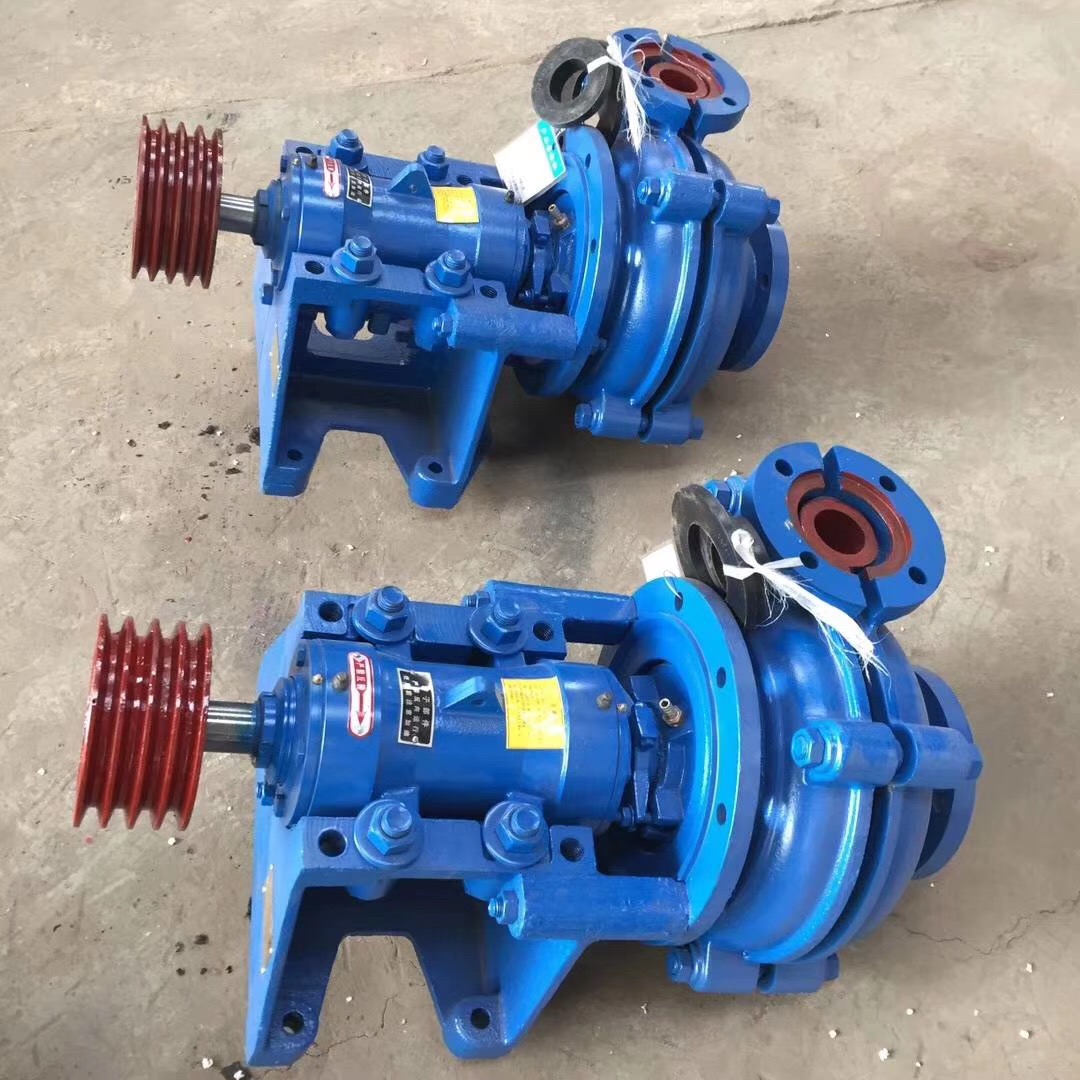
Clean submersible water pumps are electromechanical devices designed to efficiently transfer fluids, specifically clean water, from one location to another while being fully submerged in the liquid being pumped. Unlike surface pumps which rely on suction, submersible pumps utilize positive displacement, commonly through centrifugal or helical impeller designs. Their application spans a wide range of industries including wastewater treatment, dewatering in construction, irrigation, municipal water supply, and increasingly, specialized industrial processes requiring controlled fluid handling. Core performance characteristics are defined by flow rate (measured in gallons per minute or liters per second), total dynamic head (TDH, expressed in feet or meters), power consumption, and the solids handling capability. The industry faces increasing demands for higher efficiency, reduced noise, and improved reliability in increasingly challenging fluid environments. A significant pain point lies in managing corrosion within the pump housing and impeller materials, directly impacting operational lifespan and maintenance frequency.
Material Science & Manufacturing
The construction of clean submersible water pumps relies on a selection of materials engineered for corrosion resistance, mechanical strength, and hydraulic efficiency. Pump housings are commonly manufactured from cast iron (ASTM A48 Class 30), stainless steel (304, 316 – particularly for higher chloride content fluids), or engineered polymers like polypropylene. Impellers, responsible for imparting kinetic energy to the fluid, are often constructed from reinforced thermoplastic materials or stainless steel. Shafts are typically made from high-strength alloy steel, heat-treated for durability. Seals critical for preventing water ingress into the motor are typically composed of elastomers like nitrile rubber (NBR) or Viton (FKM) depending on the fluid temperature and chemical composition.
Manufacturing processes vary based on component. Housing production utilizes sand casting followed by machining and surface treatment (epoxy coating for cast iron). Impellers are commonly produced via injection molding for thermoplastic components and investment casting for stainless steel. Shafts undergo forging, machining, and heat treatment. The motor assembly employs stator winding insertion, rotor balancing, and encapsulation within a waterproof housing. Key parameter control during manufacturing includes dimensional accuracy of impeller vanes (critical for hydraulic performance), seal concentricity and compression (to ensure leak-proof operation), and electrical insulation integrity of the motor windings. Welding processes used, when applicable for stainless steel components, must adhere to AWS D1.1 standards to maintain structural integrity and prevent corrosion initiation at weld seams.
Performance & Engineering
The performance of a clean submersible pump is fundamentally governed by hydraulic principles and motor characteristics. Force analysis centers around the radial and axial forces exerted on the impeller and shaft during operation. Cavitation, a phenomenon caused by vapor bubble formation and collapse due to low pressure, is a critical design consideration. Engineers utilize Net Positive Suction Head Required (NPSHr) calculations to ensure adequate inlet pressure and prevent cavitation damage. Environmental resistance is addressed through material selection and sealing strategies. Exposure to UV radiation, temperature fluctuations, and potential chemical contamination necessitates the use of UV-stabilized polymers and chemically resistant seal materials.
Compliance requirements are substantial. Pumps intended for potable water applications must meet NSF/ANSI 61 standards for lead content and material safety. Electrical safety is governed by IEC 60335-1, outlining requirements for insulation, grounding, and protection against electric shock. Energy efficiency standards, such as those mandated by the U.S. Department of Energy (DOE) or European Union’s ErP Directive, drive the development of high-efficiency motor designs and hydraulic optimizations. The functional implementation relies on accurate motor sizing relative to the required flow rate and TDH. Variable Frequency Drives (VFDs) are increasingly employed to modulate pump speed and optimize energy consumption based on demand, contributing to significant operational cost savings.
Technical Specifications
| Parameter | Unit | Typical Value (Small Pump) | Typical Value (Large Pump) |
|---|---|---|---|
| Flow Rate | GPM (L/s) | 20 (0.42) | 500 (10.6) |
| Total Dynamic Head (TDH) | ft (m) | 50 (15.2) | 200 (61) |
| Motor Power | HP (kW) | 0.5 (0.37) | 10 (7.5) |
| Solids Handling Capability | in (mm) | 0.125 (3.2) | 2 (50.8) |
| Voltage | V | 120/240 | 460/480 |
| Maximum Submergence Depth | ft (m) | 20 (6.1) | 80 (24.4) |
Failure Mode & Maintenance
Common failure modes in clean submersible pumps include motor winding failure due to insulation breakdown, bearing failure caused by lubrication degradation or contamination, impeller damage from cavitation or solids abrasion, seal failure leading to water ingress, and corrosion of pump housing components. Fatigue cracking can occur in the shaft under cyclical loading, particularly if subjected to misalignment. Delamination of polymer impellers can arise from prolonged exposure to high temperatures or aggressive chemicals. Oxidation of metallic components contributes to long-term material degradation.
Preventative maintenance is crucial. Regular inspection of seals for wear and tear, monitoring motor current and temperature, and periodic lubrication of bearings are essential. Routine flushing of the pump to remove accumulated debris prevents impeller blockage and cavitation. Water quality analysis should be conducted to identify potential corrosive agents, informing material selection and protective coating application. In the event of failure, a thorough root cause analysis should be performed, including visual inspection, non-destructive testing (NDT) like ultrasonic testing (UT) for crack detection, and material analysis to identify corrosion mechanisms. Repair typically involves component replacement, seal refurbishment, and re-coating of affected surfaces. Adherence to manufacturer’s recommended maintenance schedules is paramount to maximizing pump lifespan and minimizing downtime.
Industry FAQ
Q: What is the impact of water temperature on submersible pump performance and longevity?
A: Elevated water temperatures reduce the density and viscosity of the fluid, potentially increasing flow rates but also diminishing the pump's suction capacity. Higher temperatures accelerate material degradation, particularly for elastomers in seals and insulation in motor windings. Selecting temperature-rated materials and implementing cooling mechanisms (if feasible) are critical for maintaining performance and extending service life.
Q: How does the solids content of the fluid affect pump selection and maintenance?
A: Increased solids content demands pumps with larger impeller passages and abrasion-resistant materials. Higher solids loading accelerates impeller wear and increases the risk of pump blockage. Regular flushing and the implementation of filtration systems upstream of the pump are essential to mitigate these issues.
Q: What are the advantages of using a variable frequency drive (VFD) with a submersible pump?
A: VFDs allow for precise control of pump speed, optimizing flow rate to match demand and reducing energy consumption. They also minimize mechanical stress on the pump by reducing starts and stops, extending its lifespan. Soft starting capabilities provided by VFDs also lessen inrush currents and strain on the electrical infrastructure.
Q: What type of corrosion is most common in submersible pump applications, and how can it be prevented?
A: Galvanic corrosion, pitting corrosion, and erosion-corrosion are prevalent. Galvanic corrosion arises from dissimilar metal contact in the presence of an electrolyte. Pitting corrosion is localized corrosion resulting in small holes. Erosion-corrosion is accelerated by abrasive particles in the fluid. Prevention strategies include selecting compatible materials, applying protective coatings (epoxy, polyurethane), cathodic protection, and maintaining proper water chemistry.
Q: What is the significance of the NPSHr (Net Positive Suction Head Required) value for a submersible pump?
A: NPSHr is the minimum pressure required at the pump suction to prevent cavitation. If the available NPSH (Net Positive Suction Head Available) is less than the NPSHr, cavitation will occur, leading to impeller damage, reduced pump performance, and increased noise. Accurate NPSHr calculation and ensuring sufficient inlet pressure are critical for reliable pump operation.
Conclusion
Clean submersible water pumps represent a critical technology for fluid handling across diverse industrial sectors. Their performance is dictated by a complex interplay of hydraulic principles, material science, and electrical engineering. Selecting the appropriate pump necessitates a thorough understanding of application-specific requirements, including flow rate, TDH, fluid composition, and environmental conditions. Addressing challenges related to corrosion, cavitation, and energy efficiency through careful material selection, proactive maintenance, and integration of advanced control technologies like VFDs is paramount to maximizing operational lifespan and minimizing total cost of ownership.
Future development trends will likely focus on optimizing pump designs for higher efficiency, reducing noise levels, and increasing the use of smart sensors and predictive maintenance capabilities. The integration of IoT technologies will enable remote monitoring of pump performance, early detection of potential failures, and optimized maintenance scheduling. Further research into advanced materials, such as corrosion-resistant alloys and high-performance polymers, will continue to push the boundaries of pump durability and reliability in increasingly demanding applications.
-
Precision at the Pump: How Better Machining Protects Flow and Uptime
News2026-11-20
-
Why Pump Reliability Begins Before the First Drop of Fluid
News2026-11-20
-
Beyond the Pump: Designing Safer Access Around Critical Water Infrastructure
News2026-11-20
-
Why Pumping Stations Depend on the Infrastructure Beneath the Pumps
News2026-11-20
-
Beyond the Pump Room: How Smarter Loading Protects Industrial Equipment
News2026-11-19
-
When Pumps Stop: Designing More Resilient Power for Critical Pumping Systems
News2026-11-19
-
The Hidden Role of Dust and Gas Monitoring in Reliable Pump Operations
News2026-11-19
-
The Hidden Role of Mineral Compounds in Extending Industrial Pump Lifespan
News2026-10-12
-
Why Pump System Reliability Depends on Precision Hose Assembly Methods
News2026-09-15
-
How Advanced Imaging Films Are Transforming Pump Component Quality Control
News2026-08-25
-
How Advanced Filtration Protects Pump Systems from Premature Wear and Costly Downtime
News2026-08-25
-
How Steel Material Selection Drives Pump Reliability in Heavy-Duty Systems
News2026-08-25
-
Ensuring Pump System Efficiency: The Role of High-Quality Pipe Fittings and Tubing
News2026-08-24
-
Optimizing Fluid Dynamics and Material Consistency in Industrial Processing
News2026-08-18
-
Innovations and Challenges in Hydraulic Systems for Heavy Machinery
News2026-08-13




