English
- Afrikaans
- Albanian
- Amharic
- Arabic
- Armenian
- Azerbaijani
- Basque
- Belarusian
- Bengali
- Bosnian
- Bulgarian
- Catalan
- Cebuano
- Corsican
- Croatian
- Czech
- Danish
- Dutch
- English
- Esperanto
- Estonian
- Finnish
- French
- Frisian
- Galician
- Georgian
- German
- Greek
- Gujarati
- Haitian Creole
- hausa
- hawaiian
- Hebrew
- Hindi
- Miao
- Hungarian
- Icelandic
- igbo
- Indonesian
- irish
- Italian
- Japanese
- Javanese
- Kannada
- kazakh
- Khmer
- Rwandese
- Korean
- Kurdish
- Kyrgyz
- Lao
- Latin
- Latvian
- Lithuanian
- Luxembourgish
- Macedonian
- Malgashi
- Malay
- Malayalam
- Maltese
- Maori
- Marathi
- Mongolian
- Myanmar
- Nepali
- Norwegian
- Norwegian
- Occitan
- Pashto
- Persian
- Polish
- Portuguese
- Punjabi
- Romanian
- Russian
- Samoan
- Scottish Gaelic
- Serbian
- Sesotho
- Shona
- Sindhi
- Sinhala
- Slovak
- Slovenian
- Somali
- Spanish
- Sundanese
- Swahili
- Swedish
- Tagalog
- Tajik
- Tamil
- Tatar
- Telugu
- Thai
- Turkish
- Turkmen
- Ukrainian
- Urdu
- Uighur
- Uzbek
- Vietnamese
- Welsh
- Bantu
- Yiddish
- Yoruba
- Zulu

Telephone: +86 13120555503
Email: frank@cypump.com


Apr . 01, 2024 17:55 Back to list
chrome hard metal slurry pump Performance Analysis
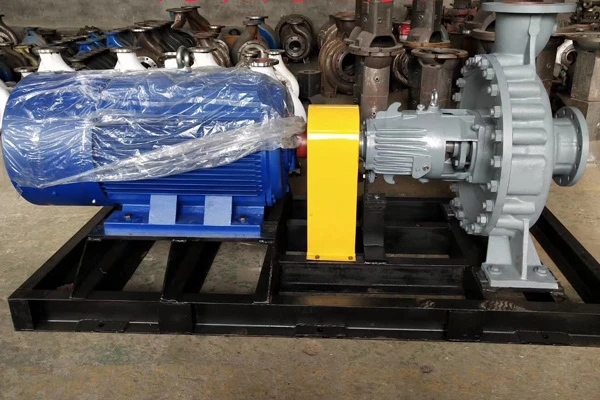
Introduction
Chrome hard metal slurry pumps are engineered for the demanding task of transporting abrasive and corrosive slurries in various industrial applications, including mining, dredging, chemical processing, and wastewater treatment. These pumps distinguish themselves through a specialized wear-resistant coating – chrome plating – applied to fluid-handling components, extending service life and minimizing downtime. Positioned within the materials handling chain, they represent a critical link between extraction/processing and subsequent stages, requiring consistent reliability and performance. Core performance characteristics are defined by flow rate, head pressure, solids handling capability, and resistance to specific slurry compositions. A primary industry pain point is premature failure due to abrasion and corrosion, leading to costly repairs and production losses. The selection criteria emphasize total cost of ownership, considering initial purchase price, maintenance frequency, and operational efficiency.
Material Science & Manufacturing
The primary materials for chrome hard metal slurry pumps include high-chrome cast iron (typically 27-30% chromium content), stainless steel (304, 316, and duplex grades), and specialized polymers like polyurethane or rubber for lining components. High-chrome cast iron offers excellent abrasion resistance due to the formation of hard chromium carbides during the casting process. Stainless steel provides superior corrosion resistance, crucial for handling acidic or alkaline slurries. Manufacturing begins with pattern making for the cast iron components followed by sand casting. Critical dimensions are inspected via Coordinate Measuring Machines (CMM). Chrome plating is typically achieved through electrolytic deposition. The process requires meticulous control of current density, bath composition (hexavalent chromium solution), and temperature (typically 50-70°C) to ensure a uniform and adherent coating thickness (typically 50-200 μm). Post-plating, the components undergo passivation to enhance corrosion resistance. Impeller manufacturing involves precision casting and machining, maintaining strict balance to minimize vibration. Shaft material selection depends on the slurry characteristics, with options including alloy steel and stainless steel, subject to non-destructive testing (NDT) like magnetic particle inspection (MPI) and ultrasonic testing (UT) to detect flaws. The pump casing is often manufactured using centrifugal casting to create a wear-resistant first layer before applying the chrome plating. Welding processes, if employed, are rigorously controlled and inspected using radiography (RT) to ensure weld integrity.
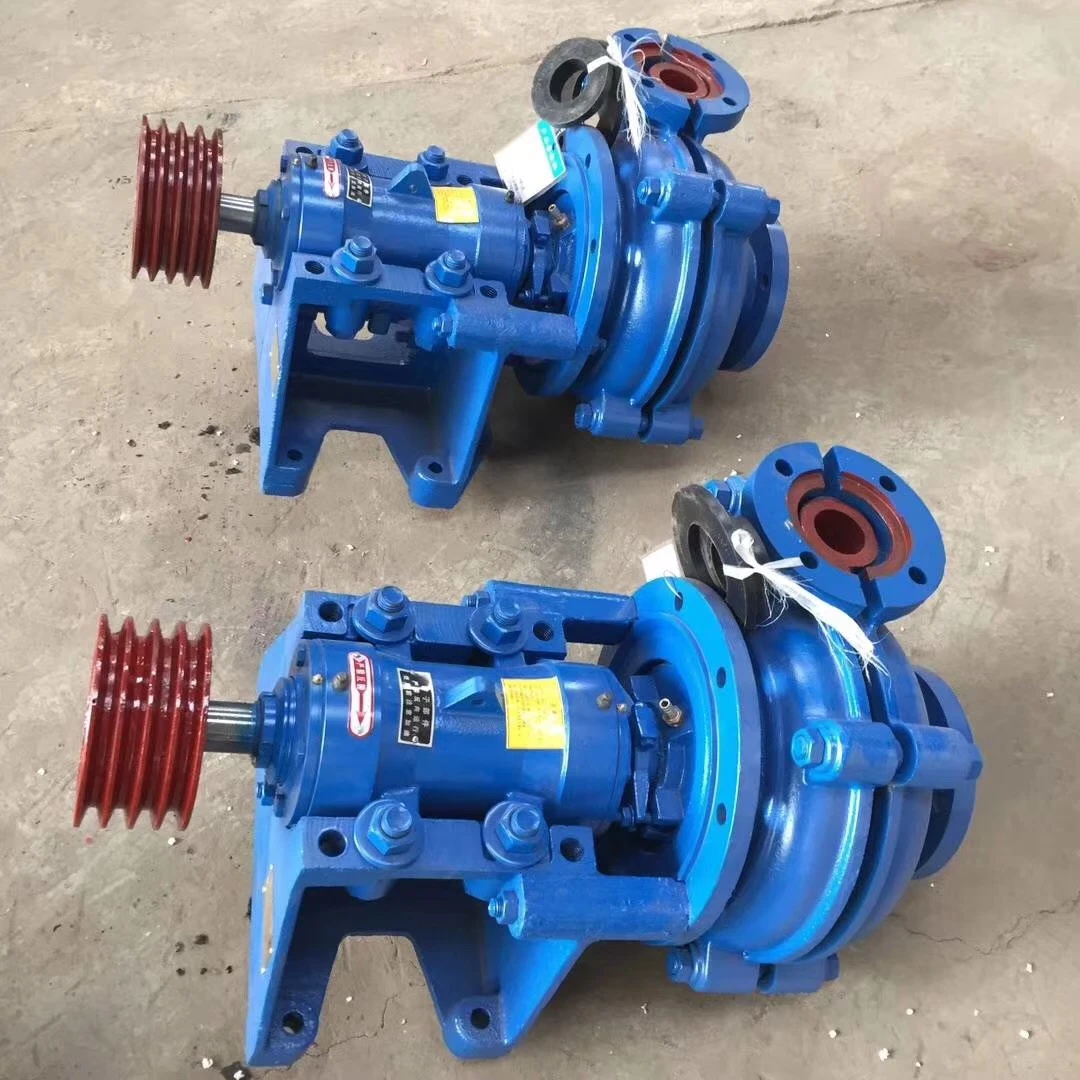
Performance & Engineering
Pump performance is dictated by the hydraulic design, impacting flow rate, head, and efficiency. Force analysis considers hydrostatic pressure, dynamic loads from the slurry, and mechanical stresses. Cavitation is a critical concern, particularly with abrasive slurries, leading to impeller erosion. Net Positive Suction Head Required (NPSHr) must be carefully calculated and matched to the Net Positive Suction Head Available (NPSHa) to prevent cavitation. Environmental resistance involves evaluating material compatibility with the slurry's chemical composition. pH levels, chloride content, and the presence of oxidizing agents significantly impact corrosion rates. Chrome plating, while effective against abrasion, can be susceptible to pitting corrosion in highly acidic environments. Mechanical seals are crucial for preventing leakage and are selected based on the slurry's abrasiveness and chemical properties – options include rubber diaphragms, ceramic seals, and tungsten carbide seals. Compliance requirements vary depending on the application and region. For example, pumps used in explosive environments must meet ATEX directives (Europe) or Class I, Division 1/2 standards (North America). Pump selection for solids handling must account for particle size distribution, solids concentration, and slurry viscosity. Hydraulic designs optimized for high solids content typically incorporate larger impeller passages and wear plates. Finite Element Analysis (FEA) is used to optimize casing and impeller geometries to minimize stress concentrations and enhance hydraulic efficiency.
Technical Specifications
| Parameter | Unit | Typical Value (Range) | Test Standard |
|---|---|---|---|
| Flow Rate | m³/h | 50-1500 | ISO 9905 |
| Head | m | 10-100 | ISO 9905 |
| Solids Handling Size | mm | Up to 100 | In-house testing |
| Slurry Concentration | % w/w | Up to 70 | In-house testing |
| Chrome Plating Thickness | μm | 50-200 | ASTM B265 |
| Maximum Operating Pressure | MPa | Up to 3.0 | ISO 2878 |
Failure Mode & Maintenance
Common failure modes include abrasive wear of the impeller and casing, corrosion of metallic components (especially at chrome plating defects), mechanical seal failure, and bearing failure. Abrasive wear is characterized by material loss due to the impact of solid particles. Chromium plating minimizes this but is not immune, particularly with sharp, angular particles. Corrosion manifests as pitting or uniform thinning of the metal. Galvanic corrosion can occur between dissimilar metals. Mechanical seal failure is often caused by abrasive particles damaging the seal faces or chemical attack degrading the seal materials. Bearing failure can result from inadequate lubrication, contamination, or excessive loads. Preventive maintenance includes regular inspection of the impeller, casing, and seals for wear. Lubrication schedules must be followed meticulously. Chrome plating should be inspected for cracks or defects using visual inspection and dye penetrant testing. When replacing components, it’s vital to match materials to the slurry characteristics. Impeller balancing should be checked and corrected as needed to reduce vibration. Scheduled disassembly and inspection of bearings is crucial to detect early signs of wear or contamination. Proper slurry handling practices, such as minimizing air entrainment and avoiding sudden flow changes, can extend pump life. Regular monitoring of pump performance parameters (flow rate, pressure, power consumption) can provide early warning signs of potential issues.
Industry FAQ
Q: What is the primary advantage of chrome plating over other wear-resistant coatings for slurry pumps?
A: Chrome plating provides a superior balance of hardness and corrosion resistance compared to many alternatives. While coatings like tungsten carbide offer higher hardness, they lack the corrosion protection of chrome. Furthermore, chrome plating is relatively cost-effective and can be applied with high precision.
Q: How does the slurry composition affect the lifespan of a chrome-plated pump?
A: Highly acidic or alkaline slurries can compromise the corrosion resistance of chrome plating. The presence of chlorides accelerates pitting corrosion. Slurries with large, sharp particles cause rapid abrasive wear. Understanding the slurry’s chemical and physical properties is crucial for material selection and pump design.
Q: What are the limitations of chrome plating in highly abrasive applications?
A: While chrome plating enhances wear resistance, it's not invulnerable to abrasion. Over time, even chrome plating will erode, particularly with extremely hard and angular particles. Regular inspection and component replacement are essential in these applications.
Q: What maintenance procedures are essential for maximizing the service life of a chrome hard metal slurry pump?
A: Regular inspection of wear components (impeller, casing, seals), proper lubrication, monitoring pump performance (flow, pressure, power), and maintaining proper slurry handling practices are all critical. Scheduled disassembly for internal inspection is also recommended.
Q: What standards should be considered when specifying a chrome hard metal slurry pump for a hazardous environment?
A: For explosive atmospheres, adherence to ATEX (Europe) or Class I, Division 1/2 (North America) standards is paramount. Material selection must also consider chemical compatibility and corrosion resistance specific to the process environment.
Conclusion
Chrome hard metal slurry pumps are a crucial component in many industrial processes that require the reliable transport of abrasive and corrosive materials. Their longevity and effectiveness are fundamentally tied to a deep understanding of material science, precise manufacturing techniques, and diligent maintenance protocols. The selection process must prioritize a holistic assessment of the slurry characteristics, operating conditions, and relevant safety standards.
Looking forward, advancements in chrome plating technology, such as the development of more corrosion-resistant alloys and innovative deposition methods, will further enhance pump performance. Furthermore, the integration of predictive maintenance technologies – leveraging sensor data and machine learning – will enable proactive identification of potential failures, minimizing downtime and optimizing operational efficiency. Continuous research and development in pump hydraulic design are also critical for maximizing energy efficiency and extending component life.
-
Effluent vs Sump Pump Performance Analysis
News2026-05-22
-
effluent septic pump Performance Engineering
News2026-05-22
-
best sewer pumps Performance Engineering
News2026-05-22
-
best sewer pump Performance Analysis
News2026-05-22
-
best sewage pumps Performance Engineering
News2026-05-22
-
basement bathroom sewage pump Material Science Manufacturing
News2026-05-21
-
wastewater treatment plant pumps Material Science Manufacturing
News2026-05-21
-
waste water pump for basement Material Science Manufacturing
News2026-05-21
-
sump pump sewage Performance Analysis
News2026-05-21
-
sump pump for sewage Material Science and Manufacturing
News2026-05-21
-
sump pump for septic systems Material Science Manufacturing
News2026-05-20
-
sump pump and ejector pump Material Science Manufacturing
News2026-05-20
-
sewage treatment plant pumps Performance Analysis
News2026-05-20
-
sewage tank pump Material Science and Manufacturing
News2026-05-20
-
sewage pump for septic tank Performance Analysis
News2026-05-20




