English
- Afrikaans
- Albanian
- Amharic
- Arabic
- Armenian
- Azerbaijani
- Basque
- Belarusian
- Bengali
- Bosnian
- Bulgarian
- Catalan
- Cebuano
- Corsican
- Croatian
- Czech
- Danish
- Dutch
- English
- Esperanto
- Estonian
- Finnish
- French
- Frisian
- Galician
- Georgian
- German
- Greek
- Gujarati
- Haitian Creole
- hausa
- hawaiian
- Hebrew
- Hindi
- Miao
- Hungarian
- Icelandic
- igbo
- Indonesian
- irish
- Italian
- Japanese
- Javanese
- Kannada
- kazakh
- Khmer
- Rwandese
- Korean
- Kurdish
- Kyrgyz
- Lao
- Latin
- Latvian
- Lithuanian
- Luxembourgish
- Macedonian
- Malgashi
- Malay
- Malayalam
- Maltese
- Maori
- Marathi
- Mongolian
- Myanmar
- Nepali
- Norwegian
- Norwegian
- Occitan
- Pashto
- Persian
- Polish
- Portuguese
- Punjabi
- Romanian
- Russian
- Samoan
- Scottish Gaelic
- Serbian
- Sesotho
- Shona
- Sindhi
- Sinhala
- Slovak
- Slovenian
- Somali
- Spanish
- Sundanese
- Swahili
- Swedish
- Tagalog
- Tajik
- Tamil
- Tatar
- Telugu
- Thai
- Turkish
- Turkmen
- Ukrainian
- Urdu
- Uighur
- Uzbek
- Vietnamese
- Welsh
- Bantu
- Yiddish
- Yoruba
- Zulu

Telephone: +86 13120555503
Email: frank@cypump.com


Apr . 01, 2024 17:55 Back to list
china weir slurry pumps Performance Analysis
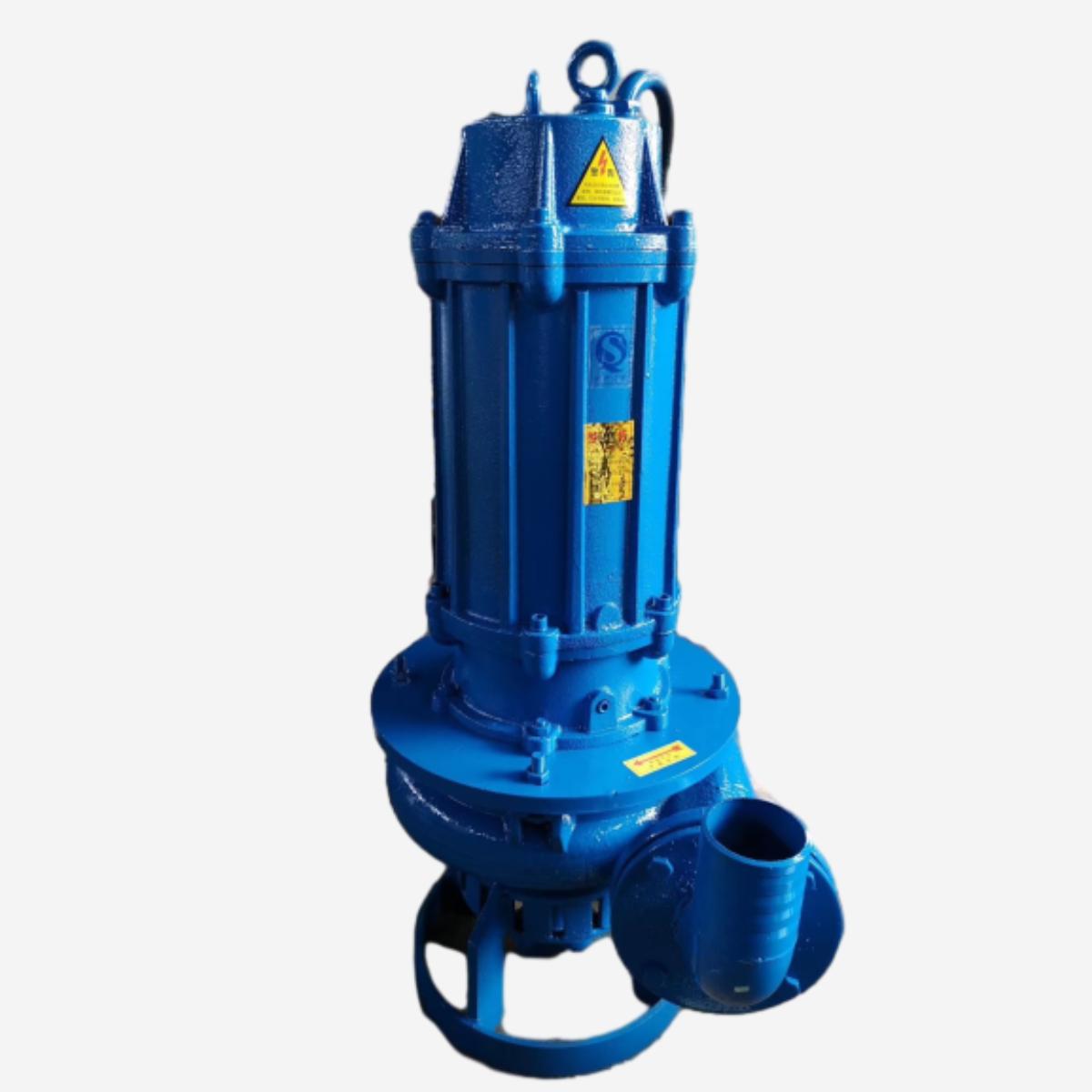
Introduction
China Weir slurry pumps represent a significant segment of the global centrifugal pump market, specifically designed for the demanding task of transporting abrasive or corrosive slurries. These pumps are integral to numerous industries including mining, wastewater treatment, dredging, and chemical processing. Their technical position within the industry chain is as a critical fluid handling component, bridging the gap between material extraction/processing and subsequent refining or disposal stages. Core performance characteristics center around high head generation, large solids handling capability, and robust construction materials chosen for resistance to wear and chemical attack. A key industry pain point addressed by these pumps is minimizing downtime due to abrasion and corrosion, significantly impacting operational costs in slurry-intensive applications. Improvements in impeller design, material selection (high chrome alloys, ceramic linings), and sealing technologies are continually sought to extend pump lifespan and improve efficiency.
Material Science & Manufacturing
The primary materials utilized in China Weir slurry pump construction are high-chrome cast iron (typically 27% Cr), stainless steel (304, 316, duplex grades), and various elastomeric linings (natural rubber, synthetic rubber). High-chrome cast iron provides excellent abrasion resistance due to the formation of hard chromium carbides within the iron matrix. However, its corrosion resistance is limited. Stainless steels offer superior corrosion resistance but generally lower abrasion resistance compared to high-chrome iron. Elastomeric linings are used for applications with highly corrosive slurries or where noise reduction is critical. Manufacturing processes predominantly involve sand casting for pump casings and impellers, followed by machining to precise tolerances. Impellers are often statically and dynamically balanced to minimize vibration and ensure smooth operation. Welding, utilizing shielded metal arc welding (SMAW) or gas tungsten arc welding (GTAW), is employed for joining components. Parameter control during welding is paramount to prevent distortion and maintain material integrity. Heat treatment processes, such as annealing and quenching, are applied to specific components to achieve desired hardness and ductility. Critical dimensions are inspected using coordinate measuring machines (CMMs) to ensure adherence to design specifications. Quality control includes non-destructive testing (NDT) methods such as liquid penetrant inspection (LPI) and radiographic testing (RT) to detect subsurface defects.
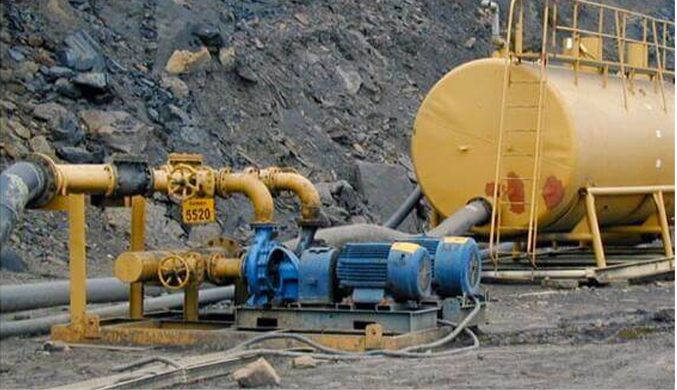
Performance & Engineering
Performance analysis of China Weir slurry pumps necessitates a comprehensive understanding of hydraulic forces, solids transport mechanisms, and wear patterns. Force analysis focuses on impeller loading, casing pressure, and bearing forces. Impeller design, particularly the blade angle and width, directly impacts head generation and flow rate. Solids transport is governed by settling velocity, suspension characteristics, and impeller geometry. Higher impeller speeds generally increase head but also accelerate wear. Environmental resistance is a crucial factor; pumps operating in harsh environments require specialized coatings and seals. Compliance requirements vary by region but typically include ISO 9001 (quality management), ISO 14001 (environmental management), and relevant safety standards (e.g., ATEX for potentially explosive atmospheres). Functional implementation involves careful consideration of system head curves, slurry characteristics (solids concentration, particle size distribution, specific gravity), and pump selection to optimize efficiency and minimize wear. Cavitation, a significant concern in slurry pump applications, is mitigated through proper Net Positive Suction Head Available (NPSHA) calculations and impeller design. Mechanical seals are a critical component, with options including single seals, double seals with barrier fluid, and gland packing, each offering varying levels of leakage control and reliability.
Technical Specifications
| Capacity (m³/h) | Head (m) | Motor Power (kW) | Maximum Solids Size (mm) |
|---|---|---|---|
| 10-100 | 5-50 | 1.5-75 | 25-150 |
| 50-300 | 20-100 | 30-200 | 50-300 |
| 100-600 | 50-150 | 75-400 | 100-500 |
| 300-1000 | 100-250 | 200-750 | 150-750 |
| 600-2000 | 150-350 | 400-1200 | 200-1000 |
| 1000-3000 | 250-450 | 750-2000 | 300-1200 |
Failure Mode & Maintenance
Common failure modes in China Weir slurry pumps include impeller wear, liner erosion, seal failure, bearing failure, and casing cracking. Impeller wear is typically caused by abrasive particles impacting the impeller blades, leading to material loss and reduced performance. Liner erosion occurs due to the continuous bombardment of abrasive slurry against the casing liner. Seal failure is often attributed to abrasive particles damaging the seal faces or chemical attack degrading the seal materials. Bearing failure can result from inadequate lubrication, excessive loading, or contamination. Casing cracking is usually initiated by stress corrosion cracking or fatigue cracking due to cyclical loading. Preventative maintenance is crucial and includes regular inspection of wear components, lubrication of bearings, seal replacement, and monitoring of pump performance parameters (flow rate, head, power consumption). Vibration analysis can detect early signs of bearing failure or impeller imbalance. For impeller and liner wear, material upgrades (e.g., using tungsten carbide inserts) or alternative liner materials can extend component life. Regular flushing of seals with clean fluid helps to remove abrasive particles and prevent seal failure. Non-destructive testing (NDT) can identify cracks before they propagate to catastrophic failure. Scheduled overhauls, based on operating hours and slurry characteristics, are essential for long-term reliability.
Industry FAQ
Q: What is the typical lifespan of a China Weir slurry pump impeller in a highly abrasive application?
A: The lifespan of an impeller in a highly abrasive application varies significantly based on slurry characteristics, pump operating conditions, and impeller material. However, a typical lifespan ranges from 6 months to 2 years. Implementing wear-resistant materials like high chrome iron with tungsten carbide inserts can extend this to 3-5 years.
Q: How do you mitigate cavitation in these pumps when handling low NPSH slurries?
A: Cavitation is mitigated by optimizing pump speed, ensuring adequate suction head, and selecting impellers designed for low NPSH operation. Impeller trim can reduce speed, increasing NPSHA. Increasing suction pipe diameter reduces friction losses. Closed impellers generally perform better in low NPSH conditions than open impellers.
Q: What types of seals are recommended for highly corrosive slurries?
A: For highly corrosive slurries, double mechanical seals with a barrier fluid are generally recommended. The barrier fluid provides lubrication, cooling, and a buffer between the process fluid and the seal faces, preventing corrosion. Materials like silicon carbide or ceramic are preferred for seal faces due to their excellent chemical resistance.
Q: How does the impeller diameter affect pump efficiency and solids handling capability?
A: Increasing impeller diameter generally increases pump head and efficiency, up to a certain point. However, larger diameters can also reduce solids handling capability due to increased impeller tip speed. The optimal impeller diameter depends on the specific application requirements and slurry characteristics.
Q: What is the importance of dynamic balancing for slurry pump impellers?
A: Dynamic balancing is crucial to minimize vibration and ensure smooth pump operation. Imbalance creates excessive stress on bearings and seals, leading to premature failure. Proper balancing extends component life and reduces energy consumption.
Conclusion
China Weir slurry pumps are engineered solutions addressing the demanding challenges of abrasive and corrosive slurry handling across diverse industries. Their performance is intrinsically linked to material science, precise manufacturing processes, and a deep understanding of hydraulic principles. Selecting the appropriate pump configuration, considering slurry properties, and implementing a robust maintenance program are essential for maximizing operational lifespan and minimizing total cost of ownership.
Continued advancements in impeller design, materials technology (such as ceramic composites), and monitoring systems (e.g., predictive maintenance based on vibration analysis) will further enhance the efficiency and reliability of these critical pumps. The trend towards customized pump solutions tailored to specific application needs will also become increasingly prevalent, optimizing performance and reducing environmental impact.
-
Effluent vs Sump Pump Performance Analysis
News2026-05-22
-
effluent septic pump Performance Engineering
News2026-05-22
-
best sewer pumps Performance Engineering
News2026-05-22
-
best sewer pump Performance Analysis
News2026-05-22
-
best sewage pumps Performance Engineering
News2026-05-22
-
basement bathroom sewage pump Material Science Manufacturing
News2026-05-21
-
wastewater treatment plant pumps Material Science Manufacturing
News2026-05-21
-
waste water pump for basement Material Science Manufacturing
News2026-05-21
-
sump pump sewage Performance Analysis
News2026-05-21
-
sump pump for sewage Material Science and Manufacturing
News2026-05-21
-
sump pump for septic systems Material Science Manufacturing
News2026-05-20
-
sump pump and ejector pump Material Science Manufacturing
News2026-05-20
-
sewage treatment plant pumps Performance Analysis
News2026-05-20
-
sewage tank pump Material Science and Manufacturing
News2026-05-20
-
sewage pump for septic tank Performance Analysis
News2026-05-20




