English
- Afrikaans
- Albanian
- Amharic
- Arabic
- Armenian
- Azerbaijani
- Basque
- Belarusian
- Bengali
- Bosnian
- Bulgarian
- Catalan
- Cebuano
- Corsican
- Croatian
- Czech
- Danish
- Dutch
- English
- Esperanto
- Estonian
- Finnish
- French
- Frisian
- Galician
- Georgian
- German
- Greek
- Gujarati
- Haitian Creole
- hausa
- hawaiian
- Hebrew
- Hindi
- Miao
- Hungarian
- Icelandic
- igbo
- Indonesian
- irish
- Italian
- Japanese
- Javanese
- Kannada
- kazakh
- Khmer
- Rwandese
- Korean
- Kurdish
- Kyrgyz
- Lao
- Latin
- Latvian
- Lithuanian
- Luxembourgish
- Macedonian
- Malgashi
- Malay
- Malayalam
- Maltese
- Maori
- Marathi
- Mongolian
- Myanmar
- Nepali
- Norwegian
- Norwegian
- Occitan
- Pashto
- Persian
- Polish
- Portuguese
- Punjabi
- Romanian
- Russian
- Samoan
- Scottish Gaelic
- Serbian
- Sesotho
- Shona
- Sindhi
- Sinhala
- Slovak
- Slovenian
- Somali
- Spanish
- Sundanese
- Swahili
- Swedish
- Tagalog
- Tajik
- Tamil
- Tatar
- Telugu
- Thai
- Turkish
- Turkmen
- Ukrainian
- Urdu
- Uighur
- Uzbek
- Vietnamese
- Welsh
- Bantu
- Yiddish
- Yoruba
- Zulu

Telephone: +86 13120555503
Email: frank@cypump.com


Apr . 01, 2024 17:55 Back to list
china warman horizontal slurry pump Performance Analysis
Introduction
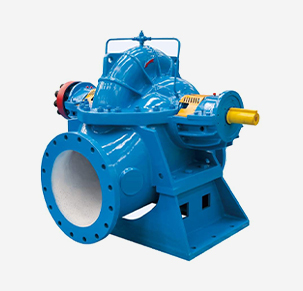
The China Warman Horizontal Slurry Pump represents a critical component in numerous industrial processes involving abrasive and erosive materials. Positioned within the materials handling chain, these pumps facilitate the transport of slurries – mixtures of solids and liquids – in applications ranging from mining and mineral processing to wastewater treatment and chemical handling. Core performance characteristics are defined by flow rate, head (pressure), and solids handling capability. These pumps are designed to withstand the severe operational conditions inherent in slurry transport, offering robust construction and replaceable wear parts to maximize uptime and minimize life-cycle costs. A key industry pain point revolves around balancing pump longevity with operational efficiency. Traditional pumps often experience rapid wear in abrasive environments, leading to frequent downtime and costly replacements. The Warman design, and its Chinese manufactured counterparts, address this through advanced metallurgy, impeller design, and liner materials. The challenge for end-users lies in proper pump selection, installation, and maintenance to fully leverage these advantages.
Material Science & Manufacturing
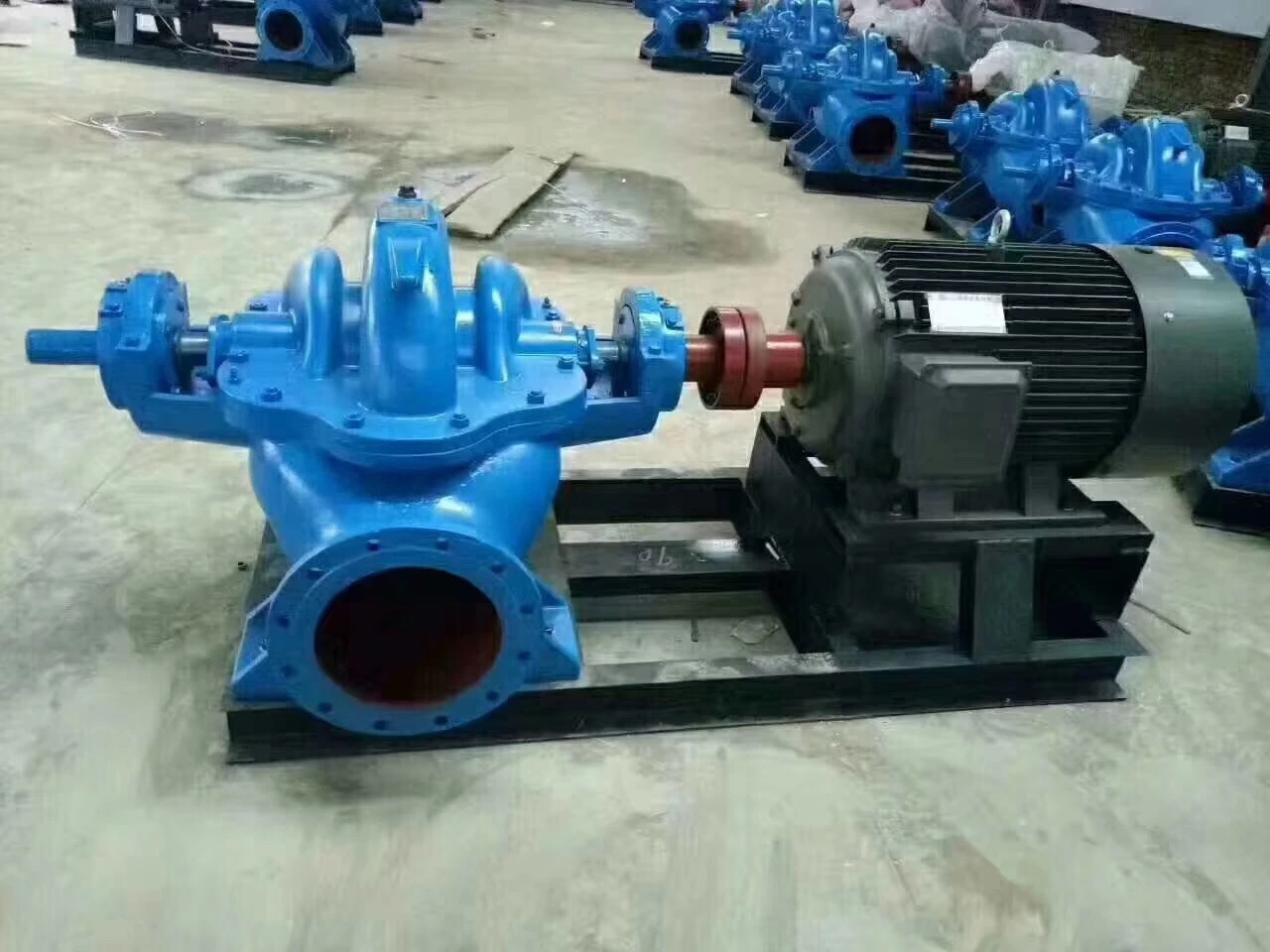
The core materials utilized in China Warman horizontal slurry pumps are crucial to their performance and durability. Pump casings are commonly constructed from high-chrome cast iron (typically 27% Cr) due to its exceptional abrasion resistance, making it suitable for handling highly abrasive slurries. Impellers can be manufactured from the same material, or, for extremely abrasive services, utilize white iron alloys with a hard martensitic microstructure. Liners, which protect the casing from wear, are available in a variety of materials including rubber (natural or synthetic, selected based on chemical compatibility), polyurethane, and ceramics. Shafts are typically forged from alloy steel, heat-treated for high tensile strength and torsional rigidity. Seals employ elastomers like Viton or EPDM, chosen for compatibility with the transported slurry and operating temperature. Manufacturing processes begin with patternmaking for the castings. Shell molding is prevalent for producing complex shapes with tight tolerances. Welding processes, primarily shielded metal arc welding (SMAW) and submerged arc welding (SAW), are used for joining casing sections and fabricating components. Critical parameters during manufacturing include: casting soundness (avoiding porosity and inclusions), heat treatment control to achieve desired material properties, and dimensional accuracy to ensure proper impeller clearances and seal performance. The quality of the chrome carbide distribution within the high-chrome iron is paramount; inconsistent distribution leads to localized wear and reduced pump life. Quality control involves rigorous non-destructive testing (NDT), including radiographic inspection and ultrasonic testing, to verify material integrity and weld quality.
Performance & Engineering
The performance of a China Warman horizontal slurry pump is fundamentally dictated by fluid dynamics and mechanical design. Force analysis focuses on hydraulic forces exerted by the slurry on the impeller and casing, as well as mechanical stresses arising from shaft loading and bearing reaction forces. Cavitation is a critical concern; insufficient Net Positive Suction Head Available (NPSHA) can lead to vapor bubble formation and subsequent implosion, causing significant erosion damage to the impeller. Pump curves – graphical representations of head vs. flow rate at a given speed – are essential for proper pump selection, ensuring operation within the pump’s optimal efficiency range. Environmental resistance is addressed through material selection and surface coatings. For corrosive slurries, specialized alloys or rubber linings are employed. For applications in harsh climates, pumps may be equipped with protective enclosures and heating/cooling systems. Compliance requirements depend on the specific application and geographic location. For example, pumps used in mining operations must adhere to safety standards set by regulatory bodies like the Mine Safety and Health Administration (MSHA). Pumps handling potable water require certification to NSF/ANSI Standard 61. Functional implementation involves considerations like pump arrangement (horizontal, vertical, submerged), drive type (direct drive, belt drive, geared drive), and seal arrangement (mechanical seal, packing gland). The impeller design, specifically the vane angle and impeller diameter, significantly impacts pump performance and solids handling capability. Proper impeller selection minimizes turbulence and maximizes slurry velocity, preventing solids settling and clogging.
Technical Specifications
| Parameter | Unit | Typical Value (8/6-inch Pump) | Typical Value (10/8-inch Pump) |
|---|---|---|---|
| Flow Rate | m³/hr | 20-100 | 50-200 |
| Head (Maximum) | m | 30-60 | 40-80 |
| Solids Handling Size | mm | 65 | 80 |
| Slurry Concentration (Max) | % by weight | 60 | 65 |
| Power | kW | 15-37 | 30-75 |
| Casing Material | - | HT250 (High Chrome Iron) | HT250 (High Chrome Iron) |
Failure Mode & Maintenance
China Warman horizontal slurry pumps, while robust, are susceptible to several failure modes. Fatigue cracking in the pump casing is common, particularly in areas subjected to high stress concentrations. This is often initiated by corrosion fatigue, where the combined action of cyclic loading and corrosive fluids accelerates crack propagation. Impeller erosion is another frequent issue, especially when handling highly abrasive slurries. Wear patterns typically manifest as leading edge erosion and vane thinning. Seal failures can result from abrasion by solids, chemical attack by the slurry, or improper installation. Bearing failures are often caused by inadequate lubrication, misalignment, or excessive loads. Degradation of rubber or polyurethane liners occurs due to chemical attack, abrasion, and UV exposure. Oxidation of metallic components can also contribute to corrosion. Preventative maintenance is crucial. This includes regular inspections for wear, proper lubrication of bearings, seal replacement as needed, and periodic coating repair. Vibration analysis can detect bearing wear and misalignment. Ultrasonic testing can identify casing cracks before they lead to catastrophic failure. Correct impeller selection and speed control can minimize erosion. Choosing chemically resistant liner materials is essential for long-term reliability. Detailed records of maintenance activities and performance data are vital for tracking pump health and predicting future failures.
Industry FAQ
Q: What is the optimal pump speed for maximizing impeller life when handling a highly abrasive slurry?
A: Reducing pump speed generally extends impeller life when dealing with abrasive slurries. Lower speeds result in reduced impact energy and slower erosion rates. However, there’s a trade-off: lower speeds can also reduce flow rate and potentially lead to solids settling. A careful analysis of the slurry characteristics, pump curve, and system requirements is necessary to determine the optimal speed. Variable Frequency Drives (VFDs) are often used to precisely control pump speed.
Q: How do I determine the appropriate liner material for a slurry containing a specific chemical?
A: Chemical compatibility charts should be consulted to identify liner materials that are resistant to the chemicals present in the slurry. Rubber liners (natural, EPDM, Viton) offer good resistance to a wide range of chemicals, but certain chemicals can cause swelling or degradation. Polyurethane liners provide superior abrasion resistance but may have limited chemical resistance. Ceramic liners are highly resistant to both abrasion and chemical attack but are more brittle and expensive.
Q: What are the common causes of premature mechanical seal failure in slurry applications?
A: Common causes include abrasive particles causing wear on the seal faces, chemical attack degrading the seal elastomers, improper installation leading to misalignment or excessive pressure, and insufficient lubrication. Regularly flushing the seal chamber with a clean fluid can help remove abrasive particles and provide lubrication. Correct seal selection based on slurry composition and operating conditions is also critical.
Q: How does the impeller design affect the pump's ability to handle solids?
A: Impeller design significantly impacts solids handling capability. Open impellers with large passage areas are better suited for handling large solids, while closed impellers are more efficient for handling smaller solids. Vane angle and impeller diameter also play a role. A larger vane angle reduces the risk of clogging, while a larger impeller diameter generates higher head. Recessed impellers are often used in applications with high solids content to minimize wear and clogging.
Q: What are the key considerations for selecting a pump casing material for a highly corrosive slurry?
A: The key consideration is the chemical resistance of the material. High-chrome iron, while excellent for abrasion resistance, is often not suitable for highly corrosive environments. Stainless steels (e.g., 316 stainless steel) offer good corrosion resistance, but can be susceptible to pitting corrosion in certain environments. Duplex stainless steels provide enhanced corrosion resistance. For extremely corrosive slurries, specialized alloys like Hastelloy or titanium may be necessary. Polymer linings, such as PTFE or PFA, can also provide excellent chemical resistance.
Conclusion
The China Warman Horizontal Slurry Pump remains a vital workhorse in numerous industries demanding robust and reliable slurry handling solutions. Its performance is inextricably linked to careful material selection, precise manufacturing control, and a deep understanding of the slurry characteristics. Selecting the appropriate pump based on flow rate, head, solids content, and chemical composition is paramount for achieving optimal operational efficiency and minimizing downtime.
Looking ahead, advancements in materials science and pump design will continue to refine the performance of these critical components. The integration of predictive maintenance techniques, leveraging sensor data and machine learning algorithms, will further enhance reliability and reduce life-cycle costs. Continued focus on corrosion resistance and wear mitigation will be essential to address the challenges posed by increasingly abrasive and corrosive slurries.
-
Precision at the Pump: How Better Machining Protects Flow and Uptime
News2026-11-20
-
Why Pump Reliability Begins Before the First Drop of Fluid
News2026-11-20
-
Beyond the Pump: Designing Safer Access Around Critical Water Infrastructure
News2026-11-20
-
Why Pumping Stations Depend on the Infrastructure Beneath the Pumps
News2026-11-20
-
Beyond the Pump Room: How Smarter Loading Protects Industrial Equipment
News2026-11-19
-
When Pumps Stop: Designing More Resilient Power for Critical Pumping Systems
News2026-11-19
-
The Hidden Role of Dust and Gas Monitoring in Reliable Pump Operations
News2026-11-19
-
The Hidden Role of Mineral Compounds in Extending Industrial Pump Lifespan
News2026-10-12
-
Why Pump System Reliability Depends on Precision Hose Assembly Methods
News2026-09-15
-
How Advanced Imaging Films Are Transforming Pump Component Quality Control
News2026-08-25
-
How Advanced Filtration Protects Pump Systems from Premature Wear and Costly Downtime
News2026-08-25
-
How Steel Material Selection Drives Pump Reliability in Heavy-Duty Systems
News2026-08-25
-
Ensuring Pump System Efficiency: The Role of High-Quality Pipe Fittings and Tubing
News2026-08-24
-
Optimizing Fluid Dynamics and Material Consistency in Industrial Processing
News2026-08-18
-
Innovations and Challenges in Hydraulic Systems for Heavy Machinery
News2026-08-13




