English
- Afrikaans
- Albanian
- Amharic
- Arabic
- Armenian
- Azerbaijani
- Basque
- Belarusian
- Bengali
- Bosnian
- Bulgarian
- Catalan
- Cebuano
- Corsican
- Croatian
- Czech
- Danish
- Dutch
- English
- Esperanto
- Estonian
- Finnish
- French
- Frisian
- Galician
- Georgian
- German
- Greek
- Gujarati
- Haitian Creole
- hausa
- hawaiian
- Hebrew
- Hindi
- Miao
- Hungarian
- Icelandic
- igbo
- Indonesian
- irish
- Italian
- Japanese
- Javanese
- Kannada
- kazakh
- Khmer
- Rwandese
- Korean
- Kurdish
- Kyrgyz
- Lao
- Latin
- Latvian
- Lithuanian
- Luxembourgish
- Macedonian
- Malgashi
- Malay
- Malayalam
- Maltese
- Maori
- Marathi
- Mongolian
- Myanmar
- Nepali
- Norwegian
- Norwegian
- Occitan
- Pashto
- Persian
- Polish
- Portuguese
- Punjabi
- Romanian
- Russian
- Samoan
- Scottish Gaelic
- Serbian
- Sesotho
- Shona
- Sindhi
- Sinhala
- Slovak
- Slovenian
- Somali
- Spanish
- Sundanese
- Swahili
- Swedish
- Tagalog
- Tajik
- Tamil
- Tatar
- Telugu
- Thai
- Turkish
- Turkmen
- Ukrainian
- Urdu
- Uighur
- Uzbek
- Vietnamese
- Welsh
- Bantu
- Yiddish
- Yoruba
- Zulu

Telephone: +86 13120555503
Email: frank@cypump.com


Apr . 01, 2024 17:55 Back to list
china vertical slurry sump pump Performance Analysis
Introduction
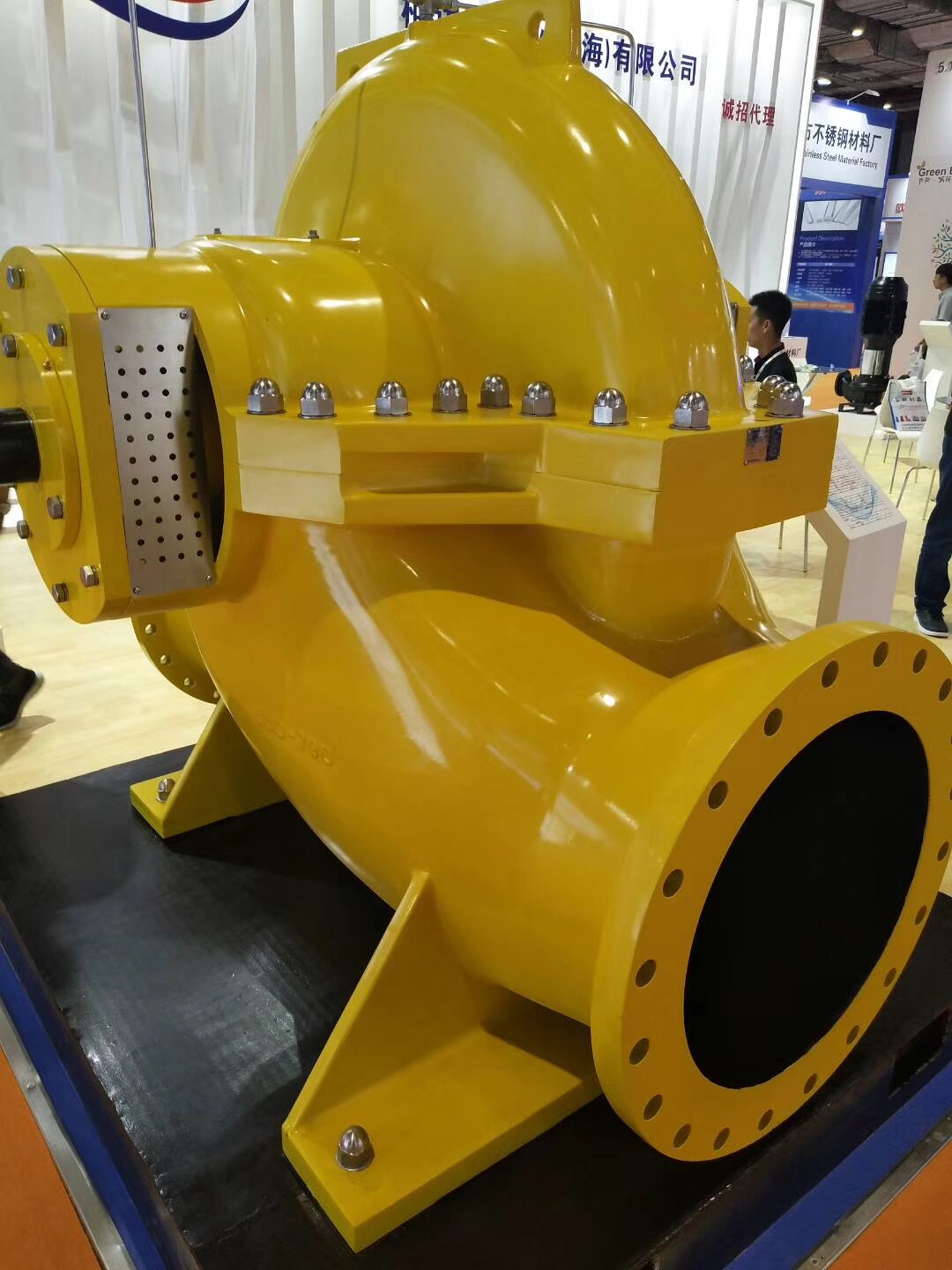
Vertical slurry sump pumps are centrifugal pumps specifically designed for submerged operation in sumps and pits containing abrasive or corrosive slurries. These pumps represent a critical component in numerous industrial processes, including mining, wastewater treatment, chemical processing, and aggregate handling. Unlike conventional pumps requiring priming, vertical slurry sump pumps are self-priming due to their submerged installation. Their design minimizes suction lift, maximizing efficiency and reducing the risk of cavitation. China's manufacturing sector has become a dominant force in the production of these pumps, offering a wide range of capacities, materials, and configurations to meet diverse application demands. The key performance characteristics—flow rate, head, and solids handling capability—are directly influenced by impeller design, pump casing geometry, and motor power. Addressing the core industry pain point of abrasive wear and maintaining consistent performance over extended operational periods are primary considerations in both pump design and material selection. This guide provides a detailed technical overview of china vertical slurry sump pumps, encompassing material science, manufacturing processes, performance engineering, failure modes, and relevant industry standards.
Material Science & Manufacturing
The performance and longevity of a vertical slurry sump pump are intrinsically linked to the materials used in its construction. Pump casings are commonly manufactured from high-chrome cast iron (typically 27% Cr), offering exceptional resistance to abrasive wear. Alternatively, for highly corrosive environments, materials like stainless steel (304, 316, and duplex grades) and specialized alloys (Hastelloy, Alloy 20) are employed, although these increase production costs. Impellers are a critical wear component, often constructed from the same materials as the casing, but with additional hardening treatments. Elastomeric liners (rubber, polyurethane) are frequently used to protect the casing from impact and abrasion, particularly in applications with large solids. Shaft materials are typically high-strength alloy steels, heat-treated for increased durability. Manufacturing processes vary depending on component complexity. Casings are often produced via sand casting, followed by machining and surface hardening. Impellers utilize investment casting for intricate designs, ensuring dimensional accuracy and smooth flow paths. Shafts are machined from bar stock. Key parameter control during manufacturing includes: precise impeller balancing to minimize vibration; proper heat treatment to achieve desired hardness and toughness; and accurate machining to maintain tight tolerances between rotating and stationary components. The welding processes used, particularly for joining casing sections, must adhere to stringent quality control standards (e.g., AWS D1.1) to prevent defects and ensure structural integrity. Selection of appropriate sealing materials (mechanical seals, packing) based on slurry composition and operating temperature is crucial to prevent leakage and maintain pump efficiency.
Performance & Engineering
The performance of a vertical slurry sump pump is governed by fundamental hydraulic principles. The pump's head (the height to which it can lift the slurry) is directly proportional to the impeller diameter and the square of the impeller's rotational speed. Flow rate is related to impeller diameter, speed, and the specific speed of the pump. Force analysis is critical in designing the pump's structural components, accounting for hydrostatic pressure, slurry weight, and dynamic forces generated by impeller rotation. Environmental resistance is a significant consideration, particularly in outdoor installations. Pump motors must be properly sealed and protected from the elements (rain, snow, dust). Corrosion resistance of all wetted parts is paramount, especially when handling acidic or alkaline slurries. Compliance requirements vary depending on the application and region. Pumps used in wastewater treatment, for example, must meet stringent environmental regulations regarding leakage and discharge. Functional implementation details include the pump’s power source (typically electric, with variable frequency drives (VFDs) increasingly used for flow control), control systems (level sensors, pressure switches), and the type of discharge piping (rigid or flexible). Addressing the industry pain point of pump cavitation requires careful selection of the net positive suction head required (NPSHr) and ensuring that the available NPSH (NPSHa) exceeds the NPSHr. Proper impeller design and casing geometry are essential to minimize turbulence and maximize hydraulic efficiency, reducing energy consumption and extending pump life. Finite element analysis (FEA) is often employed to optimize pump designs and predict stress concentrations.
Technical Specifications
| Parameter | Unit | Typical Range (China-Made Pumps) | Notes |
|---|---|---|---|
| Flow Rate | m³/h | 10 - 1000 | Dependent on impeller diameter and speed |
| Head | m | 5 - 80 | Related to flow rate and pump specific speed |
| Motor Power | kW | 0.75 - 315 | Varies with flow rate, head, and slurry density |
| Solids Handling Size | mm | 10 - 200 | Impeller design dictates maximum particle size |
| Slurry Density | kg/m³ | 1000 - 1800 | Affects pump performance and power consumption |
| Casing Material | - | High-Chrome Cast Iron, Stainless Steel (304/316) | Selection based on slurry corrosivity and abrasiveness |
Failure Mode & Maintenance
Vertical slurry sump pumps are susceptible to several failure modes. Abrasive wear is the most common, particularly affecting the impeller and casing. This leads to reduced pump efficiency and ultimately, component failure. Cavitation, caused by insufficient NPSHa, can erode impeller vanes and casing surfaces. Corrosion, especially in aggressive chemical environments, weakens pump materials, leading to leakage and structural failure. Mechanical seal failure is another frequent issue, often stemming from abrasive particles or improper installation. Fatigue cracking can occur in shafts and casings due to cyclic loading. Delamination of elastomeric liners can expose the underlying metal to abrasive wear. Oxidation of metallic components can reduce their strength and corrosion resistance. Preventive maintenance is crucial to extend pump life. Regular inspection of impeller and casing for wear is essential. Monitoring bearing temperatures and vibration levels can detect potential failures early on. Periodic replacement of mechanical seals and elastomeric liners is recommended. Lubrication of bearings must be performed according to manufacturer specifications. Slurry analysis can help identify abrasive particles and corrosive agents, enabling proactive material selection and operational adjustments. Proper pump alignment is critical to minimize vibration and bearing wear. For significant repairs, consider impeller reconditioning or casing relining as cost-effective alternatives to full replacement. Establish a detailed maintenance log to track repair history and identify recurring issues.
Industry FAQ
Q: What is the typical lifespan of a high-chrome cast iron impeller in a slurry sump pump handling 80% solids by weight?
A: The lifespan of a high-chrome cast iron impeller under those conditions is highly variable, but typically ranges from 6 to 18 months. The actual lifespan depends on the abrasiveness of the solids, slurry velocity, impeller design, and operating hours. Regular inspection and monitoring of pump performance are crucial to predict impeller wear and schedule timely replacements.
Q: How do you determine the required NPSH for a specific slurry application?
A: NPSH required (NPSHr) is typically provided by the pump manufacturer based on pump geometry and operating speed. NPSH available (NPSHa) is calculated considering the static head, vapor pressure of the slurry, and friction losses in the suction piping. NPSHa must always exceed NPSHr by a suitable margin (typically 0.5-1.0m) to prevent cavitation.
Q: What are the advantages and disadvantages of using a variable frequency drive (VFD) with a vertical slurry sump pump?
A: VFDs offer significant advantages in terms of energy savings and process control. They allow for adjusting pump speed to match flow demand, reducing energy consumption. However, VFDs can introduce harmonic distortion into the power grid and may require additional filtering equipment. They also increase initial cost and complexity.
Q: What types of mechanical seals are best suited for abrasive slurries?
A: Double mechanical seals with a barrier fluid are generally preferred for abrasive slurries. The barrier fluid lubricates the seal faces, preventing abrasive particles from damaging them. Silicon carbide seal faces are often used for their superior wear resistance. Tungsten carbide faces are also viable but less resistant to abrasion.
Q: What is the significance of the pump’s specific speed, and how does it relate to pump selection?
A: Pump specific speed is a dimensionless parameter that characterizes the pump’s impeller geometry and performance characteristics. Low specific speed pumps are suitable for high-head, low-flow applications, while high specific speed pumps are best for low-head, high-flow applications. Selecting a pump with the appropriate specific speed ensures optimal efficiency and performance for the specific slurry application.
Conclusion
China vertical slurry sump pumps represent a robust and cost-effective solution for handling abrasive and corrosive slurries across a diverse range of industrial applications. The pump’s performance is critically dependent on material selection, manufacturing quality, and adherence to sound engineering principles. Addressing the core industry challenges of abrasive wear, cavitation, and corrosion requires careful consideration of operating conditions, slurry characteristics, and preventative maintenance strategies.
Continued advancements in materials science, impeller design, and control systems are driving improvements in pump efficiency, reliability, and longevity. The increasing adoption of VFDs and predictive maintenance technologies will further optimize pump performance and reduce operational costs. Selecting the appropriate pump for a specific application requires a thorough understanding of hydraulic principles, material properties, and industry best practices.
-
Precision at the Pump: How Better Machining Protects Flow and Uptime
News2026-11-20
-
Why Pump Reliability Begins Before the First Drop of Fluid
News2026-11-20
-
Beyond the Pump: Designing Safer Access Around Critical Water Infrastructure
News2026-11-20
-
Why Pumping Stations Depend on the Infrastructure Beneath the Pumps
News2026-11-20
-
Beyond the Pump Room: How Smarter Loading Protects Industrial Equipment
News2026-11-19
-
When Pumps Stop: Designing More Resilient Power for Critical Pumping Systems
News2026-11-19
-
The Hidden Role of Dust and Gas Monitoring in Reliable Pump Operations
News2026-11-19
-
The Hidden Role of Mineral Compounds in Extending Industrial Pump Lifespan
News2026-10-12
-
Why Pump System Reliability Depends on Precision Hose Assembly Methods
News2026-09-15
-
How Advanced Imaging Films Are Transforming Pump Component Quality Control
News2026-08-25
-
How Advanced Filtration Protects Pump Systems from Premature Wear and Costly Downtime
News2026-08-25
-
How Steel Material Selection Drives Pump Reliability in Heavy-Duty Systems
News2026-08-25
-
Ensuring Pump System Efficiency: The Role of High-Quality Pipe Fittings and Tubing
News2026-08-24
-
Optimizing Fluid Dynamics and Material Consistency in Industrial Processing
News2026-08-18
-
Innovations and Challenges in Hydraulic Systems for Heavy Machinery
News2026-08-13




