English
- Afrikaans
- Albanian
- Amharic
- Arabic
- Armenian
- Azerbaijani
- Basque
- Belarusian
- Bengali
- Bosnian
- Bulgarian
- Catalan
- Cebuano
- Corsican
- Croatian
- Czech
- Danish
- Dutch
- English
- Esperanto
- Estonian
- Finnish
- French
- Frisian
- Galician
- Georgian
- German
- Greek
- Gujarati
- Haitian Creole
- hausa
- hawaiian
- Hebrew
- Hindi
- Miao
- Hungarian
- Icelandic
- igbo
- Indonesian
- irish
- Italian
- Japanese
- Javanese
- Kannada
- kazakh
- Khmer
- Rwandese
- Korean
- Kurdish
- Kyrgyz
- Lao
- Latin
- Latvian
- Lithuanian
- Luxembourgish
- Macedonian
- Malgashi
- Malay
- Malayalam
- Maltese
- Maori
- Marathi
- Mongolian
- Myanmar
- Nepali
- Norwegian
- Norwegian
- Occitan
- Pashto
- Persian
- Polish
- Portuguese
- Punjabi
- Romanian
- Russian
- Samoan
- Scottish Gaelic
- Serbian
- Sesotho
- Shona
- Sindhi
- Sinhala
- Slovak
- Slovenian
- Somali
- Spanish
- Sundanese
- Swahili
- Swedish
- Tagalog
- Tajik
- Tamil
- Tatar
- Telugu
- Thai
- Turkish
- Turkmen
- Ukrainian
- Urdu
- Uighur
- Uzbek
- Vietnamese
- Welsh
- Bantu
- Yiddish
- Yoruba
- Zulu

Telephone: +86 13120555503
Email: frank@cypump.com


Apr . 01, 2024 17:55 Back to list
china vertical slurry pump Material Science Manufacturing
Introduction
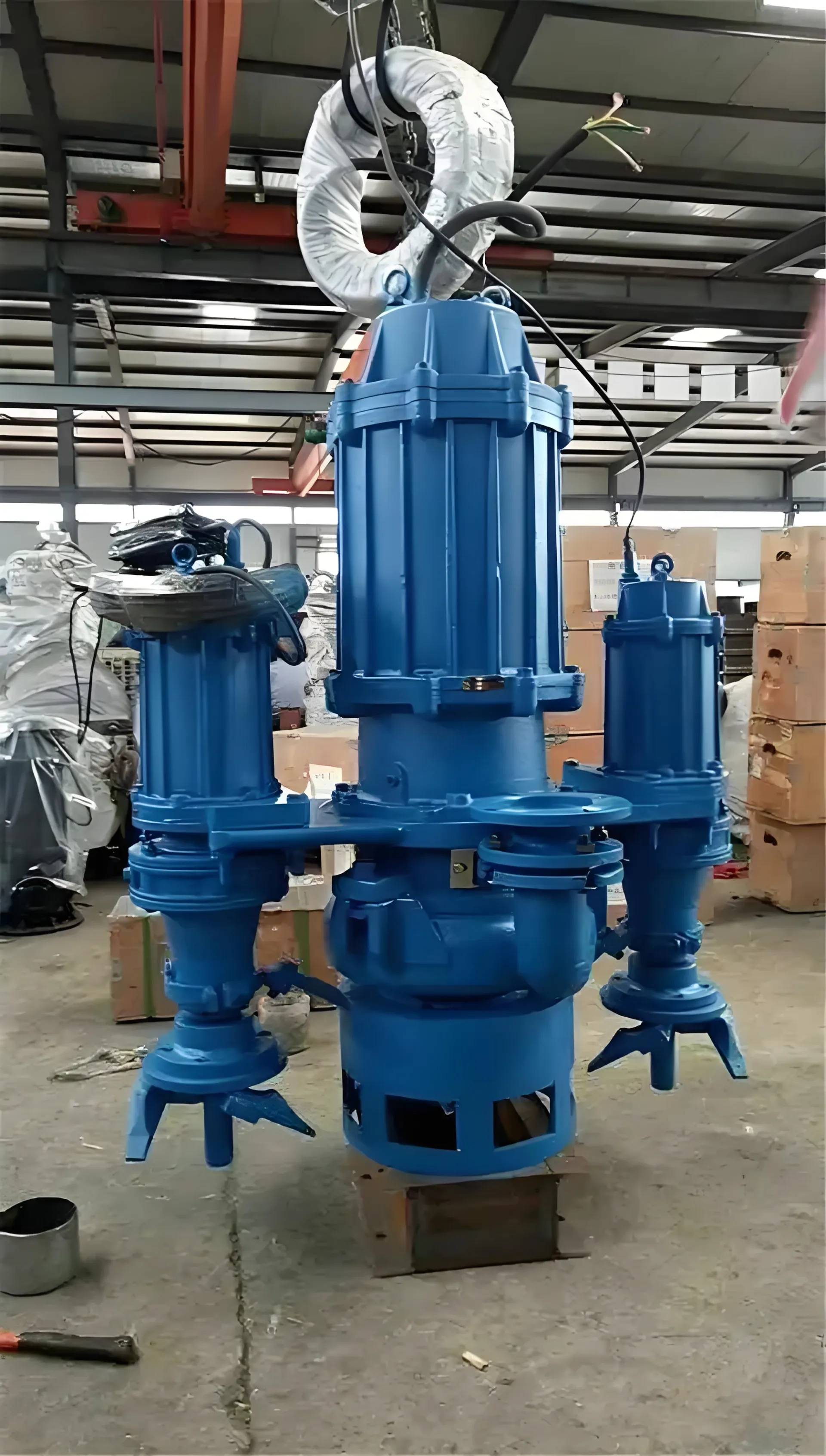
China vertical slurry pumps are centrifugal pumps specifically designed for the handling of abrasive, erosive, and corrosive slurries. They represent a crucial component in numerous industrial processes including mining, wastewater treatment, chemical processing, and dredging. These pumps differ from standard centrifugal pumps by incorporating features that enhance wear resistance and maintain efficiency when handling high-solids content fluids. Their vertical configuration offers advantages in space utilization and ease of maintenance, particularly in sump applications. The industry is driven by demands for increased operational uptime, reduced maintenance costs, and improved energy efficiency, leading to continuous innovation in materials, hydraulic design, and sealing technologies. A key pain point is balancing pump longevity with initial cost, especially in highly abrasive environments where component replacement is frequent. Another challenge lies in adapting pump performance to varying slurry characteristics – density, particle size distribution, and chemical composition – without sacrificing reliability.
Material Science & Manufacturing
The construction of a china vertical slurry pump relies heavily on material selection to withstand the aggressive nature of transported slurries. Pump casings are frequently manufactured from high-chrome cast iron (typically 26-28% Cr), offering exceptional abrasion resistance. Impellers are often constructed from similar high-chrome alloys, or alternatively, white iron alloys for extreme abrasion applications. Shafts are commonly made from alloy steels such as 4140 or 4340, subjected to heat treatment to achieve high tensile strength and fatigue resistance. Sealing components utilize materials like tungsten carbide, silicon carbide, or ceramic to resist wear and corrosion. The manufacturing process typically begins with sand casting for the casing and impeller. These castings undergo rigorous quality control including non-destructive testing (NDT) such as radiographic inspection and ultrasonic testing to detect internal flaws. Machining operations, including milling, turning, and grinding, are critical to achieving precise dimensional accuracy and surface finish. Welding processes, often employing submerged arc welding (SAW) or shielded metal arc welding (SMAW), are used for joining components. Parameter control during welding is paramount to prevent distortion and maintain material integrity. Heat treatment processes like normalizing and tempering are applied to optimize the mechanical properties of the cast and forged components. Furthermore, rubber lining, commonly using natural rubber or synthetic elastomers like EPDM, is frequently applied to the casing interior to provide additional protection against corrosion and erosion.
Performance & Engineering
The performance of a china vertical slurry pump is fundamentally governed by the principles of centrifugal pump hydraulics. The pump’s head (pressure rise) and flow rate are influenced by impeller diameter, rotational speed, and the internal geometry of the volute casing. Force analysis focuses on the hydraulic forces exerted by the slurry on the impeller and casing, as well as the mechanical stresses induced by centrifugal forces and pressure differentials. Cavitation is a significant concern, particularly when handling low-NPSH available (Net Positive Suction Head) slurries. Pump design incorporates measures to minimize cavitation risk, such as optimized impeller inlet geometry and adequate suction pipe sizing. Environmental resistance is a critical factor. Pumps operating in corrosive environments require careful material selection and potentially protective coatings. Thermal considerations are also important, particularly for pumps handling high-temperature slurries. Compliance requirements vary by region but typically include adherence to standards related to pump efficiency, safety, and emissions. For example, the pump must meet safety standards regarding rotating equipment. Hydraulic Institute standards (HI) provide guidelines for pump performance testing and reporting. The pump’s functional implementation requires consideration of the entire system – suction and discharge piping, valves, and control systems – to ensure optimal performance and prevent operational issues like pipe blockage or excessive vibration.
Technical Specifications
| Parameter | Unit | Typical Range (Small Pump) | Typical Range (Large Pump) |
|---|---|---|---|
| Flow Rate | m³/h | 5 – 50 | 200 – 1000 |
| Head | m | 10 – 30 | 50 – 150 |
| Power | kW | 1.5 – 7.5 | 30 – 200 |
| Slurry Concentration (Max) | % by weight | Up to 30 | Up to 60 |
| Particle Size (Max) | mm | Up to 25 | Up to 75 |
| Casing Material | - | High Chrome Iron (A532 Grade 1 Class 30) | High Chrome Iron or Stainless Steel (316) |
Failure Mode & Maintenance
China vertical slurry pumps are susceptible to several failure modes in practical applications. Fatigue cracking in the impeller, particularly near the vanes, is a common issue caused by cyclical loading and stress concentration. Erosion of the casing and impeller, especially in areas with high slurry velocity, leads to dimensional loss and reduced pump efficiency. Corrosion, particularly in acidic or alkaline slurries, degrades the material integrity of pump components. Shaft misalignment, often resulting from improper installation or bearing wear, induces excessive vibration and premature seal failure. Seal failures, whether mechanical seals or packing glands, are frequent, leading to leakage and potential motor damage. Delamination of rubber linings can occur due to adhesion failure or excessive wear. Oxidation of metal components, particularly in high-temperature environments, reduces material strength. Preventative maintenance includes regular visual inspections for wear and corrosion, vibration analysis to detect bearing issues, and periodic replacement of wear parts like liners, impellers, and seals. Lubrication of bearings is critical, and oil analysis can help identify early signs of contamination or degradation. Proper alignment of the pump and motor is essential. For rubber-lined pumps, inspection of the lining for delamination or wear is crucial. In case of failure, root cause analysis (RCA) should be performed to identify the underlying cause and prevent recurrence. Failure analysis techniques include metallography, fracture surface analysis, and chemical composition analysis.
Industry FAQ
Q: What are the key differences between a vertical and horizontal slurry pump, and when would you choose one over the other?
A: Vertical slurry pumps offer advantages in space saving, particularly in sump applications where the pump needs to be submerged. They also simplify maintenance as the impeller and wear parts are accessible without disconnecting piping. Horizontal pumps typically handle larger solids and higher flow rates, and are easier to maintain in some respects due to simpler bearing arrangements. Choose vertical pumps when space is limited and the slurry source is below the pump. Choose horizontal pumps for high-volume, high-solids applications where ease of impeller removal isn't a primary concern.
Q: How does the impeller design impact the pump’s performance when handling highly abrasive slurries?
A: Impeller design is critical. Closed impellers are more efficient but prone to clogging with large solids. Open or semi-open impellers are better suited for abrasive slurries as they allow solids to pass through, reducing wear and clogging. Impeller metallurgy (high-chrome or white iron) is equally important. Impeller vane angle and width also influence performance; a larger vane angle provides higher head but can increase wear. A smaller angle reduces wear but lowers head.
Q: What sealing options are available for vertical slurry pumps, and how do you select the appropriate one?
A: Common sealing options include mechanical seals, packing glands, and dynamic seals. Mechanical seals offer the best sealing performance but are more expensive and sensitive to solids. Packing glands are simpler and more tolerant of solids but require more maintenance and may leak. Dynamic seals are used for very large pumps and offer good reliability. Selection depends on the slurry's abrasiveness, corrosiveness, and pressure. For abrasive slurries, a robust mechanical seal with tungsten carbide or silicon carbide faces is recommended. For less demanding applications, a packing gland may suffice.
Q: What are the common causes of premature bearing failure in vertical slurry pumps?
A: Premature bearing failure is often caused by misalignment between the pump and motor, improper lubrication, contamination of the lubricant, or excessive radial load from the impeller. Vibration from cavitation or solids buildup can also damage bearings. Regular vibration analysis and oil analysis are crucial for detecting these issues early. Correct installation and periodic bearing inspections are vital preventative measures.
Q: What are the considerations when selecting a pump material for a specific slurry with a known chemical composition?
A: Material selection must consider the slurry’s pH, chemical constituents, and operating temperature. Acidic slurries require corrosion-resistant materials like stainless steel (316, 304) or specialized alloys. Alkaline slurries can attack certain materials; high-chrome iron or rubber linings are often suitable. The slurry’s abrasive content also influences material choice. Consult material compatibility charts and consider conducting laboratory tests to verify material suitability before final selection.
Conclusion
China vertical slurry pumps are engineered solutions to the challenges of handling abrasive and corrosive fluids in demanding industrial environments. Successful application relies on a thorough understanding of slurry characteristics, careful material selection, and diligent maintenance practices. Advancements in material science, hydraulic design, and sealing technologies continue to improve pump performance, longevity, and reliability.
Looking ahead, the trend towards digitalization and predictive maintenance will play an increasingly important role in optimizing slurry pump operations. Real-time monitoring of pump parameters, coupled with data analytics, will enable proactive identification of potential failures and minimize downtime. Continued innovation in wear-resistant materials and energy-efficient designs will further enhance the value proposition of these critical industrial components.
-
Effluent vs Sump Pump Performance Analysis
News2026-05-22
-
effluent septic pump Performance Engineering
News2026-05-22
-
best sewer pumps Performance Engineering
News2026-05-22
-
best sewer pump Performance Analysis
News2026-05-22
-
best sewage pumps Performance Engineering
News2026-05-22
-
basement bathroom sewage pump Material Science Manufacturing
News2026-05-21
-
wastewater treatment plant pumps Material Science Manufacturing
News2026-05-21
-
waste water pump for basement Material Science Manufacturing
News2026-05-21
-
sump pump sewage Performance Analysis
News2026-05-21
-
sump pump for sewage Material Science and Manufacturing
News2026-05-21
-
sump pump for septic systems Material Science Manufacturing
News2026-05-20
-
sump pump and ejector pump Material Science Manufacturing
News2026-05-20
-
sewage treatment plant pumps Performance Analysis
News2026-05-20
-
sewage tank pump Material Science and Manufacturing
News2026-05-20
-
sewage pump for septic tank Performance Analysis
News2026-05-20




