English
- Afrikaans
- Albanian
- Amharic
- Arabic
- Armenian
- Azerbaijani
- Basque
- Belarusian
- Bengali
- Bosnian
- Bulgarian
- Catalan
- Cebuano
- Corsican
- Croatian
- Czech
- Danish
- Dutch
- English
- Esperanto
- Estonian
- Finnish
- French
- Frisian
- Galician
- Georgian
- German
- Greek
- Gujarati
- Haitian Creole
- hausa
- hawaiian
- Hebrew
- Hindi
- Miao
- Hungarian
- Icelandic
- igbo
- Indonesian
- irish
- Italian
- Japanese
- Javanese
- Kannada
- kazakh
- Khmer
- Rwandese
- Korean
- Kurdish
- Kyrgyz
- Lao
- Latin
- Latvian
- Lithuanian
- Luxembourgish
- Macedonian
- Malgashi
- Malay
- Malayalam
- Maltese
- Maori
- Marathi
- Mongolian
- Myanmar
- Nepali
- Norwegian
- Norwegian
- Occitan
- Pashto
- Persian
- Polish
- Portuguese
- Punjabi
- Romanian
- Russian
- Samoan
- Scottish Gaelic
- Serbian
- Sesotho
- Shona
- Sindhi
- Sinhala
- Slovak
- Slovenian
- Somali
- Spanish
- Sundanese
- Swahili
- Swedish
- Tagalog
- Tajik
- Tamil
- Tatar
- Telugu
- Thai
- Turkish
- Turkmen
- Ukrainian
- Urdu
- Uighur
- Uzbek
- Vietnamese
- Welsh
- Bantu
- Yiddish
- Yoruba
- Zulu

Telephone: +86 13120555503
Email: frank@cypump.com


Apr . 01, 2024 17:55 Back to list
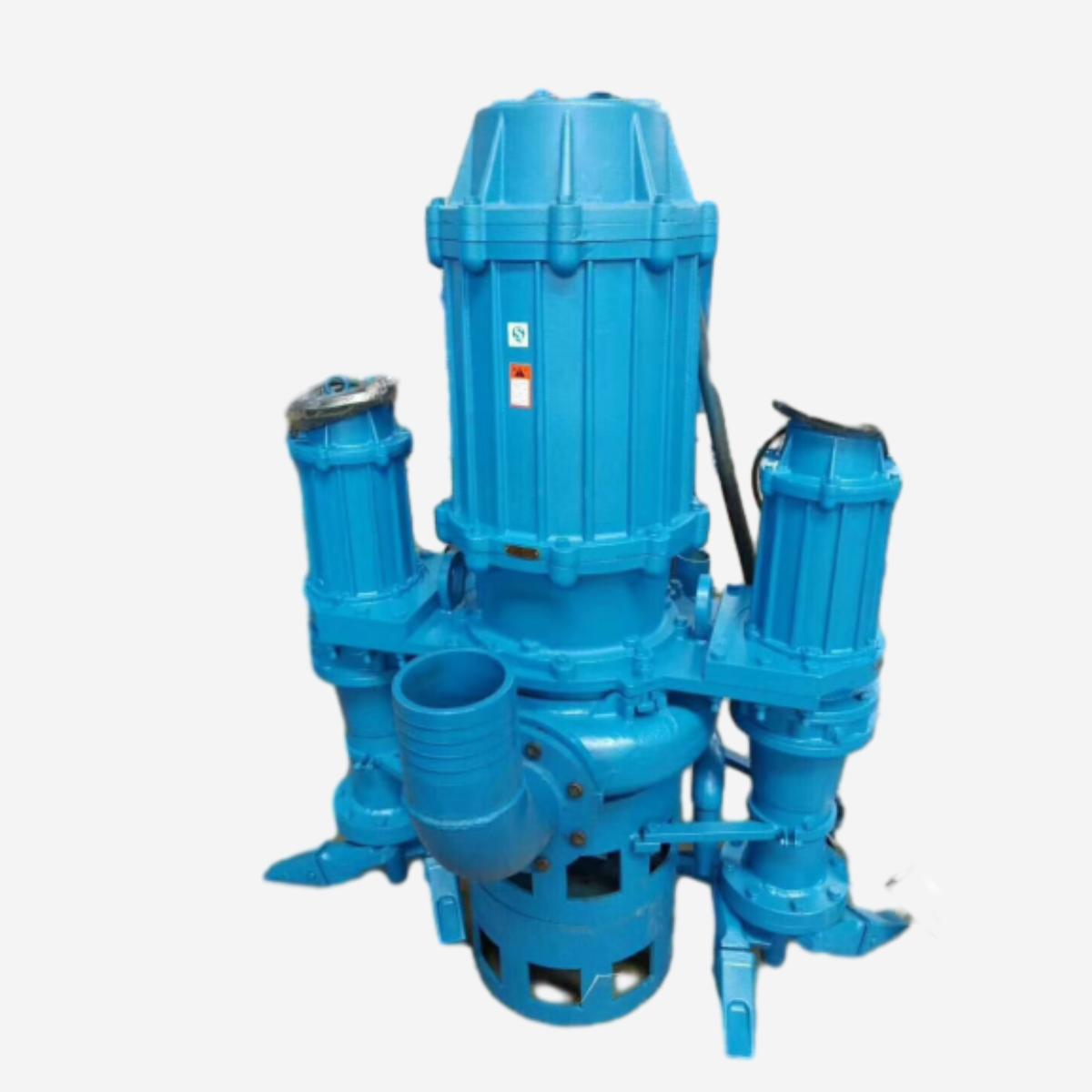
china vertical centrifugal slurry pump Performance Engineering
Introduction
The china vertical centrifugal slurry pump is a heavy-duty pump designed for the efficient and reliable transport of abrasive, corrosive, and high-solids content slurries. Positioned within the mining, wastewater treatment, chemical processing, and dredging industries, these pumps serve as a critical component in material handling systems. Unlike traditional horizontal pumps, the vertical configuration minimizes footprint and eliminates the need for subsurface priming, making them particularly suitable for sumps and confined spaces. Core performance characteristics center around high head, substantial flow rates, and extended operational lifespan in demanding applications, often exceeding the capabilities of standard centrifugal pumps. The primary pain point addressed by these pumps is the reliable and cost-effective handling of challenging slurries that would rapidly degrade or clog conventional pumping equipment. Proper selection necessitates careful consideration of slurry characteristics, flow requirements, and total dynamic head.
Material Science & Manufacturing
The construction of a china vertical centrifugal slurry pump relies heavily on robust material selection to withstand abrasive wear and chemical attack. Casing materials commonly include high-chromium cast iron (typically 27% Cr) offering excellent abrasion resistance, ductile iron for general-purpose applications, and stainless steel (304, 316, or duplex) for highly corrosive environments. Impeller materials mirror casing options, with the addition of specialized alloys like high-white iron for extreme abrasion resistance, though this material sacrifices impact toughness. The shaft is generally constructed from alloy steel, often 4140 or similar, and hardened to resist bending and torsional stress.
Manufacturing processes begin with patternmaking for the casting of the casing and impeller. Castings undergo rigorous quality control, including radiographic inspection for internal flaws. The impeller is typically investment cast for dimensional accuracy and smooth surface finish. Shaft machining involves precise turning, milling, and grinding operations to ensure concentricity and proper bearing fit. Assembly requires careful alignment of the impeller and shaft, utilizing interference fits and locking mechanisms. Critical parameters include impeller balance to minimize vibration, seal gland compression to prevent leakage, and bearing pre-load to ensure smooth operation. Welding, when employed (e.g., for certain casing configurations), adheres to AWS D1.1 standards and is followed by post-weld heat treatment to relieve stresses. Rubber liners are often vulcanized into the casing for added abrasion protection, requiring precise temperature and pressure control during the bonding process.
Performance & Engineering
The performance of a vertical centrifugal slurry pump is dictated by hydraulic design and operational parameters. Force analysis focuses on radial loads imparted by the impeller on the shaft and bearings, as well as axial thrust generated by pressure imbalances. Pump curves (Head vs. Flow Rate and Power vs. Flow Rate) are fundamental to system design and pump selection. These curves are influenced by impeller geometry, casing volute design, and impeller speed. Environmental resistance is paramount, particularly in outdoor installations. Considerations include thermal expansion and contraction of materials, exposure to UV radiation (for non-metallic components), and protection against ingress of dust and moisture (typically IP55 or higher).
Compliance requirements vary by region and application. For example, pumps handling wastewater may need to meet EPA standards for effluent discharge. Pumps used in hazardous locations must comply with ATEX or IECEx directives. Mechanical seals are critical components, requiring selection based on slurry composition and operating pressure. Common seal types include mechanical seals with various face materials (silicon carbide, tungsten carbide, ceramic) and elastomer configurations (Viton, EPDM, PTFE). The Net Positive Suction Head Required (NPSHr) is a crucial parameter to prevent cavitation, which can cause impeller damage and reduce pump efficiency. Proper system piping design and installation are essential to ensure adequate NPSHa (Net Positive Suction Head Available).
Technical Specifications
| Parameter | Unit | Typical Range (Small Pump) | Typical Range (Large Pump) |
|---|---|---|---|
| Flow Rate | m³/h | 5 - 50 | 200 - 1000 |
| Head | m | 10 - 30 | 50 - 150 |
| Solid Handling Size | mm | < 25 | < 75 |
| Power | kW | 1.5 - 7.5 | 30 - 200 |
| Impeller Diameter | mm | 120-200 | 300-600 |
| Casing Material | - | Ductile Iron (65-45-12) | High Chromium Cast Iron (27% Cr) or Stainless Steel (316) |
Failure Mode & Maintenance
Common failure modes in china vertical centrifugal slurry pumps include abrasive wear of the impeller and casing, erosion of the shaft sleeves, mechanical seal failure, bearing failure, and cavitation damage. Abrasive wear is the most prevalent, leading to gradual loss of impeller vane thickness and casing wall reduction. Failure analysis reveals that improper slurry composition (e.g., excessive solids concentration or large particle size) exacerbates wear. Mechanical seal failure can result from abrasive particles entering the seal faces, chemical attack of the seal elastomers, or thermal distortion. Bearing failure often stems from inadequate lubrication, misalignment, or excessive radial loads. Cavitation occurs when the NPSHa is insufficient, leading to vapor bubble collapse and localized erosion.
Preventative maintenance is crucial. Regular inspection of the impeller and casing for wear is essential. Periodic seal flushing ensures proper seal operation. Lubrication schedules must be strictly adhered to, utilizing appropriate greases or oils. Vibration monitoring can detect early signs of bearing degradation or impeller imbalance. Recommended maintenance practices include: impeller and casing replacement based on wear limits, seal replacement at specified intervals, bearing relubrication or replacement, and system piping inspection for blockages or corrosion. Use of wear-resistant liners and coatings can extend component life. Proper slurry pre-treatment (e.g., screening, classification) reduces abrasive particle load. Implementing a robust preventative maintenance program minimizes downtime and extends the operational lifespan of the pump.
Industry FAQ
Q: What is the impact of slurry solids concentration on pump performance and lifespan?
A: Increasing solids concentration significantly impacts pump performance, reducing flow rate and efficiency. Higher concentrations also accelerate abrasive wear on the impeller, casing, and seals, drastically shortening component lifespan. Pump selection must account for the maximum solids concentration expected in the application, and consider pumps specifically designed for high-solids handling.
Q: How do I determine the correct impeller material for a specific slurry?
A: Impeller material selection is crucial. For highly abrasive slurries with low impact, high-chromium cast iron is often suitable. For slurries with both abrasion and impact, high-white iron may be preferred, though it has lower impact toughness. Corrosive slurries require stainless steel or other corrosion-resistant alloys. Consider a materials compatibility chart and conduct pilot testing to validate the selection.
Q: What is the role of the mechanical seal in a slurry pump, and what are common failure causes?
A: The mechanical seal prevents leakage of the pumped slurry. Common failure causes include abrasive wear of the seal faces from solid particles, chemical attack of the seal elastomers, thermal distortion due to operating temperature, and improper installation. Selecting the correct seal face material and elastomer compatibility with the slurry is vital.
Q: How do I troubleshoot cavitation in a slurry pump?
A: Cavitation is indicated by noise, vibration, and reduced pump performance. Troubleshoot by verifying adequate NPSHa. Check suction piping for restrictions or air leaks. Ensure proper impeller submergence. Reduce pump speed if necessary. Address any issues that lower the suction pressure.
Q: What are the key considerations for long-term maintenance planning for these pumps?
A: Long-term maintenance requires a proactive approach. Implement a regular inspection schedule for wear parts. Monitor vibration levels and lubrication conditions. Maintain detailed records of pump performance and maintenance activities. Invest in spare parts inventory. Develop a preventative maintenance program based on operating hours or slurry throughput.
Conclusion
The china vertical centrifugal slurry pump represents a robust and reliable solution for demanding slurry handling applications. Its vertical design, coupled with careful material selection and robust engineering, addresses the core industry pain points of abrasive wear, corrosion, and high solids content. Understanding the nuances of material science, performance characteristics, and potential failure modes is paramount for optimizing pump selection, operation, and maintenance.
Future trends in slurry pump technology will likely focus on advanced materials (e.g., ceramic composites, surface coatings) to further enhance wear resistance, improved hydraulic designs for increased efficiency, and the integration of smart sensors and predictive maintenance capabilities. By embracing these advancements, operators can minimize downtime, reduce lifecycle costs, and ensure the long-term reliability of their slurry pumping systems.
-
Precision at the Pump: How Better Machining Protects Flow and Uptime
News2026-11-20
-
Why Pump Reliability Begins Before the First Drop of Fluid
News2026-11-20
-
Beyond the Pump: Designing Safer Access Around Critical Water Infrastructure
News2026-11-20
-
Why Pumping Stations Depend on the Infrastructure Beneath the Pumps
News2026-11-20
-
Beyond the Pump Room: How Smarter Loading Protects Industrial Equipment
News2026-11-19
-
When Pumps Stop: Designing More Resilient Power for Critical Pumping Systems
News2026-11-19
-
The Hidden Role of Dust and Gas Monitoring in Reliable Pump Operations
News2026-11-19
-
The Hidden Role of Mineral Compounds in Extending Industrial Pump Lifespan
News2026-10-12
-
Why Pump System Reliability Depends on Precision Hose Assembly Methods
News2026-09-15
-
How Advanced Imaging Films Are Transforming Pump Component Quality Control
News2026-08-25
-
How Advanced Filtration Protects Pump Systems from Premature Wear and Costly Downtime
News2026-08-25
-
How Steel Material Selection Drives Pump Reliability in Heavy-Duty Systems
News2026-08-25
-
Ensuring Pump System Efficiency: The Role of High-Quality Pipe Fittings and Tubing
News2026-08-24
-
Optimizing Fluid Dynamics and Material Consistency in Industrial Processing
News2026-08-18
-
Innovations and Challenges in Hydraulic Systems for Heavy Machinery
News2026-08-13




