English
- Afrikaans
- Albanian
- Amharic
- Arabic
- Armenian
- Azerbaijani
- Basque
- Belarusian
- Bengali
- Bosnian
- Bulgarian
- Catalan
- Cebuano
- Corsican
- Croatian
- Czech
- Danish
- Dutch
- English
- Esperanto
- Estonian
- Finnish
- French
- Frisian
- Galician
- Georgian
- German
- Greek
- Gujarati
- Haitian Creole
- hausa
- hawaiian
- Hebrew
- Hindi
- Miao
- Hungarian
- Icelandic
- igbo
- Indonesian
- irish
- Italian
- Japanese
- Javanese
- Kannada
- kazakh
- Khmer
- Rwandese
- Korean
- Kurdish
- Kyrgyz
- Lao
- Latin
- Latvian
- Lithuanian
- Luxembourgish
- Macedonian
- Malgashi
- Malay
- Malayalam
- Maltese
- Maori
- Marathi
- Mongolian
- Myanmar
- Nepali
- Norwegian
- Norwegian
- Occitan
- Pashto
- Persian
- Polish
- Portuguese
- Punjabi
- Romanian
- Russian
- Samoan
- Scottish Gaelic
- Serbian
- Sesotho
- Shona
- Sindhi
- Sinhala
- Slovak
- Slovenian
- Somali
- Spanish
- Sundanese
- Swahili
- Swedish
- Tagalog
- Tajik
- Tamil
- Tatar
- Telugu
- Thai
- Turkish
- Turkmen
- Ukrainian
- Urdu
- Uighur
- Uzbek
- Vietnamese
- Welsh
- Bantu
- Yiddish
- Yoruba
- Zulu

Telephone: +86 13120555503
Email: frank@cypump.com


Apr . 01, 2024 17:55 Back to list
china thick slurry pump Performance Engineering
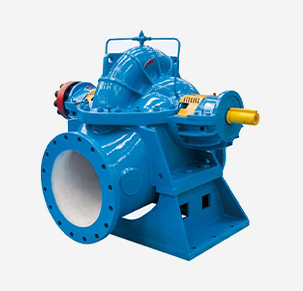
Introduction
China thick slurry pumps are positive displacement pumps designed for the transportation of abrasive, high-solids, and viscous fluids. They occupy a critical position in industries such as mining, dredging, wastewater treatment, and chemical processing. Unlike centrifugal pumps which are limited by fluid viscosity and solids content, thick slurry pumps excel in these challenging conditions, delivering reliable performance where other pump types fail. Core performance characteristics are defined by flow rate, discharge pressure, solids handling capability, and abrasion resistance. The construction materials and internal geometries are engineered to withstand the erosive and corrosive nature of the slurries handled, offering extended operational life and reduced maintenance requirements. A key differentiator within the market is the pump’s ability to maintain efficiency across a wide range of slurry concentrations, reducing energy consumption and minimizing process downtime. The rise of domestically manufactured, high-quality slurry pumps from China addresses a growing global need for cost-effective and durable solutions in heavy-duty fluid handling applications.
Material Science & Manufacturing
The manufacturing of China thick slurry pumps relies heavily on material selection and precision engineering. Pump casings are commonly constructed from high-chrome cast iron (typically 27% Cr) due to its exceptional abrasion resistance, crucial for handling aggressive slurries. Impeller materials also frequently utilize high-chrome iron alloys, though in applications with significant corrosive attack, duplex stainless steels (e.g., 2205, 2507) or rubber linings are employed. Shafts are generally made of alloy steel, heat-treated for increased strength and toughness. The seals are vital and constructed using materials compatible with the slurry’s chemical composition, often employing elastomers like Viton or EPDM, or mechanical seals with silicon carbide or tungsten carbide faces. Manufacturing processes include sand casting for the casing, followed by heat treatment and machining to precise tolerances. Impellers are produced using investment casting for complex geometries and superior surface finish. Welding is employed for certain components, requiring qualified welders adhering to AWS D1.1 standards to ensure structural integrity. Critical parameters controlled during manufacturing include material composition verification through spectroscopic analysis, hardness testing (Brinell or Vickers), dimensional accuracy verified with CMM (Coordinate Measuring Machine), and hydrostatic testing to confirm casing pressure integrity. Rubber lining application requires meticulous surface preparation and vulcanization processes to achieve a bond strength exceeding specified limits.
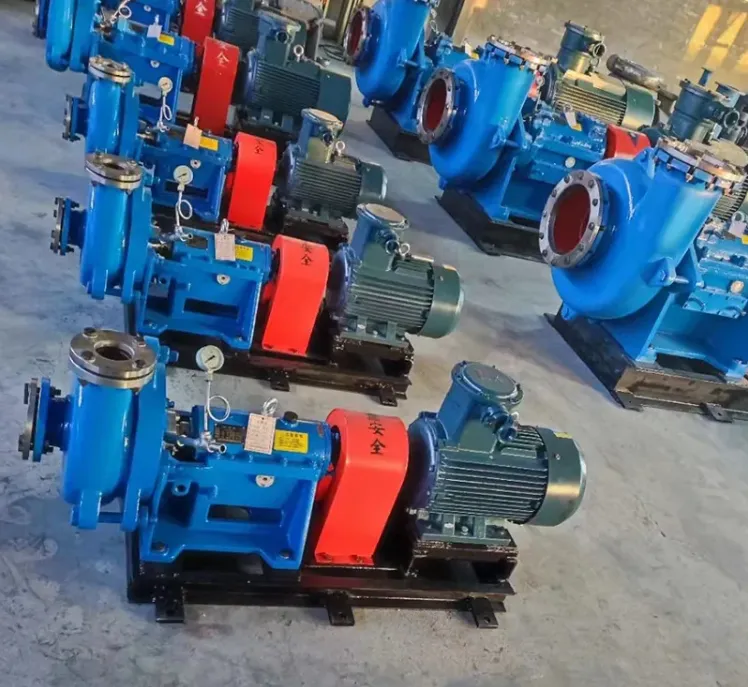
Performance & Engineering
Performance of thick slurry pumps is dictated by a complex interplay of hydraulic forces and material properties. The pump's ability to handle solids hinges on the impeller design, specifically the impeller diameter, vane geometry, and clearance between the impeller and the casing. Force analysis focuses on the impact forces exerted by the solid particles on the impeller and casing, necessitating robust materials and wear protection. Environmental resistance is critical; pumps operating in corrosive environments require careful material selection to mitigate chemical attack. Compliance requirements vary based on the application and geographical location. For instance, pumps used in the oil and gas industry must meet API 674 standards, while those used in potable water applications must comply with NSF/ANSI 61. Functional implementation involves considerations such as pump speed, motor power, and drive system selection. Variable Frequency Drives (VFDs) are often employed to optimize pump performance and energy consumption based on fluctuating flow rate demands. Cavitation is a major concern; proper Net Positive Suction Head Available (NPSHA) calculations and impeller design are essential to prevent cavitation damage, which manifests as pitting and erosion. Furthermore, pump selection must account for slurry rheology – its flow behavior – which is affected by solid concentration, particle size distribution, and fluid viscosity. Thixotropic slurries, which change viscosity under shear, require specific pump designs to maintain consistent performance. Pipeline stress analysis is crucial to minimize the risk of failure related to mechanical stress.
Technical Specifications
| Parameter | Unit | Typical Range (China Thick Slurry Pump) | Notes |
|---|---|---|---|
| Flow Rate | m³/h | 50 - 1200 | Dependent on pump size and impeller diameter |
| Discharge Pressure | bar | 5 - 100 | Influenced by slurry density and viscosity |
| Solids Handling Capability | mm | Up to 150 | Varies with pump design and slurry characteristics |
| Slurry Concentration (Weight %) | % | Up to 70 | Higher concentrations require specialized designs |
| Pump Type | - | Piston, Diaphragm, Rotor/Stator | Selection depends on specific application needs |
| Casing Material | - | High Chrome Cast Iron, Duplex Stainless Steel, Rubber Lined | Based on slurry corrosivity and abrasiveness |
Failure Mode & Maintenance
China thick slurry pumps are subject to various failure modes in practical applications. Fatigue cracking in the pump casing and impeller is a common issue, particularly under cyclic loading conditions. This is often initiated at stress concentration points such as impeller vanes or casing welds. Erosion caused by abrasive particles leads to material loss, affecting pump performance and efficiency. Delamination of rubber linings can occur due to inadequate bonding or exposure to aggressive chemicals. Degradation of elastomers in seals results in leakage and reduced pump efficiency. Oxidation of metallic components, particularly in high-temperature environments, weakens the material structure. To mitigate these failures, a robust maintenance program is essential. Regular inspections should be conducted to identify early signs of wear and tear. Impeller and casing replacement should be performed based on wear rate monitoring. Seal replacement is a routine maintenance task. Lubrication of bearings and other moving parts is critical. Preventive maintenance schedules should be established based on operating hours and slurry characteristics. Vibration analysis can detect bearing failures and misalignment. Proper slurry filtration prior to pumping can reduce abrasive wear. Furthermore, maintaining accurate operating logs and analyzing pump performance data can help identify potential problems before they escalate into major failures. Non-destructive testing (NDT) methods, such as ultrasonic testing and radiographic inspection, can be used to assess component integrity.
Industry FAQ
Q: What is the impact of slurry particle size on pump selection?
A: Larger particle sizes necessitate pumps with wider internal passages and larger impeller clearances. Increasing particle size also accelerates abrasive wear. Pump selection needs to account for the maximum particle size, its distribution, and the overall solids concentration. Using a pump undersized for the particle size will lead to clogging and premature failure.
Q: How does slurry viscosity affect pump performance?
A: Higher viscosity slurries require more power to pump and reduce pump efficiency. They also increase friction losses within the pump. Pump design must incorporate features such as larger impeller clearances and lower pump speeds to handle viscous slurries effectively. Selection of a pump designed for low viscosity fluids will result in a significant performance drop.
Q: What are the advantages of using a diaphragm pump for thick slurries?
A: Diaphragm pumps excel at handling abrasive and corrosive slurries due to their sealless design, which eliminates the risk of leakage and reduces wear. They are also self-priming and can handle dry running without damage. However, they generally offer lower flow rates compared to piston or rotor/stator pumps.
Q: What maintenance practices are crucial for extending pump life?
A: Regular inspection of wear parts (impeller, casing, seals), proper lubrication, and monitoring of vibration levels are paramount. Implementing a preventative maintenance schedule based on operating hours and slurry characteristics is essential. Slurry filtration before pumping can significantly reduce abrasive wear.
Q: How do I determine the appropriate pump material for a specific slurry?
A: The slurry’s chemical composition and abrasiveness dictate material selection. High-chrome cast iron is suitable for abrasive slurries with mild corrosion. Duplex stainless steels are preferred for highly corrosive environments. Rubber linings provide excellent protection against abrasion and corrosion, but their chemical compatibility must be verified. A detailed slurry analysis is crucial for making the right material choice.
Conclusion
China thick slurry pumps represent a critical component in numerous industrial processes, offering robust and reliable solutions for handling challenging fluids. Their performance is fundamentally linked to meticulous material selection, precision manufacturing, and a thorough understanding of slurry characteristics. The evolution of these pumps has focused on improving abrasion resistance, enhancing efficiency, and meeting increasingly stringent environmental regulations. Selecting the appropriate pump type and materials requires careful consideration of the slurry's properties, operating conditions, and relevant industry standards.
Looking ahead, advancements in pump design and materials will likely focus on further reducing energy consumption, extending pump life, and minimizing maintenance requirements. The integration of smart sensors and predictive maintenance technologies will enable proactive monitoring of pump health and optimization of performance. As industries continue to demand more sustainable and efficient solutions, China thick slurry pumps will play an increasingly vital role in optimizing fluid handling processes worldwide.
-
Effluent vs Sump Pump Performance Analysis
News2026-05-22
-
effluent septic pump Performance Engineering
News2026-05-22
-
best sewer pumps Performance Engineering
News2026-05-22
-
best sewer pump Performance Analysis
News2026-05-22
-
best sewage pumps Performance Engineering
News2026-05-22
-
basement bathroom sewage pump Material Science Manufacturing
News2026-05-21
-
wastewater treatment plant pumps Material Science Manufacturing
News2026-05-21
-
waste water pump for basement Material Science Manufacturing
News2026-05-21
-
sump pump sewage Performance Analysis
News2026-05-21
-
sump pump for sewage Material Science and Manufacturing
News2026-05-21
-
sump pump for septic systems Material Science Manufacturing
News2026-05-20
-
sump pump and ejector pump Material Science Manufacturing
News2026-05-20
-
sewage treatment plant pumps Performance Analysis
News2026-05-20
-
sewage tank pump Material Science and Manufacturing
News2026-05-20
-
sewage pump for septic tank Performance Analysis
News2026-05-20




