English
- Afrikaans
- Albanian
- Amharic
- Arabic
- Armenian
- Azerbaijani
- Basque
- Belarusian
- Bengali
- Bosnian
- Bulgarian
- Catalan
- Cebuano
- Corsican
- Croatian
- Czech
- Danish
- Dutch
- English
- Esperanto
- Estonian
- Finnish
- French
- Frisian
- Galician
- Georgian
- German
- Greek
- Gujarati
- Haitian Creole
- hausa
- hawaiian
- Hebrew
- Hindi
- Miao
- Hungarian
- Icelandic
- igbo
- Indonesian
- irish
- Italian
- Japanese
- Javanese
- Kannada
- kazakh
- Khmer
- Rwandese
- Korean
- Kurdish
- Kyrgyz
- Lao
- Latin
- Latvian
- Lithuanian
- Luxembourgish
- Macedonian
- Malgashi
- Malay
- Malayalam
- Maltese
- Maori
- Marathi
- Mongolian
- Myanmar
- Nepali
- Norwegian
- Norwegian
- Occitan
- Pashto
- Persian
- Polish
- Portuguese
- Punjabi
- Romanian
- Russian
- Samoan
- Scottish Gaelic
- Serbian
- Sesotho
- Shona
- Sindhi
- Sinhala
- Slovak
- Slovenian
- Somali
- Spanish
- Sundanese
- Swahili
- Swedish
- Tagalog
- Tajik
- Tamil
- Tatar
- Telugu
- Thai
- Turkish
- Turkmen
- Ukrainian
- Urdu
- Uighur
- Uzbek
- Vietnamese
- Welsh
- Bantu
- Yiddish
- Yoruba
- Zulu

Telephone: +86 13120555503
Email: frank@cypump.com


Apr . 01, 2024 17:55 Back to list
china submersible slurry pump Performance Analysis
Introduction
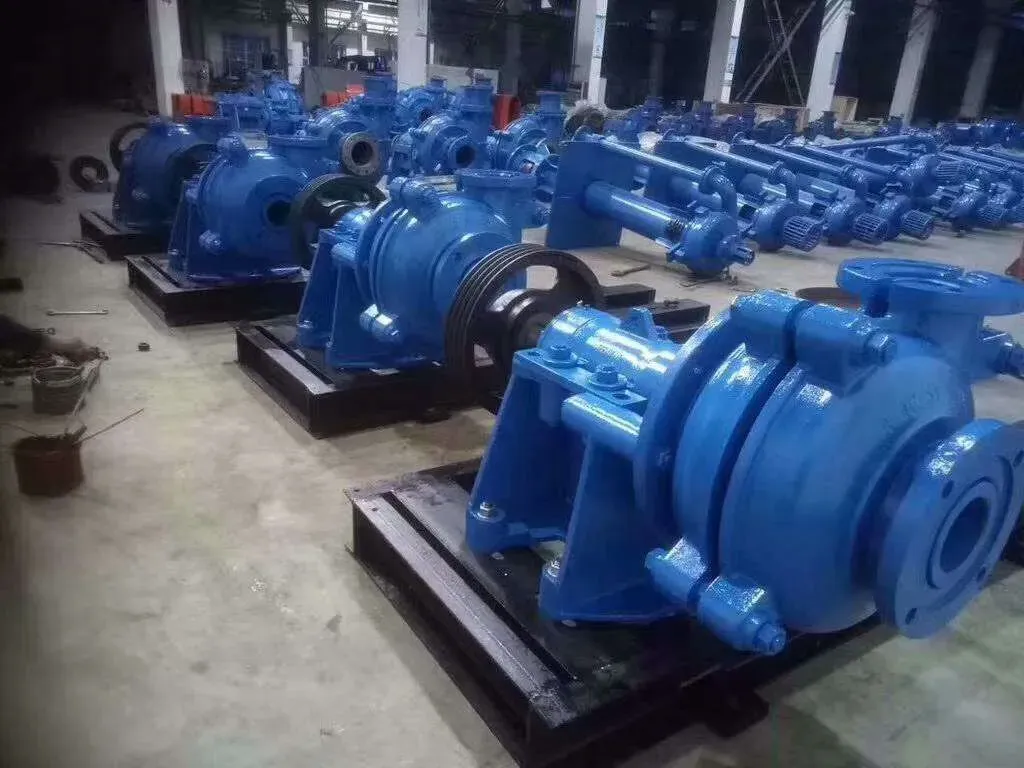
China submersible slurry pumps are electromechanical devices designed for the efficient transport of abrasive, corrosive, and high-solids content slurries. Positioned critically within the mining, wastewater treatment, dredging, and industrial effluent management sectors, these pumps offer a robust alternative to traditional surface pumps, particularly in applications where pump accessibility is limited or the slurry source is submerged. Core performance characteristics are defined by flow rate, head (lift), solids handling capacity, and impeller design. They are increasingly prevalent due to their reduced installation costs, elimination of suction lift issues, and minimized risk of cavitation. A key industry pain point revolves around balancing pump longevity with operational efficiency given the highly abrasive nature of transported media and the demanding duty cycles. The market faces increasing pressure for pumps utilizing wear-resistant materials and optimized hydraulic designs to minimize total cost of ownership.
Material Science & Manufacturing
The construction of a submersible slurry pump necessitates careful material selection due to the aggressive nature of the conveyed fluids. Pump casings are typically manufactured from high-chrome cast iron (approximately 26-28% chromium) or, for more corrosive environments, duplex stainless steels (e.g., 2205, 2507) exhibiting superior resistance to pitting and crevice corrosion. Impellers, the most susceptible component to wear, are often produced from similarly hardened cast iron alloys, ceramic materials like alumina (Al2O3), or rubber composites containing embedded abrasives to maximize abrasion resistance. Shafts utilize alloy steels (4140, 4340) treated with heat hardening and surface coatings (e.g., hard chrome plating) to withstand torsional stresses and corrosion. Seals are critical and commonly employ mechanical seals featuring silicon carbide or tungsten carbide faces paired with elastomers compatible with the slurry’s chemical composition (e.g., Viton, EPDM). Manufacturing processes involve casting for the casing and impeller, precision machining for shafts and impellers, rubber molding for liners, and automated welding techniques for assembly. Key parameter control focuses on maintaining dimensional tolerances within ±0.1mm for impeller profiles to ensure hydraulic efficiency and accurate clearances for seals to prevent leakage. Heat treatment processes, specifically quenching and tempering, are meticulously monitored to achieve desired hardness levels without compromising ductility. Non-destructive testing (NDT), including radiographic inspection and ultrasonic testing, are implemented to detect internal flaws in castings.
Performance & Engineering
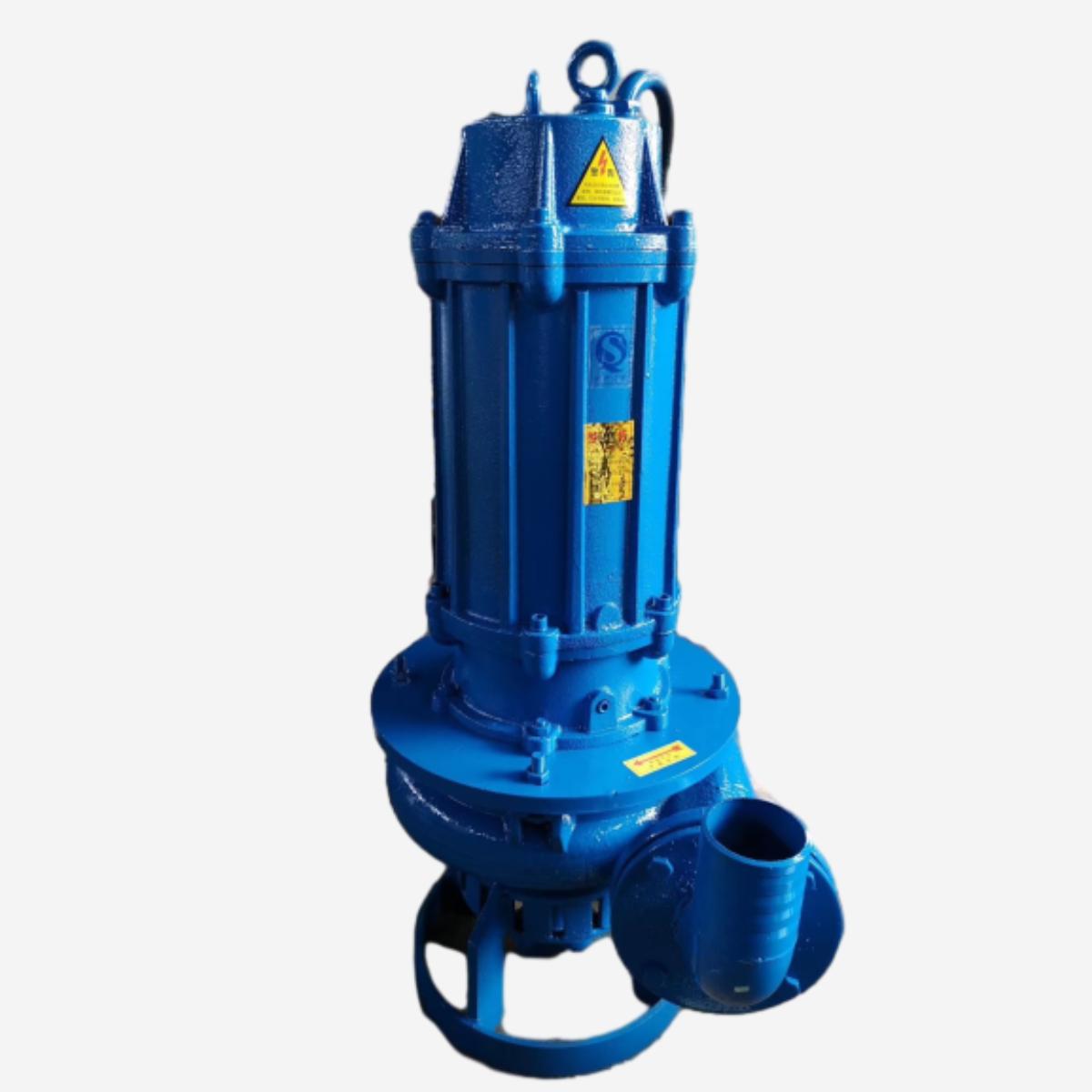
Performance of a submersible slurry pump is governed by a complex interplay of hydraulic forces and fluid mechanics. The pump’s head (H) is determined by the impeller diameter (D), rotational speed (N), and the slurry’s specific gravity (SG) using the affinity laws. Power requirements are directly related to the flow rate (Q) and head. A crucial engineering consideration is the selection of the impeller type: radial, axial, or mixed flow. Radial impellers are suitable for high-head, low-flow applications, while axial impellers excel in high-flow, low-head scenarios. Mixed flow designs offer a compromise. Cavitation is a significant concern; the Net Positive Suction Head Required (NPSHr) must be less than the Net Positive Suction Head Available (NPSHa) to prevent vapor bubble formation and subsequent impeller damage. Environmental resistance necessitates robust sealing systems to prevent ingress of abrasive particles and corrosion, as well as cable protection systems designed to withstand submersion and mechanical stress. Compliance requirements include adherence to electrical safety standards (IEC 60034-18-41 for submersible motors) and hydraulic performance standards (ISO 9906). Furthermore, motor efficiency standards (IE3 or higher) are increasingly mandated to reduce energy consumption. Force analysis involves calculating radial and axial thrusts on the impeller and shaft, dictating bearing selection and shaft support design.
Technical Specifications
| Parameter | Unit | Typical Range (China Manufactured) | Notes |
|---|---|---|---|
| Flow Rate | m3/h | 10 – 1500 | Varies significantly based on impeller design and motor power. |
| Total Head | m | 5 – 100 | Dependent on impeller diameter and rotational speed. |
| Solids Handling Size | mm | Up to 75 | Dependent on impeller passage design. Larger sizes are available on request. |
| Motor Power | kW | 1.5 – 315 | Determined by slurry density, flow rate, and head. |
| Maximum Submergence Depth | m | Up to 50 | Dependent on cable length and pump design. |
| Slurry Concentration (Max. by Weight) | % | Up to 70 | Higher concentrations require specialized impeller and casing designs. |
Failure Mode & Maintenance
Submersible slurry pumps are susceptible to various failure modes. A common failure is impeller wear due to abrasive particles impacting the impeller vanes, leading to reduced performance and increased power consumption. This is a direct consequence of insufficient hardness or improper material selection. Mechanical seal failure is another frequent occurrence, resulting from seal face wear, elastomer degradation, or improper installation. Bearing failure can occur due to insufficient lubrication, contamination, or excessive load. Motor winding failure can be caused by overheating, moisture ingress, or electrical overload. Corrosion, particularly in aggressive chemical environments, can lead to casing and impeller degradation. Preventative maintenance includes regular visual inspections for wear, leakages, and corrosion. Impeller replacement is typically required every 6-18 months depending on the slurry abrasiveness. Mechanical seals should be replaced annually or as needed based on leakage rates. Bearing lubrication should be checked and replenished regularly. Electrical connections must be inspected for corrosion and tightness. Periodic monitoring of pump vibration and motor current can provide early warning signs of impending failure. Following a major failure, a comprehensive root cause analysis (RCA) should be conducted to identify the underlying issue and prevent recurrence.
Industry FAQ
Q: What is the optimal material selection for a submersible slurry pump handling highly abrasive silica sand slurry?
A: For silica sand slurries, high-chrome cast iron (26-28% Cr) is a standard choice for the impeller and casing due to its excellent abrasion resistance. However, for prolonged exposure and higher sand concentrations, consider ceramic impellers (alumina) or rubber liners with embedded abrasive particles. The selection must also consider the slurry’s pH and temperature to avoid corrosion concerns.
Q: How do I mitigate the risk of cavitation in a submersible slurry pump operating at high altitudes?
A: At higher altitudes, atmospheric pressure decreases, reducing the NPSHa. To mitigate cavitation, ensure the pump is positioned as low as possible in the slurry source to maximize NPSHa. Consider using a larger impeller eye diameter or a lower pump speed to reduce NPSHr. A thorough NPSH calculation is crucial during pump selection.
Q: What are the key considerations for selecting the appropriate cable for a submersible slurry pump?
A: The cable must be rated for continuous submersion, resistant to abrasion and chemical attack from the slurry, and sized to handle the pump’s electrical load with sufficient safety margin. Consider using a cable with a robust outer jacket made of polyurethane or chloroprene rubber. Regularly inspect the cable for damage and ensure proper strain relief.
Q: What is the expected lifespan of a submersible slurry pump motor in a continuous duty application?
A: The expected lifespan of a submersible slurry pump motor in continuous duty is typically 5-10 years, but can vary significantly based on operating conditions, maintenance practices, and motor quality. Factors such as slurry temperature, frequency of starts/stops, and proper motor cooling are crucial. Implementing a motor monitoring system to track temperature and current can help extend lifespan.
Q: How does the impeller design impact pump efficiency and solids handling capacity?
A: The impeller design is critical. Radial impellers generate high head but have lower solids handling capacity. Axial impellers offer higher flow rates and better solids handling but produce lower head. Mixed flow impellers provide a balance between the two. Impeller vane geometry, including vane angle and number, significantly impacts hydraulic efficiency and resistance to clogging. A properly designed impeller minimizes turbulence and maximizes energy transfer to the slurry.
Conclusion
China submersible slurry pumps represent a vital component in numerous industrial processes demanding efficient and reliable slurry handling. The optimal performance and longevity of these pumps are inextricably linked to meticulous material selection, precision manufacturing, and rigorous adherence to engineering principles. Addressing the inherent challenges of abrasion, corrosion, and cavitation through optimized impeller designs, robust sealing systems, and proactive maintenance strategies is paramount.
Future advancements in this sector will likely focus on incorporating advanced materials like silicon carbide for enhanced wear resistance, developing intelligent pump monitoring systems for predictive maintenance, and employing computational fluid dynamics (CFD) modeling to optimize hydraulic designs for even greater efficiency and solids handling capabilities. The integration of variable frequency drives (VFDs) will become increasingly common, enabling precise flow control and energy savings, solidifying the role of these pumps in increasingly demanding industrial environments.
-
Effluent vs Sump Pump Performance Analysis
News2026-05-22
-
effluent septic pump Performance Engineering
News2026-05-22
-
best sewer pumps Performance Engineering
News2026-05-22
-
best sewer pump Performance Analysis
News2026-05-22
-
best sewage pumps Performance Engineering
News2026-05-22
-
basement bathroom sewage pump Material Science Manufacturing
News2026-05-21
-
wastewater treatment plant pumps Material Science Manufacturing
News2026-05-21
-
waste water pump for basement Material Science Manufacturing
News2026-05-21
-
sump pump sewage Performance Analysis
News2026-05-21
-
sump pump for sewage Material Science and Manufacturing
News2026-05-21
-
sump pump for septic systems Material Science Manufacturing
News2026-05-20
-
sump pump and ejector pump Material Science Manufacturing
News2026-05-20
-
sewage treatment plant pumps Performance Analysis
News2026-05-20
-
sewage tank pump Material Science and Manufacturing
News2026-05-20
-
sewage pump for septic tank Performance Analysis
News2026-05-20




