English
- Afrikaans
- Albanian
- Amharic
- Arabic
- Armenian
- Azerbaijani
- Basque
- Belarusian
- Bengali
- Bosnian
- Bulgarian
- Catalan
- Cebuano
- Corsican
- Croatian
- Czech
- Danish
- Dutch
- English
- Esperanto
- Estonian
- Finnish
- French
- Frisian
- Galician
- Georgian
- German
- Greek
- Gujarati
- Haitian Creole
- hausa
- hawaiian
- Hebrew
- Hindi
- Miao
- Hungarian
- Icelandic
- igbo
- Indonesian
- irish
- Italian
- Japanese
- Javanese
- Kannada
- kazakh
- Khmer
- Rwandese
- Korean
- Kurdish
- Kyrgyz
- Lao
- Latin
- Latvian
- Lithuanian
- Luxembourgish
- Macedonian
- Malgashi
- Malay
- Malayalam
- Maltese
- Maori
- Marathi
- Mongolian
- Myanmar
- Nepali
- Norwegian
- Norwegian
- Occitan
- Pashto
- Persian
- Polish
- Portuguese
- Punjabi
- Romanian
- Russian
- Samoan
- Scottish Gaelic
- Serbian
- Sesotho
- Shona
- Sindhi
- Sinhala
- Slovak
- Slovenian
- Somali
- Spanish
- Sundanese
- Swahili
- Swedish
- Tagalog
- Tajik
- Tamil
- Tatar
- Telugu
- Thai
- Turkish
- Turkmen
- Ukrainian
- Urdu
- Uighur
- Uzbek
- Vietnamese
- Welsh
- Bantu
- Yiddish
- Yoruba
- Zulu

Telephone: +86 13120555503
Email: frank@cypump.com


Apr . 01, 2024 17:55 Back to list
china small slurry pump Performance Analysis
Introduction
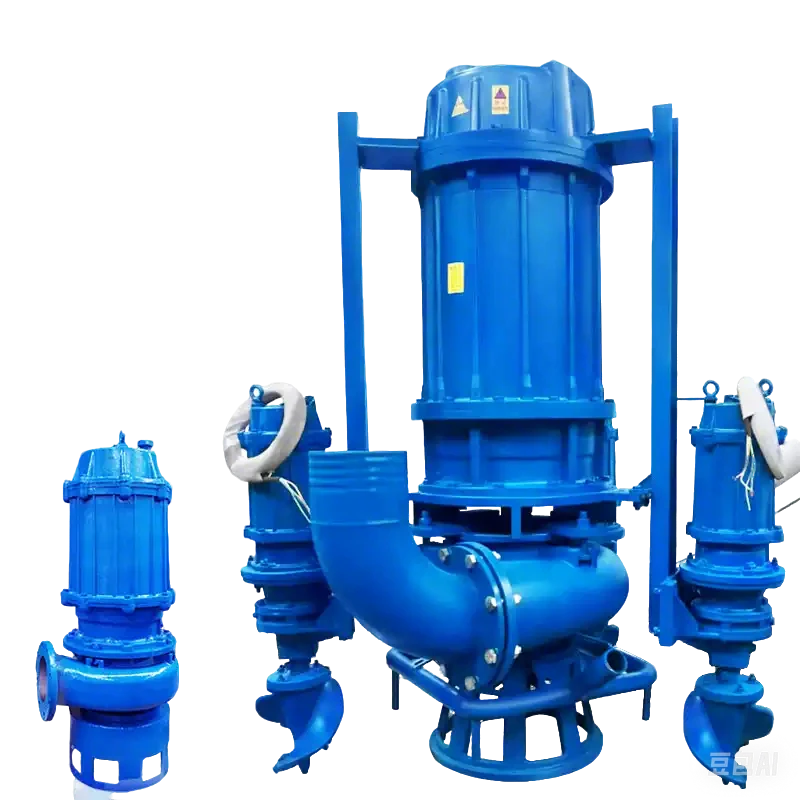
China small slurry pumps are centrifugal pumps specifically designed for handling abrasive and erosive slurries, typically found in applications like mining, wastewater treatment, dredging, and chemical processing. Positioned within the fluid handling industry chain, these pumps represent a critical component in solid-liquid separation and transport systems. Unlike standard centrifugal pumps, slurry pumps incorporate design features to mitigate wear and maintain efficiency when conveying mixtures containing solids. Core performance metrics include flow rate (typically measured in m³/h or GPM), head (in meters or feet), solids handling capability (maximum particle size and concentration by weight or volume), and wear resistance, all of which dictate applicability to specific process requirements. The increasing demand for efficient and reliable slurry handling, coupled with cost-effectiveness, drives the growth of the China small slurry pump market, impacting downstream processes reliant on consistent material transport. A primary industry pain point revolves around balancing pump longevity with operational costs, particularly concerning abrasion and corrosion-induced failures.
Material Science & Manufacturing
The construction of a China small slurry pump heavily relies on material selection to withstand the abrasive nature of slurries. Pump casings are commonly manufactured from high-chrome cast iron (typically containing 15-30% chromium) due to its superior hardness and wear resistance compared to standard cast iron. Impellers, the rotating component responsible for imparting energy to the slurry, often employ similar high-chrome alloys, or alternatively, specialized white irons with a high content of iron carbide (Fe3C). Shafts are generally constructed from medium carbon steel (e.g., 4140) that is subsequently hardened and tempered to provide tensile strength and resistance to torsional stresses. Seals employ materials like tungsten carbide, silicon carbide, or specialized elastomers (e.g., nitrile rubber, Viton) depending on the slurry’s chemical composition and temperature. Manufacturing processes typically involve sand casting for the casing and impeller, followed by machining to precise tolerances. Welding is utilized for joining various components, often employing shielded metal arc welding (SMAW) or gas metal arc welding (GMAW) processes. Critical parameter control focuses on maintaining consistent alloy composition during casting, precise heat treatment schedules to achieve desired hardness levels, and rigorous quality control of weld integrity to prevent cracking and leakage. The impeller's hydrodynamic design is optimized through computational fluid dynamics (CFD) modeling to minimize energy losses and maximize solids handling capacity. Surface hardening techniques, such as induction hardening, may be applied to critical wear surfaces to further extend component life. Chemical compatibility analysis is crucial to ensure material resistance to the slurry’s pH and corrosive agents.
Performance & Engineering
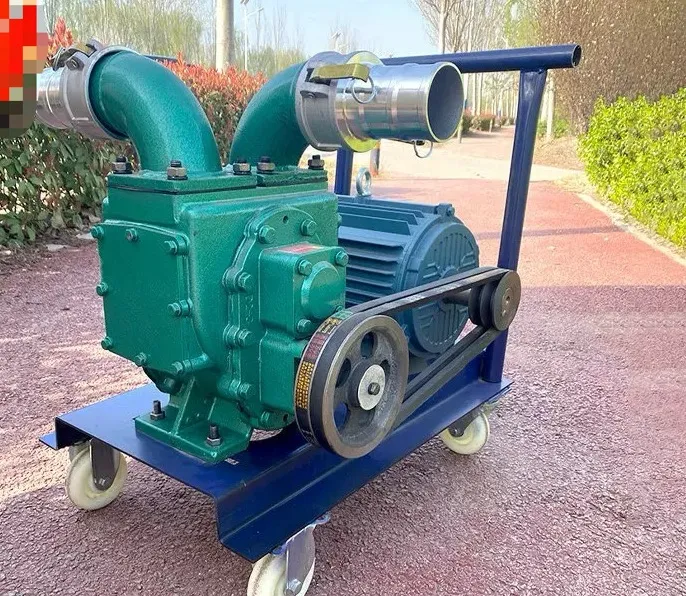
Performance of a China small slurry pump is fundamentally governed by the principles of centrifugal pump theory, adapted for multiphase flow (liquid and solid particles). Force analysis considers not only the hydrodynamic forces exerted by the slurry on the impeller but also the impact forces from solid particles, contributing to erosive wear. Pump head is inversely proportional to the slurry’s density and directly proportional to the impeller’s tip speed squared. Solids handling capability is limited by the impeller’s eye diameter and the pump’s internal clearances. Cavitation, a significant concern in standard centrifugal pumps, is exacerbated in slurry applications due to the increased density and viscosity of the slurry. Therefore, Net Positive Suction Head Required (NPSHr) calculations are critical to prevent cavitation damage. Environmental resistance is achieved through the selection of corrosion-resistant materials and the application of protective coatings (e.g., epoxy, rubber linings) to the pump casing and impeller. Compliance requirements vary based on the application. For instance, pumps used in mining may need to comply with MSHA (Mine Safety and Health Administration) regulations, while those used in wastewater treatment must meet EPA (Environmental Protection Agency) standards. Functional implementation involves selecting a pump curve that matches the system’s head-flow characteristics, ensuring adequate suction lift, and implementing appropriate filtration or screening upstream of the pump to remove oversized particles that could cause clogging or damage.
Technical Specifications
| Parameter | Unit | Typical Range (Small Slurry Pump) | Testing Standard |
|---|---|---|---|
| Flow Rate | m³/h | 5 – 50 | ISO 9906:2012 |
| Head | m | 10 – 40 | ISO 9906:2012 |
| Solid Particle Size | mm | Up to 25 | Internal company standard |
| Slurry Concentration (Weight %) | % | Up to 60 | Internal company standard |
| Pump Speed | RPM | 1450 – 2900 | IEC 60034-1 |
| Casing Material | - | High-Chrome Cast Iron (A532 Grade 1 Class 30) | ASTM A532 |
Failure Mode & Maintenance
China small slurry pumps are susceptible to several failure modes. Abrasion, caused by the constant impact of solid particles, leads to gradual wear of the impeller, casing, and volute. Erosion, particularly in high-velocity areas, accelerates material loss. Corrosion, dependent on the slurry's chemical composition, degrades the metallic components. Fatigue cracking can occur in the shaft and impeller due to cyclic loading and stress concentrations. Mechanical seal failures are common, stemming from abrasive wear, chemical attack, or improper installation. Delamination of rubber linings (if present) can occur due to poor adhesion or exposure to aggressive chemicals. Oxidation of metallic components, especially at elevated temperatures, can reduce material strength. Maintenance strategies involve regular inspections for wear and corrosion, monitoring bearing temperatures and vibration levels, and periodic replacement of wear parts (impeller, casing liners, seals). Preventative maintenance programs should include lubrication schedules, alignment checks, and visual inspections for leaks or damage. In the event of failure, root cause analysis is crucial to identify the underlying problem and implement corrective actions. For example, if abrasion is the primary failure mechanism, consider using a more wear-resistant impeller material or reducing the slurry's solids content. Proper filtration or screening of the slurry can prevent damage from oversized particles.
Industry FAQ
Q: What is the optimal impeller material for handling a highly abrasive slurry containing silica particles?
A: For a highly abrasive slurry containing silica, a high-chrome cast iron impeller with a minimum chromium content of 26% is recommended. Alternatively, a white iron impeller (containing a high percentage of iron carbide) offers superior abrasion resistance, though it may be more brittle and susceptible to impact damage. The selection depends on the particle size distribution and impact energy of the slurry.
Q: How does slurry viscosity affect pump performance and what adjustments should be made?
A: Increased slurry viscosity leads to reduced pump flow rate, increased power consumption, and a decrease in head. To mitigate these effects, consider increasing the pump speed (within its operational limits), selecting a pump with a larger impeller diameter, or reducing the slurry’s solids content if possible.
Q: What are the key considerations for selecting mechanical seals for a corrosive slurry?
A: For corrosive slurries, select mechanical seals constructed from corrosion-resistant materials such as silicon carbide, tungsten carbide, or specialized alloys (e.g., Hastelloy). Consider using a double mechanical seal arrangement with a barrier fluid to prevent the slurry from contacting the seal faces. Ensure the seal is compatible with the slurry’s pH and chemical composition.
Q: What is the typical lifespan of a slurry pump impeller before requiring replacement?
A: Impeller lifespan varies significantly depending on the slurry’s abrasiveness, concentration, and chemical composition. Typically, impellers in highly abrasive applications may require replacement after 6-18 months of continuous operation. Regular inspections and wear monitoring can help predict impeller failure and optimize replacement schedules.
Q: What are the best practices for preventing cavitation in a slurry pump?
A: Prevent cavitation by ensuring adequate Net Positive Suction Head Available (NPSHa) exceeds the Net Positive Suction Head Required (NPSHr) by a sufficient margin. Minimize suction lift, avoid restrictions in the suction piping, and maintain proper operating speeds. Monitor pump performance for signs of cavitation (noise, vibration, reduced flow rate).
Conclusion
China small slurry pumps are indispensable components in numerous industrial processes requiring the transport of abrasive slurries. The selection and application of these pumps necessitates a thorough understanding of material science, hydraulic principles, and potential failure modes. Optimized performance and extended service life are achieved through careful material selection, meticulous manufacturing processes, and robust maintenance practices.
Future trends in China small slurry pump technology will likely focus on developing more wear-resistant materials, implementing advanced monitoring and control systems for predictive maintenance, and optimizing pump designs for increased energy efficiency and reduced environmental impact. Continued innovation in these areas will further enhance the reliability and cost-effectiveness of slurry handling systems.
-
Effluent vs Sump Pump Performance Analysis
News2026-05-22
-
effluent septic pump Performance Engineering
News2026-05-22
-
best sewer pumps Performance Engineering
News2026-05-22
-
best sewer pump Performance Analysis
News2026-05-22
-
best sewage pumps Performance Engineering
News2026-05-22
-
basement bathroom sewage pump Material Science Manufacturing
News2026-05-21
-
wastewater treatment plant pumps Material Science Manufacturing
News2026-05-21
-
waste water pump for basement Material Science Manufacturing
News2026-05-21
-
sump pump sewage Performance Analysis
News2026-05-21
-
sump pump for sewage Material Science and Manufacturing
News2026-05-21
-
sump pump for septic systems Material Science Manufacturing
News2026-05-20
-
sump pump and ejector pump Material Science Manufacturing
News2026-05-20
-
sewage treatment plant pumps Performance Analysis
News2026-05-20
-
sewage tank pump Material Science and Manufacturing
News2026-05-20
-
sewage pump for septic tank Performance Analysis
News2026-05-20




