English
- Afrikaans
- Albanian
- Amharic
- Arabic
- Armenian
- Azerbaijani
- Basque
- Belarusian
- Bengali
- Bosnian
- Bulgarian
- Catalan
- Cebuano
- Corsican
- Croatian
- Czech
- Danish
- Dutch
- English
- Esperanto
- Estonian
- Finnish
- French
- Frisian
- Galician
- Georgian
- German
- Greek
- Gujarati
- Haitian Creole
- hausa
- hawaiian
- Hebrew
- Hindi
- Miao
- Hungarian
- Icelandic
- igbo
- Indonesian
- irish
- Italian
- Japanese
- Javanese
- Kannada
- kazakh
- Khmer
- Rwandese
- Korean
- Kurdish
- Kyrgyz
- Lao
- Latin
- Latvian
- Lithuanian
- Luxembourgish
- Macedonian
- Malgashi
- Malay
- Malayalam
- Maltese
- Maori
- Marathi
- Mongolian
- Myanmar
- Nepali
- Norwegian
- Norwegian
- Occitan
- Pashto
- Persian
- Polish
- Portuguese
- Punjabi
- Romanian
- Russian
- Samoan
- Scottish Gaelic
- Serbian
- Sesotho
- Shona
- Sindhi
- Sinhala
- Slovak
- Slovenian
- Somali
- Spanish
- Sundanese
- Swahili
- Swedish
- Tagalog
- Tajik
- Tamil
- Tatar
- Telugu
- Thai
- Turkish
- Turkmen
- Ukrainian
- Urdu
- Uighur
- Uzbek
- Vietnamese
- Welsh
- Bantu
- Yiddish
- Yoruba
- Zulu

Telephone: +86 13120555503
Email: frank@cypump.com


Apr . 01, 2024 17:55 Back to list
china slurry sump pump and spare parts supplier Performance Analysis
Introduction
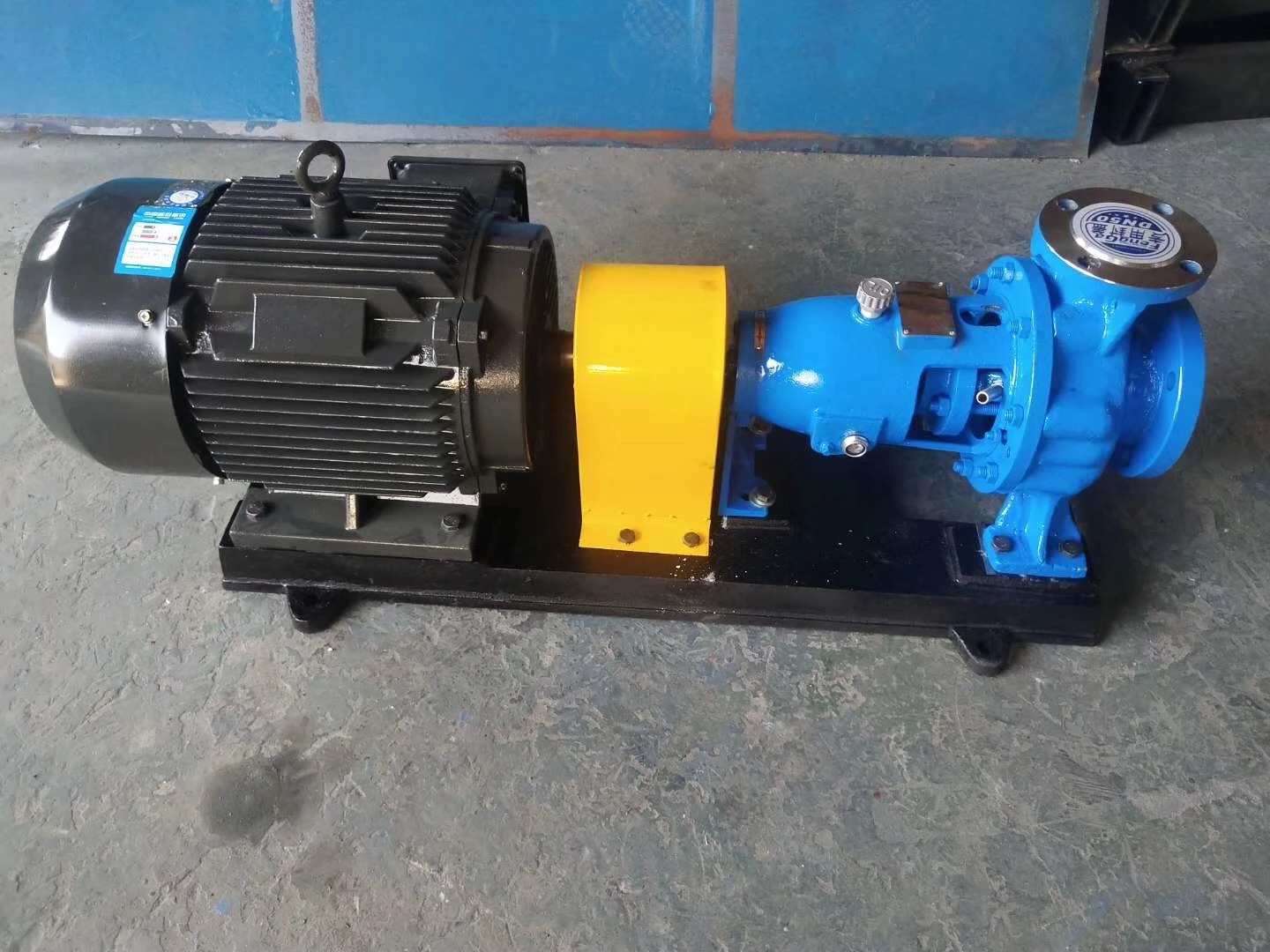
Slurry sump pumps are critical components in numerous industrial processes involving the transportation of abrasive or dense fluids, commonly referred to as slurries. These pumps, distinct from clear liquid pumps, are engineered to handle solids content without significant performance degradation or accelerated wear. China has emerged as a significant global supplier of these pumps and associated spare parts, offering competitive pricing and increasingly sophisticated engineering capabilities. This guide will provide a comprehensive technical overview of slurry sump pumps, encompassing material science, manufacturing considerations, performance characteristics, failure modes, and relevant industry standards. The focus will be on understanding the engineering principles behind pump selection, operation, and maintenance, specifically relating to sourcing from Chinese manufacturers. Core performance metrics include flow rate (m³/hr), head (meters), solids handling capability (particle size and concentration), and pump efficiency (%). The industry faces pain points including abrasion resistance, erosion-corrosion, maintaining consistent performance with varying slurry characteristics, and ensuring the quality and traceability of spare parts.
Material Science & Manufacturing
The construction of a robust slurry sump pump necessitates careful material selection based on the slurry's chemical and abrasive characteristics. Commonly used materials include high-chromium cast iron (for abrasion resistance), stainless steel (for corrosion resistance – 304, 316, duplex stainless steels), and rubber linings (for combined abrasion and corrosion protection). The impeller and volute are particularly susceptible to wear and are frequently manufactured from high-chromium alloys with a hardness exceeding 55 HRC. Pump casings can be constructed from carbon steel with rubber or epoxy coatings, or cast from abrasion-resistant alloys. Manufacturing processes vary depending on the component. Casings are often produced using sand casting or investment casting. Impellers are typically manufactured using centrifugal casting to enhance density and reduce porosity. Welding is employed extensively for assembling pump components, with shielded metal arc welding (SMAW) and submerged arc welding (SAW) being common techniques. Critical welding parameters, such as heat input and cooling rates, must be meticulously controlled to prevent distortion and maintain metallurgical integrity. Fiber-reinforced polymer (FRP) composites are increasingly used for casings and liners in less demanding applications, offering weight reduction and corrosion resistance. Quality control during manufacturing includes radiographic testing (RT) of welds, liquid penetrant inspection (LPI) for surface flaws, and hardness testing to verify material properties. Chinese manufacturers are increasingly adopting automated casting processes and robotic welding to improve consistency and reduce manufacturing defects.
Performance & Engineering
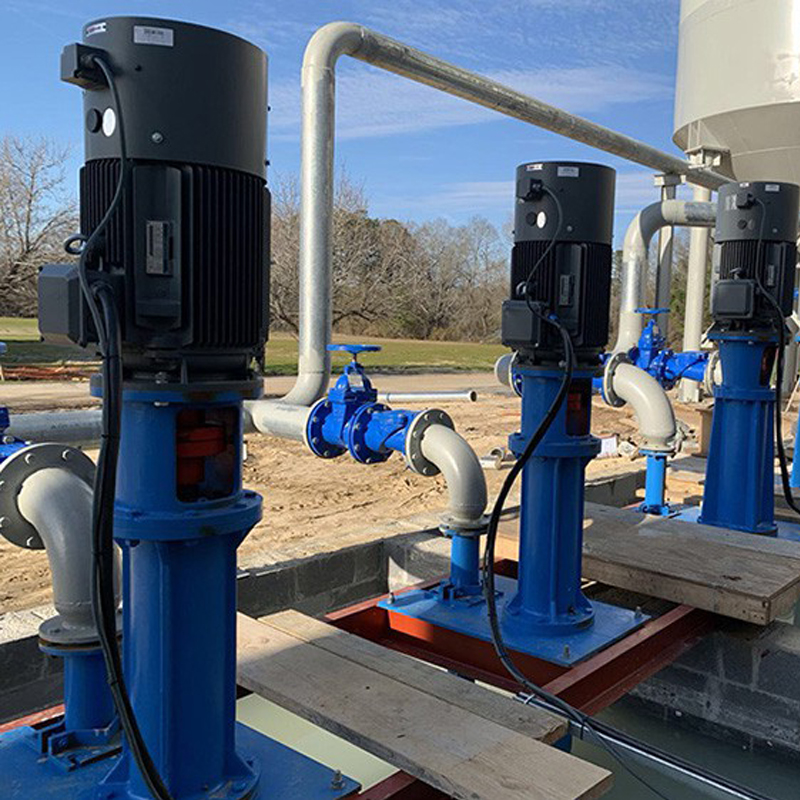
Slurry pump performance is governed by the principles of fluid mechanics, specifically affinity laws relating flow rate, head, and power. Cavitation is a major concern, particularly when handling gases or fluids with low net positive suction head available (NPSHA). Pump selection must ensure sufficient NPSHA to prevent impeller damage. The impeller design significantly impacts pump performance; closed impellers are suitable for lower solids concentrations, while open or semi-open impellers are preferred for higher solids concentrations. Force analysis involves evaluating the radial and axial forces exerted on the impeller shaft, which determine bearing selection and shaft deflection. Bearing selection is crucial for pump longevity; deep groove ball bearings, tapered roller bearings, and cylindrical roller bearings are commonly used. Environmental resistance is another critical consideration. Operating temperatures, ambient humidity, and exposure to corrosive atmospheres can affect pump material integrity. Compliance requirements, such as those outlined in ISO 13709 (Petroleum and natural gas industries – Pumps for surface applications), dictate material certifications and testing procedures. Furthermore, the hydraulic efficiency of the pump is directly influenced by the impeller geometry and the surface finish of the impeller and volute. Chinese suppliers are improving their engineering capabilities through the adoption of computational fluid dynamics (CFD) modeling to optimize impeller designs and predict pump performance.
Technical Specifications
| Parameter | Unit | Typical Range (Chinese Supply) | Typical Range (Western Supply) |
|---|---|---|---|
| Flow Rate | m³/hr | 5 – 1500 | 10 – 1200 |
| Head | m | 5 – 80 | 10 – 100 |
| Solids Handling Size | mm | Up to 100 | Up to 75 |
| Slurry Concentration (Max) | % by weight | Up to 70 | Up to 60 |
| Pump Efficiency | % | 60 – 75 | 70 – 85 |
| Casing Material | - | High-Chromium Iron, Carbon Steel with Rubber Lining | Stainless Steel (316, Duplex), High-Chromium Iron |
Failure Mode & Maintenance
Slurry sump pump failures are frequently attributed to abrasive wear, erosion-corrosion, fatigue cracking, and seal failures. Abrasive wear occurs due to the impact of solid particles on pump components, leading to material loss. Erosion-corrosion is accelerated by the combined action of abrasion and corrosive fluids. Fatigue cracking can occur in the pump shaft or casing due to cyclic loading. Seal failures are often caused by abrasive particles infiltrating the seal faces, leading to leakage. Failure analysis techniques include visual inspection, metallographic examination, and non-destructive testing (NDT) such as ultrasonic testing (UT) and eddy current testing (ET). Preventive maintenance is crucial for maximizing pump lifespan. This includes regular inspection of impeller and volute wear, lubrication of bearings, and replacement of seals and wear plates. Scheduled shutdowns for complete pump overhauls are recommended based on operating hours and slurry characteristics. For Chinese-supplied pumps, maintaining a readily available stock of critical spare parts (impellers, liners, seals, bearings) is essential to minimize downtime. Proper alignment of the pump and motor is vital to prevent premature bearing failure. Monitoring pump vibration levels can provide early warning of potential problems. Consideration should be given to implementing a condition monitoring system to track pump performance and identify trends.
Industry FAQ
Q: What is the typical lead time for a custom-designed slurry sump pump from a Chinese supplier?
A: Lead times can vary significantly depending on the complexity of the design and the supplier's current workload. Typically, a custom design and manufacturing process will take between 12-24 weeks, including engineering design, material procurement, fabrication, and quality control. It is crucial to clarify lead times upfront and establish clear communication channels with the supplier.
Q: How can I verify the quality of materials used in a slurry pump manufactured in China?
A: Requesting material test reports (MTRs) from the supplier is the first step. These reports should be traceable to the specific material lot used in the pump's construction and should comply with relevant international standards (e.g., ASTM, EN). Independent third-party inspection and testing can provide additional assurance of material quality.
Q: What are the common challenges related to sourcing spare parts for slurry pumps from China?
A: Challenges include ensuring the availability of genuine spare parts, maintaining consistent quality between batches, and dealing with potential communication barriers. Establishing a long-term relationship with a reputable supplier and maintaining a sufficient inventory of critical spares can mitigate these risks.
Q: What considerations should be made when selecting a slurry pump for handling highly abrasive slurries containing large particle sizes?
A: For highly abrasive slurries, prioritize pumps with high-chromium cast iron impellers and liners, as well as open or semi-open impeller designs to minimize clogging. Consider using pumps with replaceable wear plates and liners to extend component life. Selecting a pump with a lower tip speed can also reduce abrasive wear.
Q: What level of after-sales support can I expect from a Chinese slurry pump supplier?
A: The level of after-sales support varies. Reputable suppliers typically offer technical assistance, troubleshooting support, and spare parts availability. However, response times and language barriers may be challenges. Establishing a clear service agreement and ensuring access to qualified on-site support are essential.
Conclusion
China has become a dominant force in the supply of slurry sump pumps and spare parts, offering a compelling combination of cost-effectiveness and improving engineering quality. Understanding the material science principles governing pump construction, the intricacies of manufacturing processes, and the nuances of performance characteristics is paramount for selecting the appropriate pump for a given application. Proactive maintenance strategies, coupled with diligent failure analysis, are critical for maximizing pump lifespan and minimizing downtime.
The continued evolution of Chinese manufacturing capabilities, particularly in areas such as automated casting and robotic welding, suggests that the quality and performance of Chinese-supplied slurry pumps will continue to improve. However, due diligence in verifying material quality, ensuring access to reliable spare parts, and establishing effective communication channels with suppliers remains essential for successful procurement and long-term operation.
-
Effluent vs Sump Pump Performance Analysis
News2026-05-22
-
effluent septic pump Performance Engineering
News2026-05-22
-
best sewer pumps Performance Engineering
News2026-05-22
-
best sewer pump Performance Analysis
News2026-05-22
-
best sewage pumps Performance Engineering
News2026-05-22
-
basement bathroom sewage pump Material Science Manufacturing
News2026-05-21
-
wastewater treatment plant pumps Material Science Manufacturing
News2026-05-21
-
waste water pump for basement Material Science Manufacturing
News2026-05-21
-
sump pump sewage Performance Analysis
News2026-05-21
-
sump pump for sewage Material Science and Manufacturing
News2026-05-21
-
sump pump for septic systems Material Science Manufacturing
News2026-05-20
-
sump pump and ejector pump Material Science Manufacturing
News2026-05-20
-
sewage treatment plant pumps Performance Analysis
News2026-05-20
-
sewage tank pump Material Science and Manufacturing
News2026-05-20
-
sewage pump for septic tank Performance Analysis
News2026-05-20




