
Telephone: +86 13120555503
Email: frank@cypump.com


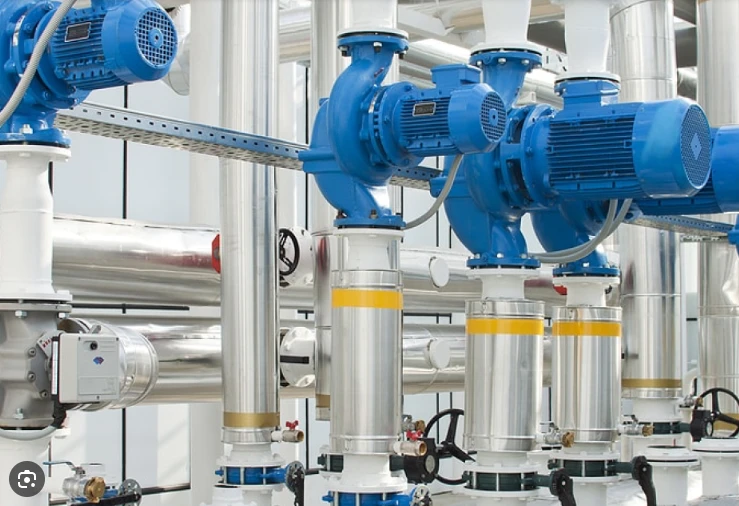
The China single casing slurry pump represents a critical engineering solution for the transport of high-density, abrasive, and corrosive fluids within the industrial value chain. Positioned as a high-pressure centrifugal apparatus, the single casing design is engineered to minimize leakage paths and optimize hydraulic efficiency by integrating the pump components within a single, robust outer shell. In the context of mining, dredging, and chemical processing, these pumps are essential for moving slurries—mixtures of solids and liquids—where the primary technical challenge lies in balancing high volumetric flow rates with extreme resistance to erosive wear. The core performance of these units is defined by their Net Positive Suction Head (NPSH) requirements, their ability to maintain a stable slurry concentration without settling, and the structural integrity of the casing under fluctuating hydraulic loads.
The manufacturing of a single casing slurry pump necessitates a rigorous selection of materials to counteract the dual threats of abrasive wear and chemical corrosion. The primary casing is typically cast from high-chromium white irons (ASTM A532) or specialized duplex stainless steels, which provide a hard martensitic matrix embedded with chromium carbides. These carbides act as the primary defense against the scouring action of particulate matter. For applications involving highly acidic or alkaline slurries, nickel-based alloys or high-molybdenum coatings are applied via High-Velocity Oxy-Fuel (HVOF) spraying to ensure surface hardness exceeding 60 HRC.
The production process begins with precision investment casting or sand casting, followed by a critical heat treatment phase to relieve internal stresses and optimize the microstructure. The internal hydraulic pathways are subjected to CNC grinding and polishing to reduce surface roughness, thereby minimizing turbulence and the resulting localized erosion. A key parameter in manufacturing is the "clearance control" between the impeller and the wear plates; these are machined to micron-level tolerances to prevent "recirculation" of the slurry, which would otherwise accelerate the wear of the casing internals. The assembly involves a heavy-duty shrink-fitting process for the shaft and impeller, ensuring concentricity and reducing vibration-induced fatigue.
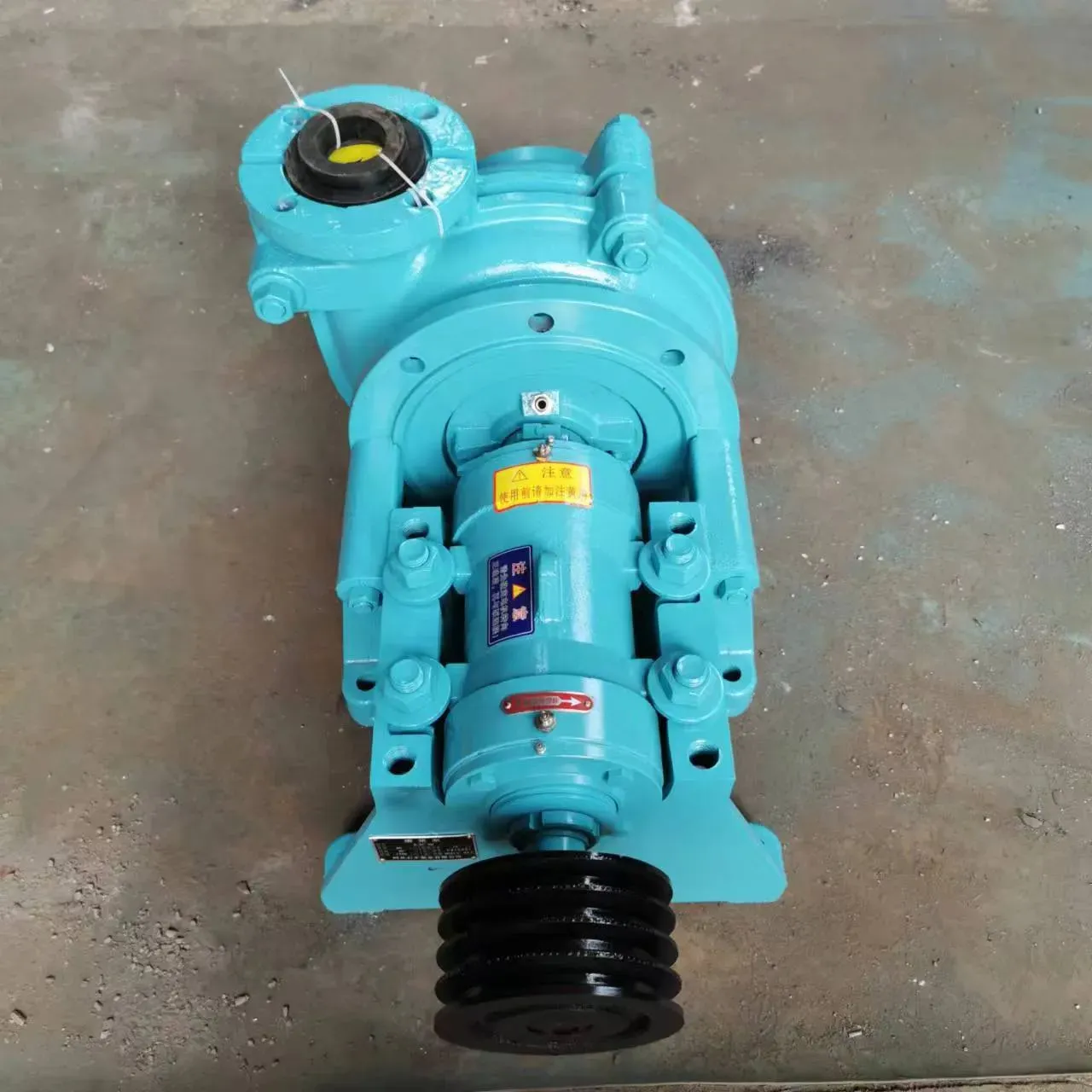
Engineering a single casing slurry pump requires a complex force analysis to ensure the stability of the rotor-stator system. The primary engineering concern is the management of "slurry velocity." If the velocity is too low, solids settle, causing blockages; if it is too high, the rate of erosion increases exponentially according to the formula where wear is proportional to the cube of the velocity. Therefore, the pump is engineered for an "optimal transport velocity" that maintains a homogenous mixture while protecting the casing walls.
Environmental resistance is achieved through the implementation of advanced sealing systems. Because slurry particles can easily penetrate standard mechanical seals, these pumps often employ a "gland packing" system with an external flushing water jacket. This creates a positive pressure barrier that prevents abrasive particles from entering the bearing housing. From a compliance perspective, the engineering must adhere to hydraulic efficiency standards, ensuring that the pump operates near its Best Efficiency Point (BEP) to minimize cavitation. Cavitation in slurry pumps is particularly destructive, as the collapse of vapor bubbles can strip the protective oxide layer from the metal, exposing the raw substrate to rapid abrasive attack.
| Parameter Dimension | Standard Grade (Cr27) | Heavy Duty Grade (Hi-Chrome) | Corrosive Grade (Duplex) | Ultra-High Pressure Grade |
|---|---|---|---|---|
| Max Flow Rate (m³/h) | 450 | 600 | 500 | 300 |
| Total Dynamic Head (m) | 60 | 80 | 70 | 150 |
| Max Slurry Density (kg/m³) | 1,300 | 1,500 | 1,400 | 1,600 |
| Abrasive Particle Size (mm) | ≤ 10 | ≤ 20 | ≤ 15 | ≤ 12 |
| Casing Hardness (HB) | 550-600 | 650-720 | 300-400 | 700+ |
| Efficiency (η) | 72% | 75% | 70% | 68% |
Failure analysis of single casing slurry pumps reveals four primary degradation modes: erosive wear, cavitation pitting, fatigue cracking, and seal failure. Erosive wear typically manifests as "wall thinning" in the volute casing, particularly at the cut-water area where fluid velocity is highest. This is often the result of operating the pump too far to the right of the BEP. Cavitation pitting occurs at the impeller eye due to insufficient NPSH, creating a "sponge-like" appearance on the metal surface and leading to a drastic drop in head pressure.
Fatigue cracking is generally observed in the pump shaft or bearing housings, often triggered by the imbalance of the impeller caused by uneven wear of the vanes. To mitigate these failures, a professional maintenance protocol must be implemented. This includes the use of ultrasonic thickness testing (UT) every 2,000 operating hours to monitor casing wall degradation. When wear reaches 70% of the allowable limit, "wear liners" must be replaced. Furthermore, vibration analysis (FFT) should be conducted monthly to detect early signs of bearing wear or shaft misalignment, preventing catastrophic failure of the single casing assembly.
A: Material selection is based on the pH value and the Mohs hardness of the solids. For pH 4-10 with high abrasion, High-Chrome White Iron is preferred. For pH < 4 or > 10, Duplex Stainless Steel or Rubber-lined casings are required to prevent chemical corrosion from accelerating the mechanical wear.
A: Increasing the concentration of solids increases the apparent viscosity of the fluid, which leads to higher friction losses in the suction piping. This effectively increases the NPSHr (Required), necessitating a higher suction head to prevent cavitation.
A: Single casing designs minimize the number of seals and joints. In slurry applications, every joint is a potential point of leakage and wear. A single casing reduces the complexity of the hydraulic path, making it easier to replace liners and reducing the risk of internal clogging.
A: Depending on the grit size and concentration, clearance should be checked every 500 to 1,000 hours. Once the gap exceeds the manufacturer's specification, the pump's volumetric efficiency drops, and the risk of internal recirculation-induced wear increases.
A: Limited air entrainment is permissible, but excessive air leads to "air binding" and erratic flow. For slurries with high gas content, we recommend the installation of an air release valve or a specialized vortex-breaking suction inlet to maintain prime.
The China single casing slurry pump is a sophisticated integration of metallurgical science and fluid dynamics, specifically engineered to withstand the most punishing industrial environments. By leveraging high-chromium alloys and precision-machined clearances, these pumps successfully resolve the inherent conflict between high-pressure throughput and component longevity. The technical superiority of the single casing design lies in its structural simplicity and its ability to be maintained through modular liner replacements, ensuring a lower total cost of ownership over the equipment's lifecycle.
Looking forward, the integration of IoT-based vibration sensors and real-time erosion monitoring will further shift the maintenance paradigm from reactive to predictive. For procurement and engineering teams, the focus must remain on the alignment of material specifications with the specific chemical and physical properties of the transported slurry to maximize operational uptime and system reliability.




