
Telephone: +86 13120555503
Email: frank@cypump.com


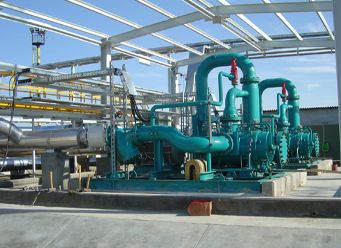
The china short delivery slurry pump is a specialized heavy-duty industrial hydraulic machine engineered for the transport of high-density, abrasive slurries over limited distances. Positioned as a critical component in the midstream of mining, metallurgy, and civil engineering value chains, this equipment is specifically designed to handle materials with high solid concentrations and significant particle sizes. Unlike long-distance transport pumps, the short delivery variant optimizes high-pressure output and volumetric efficiency to overcome the initial inertia of dense slurry. Its technical positioning focuses on the balance between erosive wear resistance and hydraulic throughput, ensuring that the energy expenditure per cubic meter of slurry remains economically viable while maintaining the structural integrity of the pump casing and impeller under extreme abrasive stress.
The operational longevity of a china short delivery slurry pump is fundamentally determined by its material science, specifically regarding the resistance to abrasive wear and corrosive attack. The core components—the impeller and the liner—are typically manufactured from high-chromium cast irons (such as ASTM A532) or natural rubber liners, depending on the slurry's particle size and chemical composition. High-chromium alloys utilize a complex metallurgical structure of M7C3 carbides embedded in a martensitic matrix, providing the necessary hardness (typically 55-65 HRC) to resist the scouring action of mineral particles.
The manufacturing process employs precision casting followed by rigorous heat treatment to eliminate internal stresses and ensure uniform hardness across the cross-section of the pump casing. For the short delivery configuration, the casing geometry is optimized using Computational Fluid Dynamics (CFD) to minimize turbulence and dead zones, which are primary sites for localized erosion. The machining process utilizes CNC grinding to ensure the tightest possible tolerances between the impeller and the wear plate, thereby reducing internal recirculation and maximizing the hydraulic efficiency of the system. Furthermore, the shaft is typically forged from high-strength alloy steel and undergoes induction hardening to prevent fatigue failure at the bearing seats and seal interfaces.
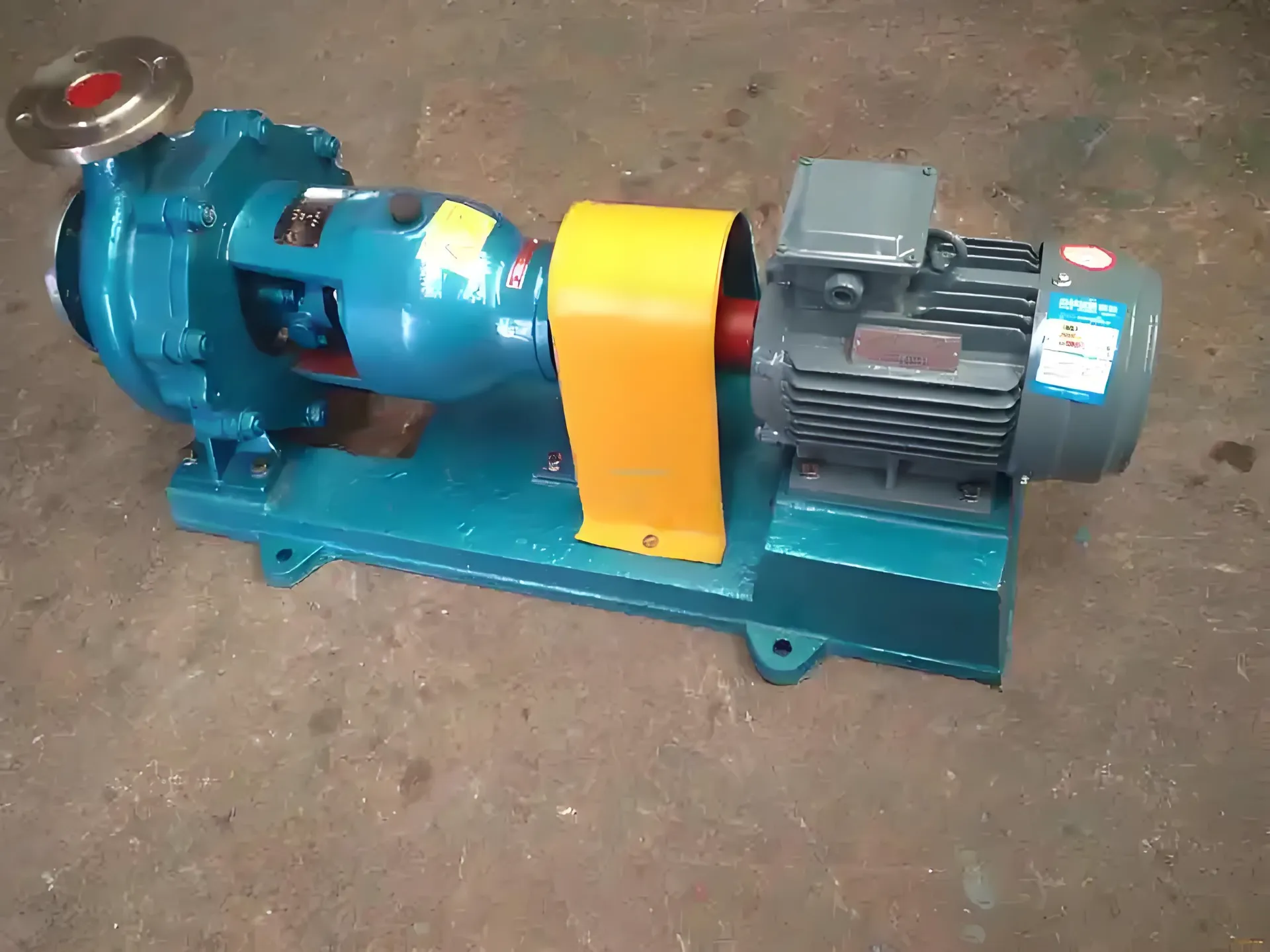
Engineering a china short delivery slurry pump requires a deep analysis of fluid dynamics and force distribution. The primary engineering challenge is the management of the "slurry velocity," which must be maintained above the critical deposition velocity to prevent particles from settling in the pipe, yet below the threshold where erosive wear increases exponentially. The pump utilizes a centrifugal force mechanism where the impeller imparts kinetic energy to the fluid; in short delivery applications, the focus is on achieving a high head (pressure) to overcome the high viscosity and internal friction of the dense slurry.
Force analysis indicates that the most significant stress occurs at the impeller vanes and the volute tongue. To counteract this, engineers employ a "sacrificial liner" design, where replaceable wear plates are installed to protect the main structural casing. Environmental resistance is addressed through the selection of chemically compatible elastomers for seals and O-rings, ensuring that the pump can operate in varying pH levels common in mining tailings. Compliance requirements often dictate the use of heavy-duty bearings and mechanical seals designed for "dirty" service, often incorporating a flushing system to prevent slurry ingress into the bearing housing, which would otherwise lead to rapid catastrophic failure.
| Parameter Dimension | Standard Configuration | High-Pressure Variant | Heavy-Duty Variant | Tolerance Range |
|---|---|---|---|---|
| Max Discharge Flow (m³/h) | 150 - 400 | 100 - 250 | 300 - 600 | ± 5% |
| Total Dynamic Head (m) | 20 - 60 | 60 - 120 | 15 - 40 | ± 2m |
| Solid Concentration (wt%) | 30% - 50% | 20% - 40% | 40% - 65% | ± 2% |
| Max Particle Size (mm) | 10 - 25 | 5 - 15 | 30 - 50 | +0mm / -2mm |
| Material Hardness (HRC) | 58 - 62 | 60 - 65 | 55 - 60 | ± 3 HRC |
| Operating Temperature (°C) | -10 to 80 | -10 to 60 | -10 to 100 | ± 5°C |
The most prevalent failure mode in the china short delivery slurry pump is abrasive erosion, specifically "impeller washout," where the leading edge of the vanes thins over time, leading to a drop in discharge pressure and flow rate. Another critical failure is cavitation, occurring when the Net Positive Suction Head available (NPSHa) falls below the required level (NPSHr), creating vapor bubbles that implode and pit the metal surface. In high-density applications, "plugging" or "sanding-in" can occur during unplanned shutdowns, where the slurry solidifies in the pump casing, leading to shaft deformation or motor burnout upon restart.
Professional maintenance focuses on a predictive rather than reactive strategy. This includes the regular measurement of liner thickness using ultrasonic testing to determine the exact replacement interval before the primary casing is compromised. Maintenance protocols demand the inspection of the mechanical seal for leaks and the lubrication of bearings using high-viscosity, water-resistant greases. For pumps exhibiting vibration, dynamic balancing of the impeller is required to prevent fatigue cracking in the shaft. When replacing wear parts, it is imperative to verify the alignment of the pump and motor to avoid eccentric loading, which accelerates bearing wear and seal failure.
A: The selection depends primarily on the particle size and the nature of the abrasive. High-chrome alloys are superior for larger, sharp-edged particles that cause cutting wear. Rubber liners are preferred for finer particles that cause sliding abrasion, as the elastomer absorbs the impact energy and "bounces" the particles away, though they have lower temperature and chemical resistance.
A: The primary cause is usually a combination of high-velocity turbulence and inadequate material hardness. If the slurry velocity exceeds the design limit, the erosive power increases cubically, rapidly wearing down the impeller. Additionally, operating the pump too far from its Best Efficiency Point (BEP) increases internal recirculation and localized wear.
A: To prevent cavitation, ensure that the suction piping is as short and straight as possible to minimize friction loss. Increasing the suction head (by raising the slurry tank) and reducing the impeller speed through a Variable Frequency Drive (VFD) can also help maintain the NPSH margin.
A: Short delivery pumps are engineered for high-pressure, high-volume throughput over short distances (typically under 500 meters). They prioritize the ability to move dense, heavy slurries quickly into a secondary vessel or process, whereas long-distance pumps focus on energy efficiency over kilometers and the prevention of sedimentation over extended transit times.
A: The most obvious signs are a gradual decrease in discharge pressure despite constant motor RPM and an increase in motor current (due to loss of hydraulic efficiency). Externally, localized leaking or "weeping" through the pump casing indicates that the liner has been breached and the structural wall is being eroded.
The china short delivery slurry pump is a sophisticated piece of industrial machinery that integrates advanced metallurgy with fluid dynamics to solve the challenge of transporting abrasive media. Its performance is predicated on the synergy between high-chromium alloy durability and precision hydraulic engineering, ensuring that high-density slurries are moved with maximum volumetric efficiency and minimum downtime. By strictly controlling manufacturing parameters and adhering to rigorous material standards, these pumps provide the reliability required for the most demanding industrial environments.
To maximize the operational lifecycle of these assets, operators must transition toward predictive maintenance and precise system alignment. As industry requirements shift toward higher automation and sustainable energy use, the integration of smart monitoring sensors for wear detection and the use of VFDs for flow optimization will be essential. Ensuring compliance with international standards remains the baseline for safety and performance in global slurry transport operations.




