English
- Afrikaans
- Albanian
- Amharic
- Arabic
- Armenian
- Azerbaijani
- Basque
- Belarusian
- Bengali
- Bosnian
- Bulgarian
- Catalan
- Cebuano
- Corsican
- Croatian
- Czech
- Danish
- Dutch
- English
- Esperanto
- Estonian
- Finnish
- French
- Frisian
- Galician
- Georgian
- German
- Greek
- Gujarati
- Haitian Creole
- hausa
- hawaiian
- Hebrew
- Hindi
- Miao
- Hungarian
- Icelandic
- igbo
- Indonesian
- irish
- Italian
- Japanese
- Javanese
- Kannada
- kazakh
- Khmer
- Rwandese
- Korean
- Kurdish
- Kyrgyz
- Lao
- Latin
- Latvian
- Lithuanian
- Luxembourgish
- Macedonian
- Malgashi
- Malay
- Malayalam
- Maltese
- Maori
- Marathi
- Mongolian
- Myanmar
- Nepali
- Norwegian
- Norwegian
- Occitan
- Pashto
- Persian
- Polish
- Portuguese
- Punjabi
- Romanian
- Russian
- Samoan
- Scottish Gaelic
- Serbian
- Sesotho
- Shona
- Sindhi
- Sinhala
- Slovak
- Slovenian
- Somali
- Spanish
- Sundanese
- Swahili
- Swedish
- Tagalog
- Tajik
- Tamil
- Tatar
- Telugu
- Thai
- Turkish
- Turkmen
- Ukrainian
- Urdu
- Uighur
- Uzbek
- Vietnamese
- Welsh
- Bantu
- Yiddish
- Yoruba
- Zulu

Telephone: +86 13120555503
Email: frank@cypump.com


Apr . 01, 2024 17:55 Back to list
china selfpriming clean water pump Performance Analysis
Introduction
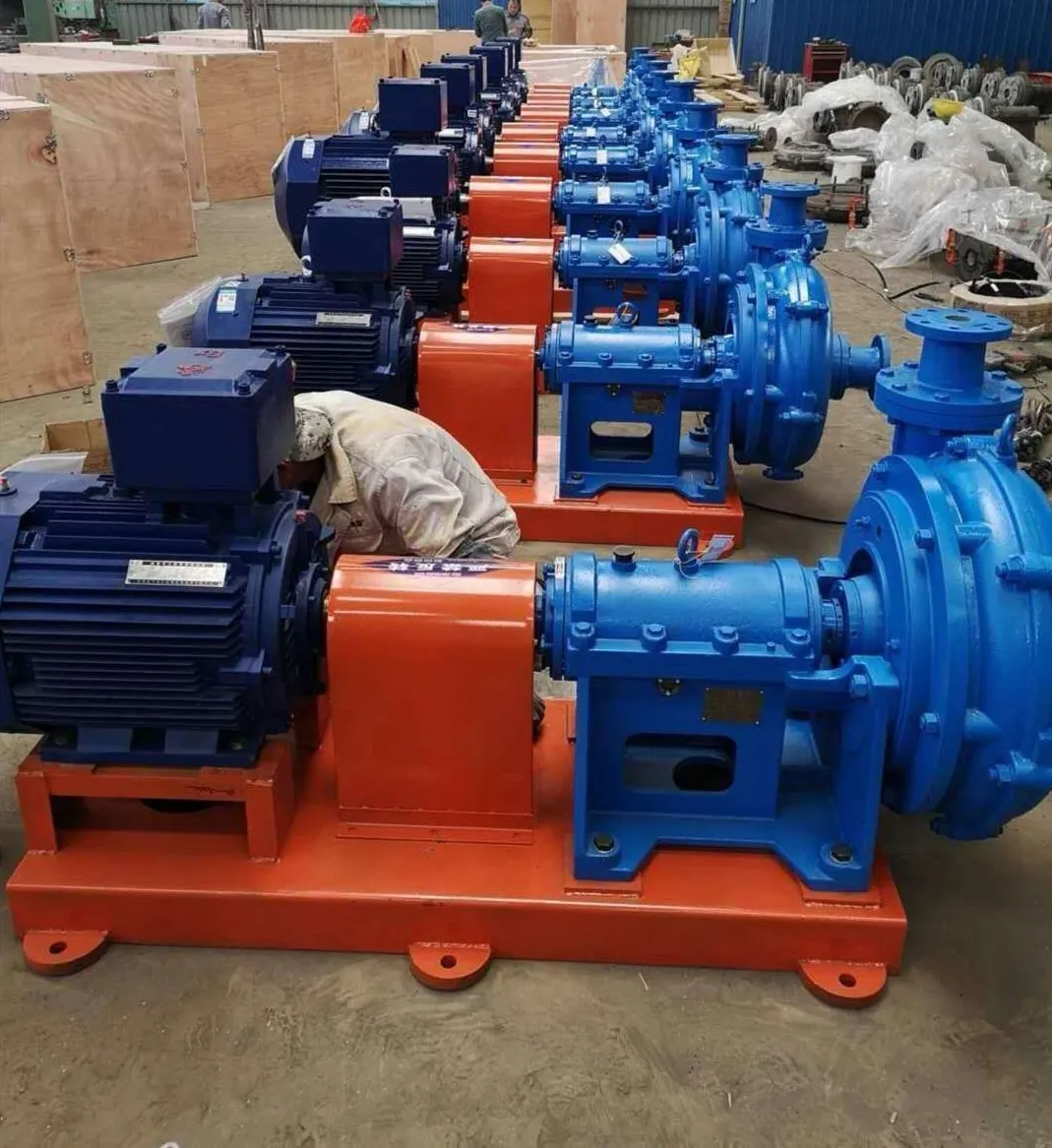
Self-priming clean water pumps, manufactured in China, represent a critical component in a wide array of industrial and agricultural fluid transfer applications. Positioned within the broader pump industry, these pumps are characterized by their ability to remove air from the suction line, enabling operation without initial manual priming – a significant advantage over traditional centrifugal pumps. This capability stems from a specific impeller and volute casing design. Core performance indicators include flow rate (typically measured in cubic meters per hour), head (expressed in meters), suction lift (the vertical distance the pump can draw water from), and power consumption (measured in kilowatts). Addressing the industry pain point of intermittent water supply and the need for reliable, autonomous operation, these pumps are deployed in irrigation, water supply systems, booster applications, and general fluid handling. Their prevalence in China is fueled by a robust manufacturing base and competitive pricing, however, ensuring consistent quality and adherence to international standards remains a key concern for global procurement.
Material Science & Manufacturing
The core materials used in the construction of china self-priming clean water pumps dictate their longevity and performance. Pump casings are commonly manufactured from cast iron (GG25 or equivalent), offering robust mechanical strength and resistance to corrosion in many applications. However, for more aggressive fluids, stainless steel (304 or 316) or specialized alloys are employed. Impellers, the rotating component responsible for generating flow, are typically made from cast iron, bronze (CC499), or engineered polymers like Polypropylene (PP) depending on the fluid characteristics and desired efficiency. Shafts are generally constructed from carbon steel (45# or equivalent) and undergo surface hardening treatments (induction hardening or nitriding) to enhance wear resistance. Seals are crucial for preventing leakage and are often composed of materials like Nitrile Butadiene Rubber (NBR) or Fluorocarbon (Viton). Manufacturing processes involve several key steps: casting (for casings and impellers), machining (for precise dimensional accuracy), welding (for some casing configurations), and assembly. Parameter control is critical throughout. Casting requires meticulous control of melt temperature, cooling rate, and sand composition. Machining necessitates precision tooling and adherence to tight tolerances. Welding procedures must be qualified to ensure structural integrity. Finally, rigorous quality control checks, including hydrostatic testing and performance testing, are essential to verify functionality and prevent premature failure. Surface treatments like epoxy coating are applied to iron castings to enhance corrosion resistance.
Performance & Engineering
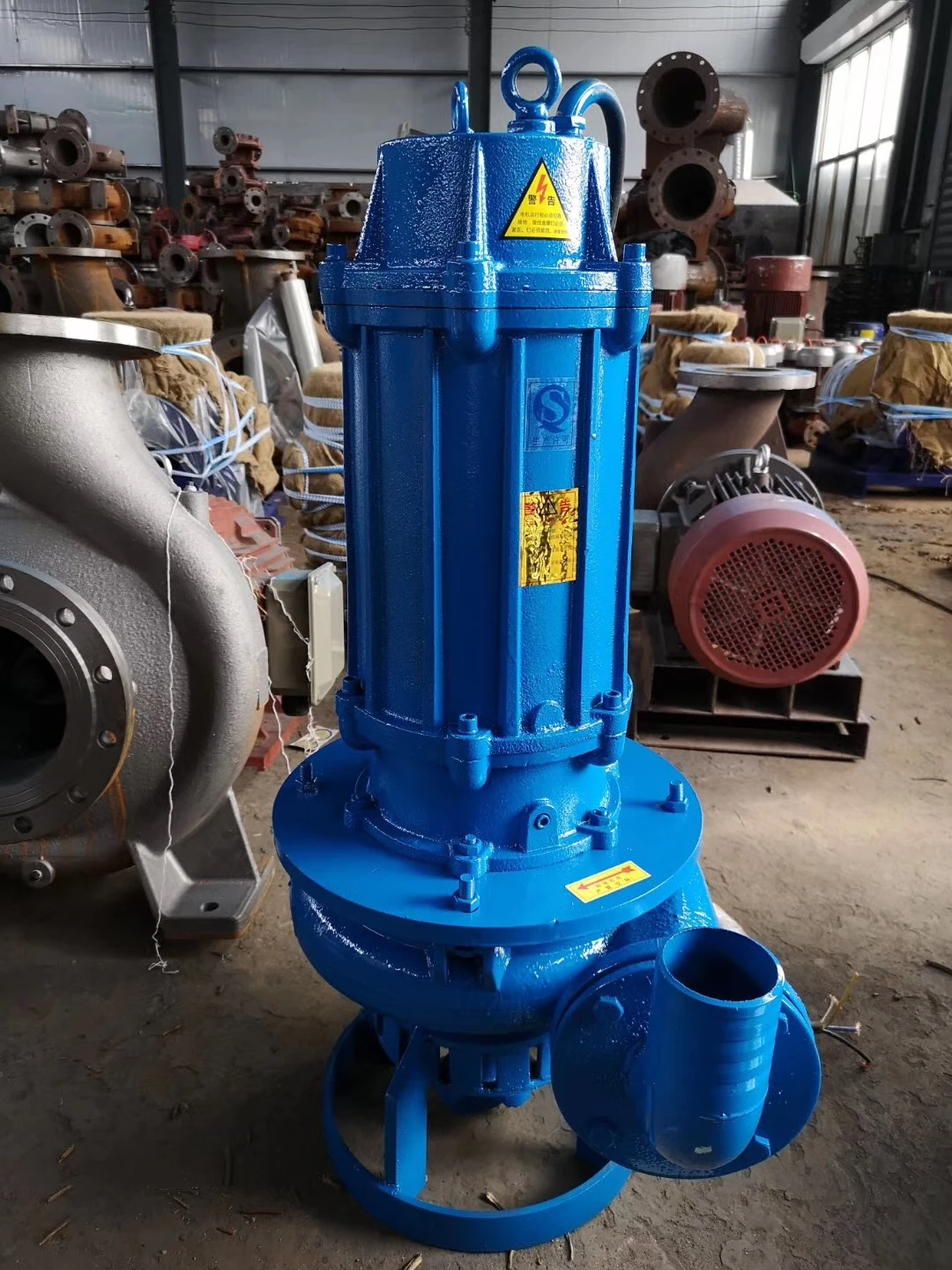
The performance of a self-priming clean water pump is governed by several engineering principles. Force analysis focuses on stresses within the impeller, casing, and shaft due to fluid pressure and rotational forces. Finite element analysis (FEA) is frequently used to optimize component design and prevent stress concentrations. Cavitation, the formation of vapor bubbles in the low-pressure region of the impeller, is a major concern. Proper pump selection and system design are critical to minimize cavitation risk, ensuring a Net Positive Suction Head Available (NPSHa) greater than the Net Positive Suction Head Required (NPSHr) by the pump. Environmental resistance is addressed through material selection and protective coatings. Pumps operating in corrosive environments require corrosion-resistant alloys and appropriate coatings. Temperature considerations are also vital; operating temperatures outside the pump’s specified range can lead to seal failure or material degradation. Compliance requirements vary by region, often adhering to standards for electrical safety (IEC 60335), hydraulic performance (ISO 9906), and mechanical integrity. The self-priming functionality is achieved through a specific impeller design that creates a vacuum within the pump casing during initial start-up, drawing water into the system. A check valve prevents backflow once priming is achieved. The pump’s efficiency is a balance between impeller geometry, casing design, and operating point (flow rate and head). Optimizing these parameters for specific applications is a core engineering challenge.
Technical Specifications
| Model Number | Flow Rate (m³/h) | Head (m) | Power (kW) |
|---|---|---|---|
| SP-80 | 10-20 | 15-30 | 0.75-1.5 |
| SP-100 | 20-30 | 20-40 | 1.5-2.2 |
| SP-125 | 30-40 | 30-50 | 2.2-3.7 |
| SP-150 | 40-60 | 40-60 | 3.7-5.5 |
| SP-200 | 60-80 | 50-70 | 5.5-7.5 |
| SP-250 | 80-100 | 60-80 | 7.5-11 |
Failure Mode & Maintenance
Self-priming clean water pumps are subject to several failure modes. Fatigue cracking in the impeller or casing can occur due to cyclic stresses, especially in applications involving frequent start-stop cycles or fluctuating flow rates. Delamination of protective coatings (e.g., epoxy) can expose the underlying metal to corrosion, leading to premature failure. Seal failure is a common issue, often caused by abrasion, chemical incompatibility, or excessive temperature. Cavitation erosion can damage the impeller vanes, reducing pump efficiency and potentially leading to catastrophic failure. Bearing failure can result from inadequate lubrication, contamination, or excessive load. Oxidation and corrosion of internal components are accelerated by exposure to corrosive fluids or harsh environments. Preventive maintenance is crucial. Regular inspection of seals, bearings, and coatings is essential. Lubrication schedules must be strictly adhered to. The pump system should be designed to prevent cavitation. Strainers and filters should be installed to remove debris and prevent impeller blockage. Periodic performance monitoring (flow rate, head, power consumption) can detect early signs of degradation. For seal replacements, ensure compatibility with the pumped fluid. In cases of severe corrosion, component replacement is often necessary. Proper storage during periods of inactivity is also critical, including draining the pump and protecting it from the elements.
Industry FAQ
Q: What is the primary advantage of a self-priming pump over a standard centrifugal pump in irrigation applications?
A: The key advantage is the elimination of manual priming. Centrifugal pumps typically require filling the suction line with water before operation. Self-priming pumps automatically remove air, making them ideal for irrigation systems where the water source level may fluctuate or where automated operation is desired. This translates to reduced labor costs and improved system reliability.
Q: How does the material of the impeller impact the pump’s suitability for different fluids?
A: The impeller material must be chemically compatible with the pumped fluid. Cast iron is suitable for clean water, but can corrode in acidic or saline solutions. Bronze offers better corrosion resistance. Polymers like polypropylene are ideal for highly corrosive fluids. Incorrect material selection can lead to rapid degradation and pump failure.
Q: What is NPSH, and why is it critical for self-priming pump operation?
A: NPSH (Net Positive Suction Head) represents the absolute pressure at the pump suction. NPSHa is the available pressure, and NPSHr is the required pressure by the pump. If NPSHa < NPSHr, cavitation occurs, damaging the impeller and reducing pump performance. Ensuring adequate NPSH is vital for reliable operation, especially when pumping from low-level sources.
Q: What are the common causes of decreased pump efficiency over time?
A: Decreased efficiency is often caused by impeller wear due to abrasion or cavitation erosion, internal leakage past worn seals, and blockage of the impeller or suction line. Regular inspection and maintenance can identify and address these issues.
Q: What quality control standards should be verified when sourcing self-priming pumps from Chinese manufacturers?
A: Verify adherence to ISO 9906 (hydraulic performance of centrifugal pumps), IEC 60335 (electrical safety), and material certifications (e.g., for stainless steel). Hydrostatic testing reports and performance test curves should also be requested and reviewed. A robust quality management system (e.g., ISO 9001) is a strong indicator of consistent quality.
Conclusion
China self-priming clean water pumps provide a cost-effective and reliable solution for a wide range of fluid transfer applications. Understanding the underlying material science, manufacturing processes, and performance characteristics is crucial for proper pump selection and system design. Addressing potential failure modes through diligent maintenance and adherence to international standards is paramount to ensuring long-term operational efficiency and minimizing downtime.
The continued development of advanced materials and optimized impeller designs will further enhance the performance and durability of these pumps. Procurement managers should prioritize vendors who demonstrate a commitment to quality control, compliance with industry standards, and a thorough understanding of the specific application requirements. Careful consideration of these factors will contribute to a successful and sustainable pumping solution.
-
Precision at the Pump: How Better Machining Protects Flow and Uptime
News2026-11-20
-
Why Pump Reliability Begins Before the First Drop of Fluid
News2026-11-20
-
Beyond the Pump: Designing Safer Access Around Critical Water Infrastructure
News2026-11-20
-
Why Pumping Stations Depend on the Infrastructure Beneath the Pumps
News2026-11-20
-
Beyond the Pump Room: How Smarter Loading Protects Industrial Equipment
News2026-11-19
-
When Pumps Stop: Designing More Resilient Power for Critical Pumping Systems
News2026-11-19
-
The Hidden Role of Dust and Gas Monitoring in Reliable Pump Operations
News2026-11-19
-
The Hidden Role of Mineral Compounds in Extending Industrial Pump Lifespan
News2026-10-12
-
Why Pump System Reliability Depends on Precision Hose Assembly Methods
News2026-09-15
-
How Advanced Imaging Films Are Transforming Pump Component Quality Control
News2026-08-25
-
How Advanced Filtration Protects Pump Systems from Premature Wear and Costly Downtime
News2026-08-25
-
How Steel Material Selection Drives Pump Reliability in Heavy-Duty Systems
News2026-08-25
-
Ensuring Pump System Efficiency: The Role of High-Quality Pipe Fittings and Tubing
News2026-08-24
-
Optimizing Fluid Dynamics and Material Consistency in Industrial Processing
News2026-08-18
-
Innovations and Challenges in Hydraulic Systems for Heavy Machinery
News2026-08-13




