
Telephone: +86 13120555503
Email: frank@cypump.com


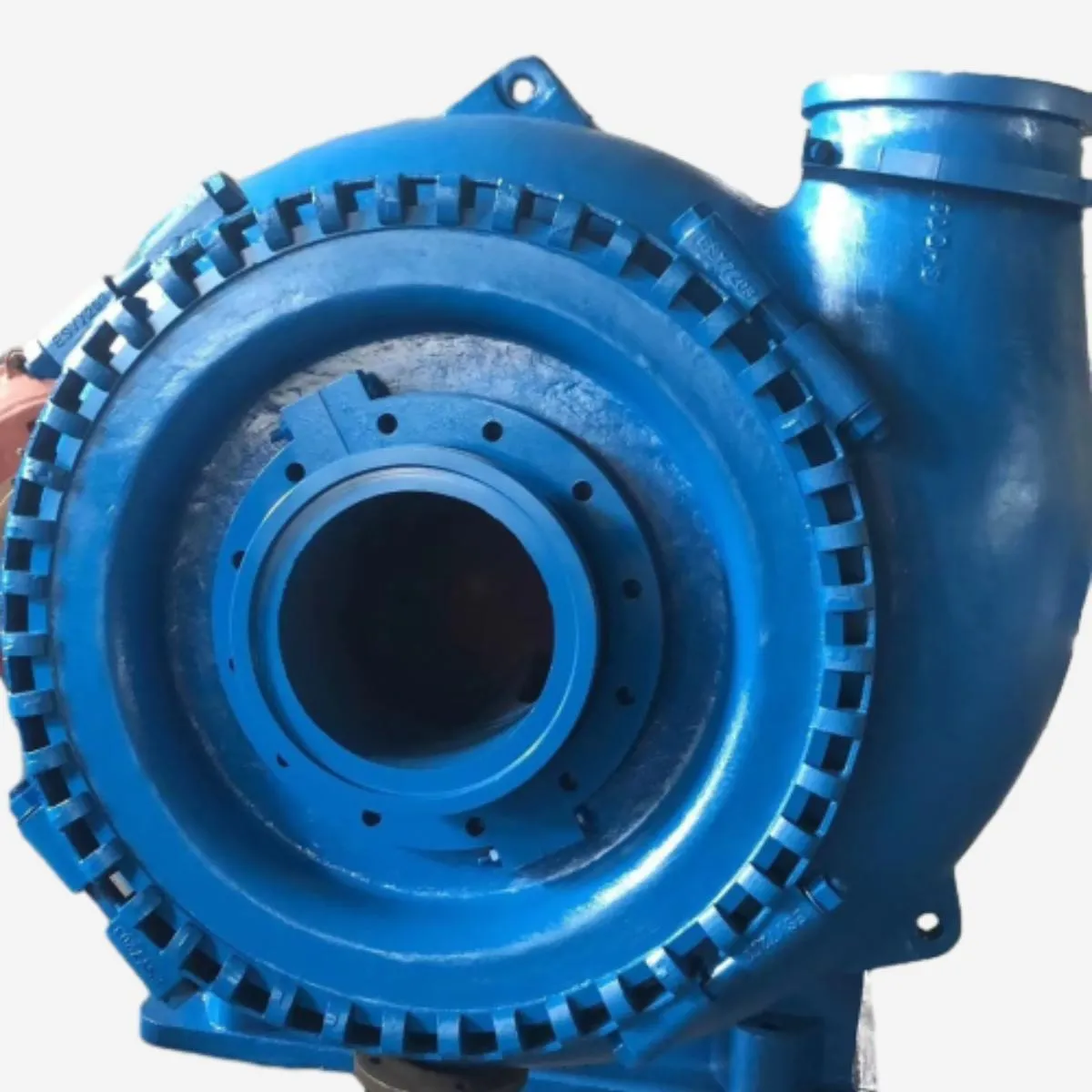
The china portable slurry pump is a specialized industrial fluid-handling device engineered to transport high-density, abrasive fluids—commonly referred to as slurries—across diverse operational environments. Positioned as a critical component in the mid-stream of mining, dredging, and wastewater treatment chains, these pumps are designed to balance high volumetric efficiency with extreme mechanical resilience. Unlike standard centrifugal pumps, a portable slurry pump must manage the rheological complexities of non-Newtonian fluids, where the viscosity and flow behavior change under shear stress. The core technical objective of these units is to minimize the erosion-corrosion synergy that typically degrades internal components when transporting suspended solids such as quartz, tailings, or chemical precipitates. By integrating modular portability with heavy-duty industrial metallurgy, these systems allow for rapid deployment in remote sites while maintaining the rigorous performance standards required for continuous industrial throughput.
The operational longevity of a china portable slurry pump is fundamentally dependent on the metallurgical composition of its wetted parts. To combat the aggressive abrasive nature of slurry, manufacturers employ High-Chromium White Irons (ASTM A532) and Natural Rubber linings. High-chrome alloys, typically containing 25% to 28% chromium, form hard primary carbides (M7C3) within a martensitic matrix, providing a hardness level often exceeding 60 HRC. This structure is essential for resisting "cutting wear" from sharp mineral particles. In contrast, for slurries with smaller particle sizes but higher impact energy, soft-lining materials such as polyurethane or natural rubber are utilized to absorb kinetic energy, thereby preventing the brittle fracture of the pump casing.
The manufacturing process involves precision investment casting for the impeller and volute to ensure hydraulic symmetry and reduce turbulence, which is a primary driver of localized erosion. Post-casting, components undergo a rigorous heat treatment cycle—including austenitizing and quenching—to optimize the balance between hardness and toughness. The assembly process emphasizes the "tightness" of tolerances between the impeller and the wear plate; any excessive clearance leads to recirculation of abrasive particles, accelerating internal wear. Furthermore, the portable chassis is constructed from reinforced carbon steel, treated with epoxy-based anti-corrosive coatings to ensure structural integrity in saline or humid environments.
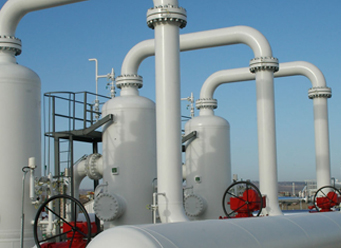
Engineering a portable slurry pump requires a deep analysis of fluid dynamics, specifically the transition from laminar to turbulent flow in the presence of suspended solids. The primary engineering challenge is the prevention of "settling," where the velocity of the fluid drops below the critical deposition velocity, leading to pipe blockage and pump cavitation. To mitigate this, the pump is designed with a high-efficiency closed impeller that maximizes the head (pressure) generated, ensuring the slurry maintains sufficient kinetic energy to keep particles in suspension throughout the discharge pipeline.
Force analysis is conducted on the shaft and bearings to withstand the radial loads induced by unbalanced slurry density. The use of heavy-duty tapered roller bearings ensures that the shaft remains concentric even under the extreme vibration profiles common in portable, diesel-driven configurations. Environmental resistance is achieved through the integration of mechanical seals—often double-seal arrangements with a clean water flushing system—which prevents abrasive particles from entering the bearing housing. Compliance with international safety standards ensures that the portable frame is optimized for center-of-gravity stability, preventing tipping during high-pressure startup transients.
| Parameter Dimension | Standard Range (Portable) | High-Density Spec | Heavy-Duty Spec | Tolerance/Standard |
|---|---|---|---|---|
| Max Flow Rate (m³/h) | 50 - 200 | 150 - 400 | 300 - 800 | ± 5% ISO 9906 |
| Maximum Head (m) | 15 - 45 | 25 - 60 | 40 - 100 | ± 2% Hydraulic |
| Max Particle Size (mm) | 10 - 30 | 30 - 60 | 60 - 120 | Strictly Defined |
| Impeller Material | High-Chrome Alloy | Hardened Alloy | Specialty Ceramic | ASTM A532 |
| Casing Liner | Natural Rubber | Polyurethane | High-Chrome Steel | Shore A 65-75 |
| Motor/Engine Type | Diesel / Electric | High-Torque Diesel | Industrial Prime | EU Stage V / EPA |
The failure modes of a china portable slurry pump are typically categorized by mechanical wear and hydraulic instability. Abrasive Wear (Erosion) is the most prevalent failure, manifesting as thinning of the volute walls and rounding of the impeller vanes. This is often caused by operating the pump too far from its Best Efficiency Point (BEP), which induces vortices and increases the impingement angle of particles against the metal surfaces. Cavitation occurs when the Net Positive Suction Head available (NPSHa) falls below the required (NPSHr), causing vapor bubbles to collapse and create micro-pitting on the impeller eye.
Maintenance protocols must be rigorous to prevent catastrophic failure. Weekly inspections should focus on the vibration analysis of the bearing housing and the measurement of the clearance between the impeller and the suction liner. When the liner thickness reaches 20% of its original dimension, replacement is mandatory to protect the outer casing. Lubrication systems must be monitored for contamination; the presence of slurry in the oil indicates a seal failure, requiring immediate replacement of the mechanical seal assembly to prevent shaft scoring. For portable units, ensuring the alignment of the engine and pump coupling is critical to avoid premature bearing fatigue due to angular misalignment.
A: The selection depends on the particle size and the chemical nature of the slurry. For fine, abrasive particles (e.g., silica sand), natural rubber is preferred due to its elasticity. For coarse, jagged particles (e.g., crushed rock), high-chrome alloys are required to resist cutting and impact wear. If the slurry is acidic or alkaline, specialized elastomers or duplex stainless steels are employed.
A: The primary cause is typically "dry running" or operating at excessively low flow rates, which leads to localized heating and thermal shock. Additionally, pumping solids that exceed the rated maximum particle size can cause mechanical blockage and sudden torque spikes, leading to impeller shaft shear or vane fracture.
A: Portability often means the pump is placed at varying elevations relative to the source. To compensate for potential suction lift challenges, these pumps are engineered with larger suction inlets and optimized impeller eye geometries to lower the NPSHr, allowing for stable operation even with suboptimal priming conditions.
A: Yes, but they require a specific impeller design with a wider flow path to reduce shear thinning and prevent plugging. The motor must also be sized for a higher starting torque to overcome the initial static yield stress of the thickened slurry.
A: While it depends on the slurry's concentration, a standard a-class abrasive slurry typically requires liner and impeller inspection every 500 to 1,000 operating hours. We recommend utilizing ultrasonic thickness gauges to monitor liner wear without dismantling the pump.
The engineering of a china portable slurry pump is a complex intersection of material science and fluid dynamics, where success is measured by the ability to maximize the mean time between failures (MTBF) in the face of extreme abrasion. By utilizing high-chromium alloys and precision-engineered hydraulic paths, these pumps solve the critical industry pain point of balancing portability with industrial-grade durability, ensuring efficient solids transport in the most challenging terrains.
Looking forward, the integration of smart sensors for real-time wear monitoring and the adoption of advanced ceramic composites will likely further extend the operational life of these systems. For procurement and engineering teams, the focus must remain on matching the specific metallurgical properties of the pump to the rheological profile of the slurry to ensure optimal total cost of ownership and operational reliability.




