English
- Afrikaans
- Albanian
- Amharic
- Arabic
- Armenian
- Azerbaijani
- Basque
- Belarusian
- Bengali
- Bosnian
- Bulgarian
- Catalan
- Cebuano
- Corsican
- Croatian
- Czech
- Danish
- Dutch
- English
- Esperanto
- Estonian
- Finnish
- French
- Frisian
- Galician
- Georgian
- German
- Greek
- Gujarati
- Haitian Creole
- hausa
- hawaiian
- Hebrew
- Hindi
- Miao
- Hungarian
- Icelandic
- igbo
- Indonesian
- irish
- Italian
- Japanese
- Javanese
- Kannada
- kazakh
- Khmer
- Rwandese
- Korean
- Kurdish
- Kyrgyz
- Lao
- Latin
- Latvian
- Lithuanian
- Luxembourgish
- Macedonian
- Malgashi
- Malay
- Malayalam
- Maltese
- Maori
- Marathi
- Mongolian
- Myanmar
- Nepali
- Norwegian
- Norwegian
- Occitan
- Pashto
- Persian
- Polish
- Portuguese
- Punjabi
- Romanian
- Russian
- Samoan
- Scottish Gaelic
- Serbian
- Sesotho
- Shona
- Sindhi
- Sinhala
- Slovak
- Slovenian
- Somali
- Spanish
- Sundanese
- Swahili
- Swedish
- Tagalog
- Tajik
- Tamil
- Tatar
- Telugu
- Thai
- Turkish
- Turkmen
- Ukrainian
- Urdu
- Uighur
- Uzbek
- Vietnamese
- Welsh
- Bantu
- Yiddish
- Yoruba
- Zulu

Telephone: +86 13120555503
Email: frank@cypump.com


Apr . 01, 2024 17:55 Back to list
china oem horizontal slurry pump Performance Engineering
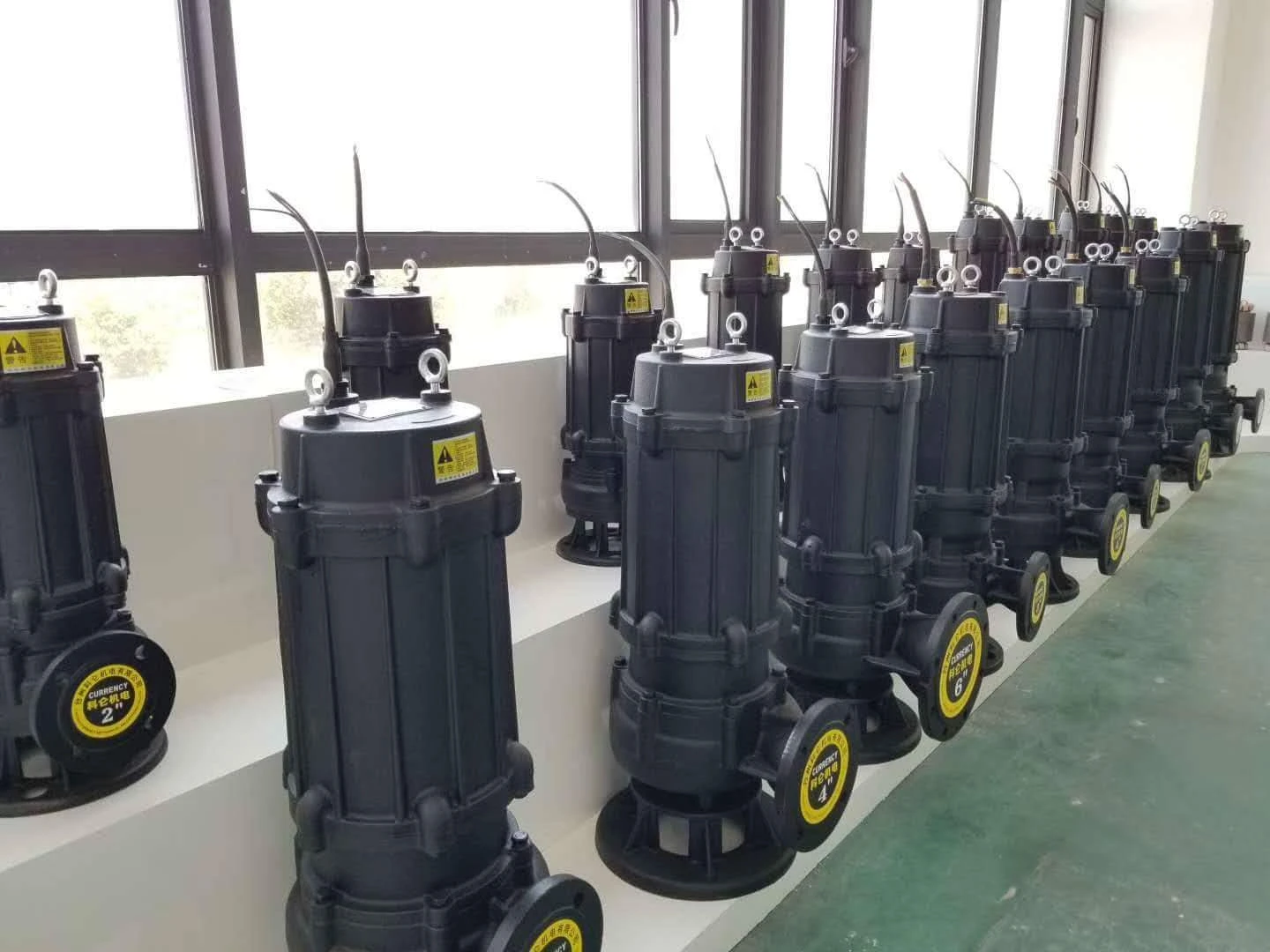
Introduction
Horizontal slurry pumps, particularly those manufactured as OEM products in China, represent a critical component in numerous industrial processes. These pumps are designed for the transport of abrasive, corrosive, and high-solids content fluids. Their technical position within the industry chain falls between upstream materials processing (casting, machining) and downstream applications in sectors such as mining, wastewater treatment, dredging, and chemical processing. Core performance characteristics are defined by flow rate (m³/h), head (meters), solids handling capability (particle size and concentration), and wear resistance, all balanced against energy efficiency and operational lifespan. A key industry pain point revolves around balancing cost-effectiveness – a primary driver for OEM sourcing – with the long-term reliability and total cost of ownership associated with slurry pump operation. Premature failure due to material selection, improper component matching, or inadequate sealing can lead to significant downtime and maintenance expenses. This guide provides a detailed technical overview of China OEM horizontal slurry pumps, covering material science, manufacturing processes, performance engineering, failure modes, and maintenance protocols.
Material Science & Manufacturing
The performance and longevity of a horizontal slurry pump are fundamentally tied to the materials used in its construction. Impellers and volute casings are commonly manufactured from high-chrome cast iron (typically 26-28% Cr) due to its exceptional abrasion resistance. This alloy forms hard carbides during solidification, significantly improving wear characteristics. Shaft materials often utilize high-strength alloy steels (e.g., 4140, 4340) subjected to heat treatment to enhance tensile strength and torsional rigidity, resisting bending and fatigue stresses. Seals are critically important and frequently employ elastomers such as natural rubber, EPDM, or Viton, selected based on the chemical compatibility with the slurry being pumped. The manufacturing process begins with patternmaking for the castings. Precise sand casting, followed by rigorous quality control through non-destructive testing (NDT) like radiography and ultrasonic inspection, is essential to detect internal flaws. Machining operations, including milling, turning, and grinding, are then performed to achieve tight tolerances on critical components. Welding, particularly for pump housings and pipelines, must adhere to standards like AWS D1.1 (Structural Welding Code – Steel). Parameter control during welding – preheat temperature, welding current, voltage, and shielding gas composition – is vital to prevent cracking and maintain weld metal integrity. Surface coatings, such as tungsten carbide overlays, are increasingly employed on impellers and liners to further extend wear life in highly abrasive applications. The OEM manufacturing process involves a high degree of process control to maintain consistent material properties and dimensional accuracy, enabling reliable pump operation.
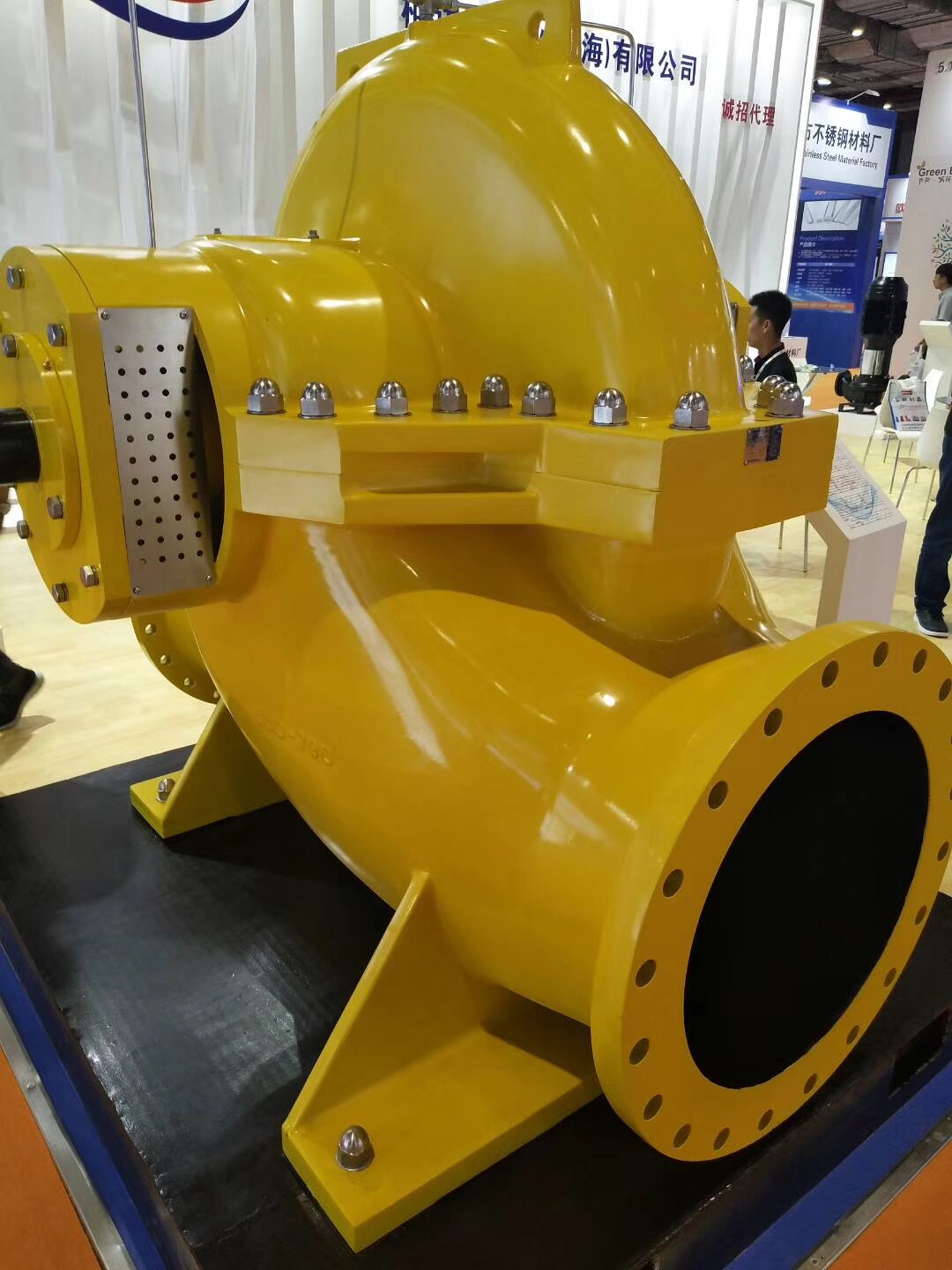
Performance & Engineering
The performance of a horizontal slurry pump is governed by fundamental hydraulic principles and mechanical engineering considerations. Force analysis focuses on the impeller's dynamic loads, considering the impact of solid particles, fluid pressure, and rotational speed. Cavitation is a significant concern, occurring when the absolute pressure at the impeller inlet drops below the vapor pressure of the fluid, leading to bubble formation and subsequent implosion, causing erosion and noise. Net Positive Suction Head Required (NPSHr) – a pump-specific parameter – must be carefully matched to Net Positive Suction Head Available (NPSHa) in the system to prevent cavitation. Environmental resistance is critical, particularly in corrosive environments. Material selection, as discussed previously, is paramount. Coatings and cathodic protection can mitigate corrosion effects. Pump performance curves, detailing flow rate versus head, power consumption, and efficiency, are essential for system design and pump selection. These curves are generated through standardized testing procedures (e.g., ISO 9906:2012 - Rotodynamic pumps – Hydraulic performance). Compliance requirements vary by region and application. For example, pumps used in the food and beverage industry must meet sanitary standards (e.g., 3-A Sanitary Standards). Pumps handling flammable fluids require ATEX certification (Equipment for potentially explosive atmospheres). Finite element analysis (FEA) is frequently used during the design phase to optimize impeller geometry, casing thickness, and shaft design, ensuring structural integrity and minimizing vibration.
Technical Specifications
| Parameter | Unit | Typical Range (China OEM Pumps) | Typical Application |
|---|---|---|---|
| Flow Rate | m³/h | 10 – 1000 | Mining, Wastewater Treatment |
| Total Head | m | 10 – 80 | Dredging, Chemical Processing |
| Solids Handling | mm | Up to 150 | Sludge, Abrasive Slurries |
| Slurry Concentration | % by Weight | Up to 70 | Mineral Processing, Tailings |
| Impeller Material | - | High-Chrome Cast Iron (26-28% Cr) | Abrasion Resistance |
| Casing Material | - | High-Chrome Cast Iron, Rubber Lined | Corrosion and Abrasion Resistance |
Failure Mode & Maintenance
Horizontal slurry pumps are susceptible to several failure modes. Fatigue cracking, particularly in the impeller and shaft, can occur due to cyclical loading and stress concentration. Erosion, caused by the impact of solid particles, is a primary concern, leading to impeller and liner wear. Corrosion, especially in acidic or alkaline slurries, degrades pump components, reducing their structural integrity. Seal failures, resulting from abrasive wear, chemical attack, or improper installation, lead to leakage and reduced pump efficiency. Delamination of rubber linings can occur due to bond failure between the rubber and the metal substrate. Oxidation of metallic components can cause surface degradation and reduce material strength. Preventive maintenance is crucial. Regular inspection of impellers, liners, and seals for wear and damage is essential. Lubrication of bearings, following manufacturer’s recommendations, prevents bearing failure. Vibration analysis can detect imbalances and misalignment. Periodically checking and tightening flange connections prevents leakage. Proper alignment of the pump and motor reduces stress on the shaft and bearings. For rubber-lined pumps, periodic inspection of the lining for delamination is critical. When replacing components, using OEM-approved parts ensures compatibility and maintains pump performance. A robust maintenance schedule, coupled with proactive monitoring, significantly extends pump lifespan and minimizes downtime.
Industry FAQ
Q: What are the key considerations when selecting a slurry pump for a highly abrasive application?
A: The primary considerations are the solids concentration and size, the slurry’s abrasiveness (measured by hardness testing), and the operating hours. High-chrome cast iron impellers are standard, but tungsten carbide overlays or ceramic liners may be necessary for extreme abrasion. A lower impeller speed generally reduces wear. Also, consider a pump with replaceable wear parts to minimize downtime.
Q: How can I mitigate cavitation damage in my slurry pump system?
A: Ensure sufficient NPSHa by minimizing suction lift, increasing tank pressure, or reducing fluid temperature. Select a pump with an appropriate NPSHr for the application. Avoid restrictions in the suction piping. Regularly inspect the impeller for signs of cavitation damage (pitting and erosion).
Q: What is the role of the impeller design in slurry pump performance?
A: The impeller design dictates the pump's hydraulic characteristics – flow rate, head, and efficiency. Impeller vane geometry, number of vanes, and impeller diameter are critical parameters. Open impellers are preferred for handling solids, while closed impellers are more efficient for clean fluids.
Q: What are the advantages of using a rubber-lined pump casing?
A: Rubber linings provide excellent corrosion resistance, particularly against acidic and abrasive slurries. They also dampen noise and vibration. However, rubber linings have limitations in temperature and mechanical strength.
Q: How frequently should I replace the mechanical seals in my slurry pump?
A: Seal replacement frequency depends on the slurry's abrasiveness and chemical properties. As a general guideline, inspect seals every 3-6 months. Replace them when signs of wear, leakage, or damage are observed. Keep a log of seal replacement intervals to optimize maintenance schedules.
Conclusion
China OEM horizontal slurry pumps represent a cost-effective solution for a wide range of industrial fluid handling applications. However, optimizing performance and ensuring long-term reliability necessitates a thorough understanding of material science, manufacturing processes, hydraulic principles, and potential failure modes. Careful selection of materials, meticulous quality control during manufacturing, and a proactive maintenance program are paramount to maximizing the pump’s lifespan and minimizing total cost of ownership.
Future advancements in slurry pump technology are likely to focus on improved impeller designs for enhanced efficiency, the development of more durable wear-resistant materials, and the integration of smart sensors for predictive maintenance. Furthermore, adherence to stringent international standards and a commitment to continuous improvement will be critical for China OEM manufacturers to maintain their competitive edge in the global market.
-
Precision at the Pump: How Better Machining Protects Flow and Uptime
News2026-11-20
-
Why Pump Reliability Begins Before the First Drop of Fluid
News2026-11-20
-
Beyond the Pump: Designing Safer Access Around Critical Water Infrastructure
News2026-11-20
-
Why Pumping Stations Depend on the Infrastructure Beneath the Pumps
News2026-11-20
-
Beyond the Pump Room: How Smarter Loading Protects Industrial Equipment
News2026-11-19
-
When Pumps Stop: Designing More Resilient Power for Critical Pumping Systems
News2026-11-19
-
The Hidden Role of Dust and Gas Monitoring in Reliable Pump Operations
News2026-11-19
-
The Hidden Role of Mineral Compounds in Extending Industrial Pump Lifespan
News2026-10-12
-
Why Pump System Reliability Depends on Precision Hose Assembly Methods
News2026-09-15
-
How Advanced Imaging Films Are Transforming Pump Component Quality Control
News2026-08-25
-
How Advanced Filtration Protects Pump Systems from Premature Wear and Costly Downtime
News2026-08-25
-
How Steel Material Selection Drives Pump Reliability in Heavy-Duty Systems
News2026-08-25
-
Ensuring Pump System Efficiency: The Role of High-Quality Pipe Fittings and Tubing
News2026-08-24
-
Optimizing Fluid Dynamics and Material Consistency in Industrial Processing
News2026-08-18
-
Innovations and Challenges in Hydraulic Systems for Heavy Machinery
News2026-08-13




