English
- Afrikaans
- Albanian
- Amharic
- Arabic
- Armenian
- Azerbaijani
- Basque
- Belarusian
- Bengali
- Bosnian
- Bulgarian
- Catalan
- Cebuano
- Corsican
- Croatian
- Czech
- Danish
- Dutch
- English
- Esperanto
- Estonian
- Finnish
- French
- Frisian
- Galician
- Georgian
- German
- Greek
- Gujarati
- Haitian Creole
- hausa
- hawaiian
- Hebrew
- Hindi
- Miao
- Hungarian
- Icelandic
- igbo
- Indonesian
- irish
- Italian
- Japanese
- Javanese
- Kannada
- kazakh
- Khmer
- Rwandese
- Korean
- Kurdish
- Kyrgyz
- Lao
- Latin
- Latvian
- Lithuanian
- Luxembourgish
- Macedonian
- Malgashi
- Malay
- Malayalam
- Maltese
- Maori
- Marathi
- Mongolian
- Myanmar
- Nepali
- Norwegian
- Norwegian
- Occitan
- Pashto
- Persian
- Polish
- Portuguese
- Punjabi
- Romanian
- Russian
- Samoan
- Scottish Gaelic
- Serbian
- Sesotho
- Shona
- Sindhi
- Sinhala
- Slovak
- Slovenian
- Somali
- Spanish
- Sundanese
- Swahili
- Swedish
- Tagalog
- Tajik
- Tamil
- Tatar
- Telugu
- Thai
- Turkish
- Turkmen
- Ukrainian
- Urdu
- Uighur
- Uzbek
- Vietnamese
- Welsh
- Bantu
- Yiddish
- Yoruba
- Zulu

Telephone: +86 13120555503
Email: frank@cypump.com


Apr . 01, 2024 17:55 Back to list
china oem high head slurry pump Technical Dimension and Performance Analysis
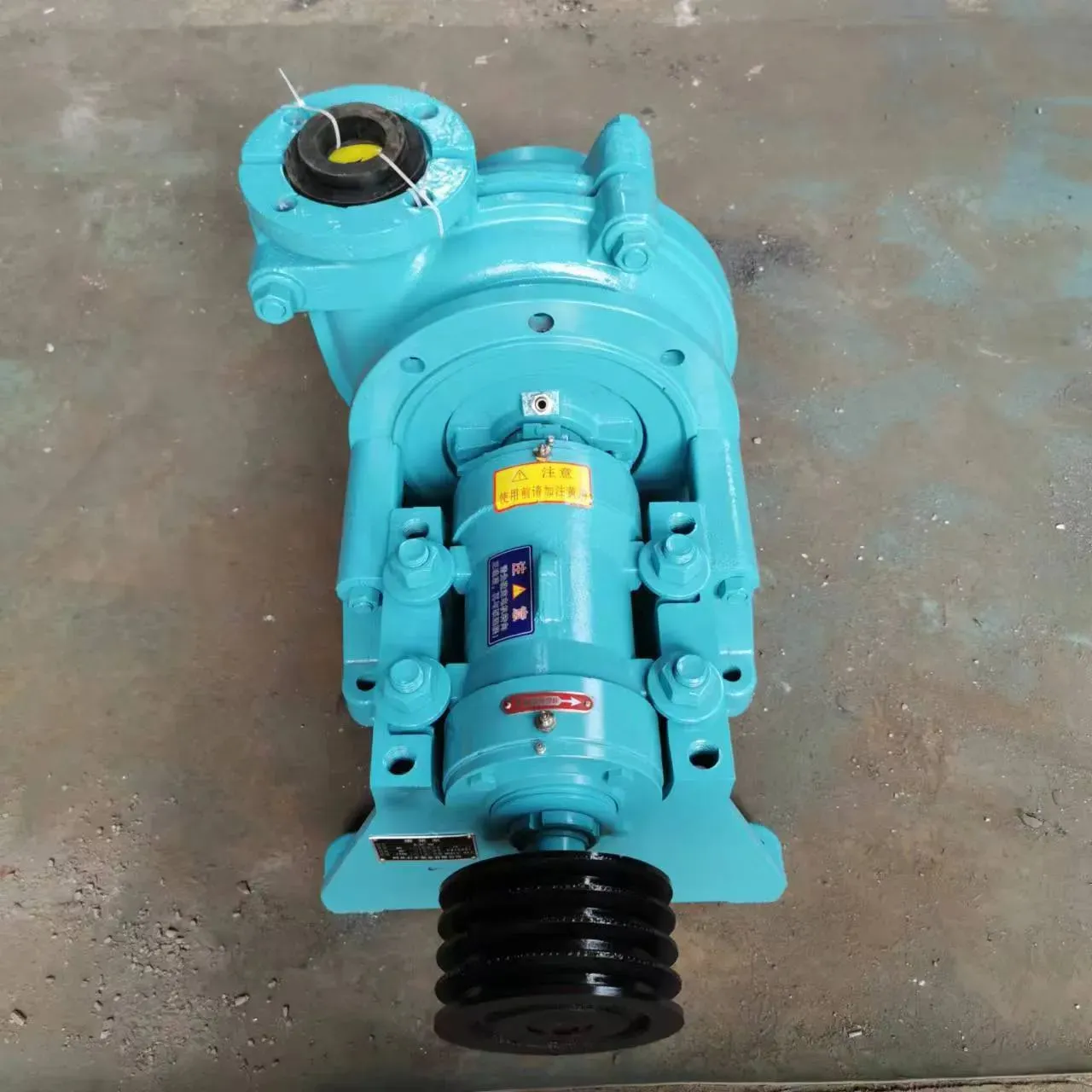
China OEM High Head Slurry Pump: Technical Dimension and Performance Analysis
A China OEM high head slurry pump is a specialized centrifugal industrial machine engineered to transport high-density, abrasive fluids—known as slurries—across significant vertical elevations or long horizontal distances. In the industrial chain, these pumps serve as the critical nexus between extraction and processing in mining, mineral processing, and dredging operations. Unlike standard centrifugal pumps, high head slurry pumps are optimized for higher discharge pressures and extreme volumetric flow rates of non-Newtonian fluids. The core performance metrics revolve around the pump's ability to maintain a stable Total Dynamic Head (TDH) while resisting the aggressive erosive wear caused by suspended solids. By integrating advanced hydraulic design with metallurgy, these OEM solutions address the industry's fundamental challenge: balancing the high kinetic energy required for head lift with the material longevity required to minimize downtime in abrasive environments.
Material Science & Manufacturing
The manufacturing of high head slurry pumps is governed by the physics of abrasive wear and corrosive attack. The primary focus is the selection of materials for the impeller and volute, where the fluid velocity is highest. High-chromium cast irons (typically 27% Cr) are employed due to their martensitic matrix and primary M7C3 carbides, providing a hardness level often exceeding 60 HRC. For environments where chemical corrosion coincides with abrasion, duplex stainless steels or specialized rubber linings are utilized to prevent leaching and surface pitting.
The manufacturing process employs precision investment casting for the impeller to ensure strict adherence to hydraulic profiles, reducing turbulence and cavitation risks. Key parameter control during production includes the heat treatment cycle—specifically quenching and tempering—to eliminate internal stresses and ensure uniform hardness across the cross-section of the casting. Furthermore, the pump shaft is typically manufactured from 42CrMo alloy steel, precision-ground and induction-hardened at the bearing and seal interfaces to prevent galling. The assembly involves high-precision machining of the casing to ensure a tight tolerance fit, which is essential for maintaining volumetric efficiency at high pressures.
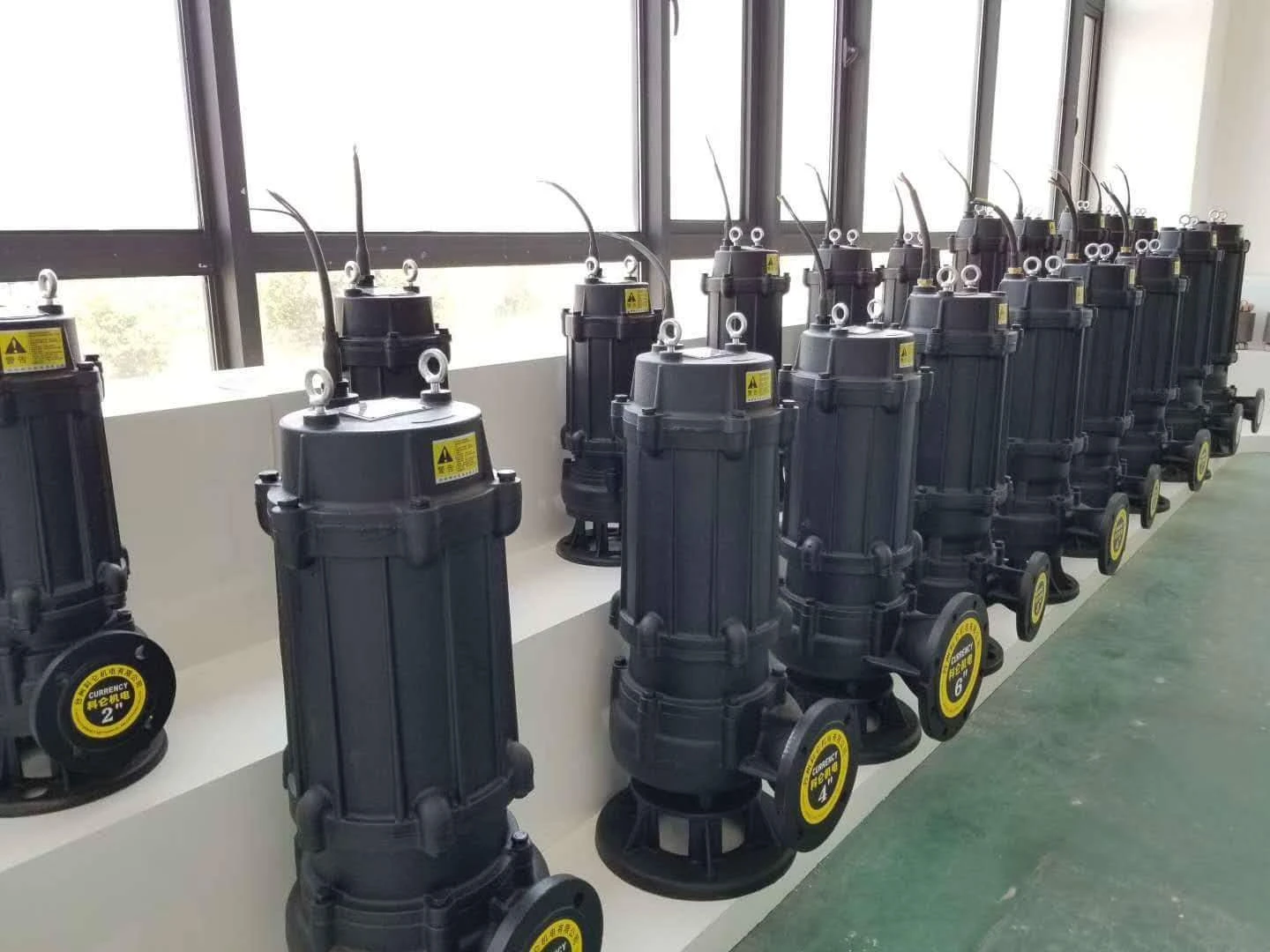
Performance & Engineering
Engineering a high head slurry pump requires a rigorous force analysis to manage the radial and axial thrust generated by the fluid's high density. The hydraulic design employs a closed or semi-open impeller with optimized vane geometry to minimize shear stress and prevent the settling of solids within the pump casing. To achieve "high head" performance, the pump often utilizes a multi-stage configuration or a high-speed single-stage design with an increased impeller diameter and optimized discharge throat.
Environmental resistance is managed through the implementation of advanced sealing systems. Exponential seal water systems are used to maintain a positive pressure barrier, preventing abrasive particles from entering the bearing housing. Compliance requirements focus on the Net Positive Suction Head Required (NPSHr) versus the Net Positive Suction Head Available (NPSHa); any deficit leads to cavitation, which manifests as vapor bubbles collapsing against the impeller surface, causing rapid pitting. From an engineering standpoint, the pump's efficiency is calculated not just by water flow, but by its ability to handle specific gravity (SG) variations, where an increase in slurry density necessitates a proportional increase in motor torque and power consumption to maintain the target head.
Technical Specifications
| Parameter Dimension | Standard Range (Medium Head) | High Head Specification | Ultra-High Head Specification | Unit of Measure |
|---|---|---|---|---|
| Total Dynamic Head (TDH) | 20 - 50 | 60 - 120 | 150 - 250+ | Meters (m) |
| Max Flow Rate (Q) | 100 - 500 | 200 - 800 | 300 - 1200 | m³/h |
| Material Hardness | 50 - 55 | 58 - 62 | 64 - 68 | HRC |
| Max Slurry Density | 1.2 - 1.4 | 1.5 - 1.7 | 1.8 - 2.1 | SG (Specific Gravity) |
| Impeller Type | Open | Semi-Closed | Closed / Multi-stage | Design Type |
| Operating Speed | 1450 - 2200 | 2200 - 2950 | 2950 - 3600 | RPM |
Failure Mode & Maintenance
The failure modes of high head slurry pumps are primarily driven by the synergy of erosion and corrosion. The most frequent failure is "impeller vane thinning," where the high velocity of abrasive particles strips the material from the leading edge of the impeller, leading to a drop in TDH and volumetric efficiency. Another critical failure mode is "mechanical seal degradation," caused by the ingress of slurry particles into the seal faces, resulting in catastrophic leakage and potential bearing contamination.
Fatigue cracking can occur in the pump casing if the system operates frequently outside its Best Efficiency Point (BEP), inducing excessive vibration and cyclic loading. To mitigate these failures, a professional maintenance regime is required: 1. Vibration analysis should be performed monthly to detect early signs of misalignment or impeller imbalance. 2. Wear liners must be measured using ultrasonic thickness gauges to schedule replacements before the pressure boundary is compromised. 3. Lubrication systems must be monitored for particulate contamination using oil analysis. When replacing components, it is critical to ensure the correct torque specifications for the casing bolts to prevent gasket blow-outs under high-head pressure.
Industry FAQ
Q: How does increasing the slurry density affect the pump's head capacity?
A: Increasing the slurry density increases the fluid's viscosity and specific gravity, which increases the frictional losses within the pipework and the pump. This effectively reduces the net head available at the discharge point, requiring a higher power input to maintain the same flow rate.
Q: What is the primary indicator that the impeller requires replacement in a high head system?
A: The primary indicator is a gradual decline in the discharge pressure (head) while the motor current remains constant or decreases, accompanied by an increase in vibration levels and a drop in total flow rate (m³/h).
Q: Can high chromium alloys be used for all slurry types?
A: Not necessarily. While high chromium alloys provide superior abrasion resistance, they may be susceptible to corrosion in highly acidic or alkaline slurries. In such cases, duplex stainless steels or specialized polymer linings are recommended to prevent chemical attack.
Q: What is the risk of running a high head slurry pump at a flow rate below its BEP?
A: Operating significantly below the Best Efficiency Point (BEP) leads to internal recirculation and increased turbulence, which accelerates wear on the impeller and can cause severe vibration and shaft deflection, leading to premature bearing failure.
Q: How is NPSHr calculated for high-density slurries compared to clean water?
A: The NPSHr for slurries is higher than for clean water because the presence of solids increases the internal friction and modifies the fluid's vapor pressure characteristics. Engineers must apply a correction factor to the water-based NPSHr to account for the slurry's specific gravity and viscosity.
Conclusion
The China OEM high head slurry pump represents a sophisticated integration of material science and fluid dynamics, specifically engineered to overcome the challenges of transporting abrasive media under high-pressure conditions. By leveraging high-chromium alloys and precision hydraulic engineering, these pumps maximize operational uptime and energy efficiency in the most demanding industrial environments. The technical success of these systems relies on the meticulous balance between material hardness, impeller geometry, and the management of Total Dynamic Head.
Looking forward, the industry is shifting toward "intelligent slurry management," incorporating real-time wear monitoring sensors and variable frequency drives (VFDs) to optimize power consumption based on slurry density fluctuations. For procurement and engineering teams, the focus must remain on the rigorous alignment of pump specifications with the actual mineralogical properties of the slurry to ensure long-term structural integrity and operational reliability.
-
sand gravel pump Performance Analysis
News2026-06-02
-
sand and gravel dredge pumps Performance Analysis
News2026-06-02
-
terapump aquarium gravel sand bpafree pump Performance Analysis
News2026-06-02
-
sand and gravel pump Material Science Manufacturing
News2026-06-02
-
air pump sand and gravel Performance Analysis
News2026-06-02
-
submersible pump for sewage treatment plant Performance Analysis
News2026-06-01
-
single phase sewage submersible pump Material Science Manufacturing
News2026-06-01
-
sewage water submersible pump Material Science Manufacturing
News2026-06-01
-
Sewage Submersible Pump Price List Performance Analysis
News2026-06-01
-
sewage submersible pump 3hp Performance Analysis
News2026-06-01
-
submersible effluent sewage pump Performance Analysis
News2026-05-31
-
stainless steel submersible sewage pumps Performance Engineering
News2026-05-31
-
stainless steel submersible sewage pump Material Science Manufacturing
News2026-05-31
-
Sewage Submersible Pump Installation Performance Analysis
News2026-05-31
-
sewage submersible pump 2hp Performance Analysis
News2026-05-31




