English
- Afrikaans
- Albanian
- Amharic
- Arabic
- Armenian
- Azerbaijani
- Basque
- Belarusian
- Bengali
- Bosnian
- Bulgarian
- Catalan
- Cebuano
- Corsican
- Croatian
- Czech
- Danish
- Dutch
- English
- Esperanto
- Estonian
- Finnish
- French
- Frisian
- Galician
- Georgian
- German
- Greek
- Gujarati
- Haitian Creole
- hausa
- hawaiian
- Hebrew
- Hindi
- Miao
- Hungarian
- Icelandic
- igbo
- Indonesian
- irish
- Italian
- Japanese
- Javanese
- Kannada
- kazakh
- Khmer
- Rwandese
- Korean
- Kurdish
- Kyrgyz
- Lao
- Latin
- Latvian
- Lithuanian
- Luxembourgish
- Macedonian
- Malgashi
- Malay
- Malayalam
- Maltese
- Maori
- Marathi
- Mongolian
- Myanmar
- Nepali
- Norwegian
- Norwegian
- Occitan
- Pashto
- Persian
- Polish
- Portuguese
- Punjabi
- Romanian
- Russian
- Samoan
- Scottish Gaelic
- Serbian
- Sesotho
- Shona
- Sindhi
- Sinhala
- Slovak
- Slovenian
- Somali
- Spanish
- Sundanese
- Swahili
- Swedish
- Tagalog
- Tajik
- Tamil
- Tatar
- Telugu
- Thai
- Turkish
- Turkmen
- Ukrainian
- Urdu
- Uighur
- Uzbek
- Vietnamese
- Welsh
- Bantu
- Yiddish
- Yoruba
- Zulu

Telephone: +86 13120555503
Email: frank@cypump.com


Apr . 01, 2024 17:55 Back to list
china mud slurry pump Performance Analysis
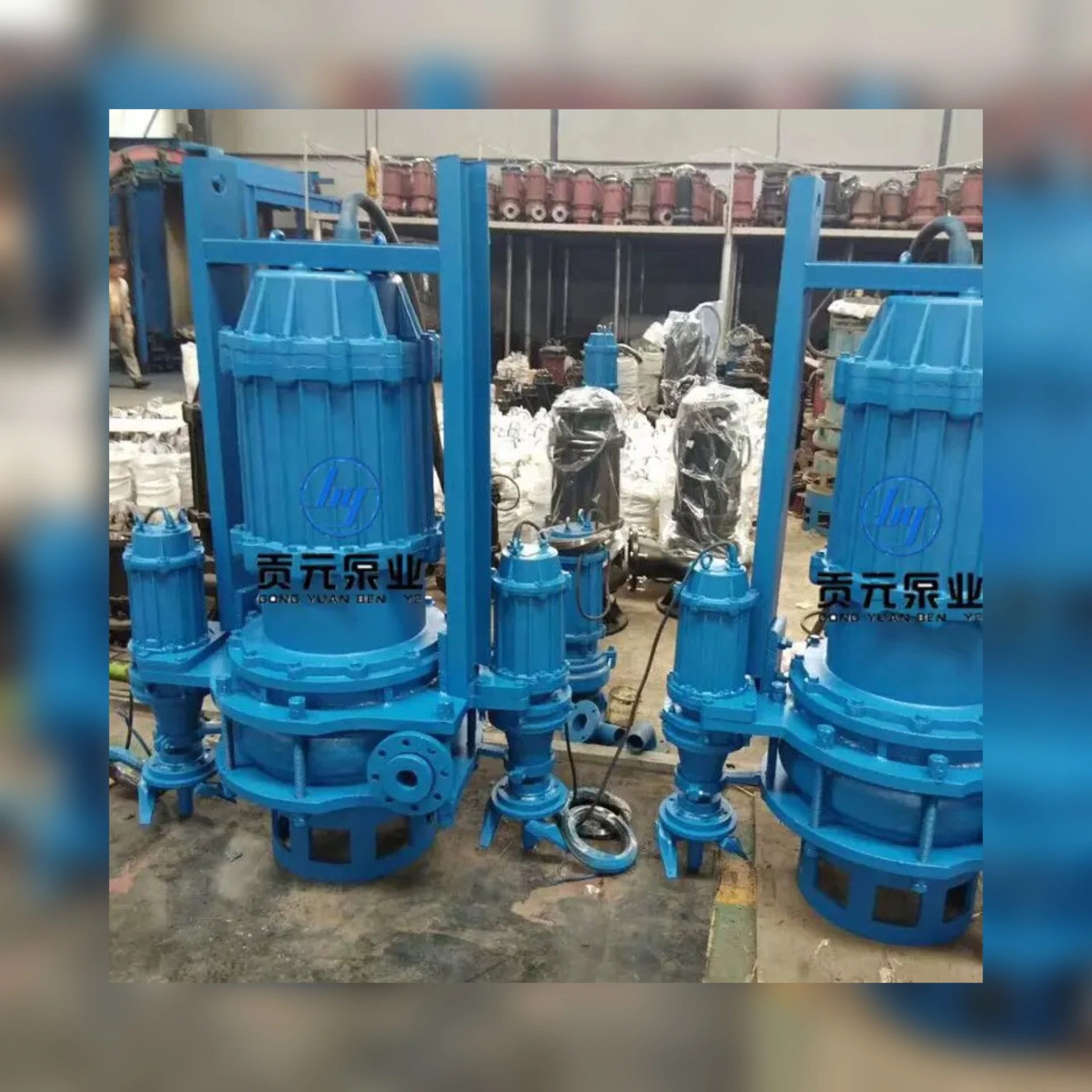
China Mud Slurry Pump Performance Analysis
The China mud slurry pump is a specialized heavy-duty centrifugal pumping system engineered for the transport of high-density, abrasive, and corrosive fluids. Positioned as a critical component in the industrial value chain for mining, dredging, and chemical processing, these pumps are designed to handle non-Newtonian fluids characterized by high solid concentrations. The technical core of the slurry pump lies in its ability to maintain volumetric efficiency while resisting the aggressive mechanical erosion caused by suspended particulate matter. By integrating advanced hydraulic design with high-chromium alloys, these systems ensure operational continuity in extreme environments where standard centrifugal pumps would suffer rapid catastrophic failure. The primary engineering objective is the optimization of the "critical solids concentration" threshold to prevent sedimentation within the pump casing while minimizing the energy consumption associated with high-viscosity fluid transport.
Material Science & Manufacturing
The longevity of a China mud slurry pump is fundamentally determined by the metallurgical composition of its wetted parts. The primary material utilized for impellers and liners is High-Chromium White Iron (ASTM A532), typically featuring a chromium content between 25% and 28%. This material is engineered to produce a microstructure consisting of hard M7C3 carbides embedded in a tempered martensitic matrix, providing a hardness typically exceeding 60 HRC. This combination is essential to combat the abrasive wear caused by silica and other hard minerals found in slurry.
Manufacturing processes employ precision investment casting followed by rigorous heat treatment cycles—including austenitizing and quenching—to eliminate internal stresses and ensure uniform carbide distribution. The pump casing is often constructed from heavy-duty cast steel or ductile iron to provide the structural rigidity required to withstand high internal pressures and hydraulic shocks. Furthermore, the manufacturing of the shaft involves the use of forged alloy steels, such as 42CrMo, which are surface-hardened through induction hardening to prevent shaft deflection and fatigue failure at the seal interface. Key parameter control during production focuses on the "clearance gap" between the impeller and the wear plate; excessive gaps lead to internal recirculation and increased erosion, while insufficient gaps risk mechanical seizure during thermal expansion.
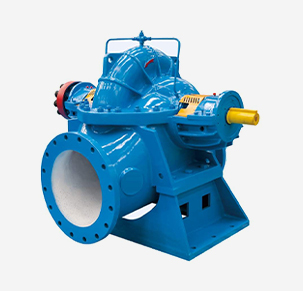
Performance & Engineering
Engineering a slurry pump requires a deep understanding of fluid dynamics and force analysis, specifically regarding the "critical velocity" of the slurry. If the flow velocity drops below the settling velocity of the particles (as defined by Stokes' Law), sedimentation occurs, leading to pipe blockage and pump cavitation. To prevent this, China mud slurry pumps are engineered with optimized impeller geometries that maximize the head-to-flow ratio while maintaining a turbulent flow regime to keep solids in suspension.
Environmental resistance is managed through the integration of advanced sealing systems. Given the abrasive nature of mud, traditional mechanical seals are often replaced or supplemented by "expeller seals" or "gland packing with flush water systems." The flush water creates a positive pressure barrier that prevents abrasive particles from entering the bearing housing. Force analysis is also applied to the pump's hydraulic balance; asymmetric radial loads caused by uneven slurry distribution are countered by utilizing heavy-duty bearings and precision-aligned coupling systems. Compliance with international engineering standards ensures that these pumps can integrate into existing industrial pipelines without creating excessive backpressure or vibrational resonance.
Technical Specifications
| Parameter Category | Standard Specification | High-Abrasion Variant | Corrosive Slurry Variant |
|---|---|---|---|
| Impeller Material | High Chrome Alloy (27% Cr) | Tungsten Carbide Coated | Duplex Stainless Steel |
| Max Flow Rate (m³/h) | Up to 12,000 | Up to 8,000 | Up to 10,000 |
| Max Discharge Head (m) | 150m | 120m | 180m |
| Max Solid Particle Size (mm) | 100mm | 60mm | 80mm |
| Casing Hardness (HRC) | 58-62 HRC | 65-68 HRC | 45-52 HRC |
| Operational Temp Range (°C) | -10°C to 90°C | -20°C to 110°C | -10°C to 150°C |
Failure Mode & Maintenance
Failure analysis of China mud slurry pumps typically identifies three primary modes: abrasive wear, cavitation erosion, and fatigue cracking. Abrasive wear occurs primarily at the impeller vanes and the volute tongue, where high-velocity slurry impacts the surface. This results in a progressive loss of hydraulic efficiency and a decrease in the total head produced. Cavitation erosion occurs when the Net Positive Suction Head Available (NPSHa) falls below the NPSH Required (NPSHr), creating vapor bubbles that collapse violently against the metal surfaces, leaving "pitted" craters.
Fatigue cracking is often the result of operational instability or vibration, typically manifesting at the shaft sleeves or bearing supports. To mitigate these failures, a professional maintenance regimen is mandatory. This includes the implementation of "wear monitoring," where liner thickness is measured periodically using ultrasonic gauges. Maintenance intervals should include the replacement of sacrificial wear plates before the primary casing is compromised. Lubrication systems must be monitored for contamination; any ingress of slurry into the bearing oil indicates a failure of the seal system and requires immediate overhaul to prevent shaft seizure.
Industry FAQ
Q: How do we determine the correct impeller material for a high-silica mud application?
A: For high-silica environments, we recommend High-Chromium White Iron with a minimum of 27% Cr. If the silica concentration exceeds 40%, a tungsten carbide coating or ceramic lining is necessary to prevent rapid erosive wear of the leading edges.
Q: What is the primary cause of premature seal failure in these pumps?
A: The most common cause is the failure of the flush water system. Without a constant flow of clean water to create a pressure barrier, abrasive slurry particles enter the seal chamber, acting as a grinding compound that destroys the seal faces in a matter of hours.
Q: How does the pump handle changes in slurry density during operation?
A: Changes in density affect the pump's BHP (Brake Horsepower) requirement. We recommend utilizing a Variable Frequency Drive (VFD) to adjust the pump speed, ensuring that the flow velocity remains above the critical settling velocity regardless of density fluctuations.
Q: Can these pumps be used for acidic slurry transport?
A: Standard high-chrome pumps are not suitable for highly acidic environments. For such applications, we utilize Duplex Stainless Steel or specialized rubber-lined casings to prevent chemical corrosion from undermining the material's structural integrity.
Q: What is the recommended method for detecting internal wear without dismantling the pump?
A: We employ a combination of performance curve monitoring (tracking the drop in head versus flow) and ultrasonic thickness testing on the volute casing to estimate the remaining wall thickness of the liners.
Conclusion
The operational efficiency of a China mud slurry pump is a direct function of its metallurgical integrity and hydraulic precision. By balancing the hardness of high-chromium alloys with the structural toughness of forged steels, these systems are capable of transporting high-density solids while maintaining long-term mechanical stability. The integration of advanced sealing technologies and VFD controls further enhances their adaptability to the volatile conditions inherent in mining and industrial dredging.
Looking forward, the industry is shifting toward "intelligent wear monitoring" and the use of nano-composite coatings to further extend the Mean Time Between Failures (MTBF). For procurement managers and engineers, the focus must remain on selecting a pump specification that aligns with the specific abrasive index and chemical profile of the slurry to ensure maximum lifecycle value and minimal operational downtime.
-
submersible pump for sewage treatment plant Performance Analysis
News2026-06-01
-
single phase sewage submersible pump Material Science Manufacturing
News2026-06-01
-
sewage water submersible pump Material Science Manufacturing
News2026-06-01
-
Sewage Submersible Pump Price List Performance Analysis
News2026-06-01
-
sewage submersible pump 3hp Performance Analysis
News2026-06-01
-
submersible effluent sewage pump Performance Analysis
News2026-05-31
-
stainless steel submersible sewage pumps Performance Engineering
News2026-05-31
-
stainless steel submersible sewage pump Material Science Manufacturing
News2026-05-31
-
Sewage Submersible Pump Installation Performance Analysis
News2026-05-31
-
sewage submersible pump 2hp Performance Analysis
News2026-05-31
-
sewage submersible pump 1hp Performance Analysis
News2026-05-30
-
1 hp sewage submersible pump Performance Analysis
News2026-05-30
-
waste pump for basement bathroom Performance and Engineering
News2026-05-30
-
Sump Pump Drain Field Performance Analysis
News2026-05-30
-
small sewage pump Performance Analysis
News2026-05-30




